


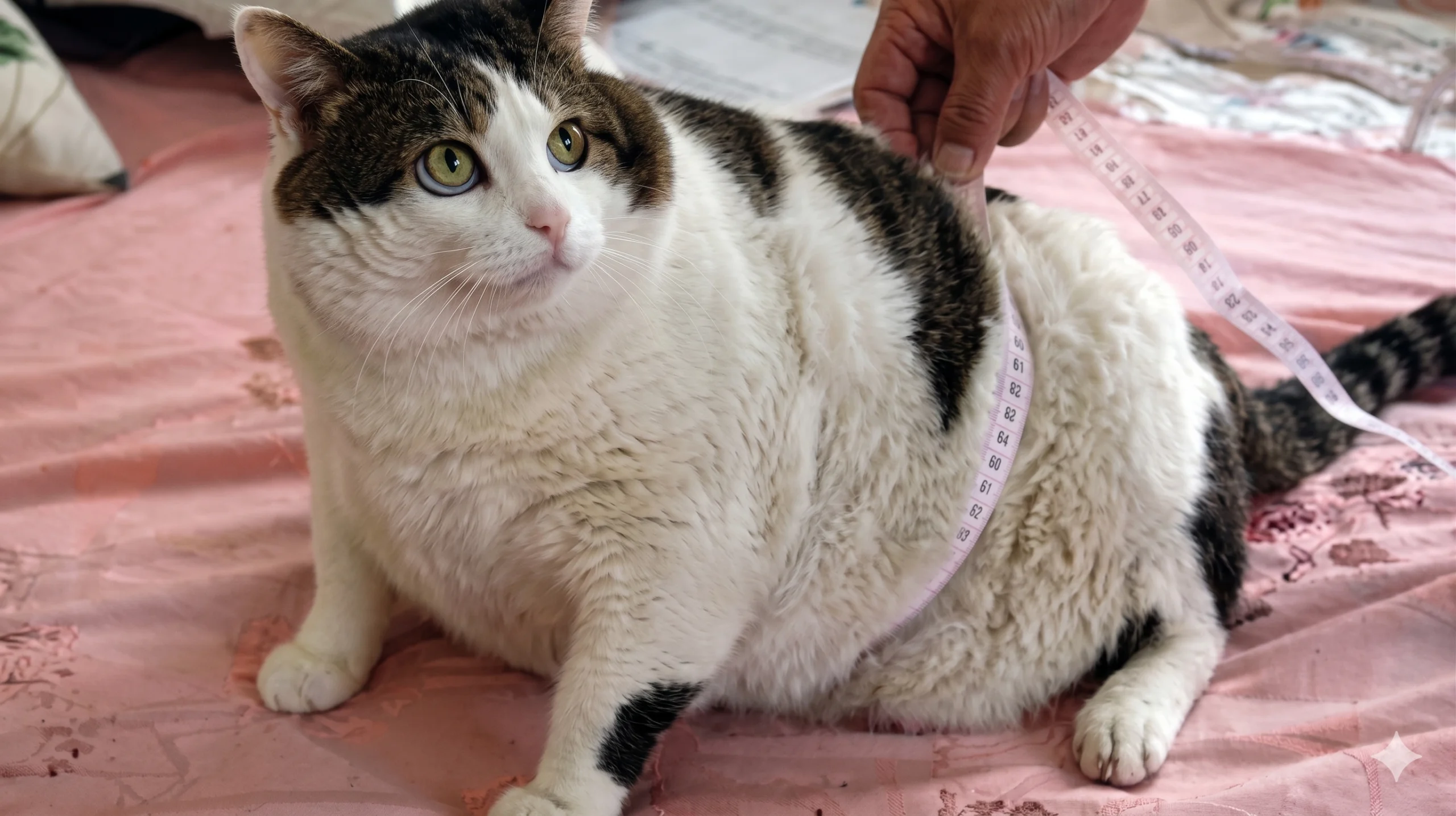

When Fatima adopted her rescue cat, Simba, she assumed love and a bit of food would be enough. Within six months, Simba was overweight, matted around the belly, and had started hiding under the bed more than he came out. It wasn’t neglect, it was that no one had ever told her what “caring for a pet” actually involves beyond food and cuddles. A vet visit and a few honest conversations later, Simba was back to a healthy weight, his coat was manageable again, and he was suddenly a lot more interested in playing.
Fatima’s story isn’t unusual. Pets bring immense joy and unconditional love into our lives, but as responsible pet owners, it’s our duty to make sure that love goes both ways, through proper care that keeps them genuinely healthy, not just happy in the moment. Whether you have a dog, cat, or any other furry companion, consistent care, including regular pet grooming in Abu Dhabi, plays a vital role in their overall well-being. These ten essential tips will help you keep them happy, healthy, and thriving.
1. Provide a Nutritious Diet
A well-balanced diet is the foundation of your pet’s overall health. Feed them high-quality pet food suited to their age, breed, and size. Avoid human foods that are toxic to pets, such as chocolate, onions, or grapes, and make sure fresh water is always available.
Why this matters more than most owners realize: According to the Association for Pet Obesity Prevention’s 2024 survey, roughly a third of both dog and cat owners now classify their pets as overweight or obese, up from far lower rates just a year earlier. Excess weight is linked to diabetes, joint disease, and a shorter lifespan, and many owners simply don’t recognize it until a vet points it out. A consistent, portion-controlled diet is one of the simplest ways to avoid becoming part of that statistic.
Extra weight doesn’t just show up on the scale, either. Overweight cats in particular often can’t reach or twist far enough to groom their own backs properly, which is why matting along the spine and hindquarters is so often a weight problem in disguise.
2. Ensure Regular Exercise
Exercise supports both physical and mental health. Dogs need daily walks and playtime, while cats benefit from interactive toys and climbing opportunities. A lack of activity is one of the leading contributors to pet obesity and behavioral issues, so make movement a non-negotiable part of your pet’s routine.
3. Offer Mental Stimulation
Pets need mental engagement just as much as physical activity. Puzzle toys, short training sessions, and new experiences prevent boredom and destructive behavior. Teaching new tricks or commands keeps their mind sharp and strengthens the bond between you.
4. Show Love and Affection
Quality time isn’t optional, it’s essential. Cuddles, belly rubs, and a soothing voice all reinforce that your pet is safe and loved. This companionship reduces anxiety and builds the kind of trust that makes every other part of their care easier.
5. Maintain Regular Grooming
Grooming isn’t just cosmetic, it’s a core part of your pet’s health. A few key benefits:
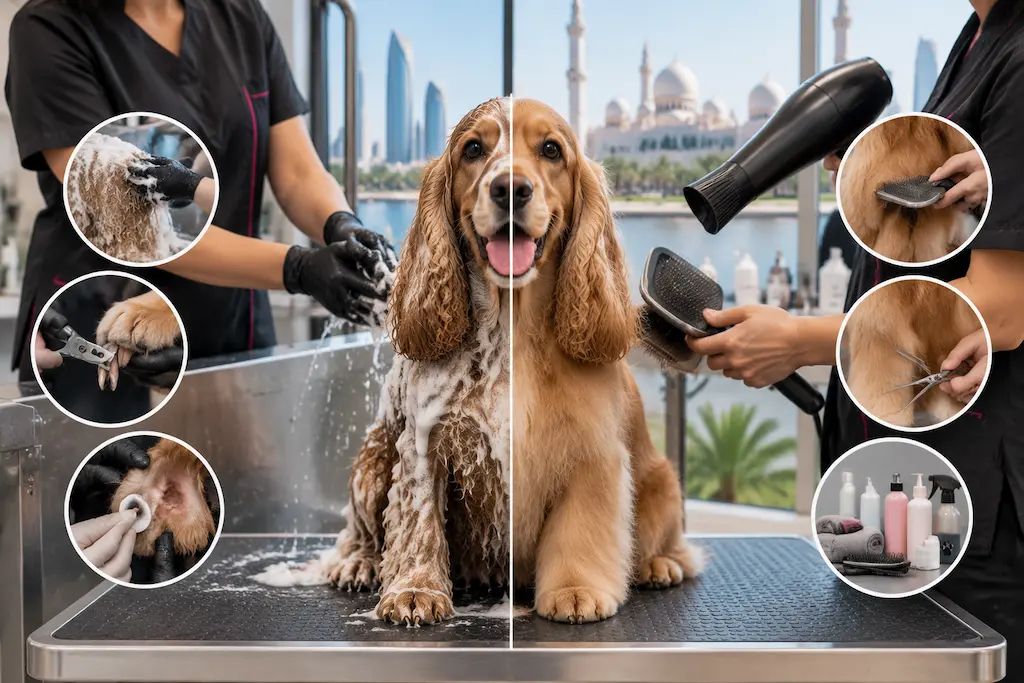
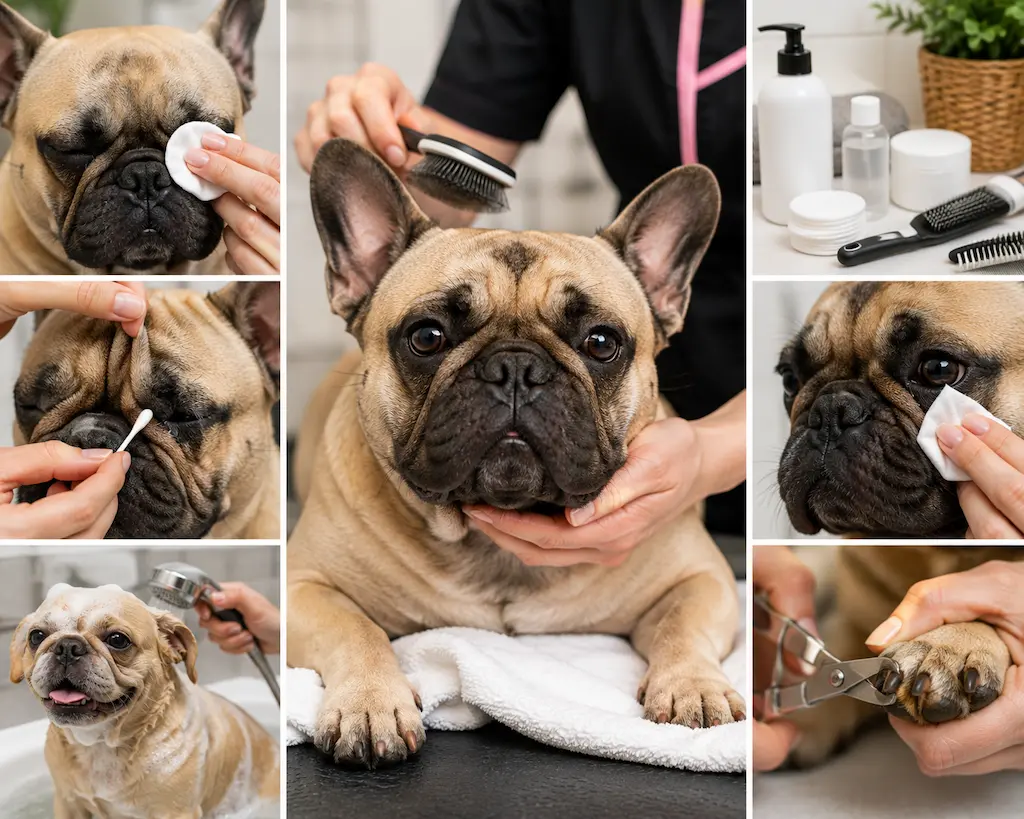
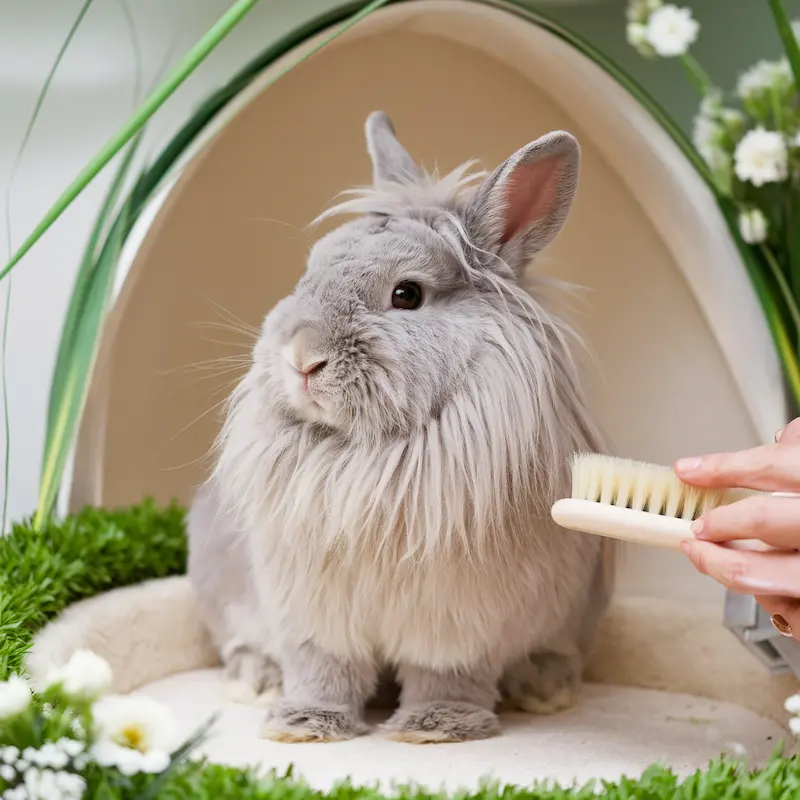
- Brushing prevents matting and reduces shedding around your home.
- Nail trims prevent overgrowth, discomfort, and posture problems.
- Bathing keeps skin clean and free from parasites and irritation.
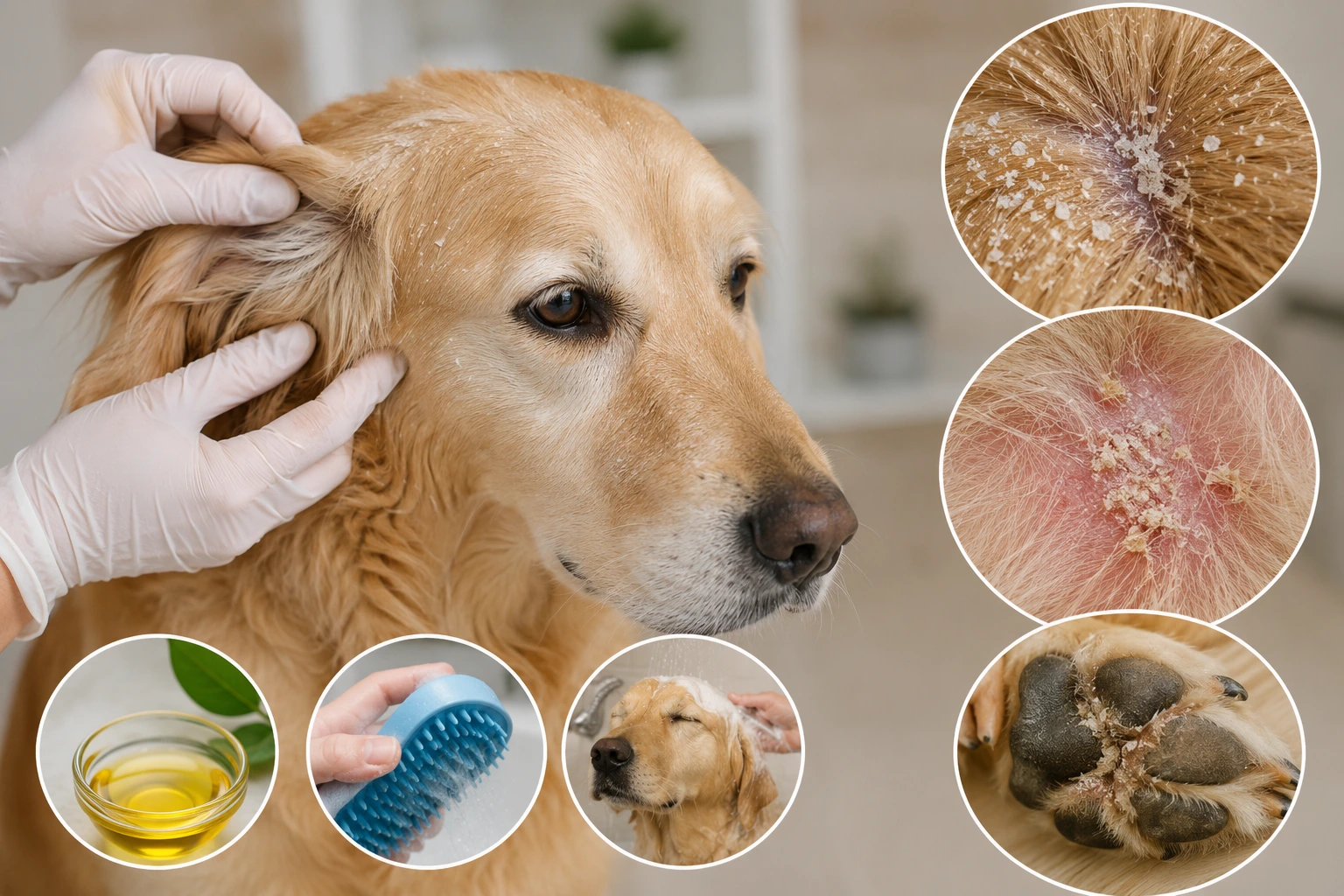
Regular grooming sessions also give a trained groomer the chance to catch early signs of skin issues, lumps, or parasites, often before an owner notices anything is wrong, whether that’s a flaky, dull coat pointing to seborrhea or a nail or ear problem that’s easy to miss at home.
6. Schedule Routine Vet Visits
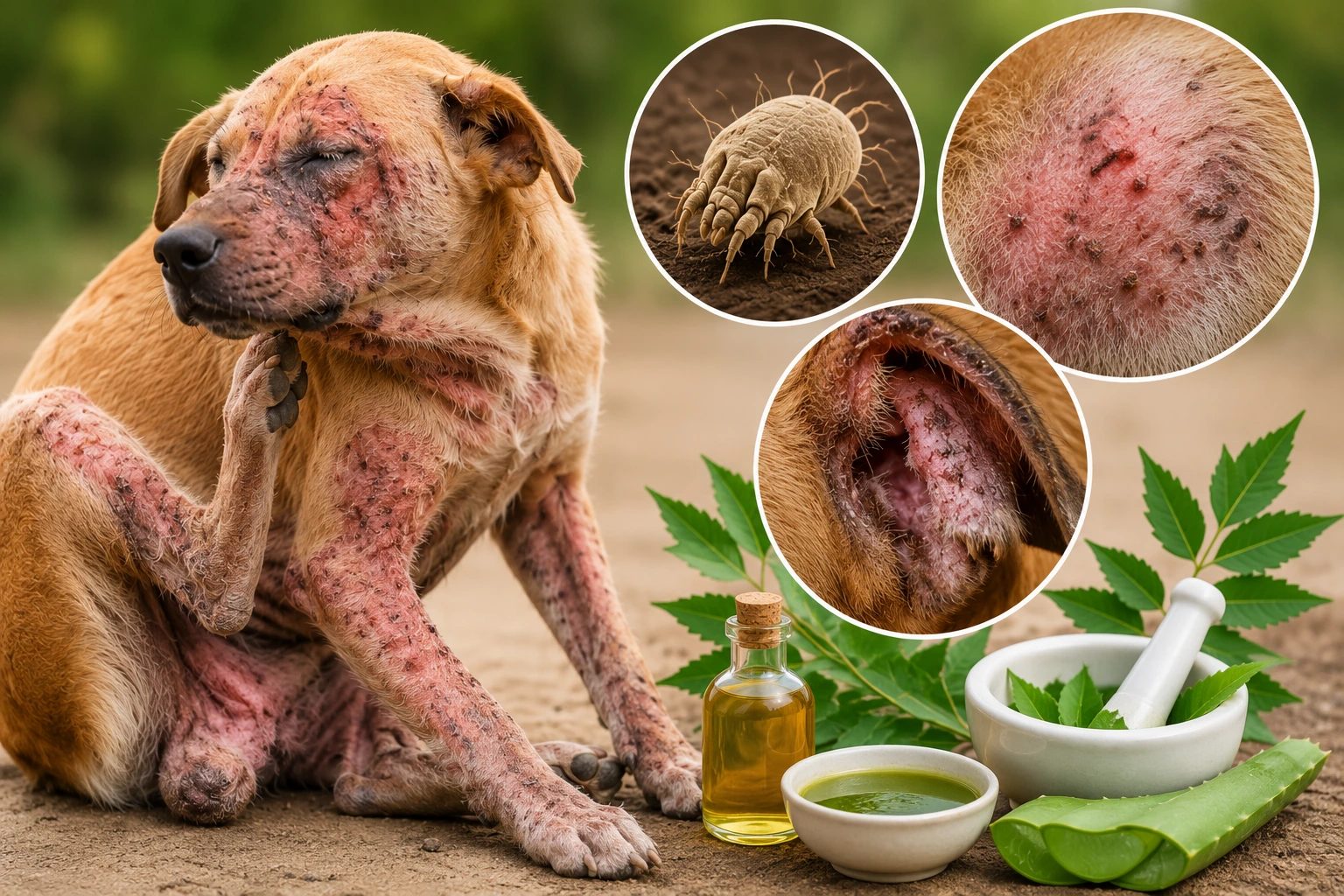
Routine check-ups catch health issues early and keep your pet in optimal condition. Vaccinations, dental care, and parasite prevention should all be part of a regular veterinary schedule, not something addressed only when a problem appears, especially since persistent itching or crusty, hairless patches are often early signs of mange rather than ordinary shedding.
7. Create a Safe and Comfortable Environment
Every pet needs a cozy, secure place to rest. Provide a comfortable bed, keep their living space clean, and pet-proof your home by removing hazardous items they could chew, swallow, or get hurt on.
8. Socialize Your Pet
Socialization supports emotional well-being. Gradual, positive exposure to different people, environments, and other animals builds confidence and reduces anxiety, making your pet more adaptable in new situations, from vet visits to travel.
9. Respect Their Individual Preferences
Every pet has a distinct personality. Some are social and outgoing; others prefer quiet and solitude. Paying attention to body language and respecting those preferences, rather than forcing interaction, helps your pet feel genuinely safe.
10. Treat Them to Professional Grooming
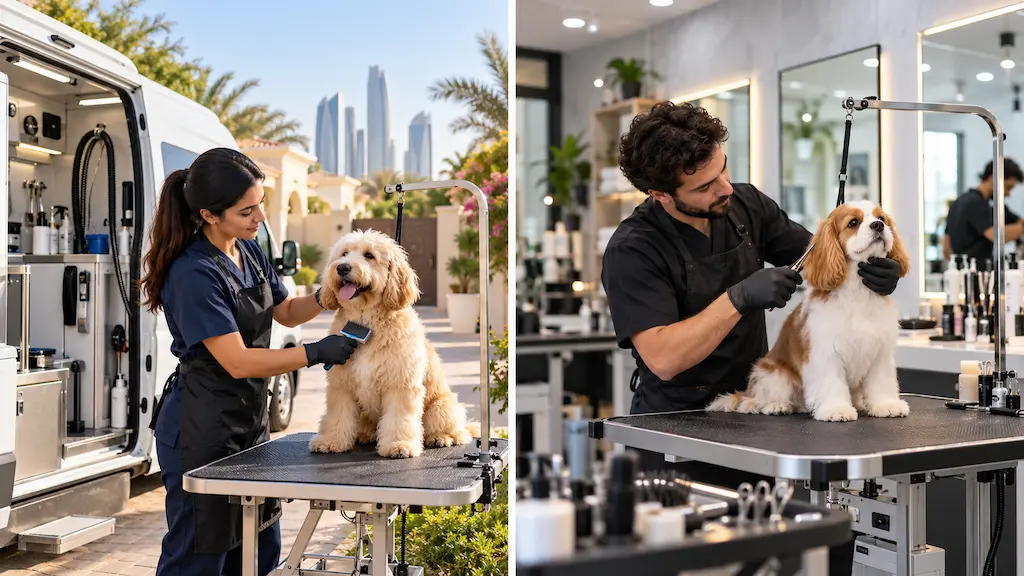
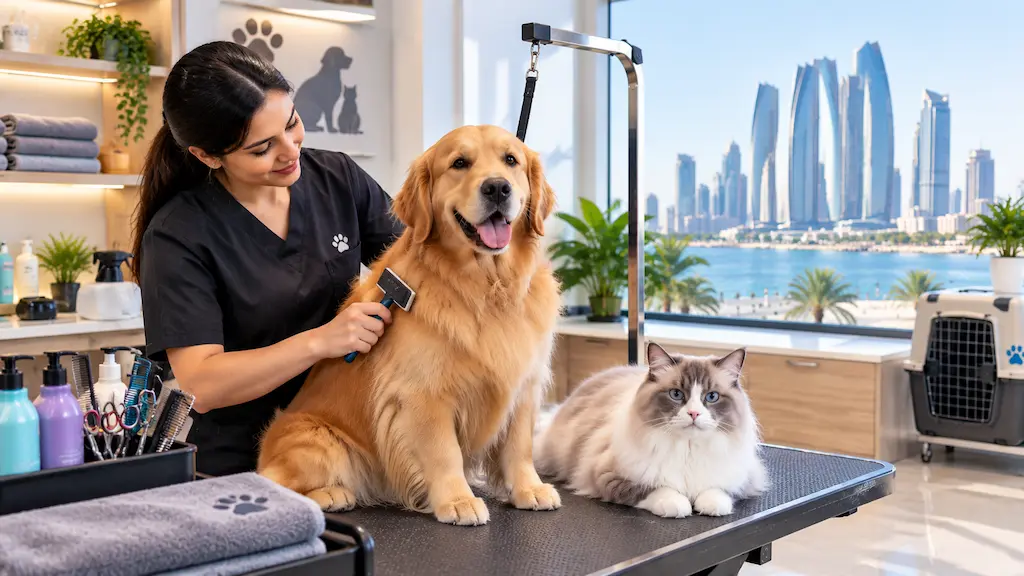
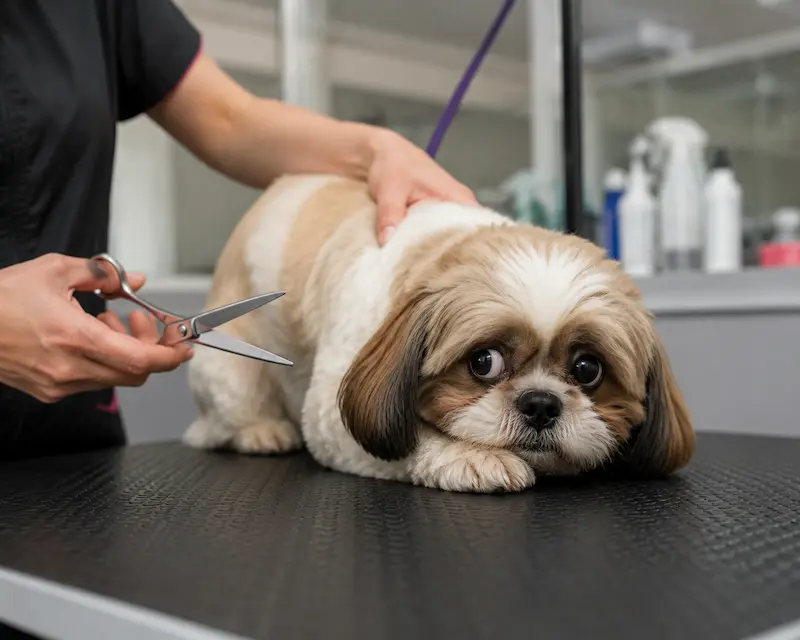
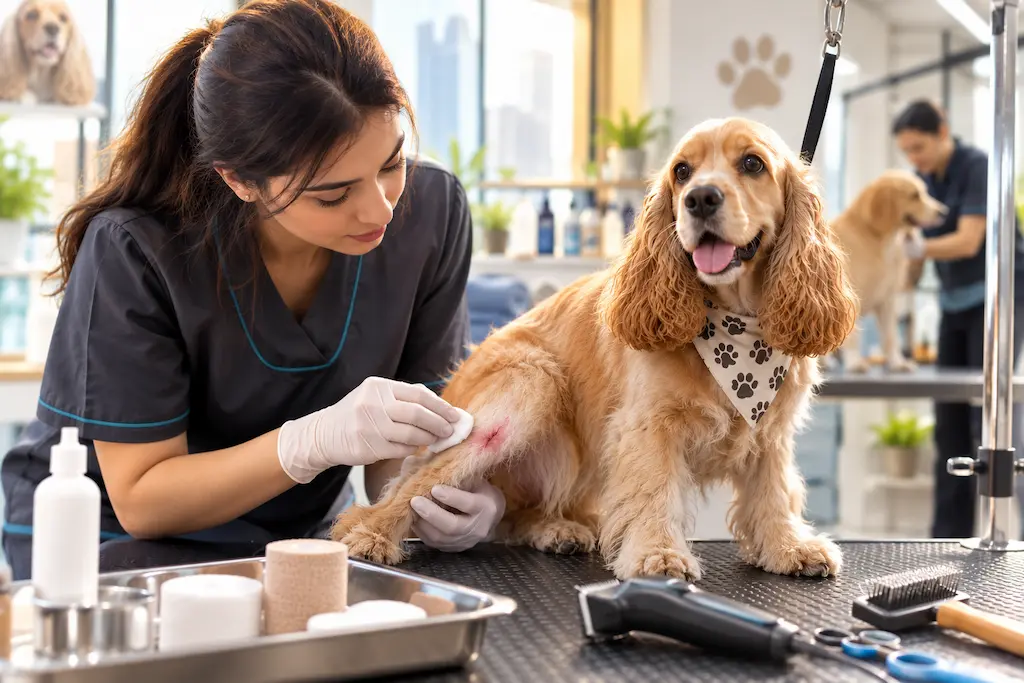
Professional grooming is one of the best ways to pamper your pet while actively supporting their health, and it lowers the odds of the kind of nicks, cuts, and clipper mishaps that happen during rushed DIY trims. If you’re in Abu Dhabi, The Groom Room builds its service around exactly this kind of thorough, health-focused care, covering everything from dog grooming to cat grooming. For pets who find salon visits stressful, their mobile pet grooming service brings that same expert care straight to your door.
Frequently Asked Questions
How do I know if my pet is at a healthy weight?
Your vet can assess body condition score during a routine check-up, but a general sign is being able to feel (not see) your pet’s ribs without pressing hard, and seeing a visible waist from above.
How often should I groom my pet at home versus professionally?
Light brushing at home a few times a week helps between visits, but professional grooming every 4 to 8 weeks handles de-shedding, nail care, and health checks that are harder to do safely on your own.
My pet seems anxious around new people or animals. Is it too late to socialize them?
No. Socialization is easier when started young, but gradual, positive exposure can still help adult pets become more comfortable, especially with patience and no forced interactions.
Are indoor pets less likely to need these care basics?
No. Indoor pets still need proper nutrition, exercise, grooming, and mental stimulation. In fact, indoor pets are often more prone to obesity and boredom-related behavior issues due to lower natural activity levels.
What’s the biggest mistake new pet owners make?
Underestimating how much consistent routine matters, in feeding, exercise, and grooming, rather than assuming love and good intentions alone are enough for a pet’s health.
Conclusion
Caring for a pet well goes beyond affection; it’s the accumulation of small, consistent habits: a proper diet, regular movement, mental engagement, routine vet care, and grooming that supports their health as much as their appearance. None of these tips require perfection, just consistency.
If professional grooming is the piece you’ve been putting off, The Groom Room makes it easy with expert care for dogs and cats alike, plus a mobile grooming option for pets who’d rather stay home. Book an appointment today and give your furry companion the well-rounded care they deserve.