

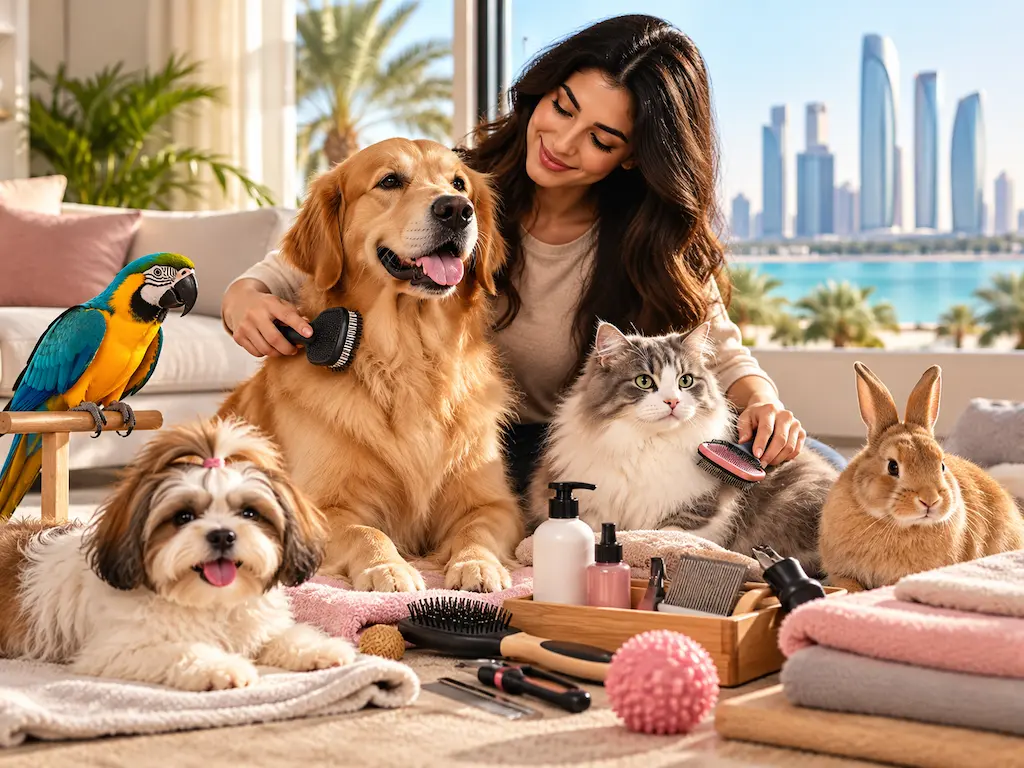


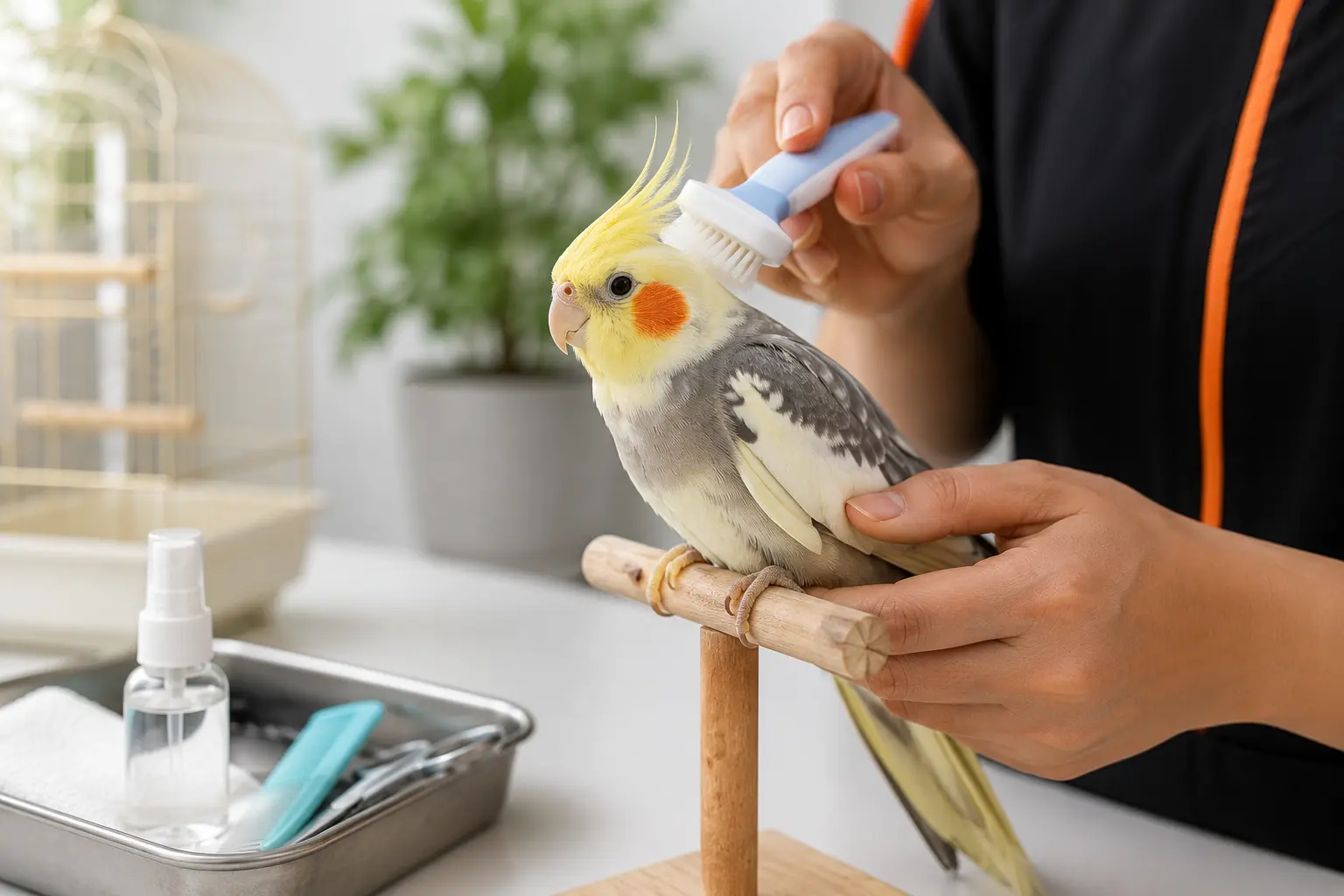
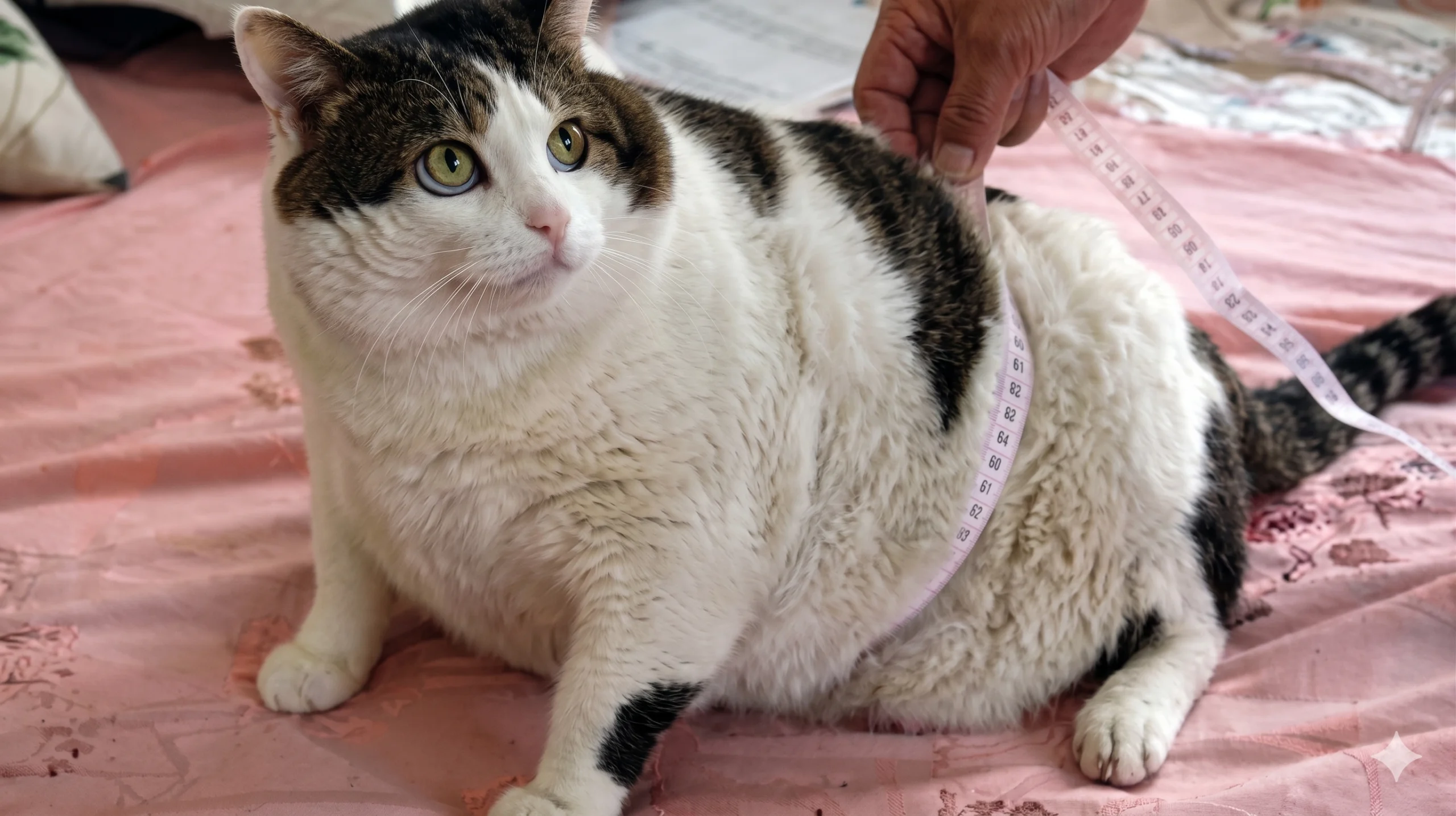
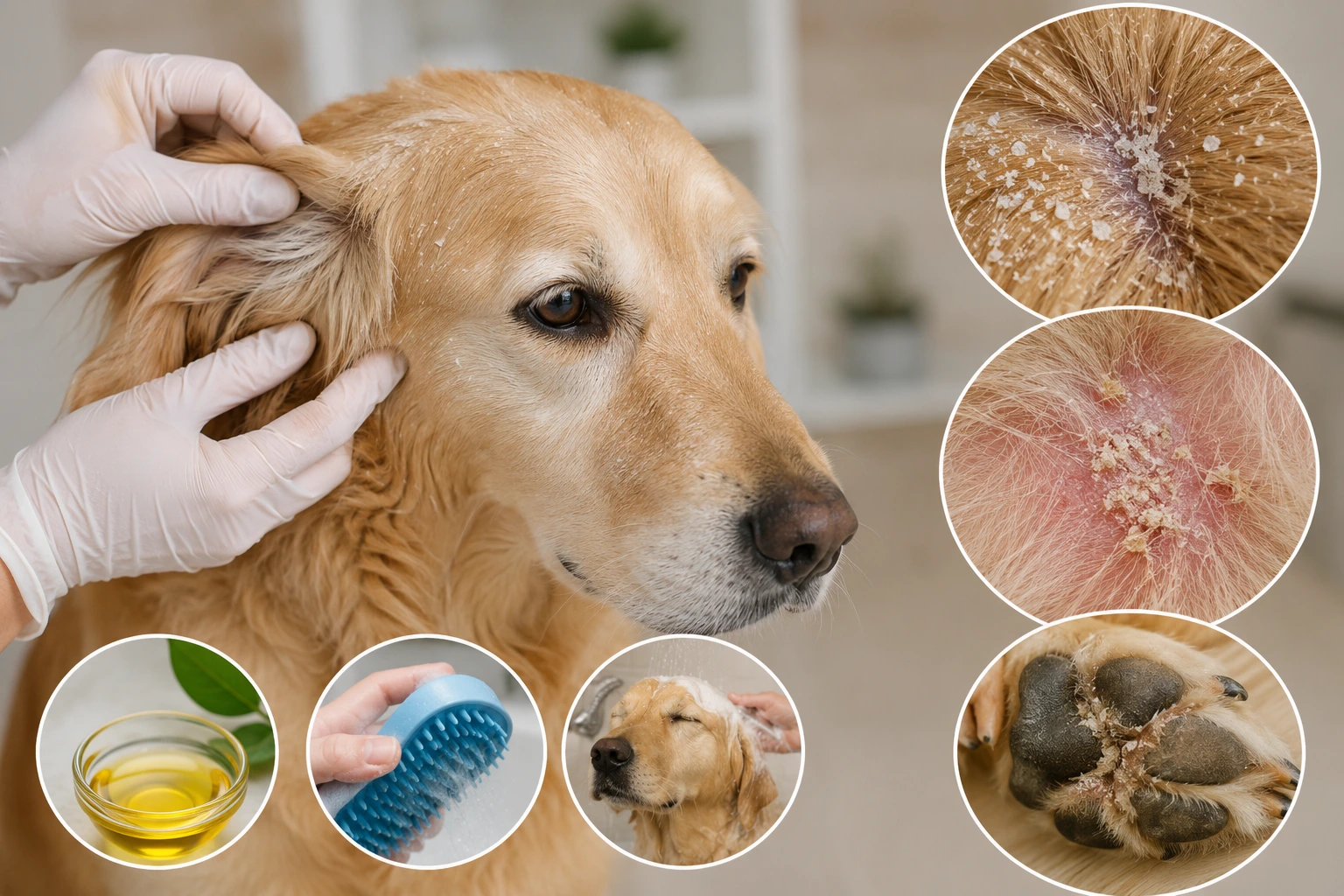

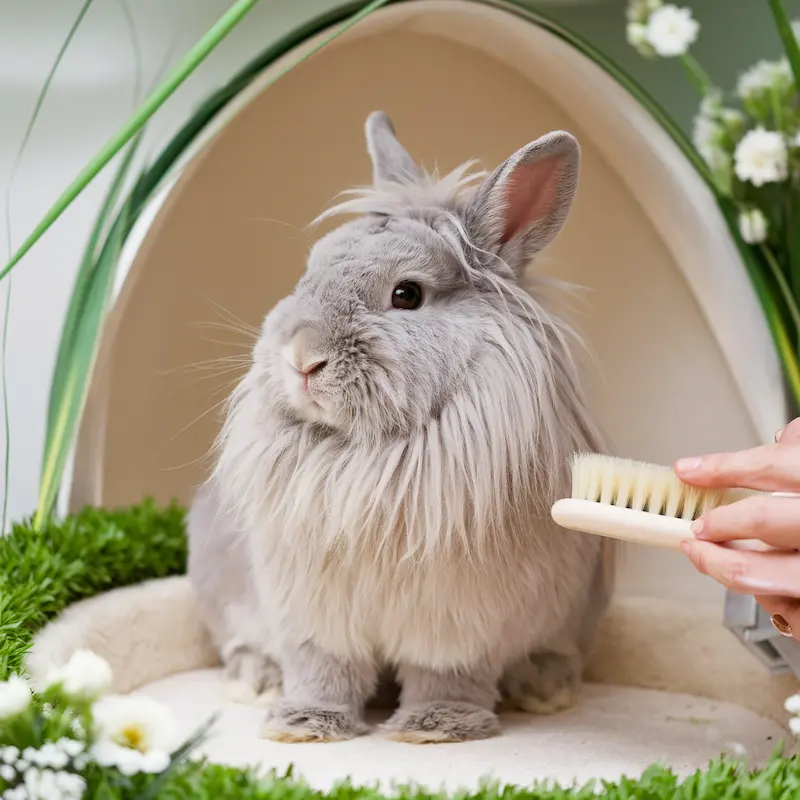

A family in Khalifa City once described their grooming situation to me as a “rolling disaster.” They had two dogs, three cats, and a rabbit their daughter had adopted during lockdown. Every few months, someone would notice one of the animals looking rough, a groomer would be booked in a panic, and the other five would carry on until they reached the same point.
The cost wasn’t the problem. The lack of a system was. Nobody could remember when the older cat had last been brushed properly, so her coat had started matting along the spine where she couldn’t reach. The rabbit hadn’t had his nails trimmed in six months. Meanwhile, the dogs, being the most visible and vocal, were getting groomed more often than they actually needed.
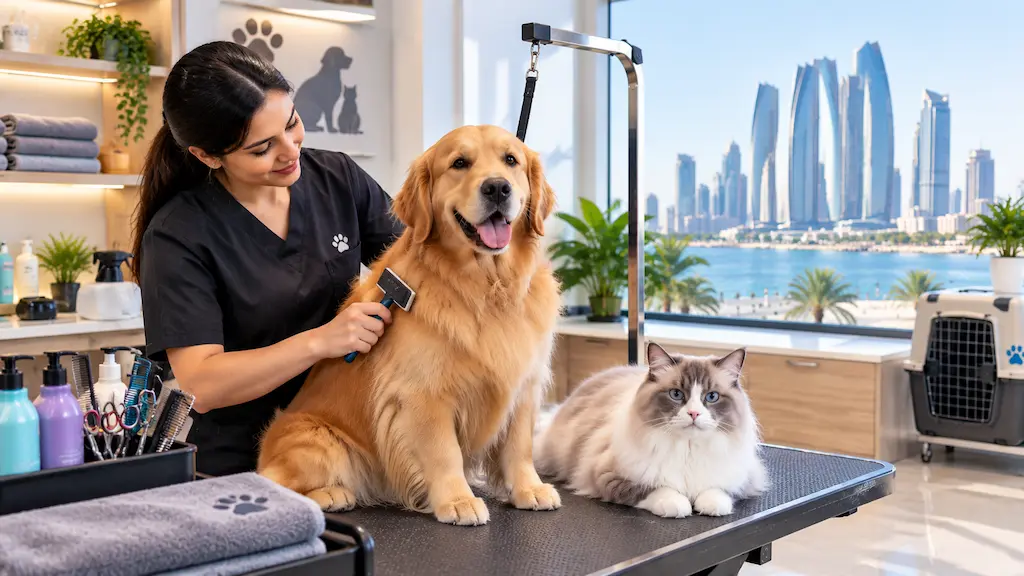
If that sounds familiar, the fix isn’t necessarily more grooming. It’s having a routine that gives each animal its own grooming schedule and stops you managing everything reactively. Whether you handle some of it at home or use professional pet grooming in Abu Dhabi, the goal is the same: keep each pet on a routine that suits its coat, breed, age, and needs.
Why multi-pet households drift out of routine
Single-pet owners groom on a rhythm. Multi-pet households groom on attention, whichever animal looks worst that week.
Three things drive the drift:
- Different intervals per animal: A short-coated dog and a long-haired Persian do not belong on the same schedule, but households tend to default to one.
- The quiet ones get missed: Cats and rabbits rarely signal a problem until matting is advanced. Dogs do, loudly.
- Booking friction multiplies: One salon trip is an errand. Three is a logistics exercise, so it gets postponed.
Abu Dhabi adds a fourth factor. Pets here move between fierce outdoor heat and sustained indoor air conditioning, which dries skin and loosens coat far more than owners expect. Shedding doesn’t follow a clean seasonal pattern the way it does in temperate climates, so “he’s not due yet” is often wrong.
Build the schedule around coat type, not household
The starting point is giving each animal its own interval rather than one family calendar.
| Pet type | Professional grooming | Home brushing |
|---|---|---|
| Long-haired dog (Shih Tzu, Maltese, Pom) | Every 4–6 weeks | 3–4 times weekly |
| Short-haired dog (Beagle, Lab, terrier mix) | Every 8–12 weeks | Weekly |
| Double-coated dog (Husky, Golden, Shepherd) | Every 6–8 weeks, more in shed season | 3+ times weekly |
| Long-haired cat (Persian, Maine Coon) | Every 6–8 weeks | Daily |
| Short-haired cat | Every 8–12 weeks | 2–3 times weekly |
| Rabbit | Every 6–8 weeks for nails and sanitary area | 2–3 times weekly |
| Bird | Nail and wing trim as needed | — |
Long-haired breeds like Persians and Maine Coons genuinely need daily attention, the do’s and don’ts of cat grooming cover why short-haired cats can run on a few sessions a week while long coats can’t.
Write these intervals down once. That’s the whole system.
Stagger, don’t batch
The instinct is to groom everyone on the same day and be done with it. In practice, batching creates problems.
Stress spreads between animals: A cat who hears a dog being dried in the next room arrives at her own session already agitated. Handling gets harder, and the session runs longer for everyone.
Costs cluster: Six pets groomed in one week is a heavy single bill. The same six staggered across two months is the same money spread sensibly.
Nobody gets proper attention: A groomer working through six animals in sequence is working to a clock by the fourth.
A workable pattern for a six-pet household:
| Week | Who |
|---|---|
| 1 | Long-haired dog |
| 3 | Long-haired cat |
| 5 | Short-haired dog |
| 7 | Rabbit + nail trims on anyone due |
| 9 | Short-haired cats |
| 11 | Back to the start |
Each animal still lands on its correct interval. You just never have more than one session in a fortnight.
The home brushing rota does most of the work
Professional grooming sets the baseline. What happens between appointments decides whether those appointments are routine or remedial.
Matting is the main risk in multi-pet homes, and it’s almost always found late on the quiet animals. Ten minutes of brushing on the right animal each evening is enough:
- Monday, Wednesday, Friday; the long-haired dog
- Daily, five minutes; the long-haired cat, focusing on armpits, belly and the base of the spine
- Tuesday, Thursday; the rabbit
- Weekend; short-coated animals, plus a hands-on check of everyone
That last item matters most. Run your hands along each animal’s belly, behind the ears and under the legs weekly. Mats form where the animal can’t reach and you can’t see, and catching one early is a two-minute comb-out rather than a clipped patch.
Watch what spreads between animals
Multi-pet households share more than space. Fleas, ticks, ear mites and ringworm move between animals quickly, and one untreated pet keeps reinfecting the rest.
Two practical rules:
- Treat the whole household, not the affected animal: Parasite treatment on one pet while the others go untreated resets the cycle.
- Tell the groomer: If one animal has a skin issue, say so at booking. It changes the order of work, the products used and the cleaning between pets.
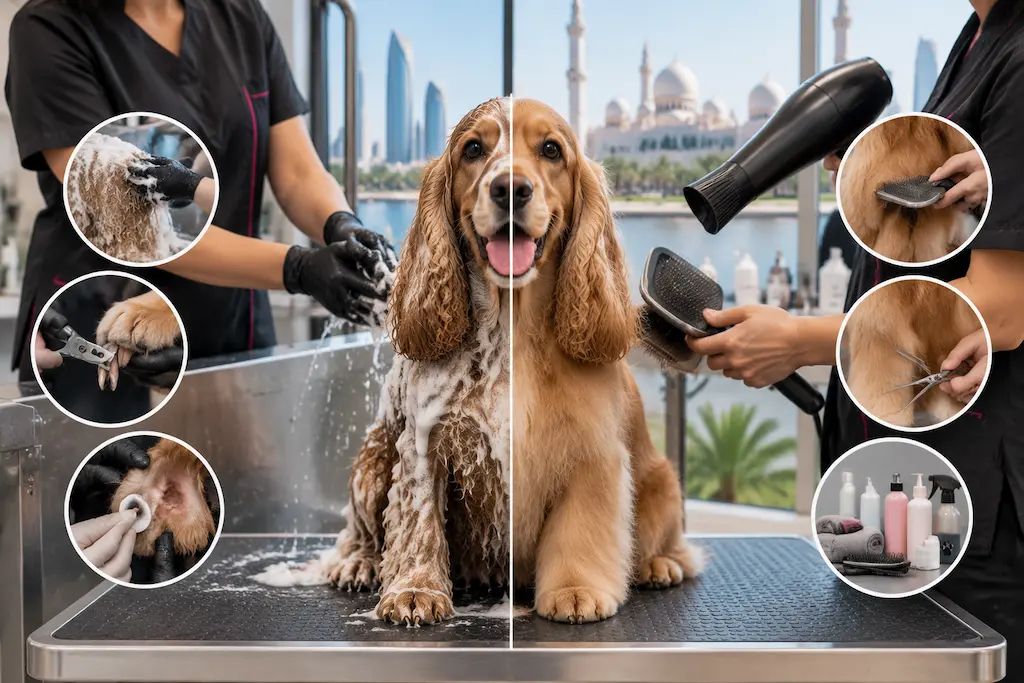
Regular professional sessions also function as health checks, the health benefits of regular pet grooming include catching ear infections, skin conditions and lumps early, which matters more when a problem on one animal can become a problem across six.
Why at-home grooming suits multi-pet families
For households with three or more animals, bringing the groomer to you resolves most of the logistics.
No carriers, no repeat car journeys, no cat who has learned that the carrier means something unpleasant. Each pet is handled individually, in familiar surroundings, and returned to the house afterwards while the next one comes out.
It also makes staggering realistic. Booking one animal every two weeks is easy when it’s a doorstep appointment and genuinely tedious when it’s a round trip across the city. Mobile grooming in Abu Dhabi exists largely because the alternative stops multi-pet households from keeping any schedule at all.
Worth asking about hygiene between animals in the same visit, though, it’s one of the items on any reasonable safety checklist for at-home grooming, and it matters more in a household where anything one animal picks up spreads to the rest.
Start with an audit, not a booking
Before you set any of this up, do one pass:
- When was each animal last professionally groomed?
- Check every coat by hand for developing mats
- Check every set of nails, including the rabbit’s
- Note which animals are visibly overdue
That audit usually produces one or two animals needing attention soon and the rest simply needing a place on the calendar. From there the routine maintains itself, which is exactly what a six-pet household needs it to do.
Conclusion
Managing grooming across several pets isn’t about doing more of it. It’s about giving each animal its own interval and then staggering those intervals so you’re never facing three sessions in one week.
The households that cope well all do the same three things: they write down a per-animal schedule instead of relying on memory, they keep a short home brushing rota so the quiet pets don’t slip, and they check every coat by hand once a week. Nothing there is complicated. It just has to exist before it can work.
Start with the audit. Most families find one or two animals genuinely overdue and the rest simply unscheduled and once the calendar is set, a multi-pet household stops feeling like a rolling disaster and starts running on its own.
Frequently Asked Questions
How do I keep track of grooming for several pets?
Give each animal its own interval based on coat type, then write the dates down in one shared calendar. Multi-pet households drift because they groom whichever animal looks worst, not because they forget — a written schedule removes the guesswork.
Should I groom all my pets on the same day?
Usually no. Batching spreads stress between animals, clusters the cost into one heavy bill, and means the last pets in the queue get less attention. Staggering sessions every two weeks keeps everyone on their correct interval without the pile-up.
How often should cats be groomed compared to dogs?
It depends on coat, not species. Long-haired cats like Persians and Maine Coons need daily brushing and professional sessions every 6–8 weeks, while a short-coated dog can go 8–12 weeks between appointments with weekly brushing at home.
Why do my quiet pets end up matted?
Because they don’t complain. Cats and rabbits rarely show discomfort until matting is advanced, and mats form where the animal can’t reach and you can’t easily see armpits, belly, and the base of the spine. A weekly hands-on check catches them early.
Does Abu Dhabi’s climate affect how often pets need grooming?
Yes. Constant movement between outdoor heat and indoor air conditioning dries skin and loosens coat, so shedding doesn’t follow a neat seasonal pattern. Pets here often need attention sooner than the standard interval suggests.