
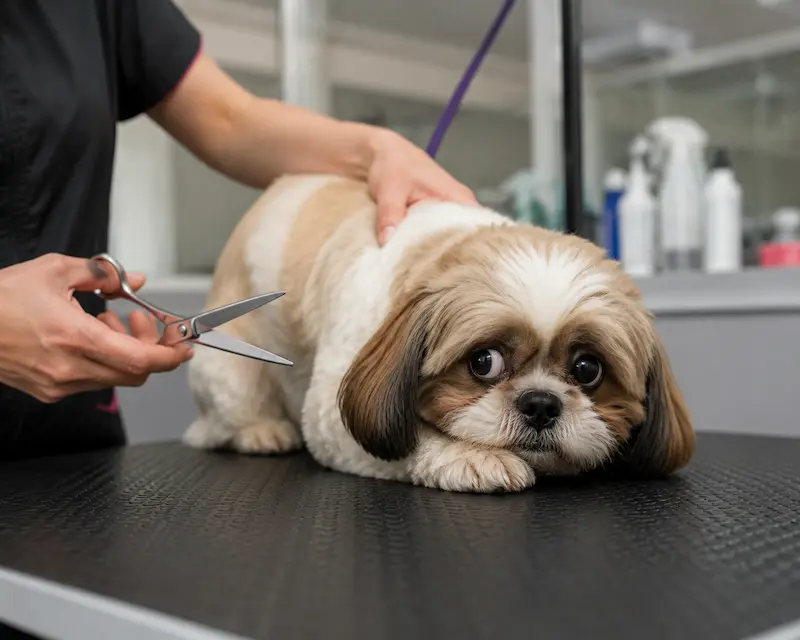

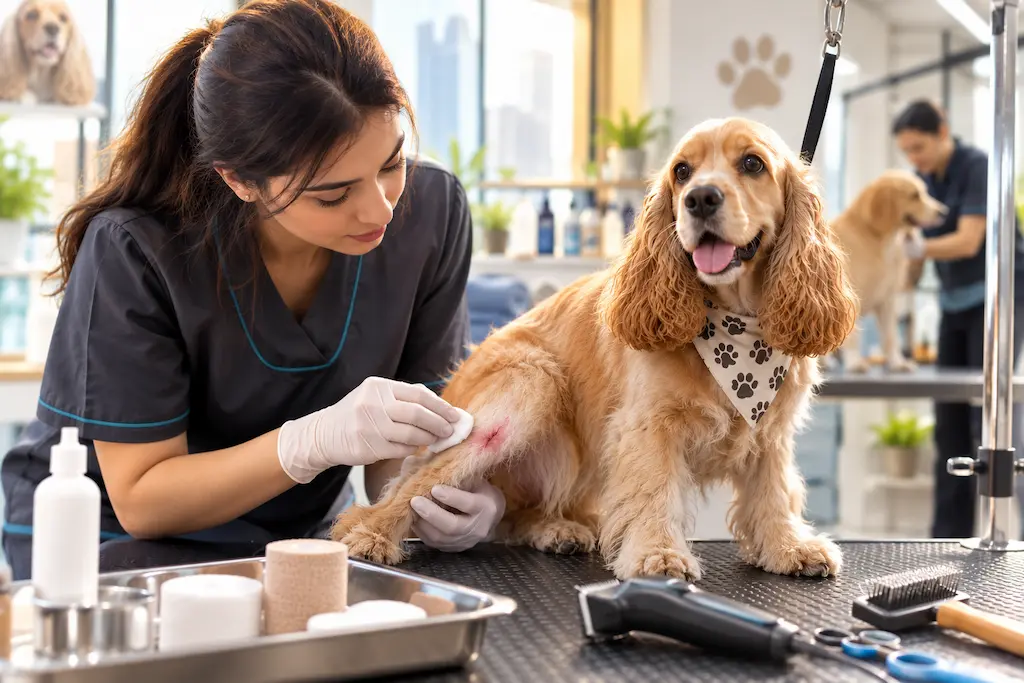

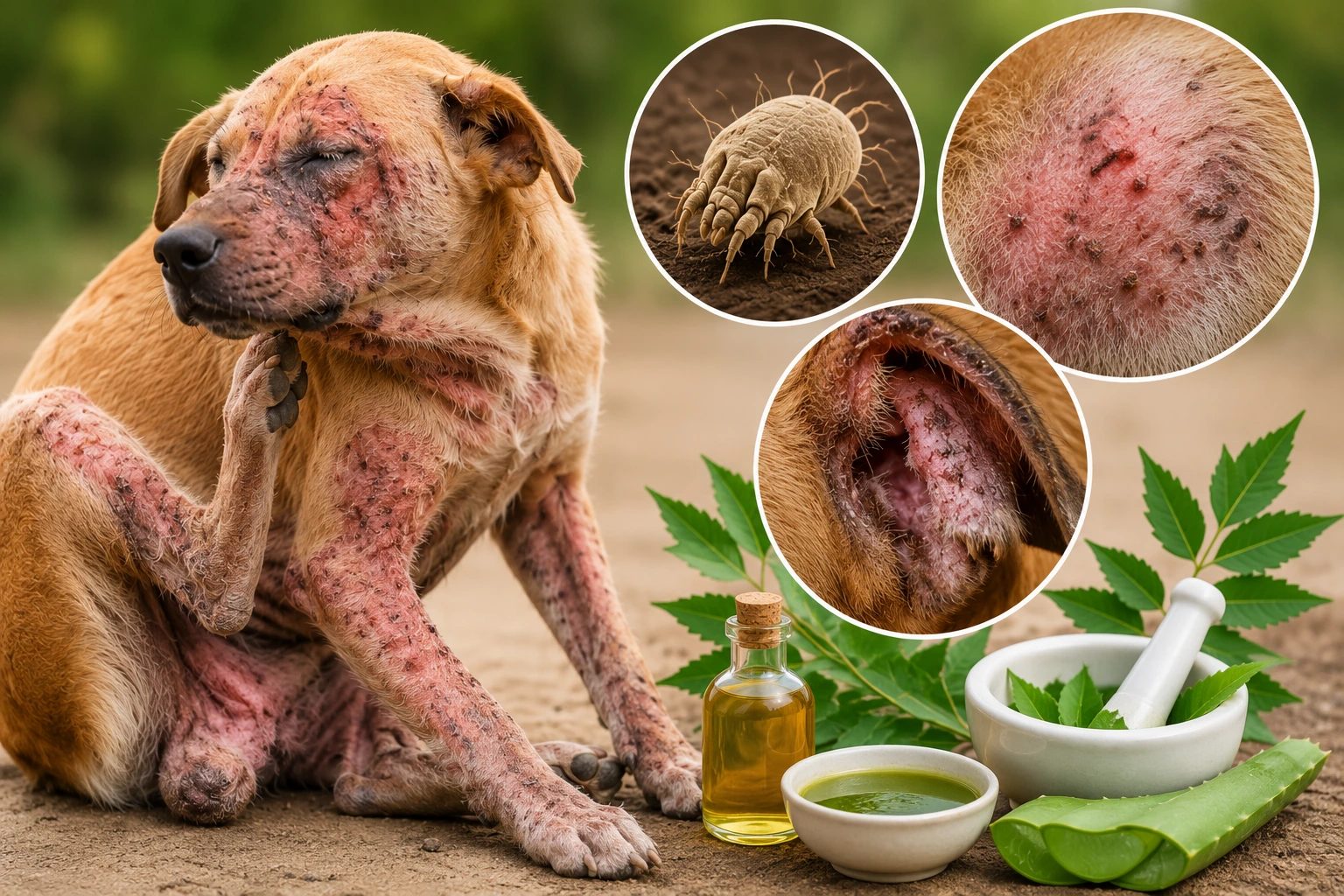

Luna, a two-year-old Cocker Spaniel, came home from her first grooming appointment with a visible limp. Her owner noticed a small cut on her back leg near the grooming clippers, along with redness and mild swelling. What should have been routine had resulted in a clipper burn, a preventable pet grooming injury. Luna’s owner spent the next week worrying about whether the wound would scar, all because she didn’t know what signs to watch for or how to prevent such injuries.
If you’ve ever felt anxious leaving your beloved pet with a groomer, you’re not alone. Pet grooming injuries are more common than most owners realize, and nearly all are entirely preventable. This is especially important for pet owners looking for pet grooming in Abu Dhabi, where choosing a professional, experienced groomer and understanding proper grooming practices can make a significant difference. Knowing the common injuries, recognizing warning signs, and understanding how to respond can help you protect your furry friend and feel more confident when working with professional groomers.
Why Pet Grooming Injuries Happen
Grooming involves sharp tools, warm water, and careful handling that can sometimes result in accidents even with experienced professionals. A 2023 survey by the International Association of Canine Professionals found that approximately 8% of grooming appointments resulted in minor injuries, with clipper burns and nail bed injuries being the most common. These aren’t freak accidents, they’re predictable outcomes of certain practices. Understanding the root causes helps you identify safer facilities.
Common reasons injuries occur include dull clippers causing friction burns, clipper blades overheating during extended use, sudden pet movement during nail trimming, improper bathing water temperature, excessive tension while brushing, stress responses causing pets to struggle, and inadequate handling technique. Nearly every type of injury can be prevented through proper protocols, quality equipment, trained staff, and clear communication.
The Four Most Common Pet Grooming Injuries
1. Clipper Burn or Clipper Irritation
This is the most frequently reported grooming injury. Clipper burn is red, tender skin caused by friction from dull or overheated clippers. The problem develops when clippers aren’t properly maintained or when groomers don’t allow adequate cooling time between uses.
Symptoms typically appear 24–48 hours after grooming (delayed appearance makes owners less likely to connect it to grooming), visible skin irritation in clipped areas, mild swelling or sensitivity, and skin appearing slightly darker than surrounding areas. Home treatment is straightforward:
- Clean gently with cool water and mild soap
- Apply pet-safe antibiotic ointment (Neosporin is safe for pets)
- Keep the area dry and protected for 2–3 weeks
- Monitor for signs of infection (increased redness, discharge, odor)
Prevention is simple professional groomers should use sharp, clean blades and allow clippers to cool between sessions. If your groomer rushes without equipment maintenance, that’s a red flag.
2. Nail Bed Injuries or Torn Nails
Accidental cutting into the quick (the blood vessel inside the nail) causes bleeding and pain. This injury is particularly common in anxious dogs who move suddenly during nail trimming.
Watch for visible bleeding from the nail area, limping or reluctance to put weight on the affected paw, excessive licking of the paw, and swelling around the nail base. Home treatment involves:
- Apply styptic powder or cornstarch to stop bleeding
- Soak paw in warm water with Epsom salt for 10 minutes
- Apply antibiotic ointment and wrap loosely
- Keep bandage clean and dry for 5–7 days
Contact your vet if bleeding won’t stop after 15 minutes, signs of infection appear (swelling, discharge, odor), or limping persists beyond 3 days.
3. Ear Injuries or Infections
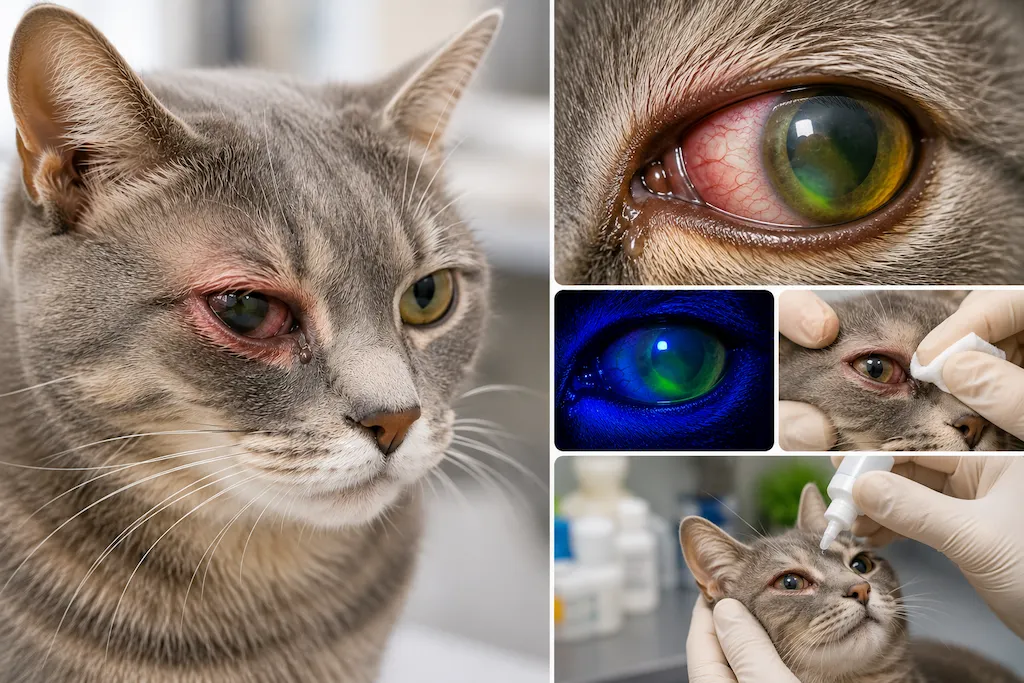
Ear injuries result from cuts, hematomas (blood blisters), or bacterial infections following aggressive ear cleaning or water exposure. This area is sensitive, and improper technique causes significant discomfort.
Watch for head shaking or ear scratching, visible blood or fluid inside the ear, foul odor, swelling of the ear flap, or discharge. For home treatment, do NOT insert anything into the ear canal. Clean only the outer ear gently with a damp cloth. Contact your vet immediately if a hematoma is present (requires professional drainage), if infection is suspected, or if head shaking persists beyond 24 hours.
4. Hot Water Burns or Scalding
Thermal burns occur from excessively hot bathwater or steam, one of the most serious grooming injuries because burns are deep and prone to infection. Symptoms include red or blistered skin, hair loss in the affected area, reluctance to be touched, and visible pain.
Treatment involves running cool (not cold) water over the burn for 10–15 minutes, applying pet-safe antibiotic ointment, avoiding ice application directly to skin, and avoiding further bathing for at least 1 week. Water temperature should never exceed 38°C (100°F). A good groomer tests temperature with an elbow or thermometer, not by hand alone.
Preventing Grooming Injuries: A Pet Owner’s Guide
The most important step is choosing the right groomer. Look for pet grooming services with certified training, insurance coverage (protecting both you and your pet), references from trusted pet owners, clean and safe facilities, and specific experience with your pet’s breed or temperament.
Clear communication before appointment is your second line of defense. Disclose any health conditions or skin sensitivities, inform the groomer about previous injuries or fears, request breaks if your pet gets anxious, and ask explicitly about their safety protocols. A groomer who welcomes these questions is trustworthy.
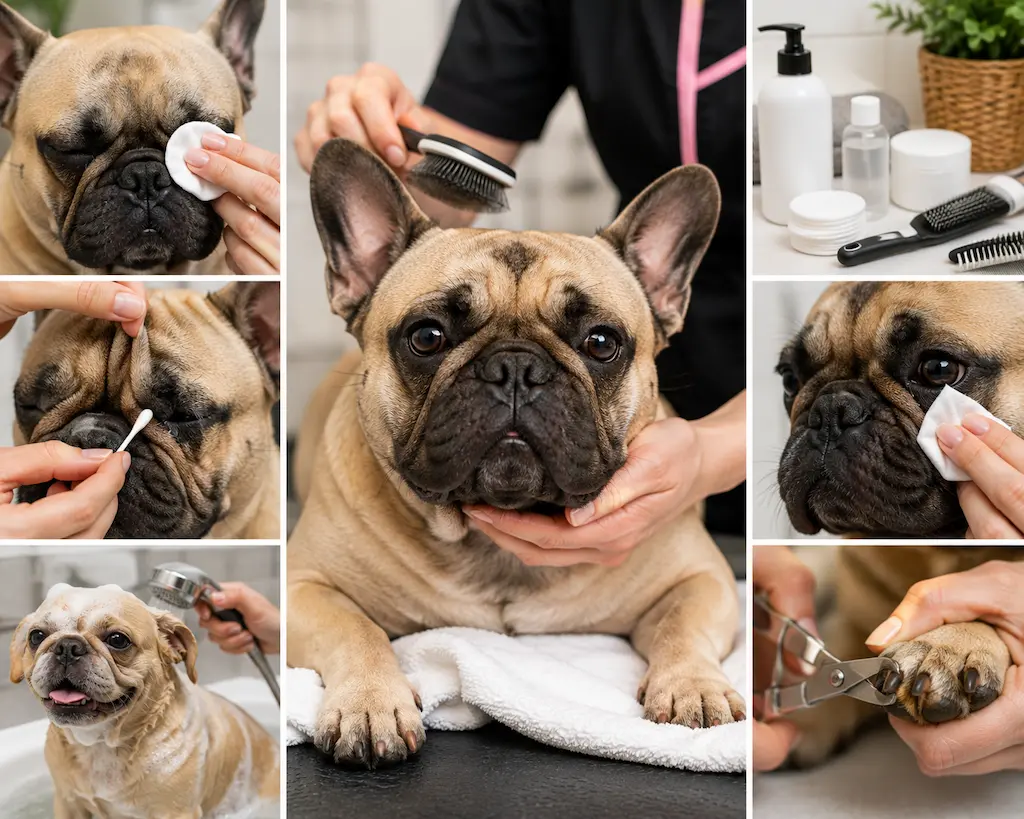
After grooming, perform a thorough inspection. Check skin for cuts, redness, or irritation. Examine all four paws for bleeding or swelling. Look at ears for discharge or swelling. Run your hands through the coat to feel for hot spots. Note any behavioral changes including limping, head shaking, or anxiety.
Frequently Asked Questions
Is it normal for my pet to be sore after grooming?
Some mild stiffness is normal from handling and positioning. However, sharp pain or limping is not. Contact your groomer if soreness persists beyond 24 hours.
How long do grooming injuries take to heal?
Minor clipper burns and small cuts heal in 1–2 weeks with proper care. More serious injuries may take 3–4 weeks or require veterinary intervention.
Can I groom my pet at home to avoid injuries?
Home grooming is an option, but improper technique can cause injury. Professional groomers are trained in safe handling. If you groom at home, invest in quality tools and learn proper techniques first.
Should I report an injury to my groomer?
Yes. Reputable groomers want to know and will often offer remedies or compensation. Reporting also helps them improve safety practices.
What should I do if my pet was injured by a groomer?
Document the injury with photos, get a vet assessment, and contact the groomer in writing. Most professional grooming injury claims are resolved through their insurance.
How can I tell if my pet has an infection after grooming?
Watch for increased redness, swelling, discharge, odor, or warmth around the injured area. See your vet immediately if fever or behavioral changes appear.
Prevention Is Your Best Defense
Most grooming injuries are preventable through proper communication, smart groomer selection, and thorough post-appointment inspection. While professional grooming is essential for your pet’s health and hygiene, choosing experienced, insured, and safety-conscious groomers is crucial.
At groomroom.ae, our pet grooming services prioritize safety protocols above all else. We use well-maintained equipment, employ trained professionals who understand injury prevention, and are equipped to groom pets of all temperaments while minimizing stress and injury risk.
Pets with existing skin conditions or injuries need extra care during grooming. If your pet suffers from matting or skin sensitivities, explore our guide on when an overweight cat can’t reach to groom matting on the back and rear to understand how grooming can prevent further skin damage.