


Is your dog’s coat suddenly greasy, flaky, or giving off a musty smell? You’re probably wondering what’s going on and how to fix it safely. The good news is that you’re in the right place. In this guide, we’ll explain what seborrhea in dogs really is, what causes it, and the simple steps you can take to keep your dog comfortable and itch-free.
What Is Seborrhea in Dogs?
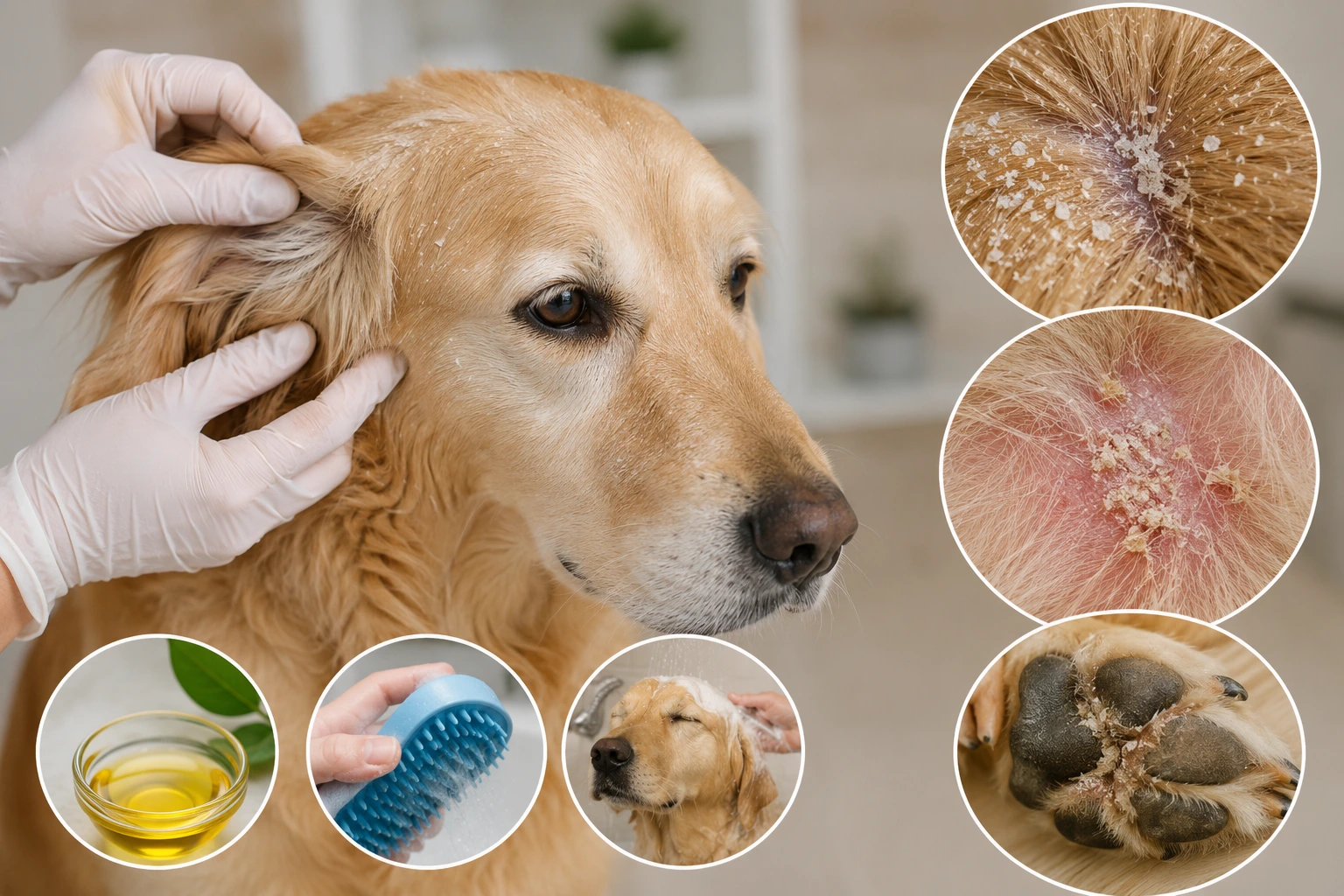
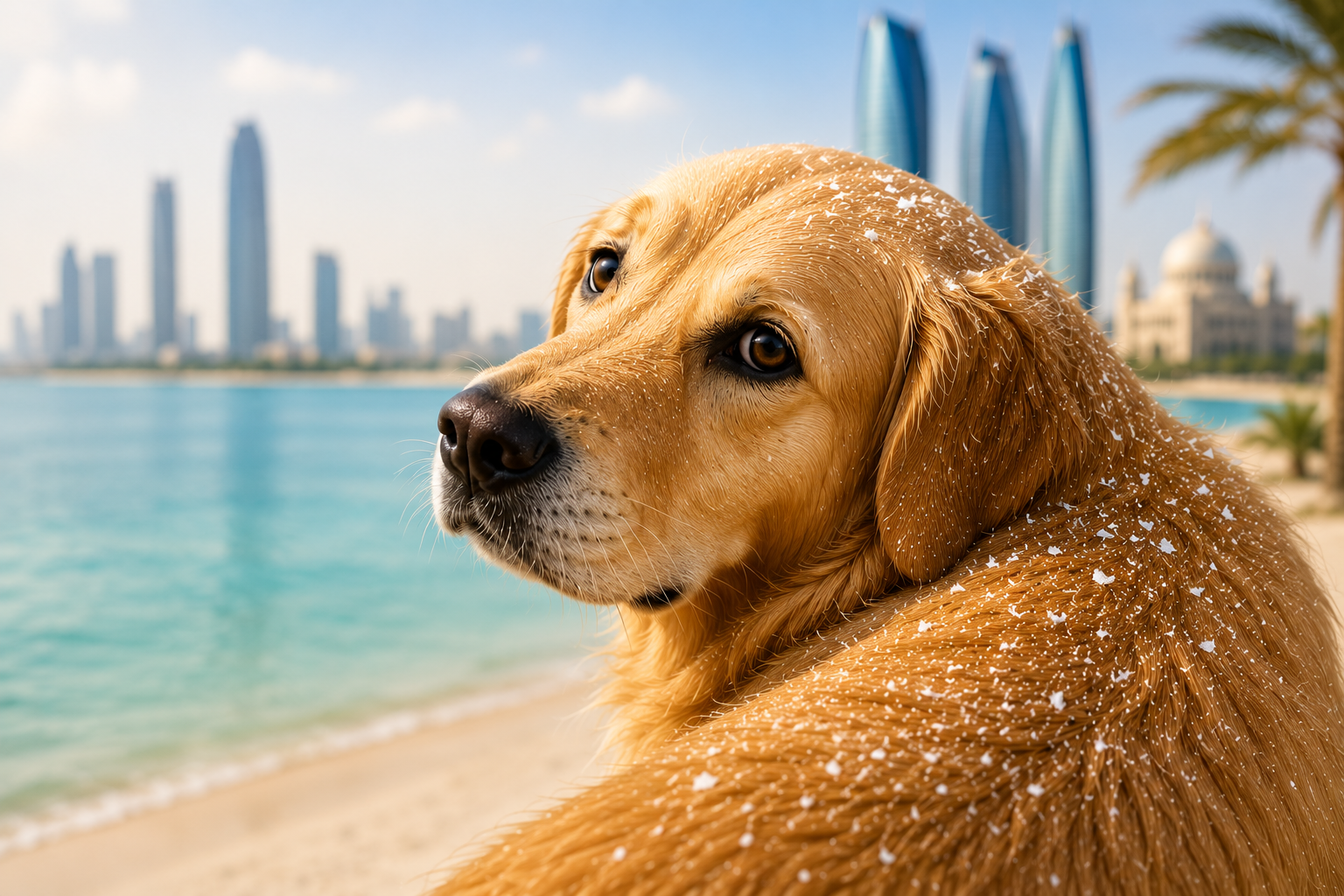
Seborrhea is a skin condition that happens when a dog’s skin makes too much or too little oil (called sebum). This leads to flaky, dry skin, a greasy coat, or both. Many owners first notice it as heavy dandruff, a dull coat, or an unusual odor that doesn’t go away after a bath.
In simple terms, seborrhea is a sign that your dog’s skin barrier is out of balance. It is common, treatable, and usually points to another health issue underneath.
The Two Main Types of Seborrhea
There are two forms, and many dogs show a mix of both.
| Type | What It Looks Like | Common Signs |
|---|---|---|
| Seborrhea sicca (dry) | Dry, flaky skin | Dandruff, dull coat, scaling |
| Seborrhea oleosa (oily) | Greasy, waxy skin | Oily coat, strong odor, sticky patches |
How Is Seborrhea in Dogs Treated?
Treatment works best when it targets both the symptoms and the underlying cause. Here is a simple, step-by-step approach.
- Get a vet diagnosis. Your vet may use a skin scrape, cytology, or blood tests to find the trigger.
- Treat the root cause. This might mean managing allergies, clearing parasites, or balancing a hormone problem.
- Use medicated shampoos. Vet-recommended products with salicylic acid, sulfur, coal tar, or benzoyl peroxide help control oil and flaking.
- Add healthy fats. Omega-3 fatty acids (from fish oil) support a stronger skin barrier and a shinier coat.
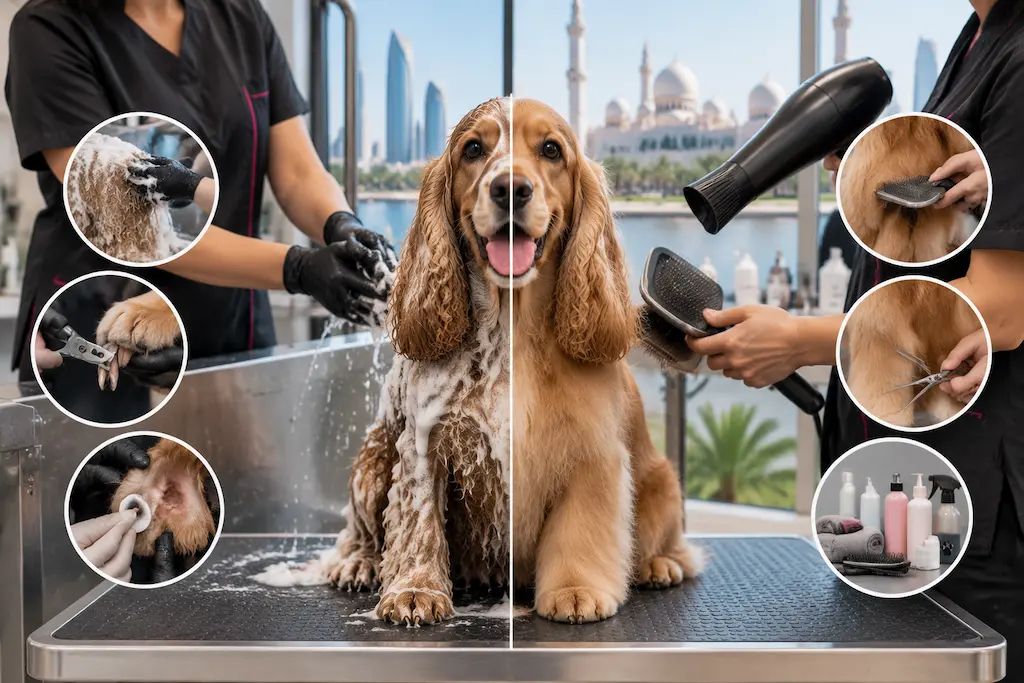
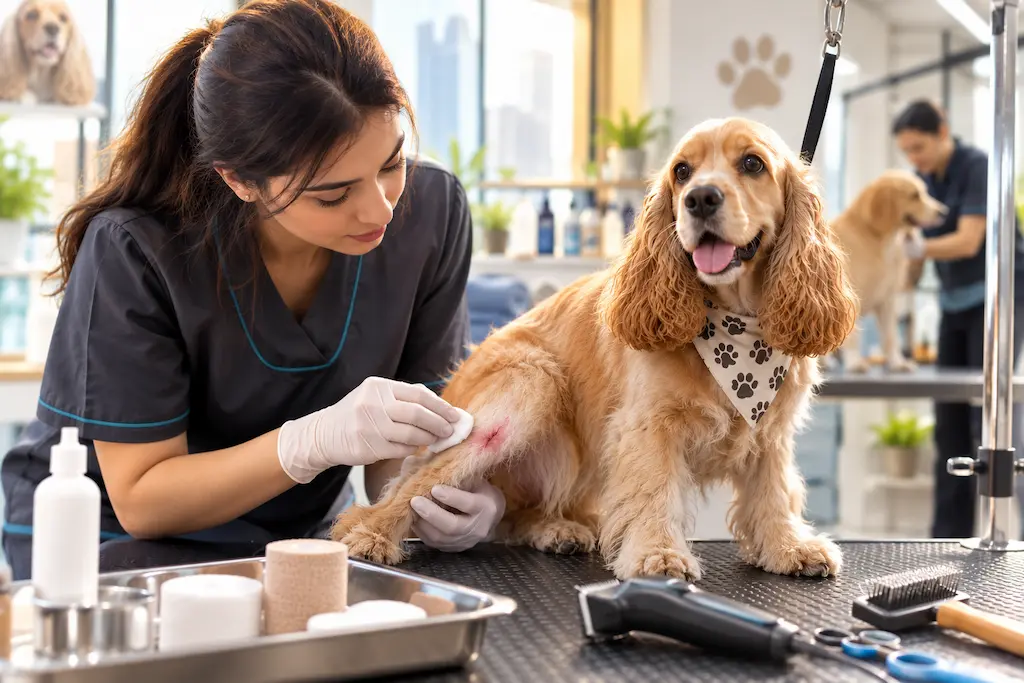
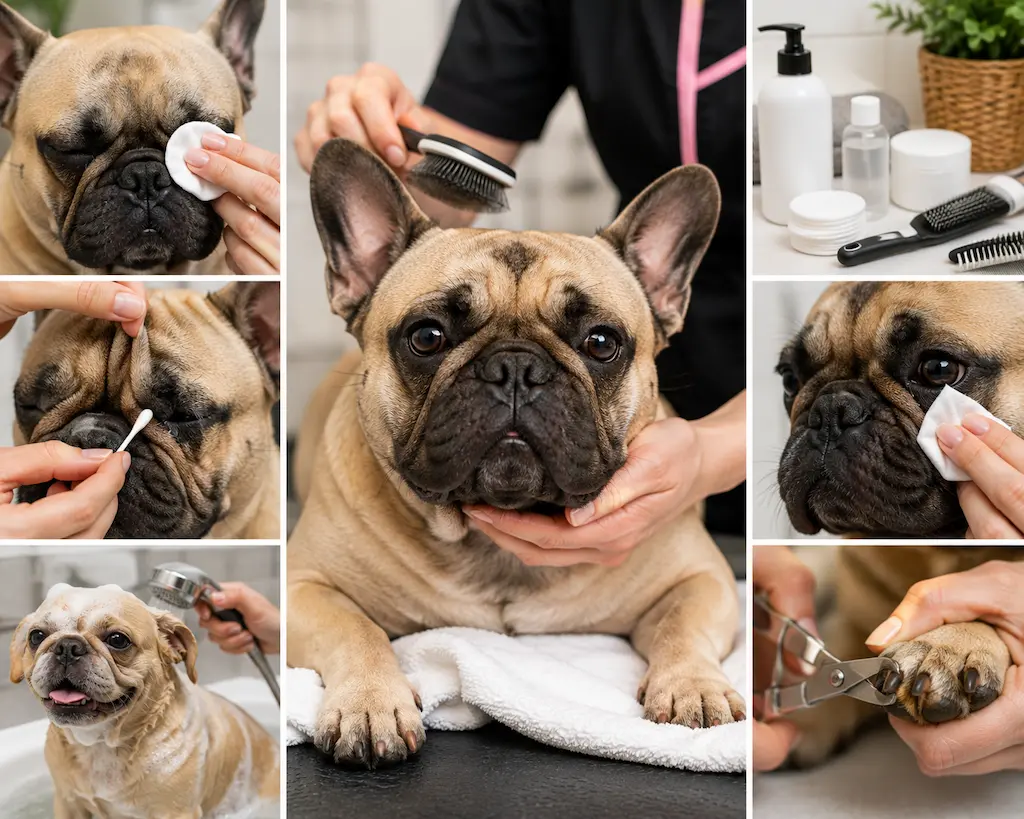
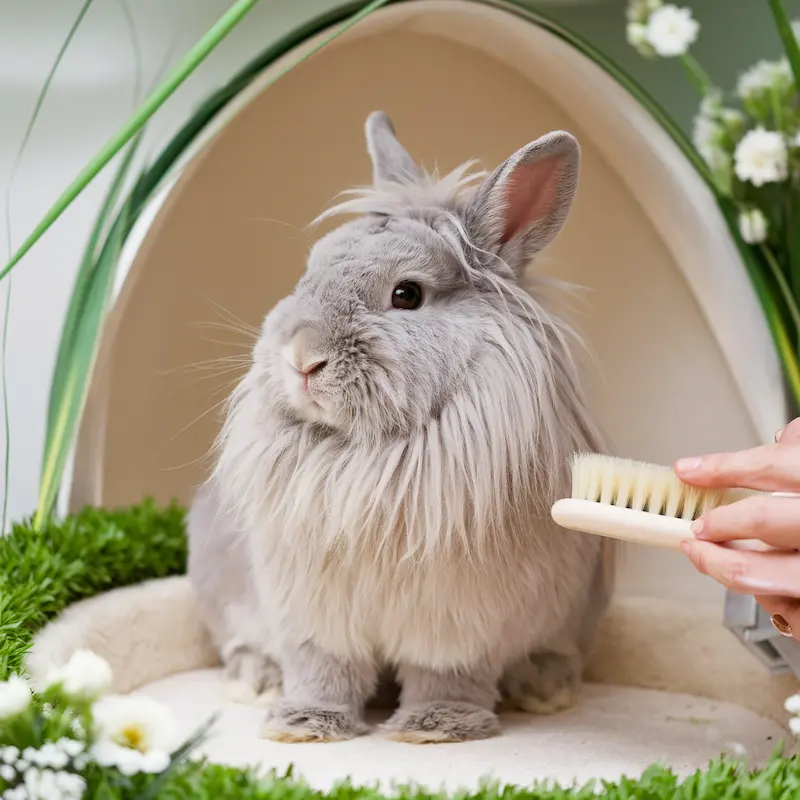
- Keep up regular grooming. Routine brushing and proper baths remove dead skin, spread natural oils, and keep flare-ups under control.
For step five, many owners find that booking professional help makes a real difference. A trained groomer can bathe your dog correctly, use the right products, and spot problems early. If you live in the UAE, expert Pet Grooming in Abu Dhabi can keep your dog’s skin and coat in healthy shape between vet visits.
What Causes Seborrhea in Dogs?
Seborrhea is divided into two groups: primary and secondary. Knowing the difference matters, because it changes how the condition is treated.
Primary seborrhea is inherited. It is passed down in certain breeds and usually appears when a dog is young. This type cannot be cured, but it can be managed well for life.
Secondary seborrhea is far more common. Here, the flaky or oily skin is a symptom of another problem, such as:
- Allergies (food, fleas, or environmental triggers)
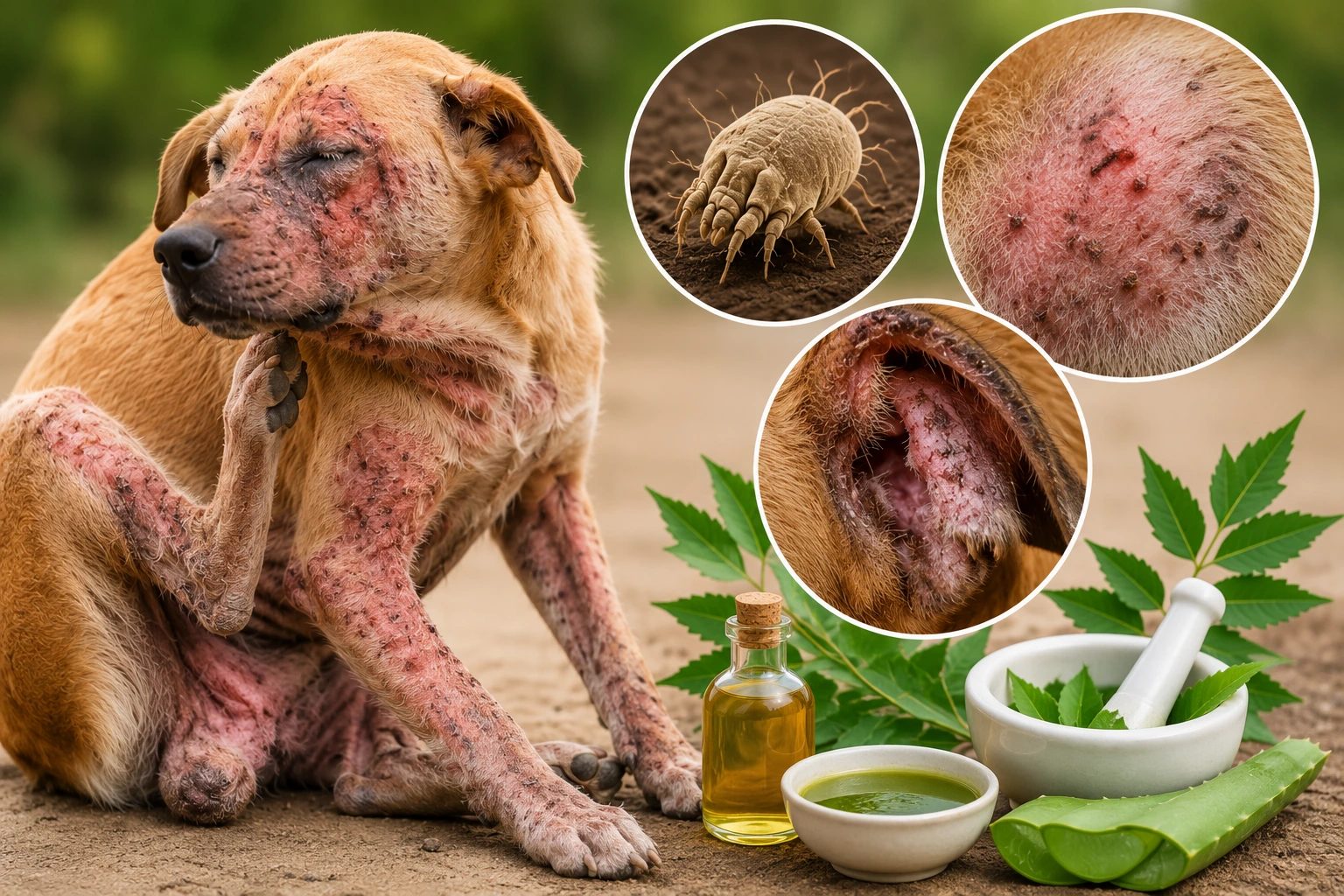
- Parasites like fleas or mange mites
- Skin infections (bacterial or yeast)
- Hormonal disorders such as hypothyroidism or Cushing’s disease
- Poor diet or a lack of healthy fats
- Dry climate or over-bathing
Because the oily, smelly skin is usually a clue rather than the root cause, treating only the surface rarely works. The underlying trigger needs to be found and fixed.
Which Dog Breeds Are Most at Risk?
Some breeds are more prone to primary seborrhea, including:
- Cocker Spaniels
- West Highland White Terriers
- Basset Hounds
- English Springer Spaniels
- Shar-Peis
- Labrador and Golden Retrievers
Signs and Symptoms to Watch For
Most owners spot seborrhea by the way the coat looks, feels, and smells. Watch for these signs:
- Flaky skin or heavy dandruff
- Greasy or waxy coat, often on the back and sides
- A musty or rancid odor, even after bathing
- Itching, scratching, or rubbing
- Crusty patches or scaling, especially around skin folds and the tail
- Hair loss or a thinning coat
- Frequent ear infections
If you notice several of these together, it’s time to look closer.
Is Seborrhea in Dogs Contagious?
No, seborrhea itself is not contagious to people or other pets. You cannot “catch” it, and neither can your other animals.
However, some of the problems that cause it, like mange mites or ringworm, can spread. That’s why a proper diagnosis is so important. A vet can confirm whether the real cause is contagious and treat it correctly.
Expert Insights: Managing Seborrhea Long-Term
In our experience working with pets, seborrhea is rarely a one-time fix. It is a condition you manage rather than cure, especially in breeds with primary seborrhea. The owners who succeed are the ones who build a steady routine and stick to it.
A few expert tips:
- Be consistent with bathing. Too few baths let oils build up; too many strip the skin. Follow your vet’s schedule.
- Don’t ignore the ears. Seborrhea often comes with ear problems, so clean them gently and regularly.
- Track flare-ups. Note when symptoms get worse. This helps your vet find hidden triggers like seasonal allergies.
Pairing home care with regular sessions from a professional groomer gives the best results. Reliable dog Grooming in Abu Dhabi services use medicated baths and gentle handling that are hard to match at home.
How to Prevent Seborrhea Flare-Ups
While you can’t always prevent primary seborrhea, you can reduce flare-ups with smart daily care:
- Feed a balanced diet rich in omega-3 and omega-6 fatty acids.
- Brush your dog several times a week to spread natural oils.
- Use only vet-approved shampoos suited to your dog’s skin.
- Keep up with flea and parasite prevention.
- Book regular grooming to catch early signs of trouble.
Scheduling routine visits with a trusted groomer is one of the easiest ways to stay ahead of skin issues. Professional Pet Grooming in Abu Dhabi can become a key part of your dog’s long-term skin care plan.
Frequently Asked Questions
What does seborrhea smell like in dogs?
Seborrhea often causes a strong, musty, or greasy odor that returns quickly even after a bath. This smell usually comes from excess oil and any secondary yeast or bacterial infection.
Can I treat my dog’s seborrhea at home?
You can manage mild cases at home with medicated shampoos, regular grooming, and omega-3 supplements. Still, you should see a vet to rule out serious underlying causes like hormonal disease or infection.
What can I feed my dog for seborrhea?
A high-quality diet rich in omega-3 fatty acids, healthy proteins, and skin-supporting nutrients helps. Fish oil supplements are a popular, vet-recommended option.
How often should I bathe a dog with seborrhea?
It depends on the severity, but many dogs benefit from a medicated bath once or twice a week at first, then less often as the skin improves. Always follow your vet’s advice.
Does seborrhea go away in dogs?
Secondary seborrhea can clear up once the underlying cause is treated. Primary (inherited) seborrhea does not go away but can be controlled with steady care.
Conclusion
Seborrhea in dogs is a common, manageable skin condition that signals an imbalance in your dog’s natural oils. With the right diagnosis, simple home care, and a consistent grooming routine, most dogs feel and look much better.
Don’t wait for symptoms to get worse. Talk to your vet about the cause, and pair that with steady grooming to protect your dog’s skin and coat. If you want expert support, professional Pet Grooming in Abu Dhabi is a great place to start your dog on the path to healthier skin.