
A healthy cat’s coat usually feels soft, clean and smooth. So, when your cat’s fur suddenly becomes greasy, sticky or clumped together, it’s natural to wonder what’s wrong.
Greasy cat fur can develop when natural skin oils build up or when a cat stops grooming itself properly. Sometimes, the problem is as simple as difficulty reaching certain areas. In other cases, oily fur may be associated with skin conditions, pain or an underlying illness.
The important thing is to understand why your cat’s coat has changed before trying to fix it with bathing or grooming products.
What Does Greasy Cat Fur Look and Feel Like?
Cats naturally produce sebum, an oily substance that helps protect their skin and coat. However, excessive oil or poor self-grooming can leave the fur looking unclean.
You may notice:
- Fur that feels oily, sticky or waxy when touched
- Hair separating into clumps instead of lying smoothly
- A greasy appearance along the back or near the tail
- Dandruff or flaky skin beneath the coat
- An unpleasant smell coming from the fur
- A dull or untidy coat despite your cat staying indoors
The location of the greasiness can sometimes provide useful clues. For example, oily fur around the lower back may appear when a cat struggles to groom that area.
If your cat’s coat has changed suddenly or the greasiness continues, look for other symptoms rather than assuming it is simply a hygiene problem.
Why Does My Cat Have Greasy or Oily Fur?
Several factors can affect the condition of your cat’s skin and coat. Some are related to grooming habits, while others require veterinary investigation.
1. Your Cat Is Not Grooming Properly
Cats spend a significant amount of time cleaning themselves. Their tongues help remove loose hair, dirt and excess oils while distributing natural oils across the coat.
When a cat reduces its grooming activity, oil and dead skin can gradually accumulate.
This may happen because of:
- Excess body weight
- Reduced flexibility
- Pain or discomfort
- Older age and limited mobility
- Illness that makes normal grooming difficult
An overweight cat, for example, may struggle to reach its lower back or the area near its tail. These sections can become noticeably greasy even when the rest of the coat looks normal.
2. Seborrhea and Excessive Skin Oil Production
Seborrhea is a skin disorder associated with abnormal skin scaling and sometimes excessive oil production.
Cats with oily seborrhea may develop greasy fur, flaky skin, crusting or an unpleasant smell. Some also experience redness and itching.
Although inherited forms exist, seborrhea in cats is more often associated with another problem, such as allergies, parasites, infections or hormonal disorders.
A veterinarian can investigate the underlying cause and recommend appropriate treatment. Simply washing the fur may temporarily remove oil without addressing why it keeps returning.
3. Arthritis or Other Painful Conditions
If your cat previously groomed itself regularly but now appears unkempt, discomfort could be responsible.
Cats with arthritis may find it painful to twist their bodies or reach their backs. Dental problems can also make self-grooming uncomfortable.
Watch for changes such as:
- Difficulty jumping onto furniture
- Stiffness after resting
- Reduced activity
- Reluctance to be touched
- Changes in eating or grooming habits
These signs deserve veterinary attention, particularly in older cats.
4. Allergies, Parasites or Skin Infections
Skin irritation can change the condition of your cat’s coat.
Fleas, mites, allergies and certain bacterial or yeast infections may contribute to greasy skin, excessive scaling or changes in grooming behaviour.
Possible warning signs include itching, redness, hair loss, crusts and an unusual smell.
Avoid applying medicated shampoos or parasite treatments without veterinary guidance. Products must be specifically appropriate for cats, and the correct treatment depends on the cause.
5. An Underlying Health Problem
Sometimes, an oily or poorly maintained coat is one of several changes associated with an illness.
For example, hyperthyroidism can affect middle-aged and older cats. Alongside an unkempt or greasy coat, affected cats may lose weight despite eating more, drink more water or become unusually restless.
Other illnesses may also reduce a cat’s energy and willingness to groom.
Greasy fur alone does not diagnose a medical condition. However, a noticeable coat change combined with weight loss, appetite changes, unusual thirst or lethargy should be evaluated by a veterinarian.
6. Diet and Nutritional Imbalances
Good nutrition supports healthy skin and coat maintenance.
Diets lacking appropriate essential fatty acids or other important nutrients can contribute to skin and coat problems, including dullness and scaling.
However, greasy fur does not automatically mean your cat needs more oil or supplements.
If your cat eats a complete and balanced diet, avoid making major dietary changes or adding supplements without professional advice. A veterinarian can help determine whether nutrition is contributing to the problem.
How to Help a Cat With Greasy Fur
The right approach depends on whether your cat simply needs grooming assistance or has an underlying skin or health problem.
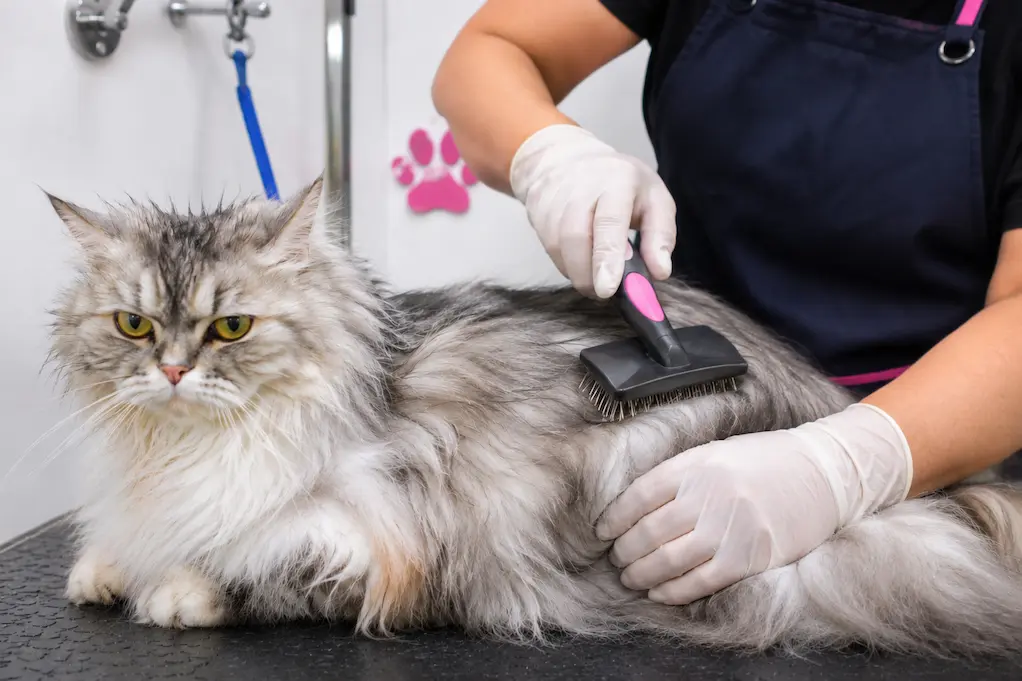
Brush Your Cat Gently
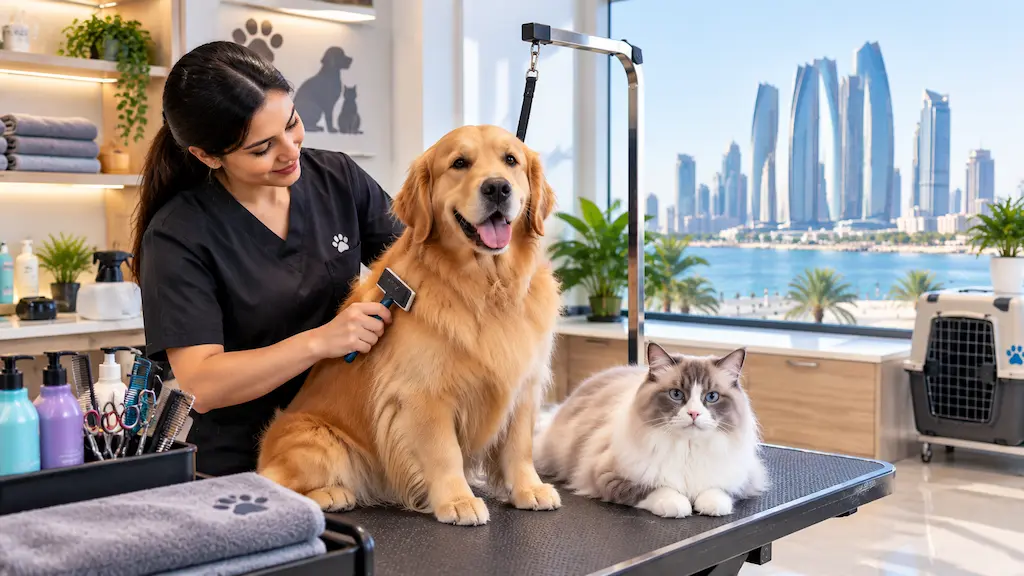
Regular brushing helps remove loose hair, dirt and accumulated debris.
Choose a brush appropriate for your cat’s coat length and condition. For sensitive cats, start with short sessions and allow breaks.
Pay attention to the back and areas your cat may struggle to reach. Avoid pulling through tight mats or brushing over inflamed skin.
If your cat is also shedding heavily, read our guide to cat fur shedding and grooming tips for more advice on maintaining its coat.
Avoid Bathing Too Frequently
You might think a greasy coat needs frequent washing, but most healthy cats do not require regular baths.
Repeated bathing can irritate the skin, especially when unsuitable products are used.
If your cat needs a bath, use only a cat-safe product suitable for its skin condition. Cats with suspected seborrhea, infections or persistent oiliness may need a specific bathing plan prescribed by a veterinarian.
Never use household detergents, essential oils or human shampoo to remove grease from your cat’s fur.
For additional guidance, learn how often to bathe your dog or cat.
Check for Skin Changes
While brushing, gently part your cat’s fur and examine the skin underneath.
Look for:
- Redness or irritation
- Flaky or crusty patches
- Fleas or flea dirt
- Hair thinning or bald spots
- Tender or unusually oily areas
If you notice these signs, avoid scrubbing or applying treatments before seeking veterinary advice.
Help Cats That Struggle With Self-Grooming
Senior, overweight or less mobile cats may need additional assistance maintaining their coats.
Gentle brushing can help keep difficult-to-reach areas clean and reduce tangles.
If your cat has painful joints or limited movement, seek veterinary advice before attempting extensive grooming. Addressing the discomfort is just as important as maintaining the coat.
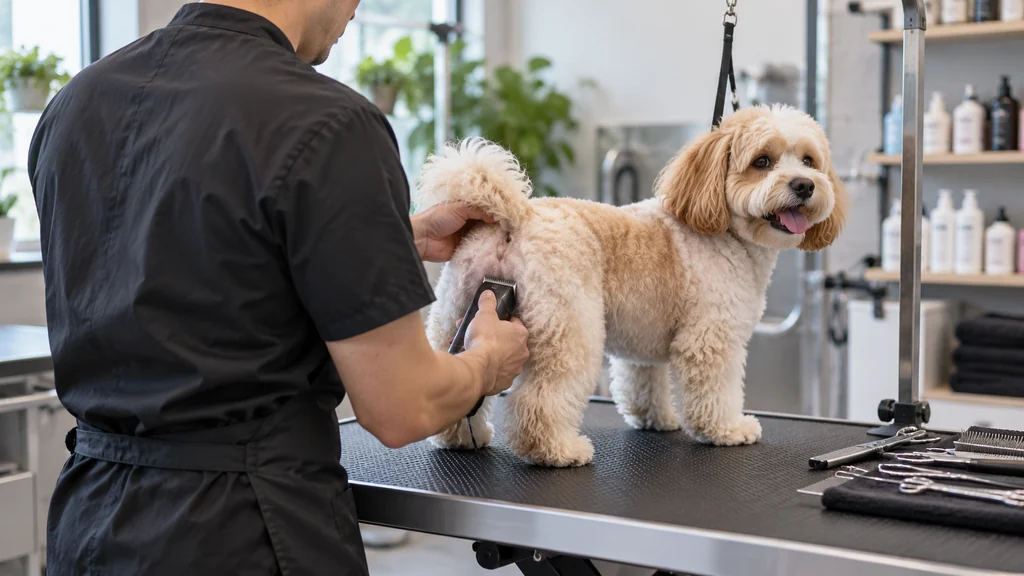
Consider Professional Grooming When Appropriate
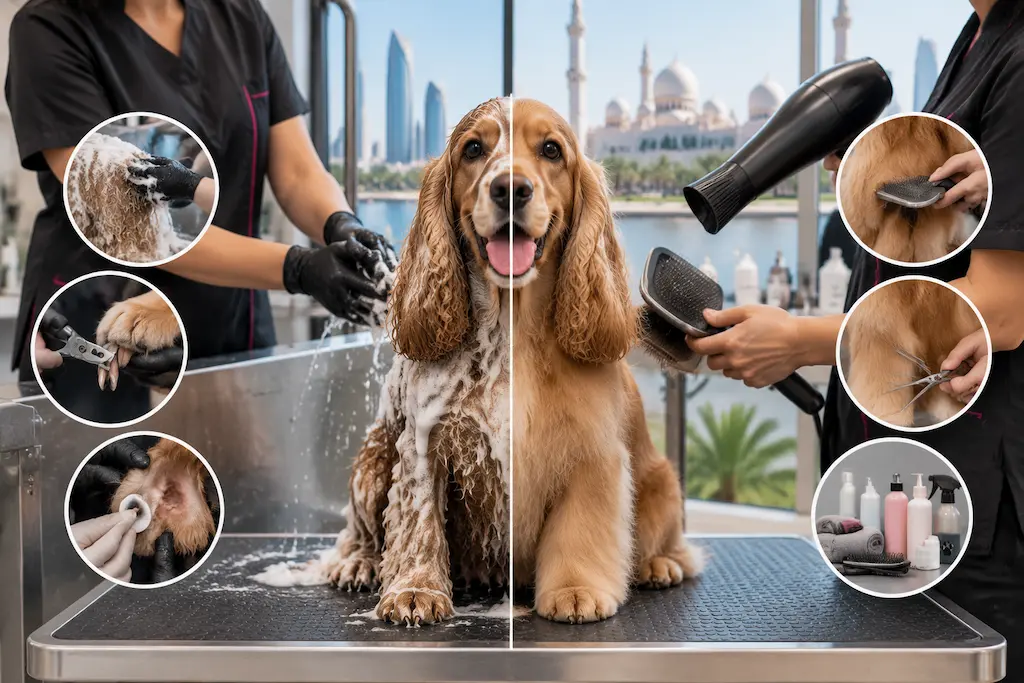
If your cat has accumulated loose hair, mild tangles or difficulty maintaining its coat, professional grooming may help.
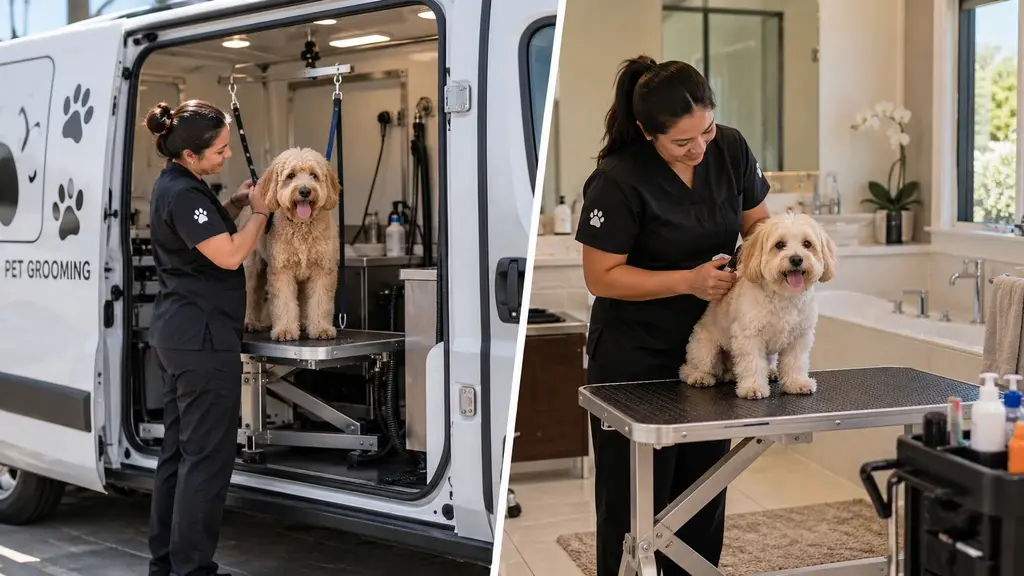
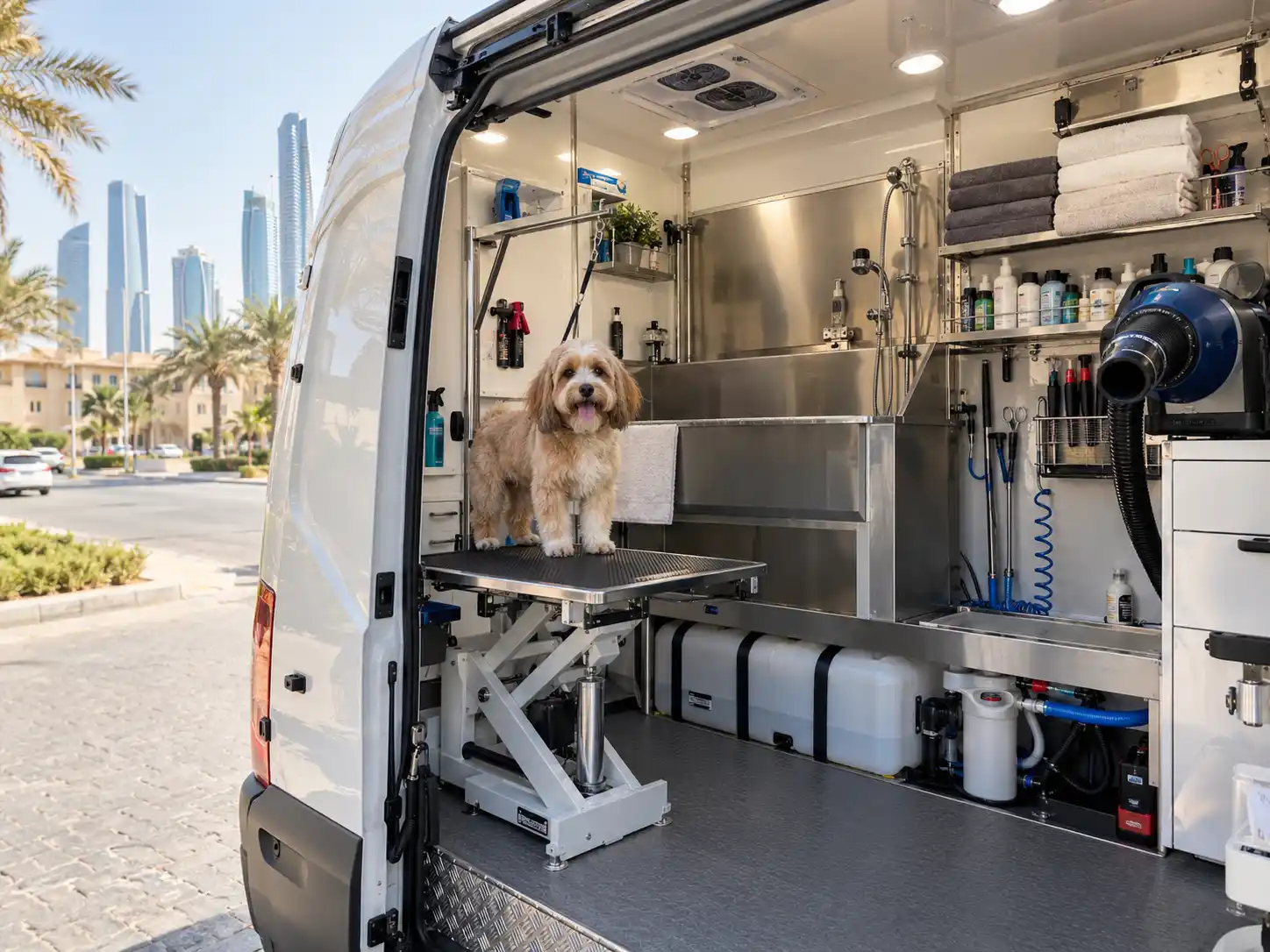
At Groom Room, our cat grooming services in Abu Dhabi include coat brushing, bathing and other grooming services suited to different feline needs.
Our mobile service allows cats to receive grooming close to home, without a trip to a grooming salon.
However, grooming cannot treat medical causes of oily fur. Cats with inflamed skin, unexplained persistent greasiness or signs of illness should receive veterinary assessment before a grooming appointment.
When Should You Take Your Cat to the Vet?
A mildly greasy coat is not always an emergency, but certain changes should not be ignored.
Arrange a veterinary appointment if:
- Your cat’s fur suddenly becomes greasy without an obvious explanation
- The coat remains oily despite appropriate grooming
- Your cat stops grooming itself or seems uncomfortable
- There is persistent itching, redness, crusting or hair loss
- The fur develops a strong or unusual smell
- Your cat loses weight, drinks more water or shows changes in appetite
- You notice stiffness, pain or reduced mobility
Seek urgent veterinary care if your cat also becomes very weak, has difficulty breathing or stops eating, especially if other signs of illness are present.
A veterinarian may examine the skin, check for parasites or infections, and recommend blood tests when an underlying health problem is suspected.
How to Prevent Greasy Fur From Returning
Not every cause of greasy fur can be prevented, but a consistent care routine makes changes easier to notice.
Regularly check your cat’s coat, maintain an appropriate brushing routine, provide a complete and balanced diet, and monitor changes in activity or self-grooming.
Avoid over-bathing, unsuitable shampoos and aggressive brushing. For additional advice on maintaining your cat’s coat safely, explore our cat grooming do’s and don’ts.
If a veterinarian identifies a medical or skin condition, follow the recommended treatment and grooming plan.
Final Thoughts
Greasy or oily fur is a visible change in your cat’s coat, but the cause is not always related to cleanliness. Reduced self-grooming, excess skin oils, discomfort and medical conditions can all contribute.
Start by observing your cat’s grooming habits, checking its skin and providing gentle coat care. If the problem is persistent, sudden or accompanied by other symptoms, consult a veterinarian.
For cats that simply need additional coat maintenance, Groom Room offers professional mobile cat grooming in Abu Dhabi and Al Ain, helping owners keep their pets clean and comfortable with care appropriate to their coat condition.
Frequently Asked Questions
Why is my cat’s fur greasy along its back?
Greasy fur along the back can develop when a cat has difficulty reaching that area during self-grooming. Excess weight, painful joints and certain skin conditions are possible causes. Persistent oiliness should be checked by a veterinarian.
Can I wash my cat’s greasy fur with water?
Plain lukewarm water may remove minor surface dirt, but it may not remove accumulated oils effectively. If bathing is necessary, use an appropriate cat-safe product. Persistent greasy fur or irritated skin should be assessed before using shampoos or treatments.
Why is my older cat’s fur becoming oily?
Older cats may groom less effectively because of arthritis, reduced mobility, dental discomfort or illness. A new change in coat condition deserves attention, especially when accompanied by changes in appetite, weight or activity.
Can greasy cat fur go away on its own?
Mild oil buildup may improve with appropriate brushing if the cause is reduced grooming. However, oiliness caused by skin disease or an underlying medical condition may persist until that problem is treated.
