



Worried because your chubby cat has knots forming along its back and bottom? You’re likely searching for a safe, gentle way to fix the matting without hurting your pet. The good news is that this is a common problem, and it’s completely manageable. In this guide, you’ll learn why it happens, how to remove mats safely, and how to stop them from coming back, plus when it’s smart to book professional cat grooming in Dubai for tighter mats you shouldn’t tackle at home.
Why Overweight Cats Stop Grooming Their Back and Rear
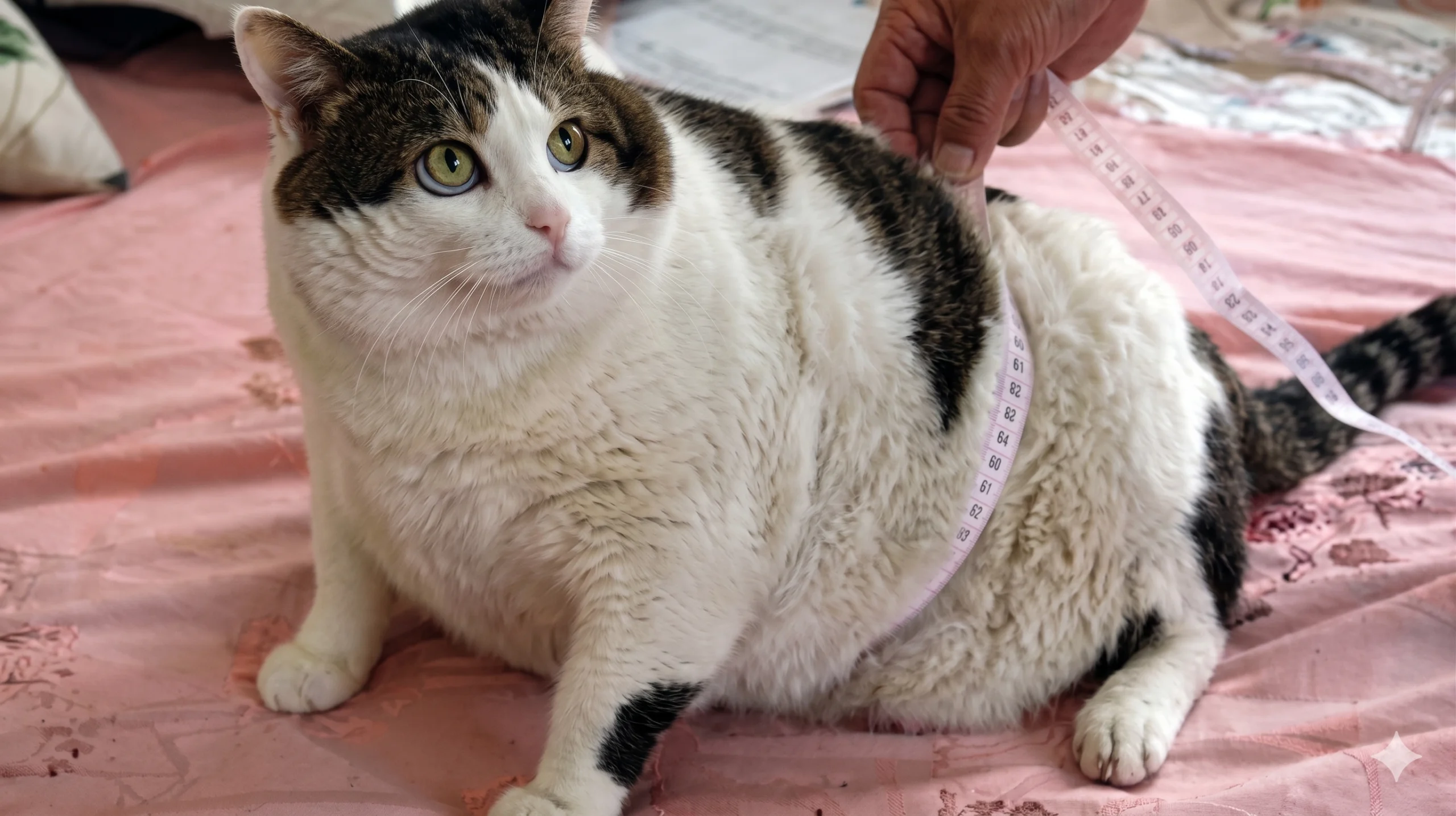
Overweight cats develop matting on the back and rear because they physically can’t twist or stretch far enough to clean those areas. Healthy cats groom up to half their waking hours. But extra body weight limits flexibility, so the spine, lower back, and area near the tail get missed. Over time, loose fur tangles, traps dander, and forms tight mats against the skin.
This isn’t your cat being lazy. It’s a mobility issue. The same way a person with a stiff back struggles to reach their own shoulder blades, a heavy cat simply can’t curl around to lick those spots.
Common reasons grooming breaks down include:
- Excess weight that reduces range of motion
- Arthritis or joint pain, which often comes with extra weight
- Older age, when flexibility naturally drops
- Long or thick coats that tangle faster
- Dental pain, which makes licking uncomfortable
Why Mats Are More Than Just a Cosmetic Problem
Mats aren’t only ugly. They pull tight on the skin and can cause real pain. Tight matting can trap moisture, hide skin infections, and even cut off airflow to the skin. In severe cases, the skin underneath becomes red, raw, or infected.
Watch for these warning signs:
- Bad smell coming from the matted area
- Flaky, red, or broken skin
- Your cat flinching or biting when touched
- Stuck stool or debris near the rear (called “dingleberries”)
- Restlessness or hiding
If you notice open sores or your cat seems to be in pain, it’s best to let a professional handle it rather than cutting at home. If you’re in the UAE, a trusted Pet Grooming In Abu dhabi service can safely remove dangerous mats with proper tools and a calm, experienced touch.
How to Safely Remove Mats at Home
For small, loose mats, you can often help at home. Always go slow and stay gentle. Never use scissors blindly, because a cat’s skin is thin and easy to nick.
Follow these steps to loosen and remove a mat safely:
- Calm your cat first pick a quiet moment when they’re relaxed.
- Find the edges of the matwith your fingers so you know where skin begins.
- Hold the base of the mat close to the skin to avoid pulling.
- Use a mat splitter or wide-tooth comb to gently tease the tangle apart.
- Work from the outside in, breaking the mat into smaller pieces.
- Sprinkle a little cornstarch on stubborn knots to help fibers slide apart.
- Reward your cat with treats and breaks so it stays a good experience.
If a mat is tight against the skin or close to the rear, stop. That area is too sensitive to risk. A professional groomer can shave it off safely in seconds.
Expert Insights: What Groomers and Vets Recommend
Experienced groomers agree that prevention beats removal every time. Once a coat is heavily matted, shaving is usually the kindest option, since brushing through severe mats causes pain.
Many vets also point out that matting is often a signal of an underlying health issue. A sudden drop in grooming can mean your cat is in pain, overweight, or unwell. So treating the coat is only half the job. The other half is helping your cat get healthier so it can groom itself again.
Professionals often suggest a “sanitary trim” or “lion cut” for heavy or long-haired cats that struggle to stay clean. This keeps the back and rear short and tangle-free, making daily life far more comfortable.
A Simple Daily and Weekly Care Routine
Building a routine keeps mats from forming in the first place. Brushing two to three times a week is usually enough to prevent matting on the back and rear.
| Frequency | Task |
|---|---|
| Daily | Quick check of back and rear for tangles |
| 2–3x weekly | Brush coat with the right tool |
| Weekly | Wipe rear area clean if needed |
| Monthly | Trim long fur near the bottom |
| As needed | Professional grooming visit |
Choose the right tool for your cat’s coat. A slicker brush works well for tangles, while a stainless-steel comb catches knots early. A grooming glove is great for cats that dislike brushes.
How to Prevent Future Matting
Long-term, the best fix is helping your cat reach a healthier weight and supporting its grooming.
Try these prevention tips:
- Manage your cat’s weight with vet-approved portions and play
- Brush regularly, focusing on the spine and rear
- Keep long coats trimmed around the bottom
- Check for arthritis, since pain limits movement
- Stay on top of dental health, so licking stays comfortable
- Book routine grooming for cats that can’t self-clean
Even small weight loss can restore some flexibility, allowing your cat to groom more of its own body again.
Frequently Asked Questions
Why can’t my fat cat clean its bottom?
Extra weight limits how far a cat can twist and stretch. The back and rear are the hardest spots to reach, so they’re usually the first to mat or stay dirty.
Is it safe to cut a mat off my cat with scissors?
No, it’s risky. Cat skin is thin and often lifts into the mat, so scissors can easily cut the skin. Use a mat splitter or comb, or visit a groomer for tight mats.
How often should I brush an overweight long-haired cat?
Aim for at least two to three times a week. Daily quick checks of the back and rear help you catch tangles before they turn into mats.
Will my cat groom itself again after losing weight?
Often, yes. As flexibility improves, many cats return to cleaning more of their body. Still, regular brushing support helps, especially for senior cats.
When should I see a vet about matting?
See a vet if the skin is red, smelly, or sore, if mats keep returning, or if your cat seems painful. Matting can hide infections and signal health problems.