
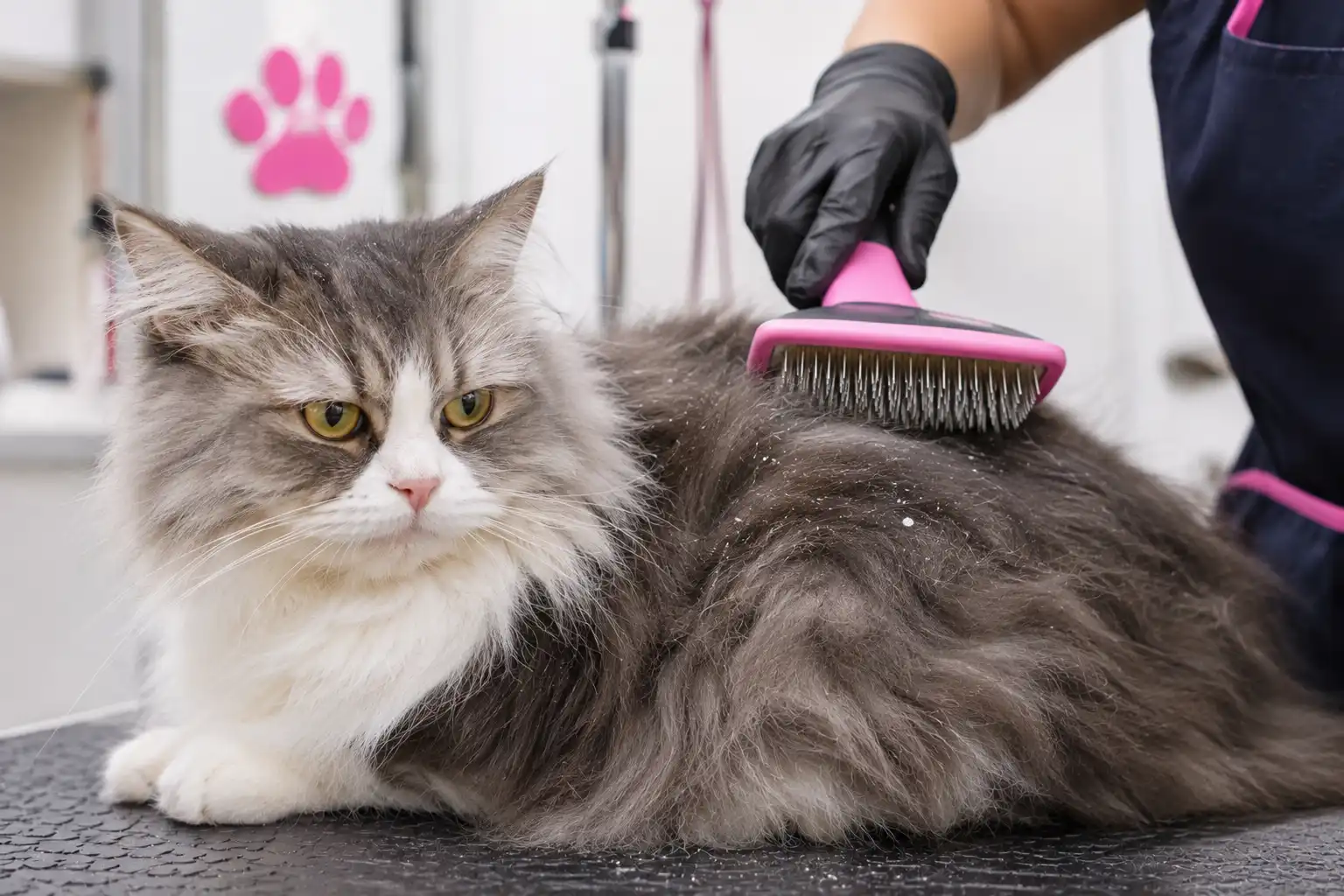
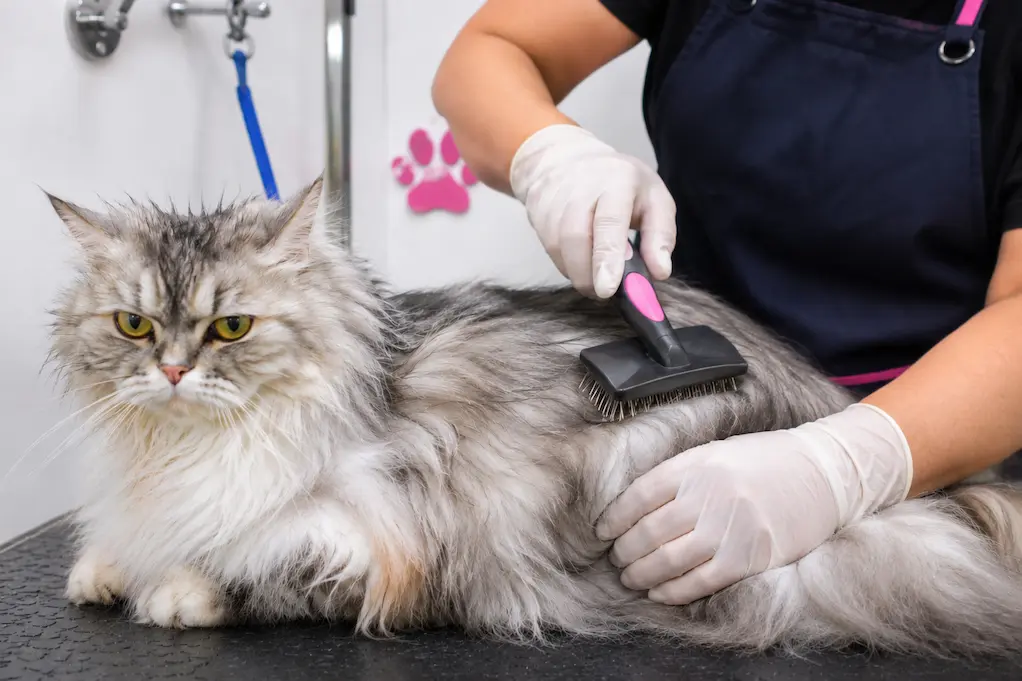




I’ve bathed a lot of cats. And if there’s one thing years at the grooming table have taught me, it’s this: a cat can spend half her day grooming herself and still end up with a coat that’s dusty, oily, and faintly musty to the touch.
Owners are often surprised by that. “She grooms constantly,” they’ll say, as I work the first lather through a coat that’s clearly been holding onto more than a tongue can shift. The truth is, self-grooming has limits and in a hot, dusty climate, those limits are reached fast. That’s where the best smelling cat shampoo does real work: not just leaving a cat fresh and cuddle-ready, but supporting the healthy skin and coat underneath.
Here’s what I’ve learned about choosing the right shampoo and keeping your cat genuinely clean.
Why cat shampoo matters (more than owners think)
Cats are fastidious, but self-grooming only reaches so far. On the table, I regularly see coats carrying a build-up of dirt, oils, and allergens that leads to:
- Matted fur the first thing my hands find on long-haired cats
- Odor that lingers no matter how much the cat licks
- Dandruff and dry, flaky skin
- Allergic reactions in the cat and the owner
The right shampoo cleans all of that away and leaves a light, cat-safe fragrance behind. That’s the part owners love: a cat that’s actually pleasant to bury your face in.
Why Abu Dhabi’s climate works against a clean coat
Working with cats here, I see the same climate patterns again and again even in strictly indoor cats:
- Heat and humidity let oils and odor build up faster than they would elsewhere.
- Fine desert dust drifts in and settles deep into the coat.
- Non-stop air-conditioning dries the skin, which shows up as dandruff and a dull coat.
So the “best smelling” question isn’t vanity here, it’s practical. In this environment, the right shampoo and a sensible bathing rhythm genuinely change how fresh a cat stays between grooms.
What I look for in a cat shampoo
When owners ask me what to buy, I point them to four things:
- pH-balanced for cats; non-negotiable for their sensitive skin
- Natural ingredients; aloe vera, oatmeal, chamomile
- Hypoallergenic; for the sensitive and allergy-prone
- A safe, subtle fragrance: pleasant, never overpowering
Get those four right and you have both freshness and safety.
The ingredients I trust (and the ones I avoid)
These are the ingredients I actually like to see on a label and what each does on the coat:
| Ingredient | What it does on the coat |
|---|---|
| Oatmeal | Calms itchy, dry skin |
| Aloe vera | Moisturizes and soothes irritation |
| Coconut oil | Brings out coat shine |
| Lavender or chamomile | Adds gentle fragrance without irritation |
Please don’t use your own shampoo on your cat
This one comes up on almost every visit, so let me be direct: human shampoo is not safe for cats.
Here’s the reason, the way I explain it at the table:
| Human skin | Cat skin | |
|---|---|---|
| Natural pH | More acidic (~5.5) | More neutral (~6–7) |
| Wrong product = | — | Dryness, irritation, even hair loss |
| Formulated for | Human scalp & hair | Feline skin chemistry |
Your shampoo is simply too acidic for a cat’s skin. If you want the full veterinary breakdown, we cover it here: bathing cats with human shampoo. Cats need a formula built for their skin, nothing borrowed from the human bathroom shelf.
Where professional grooming earns its keep
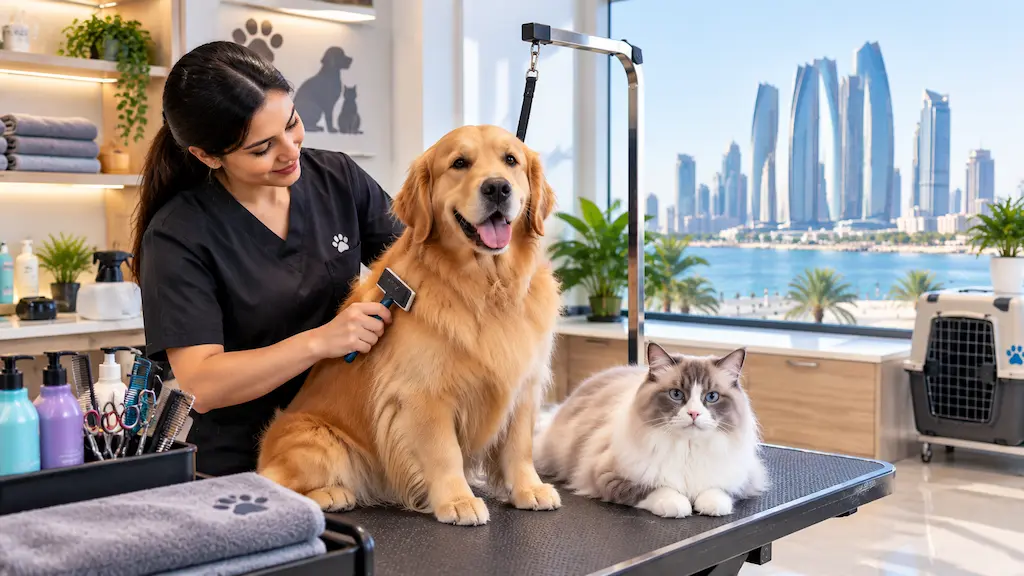
I’ll be honest plenty of owners bathe their cats at home just fine. But a professional groom adds two things that are hard to replicate: the products and the handling.
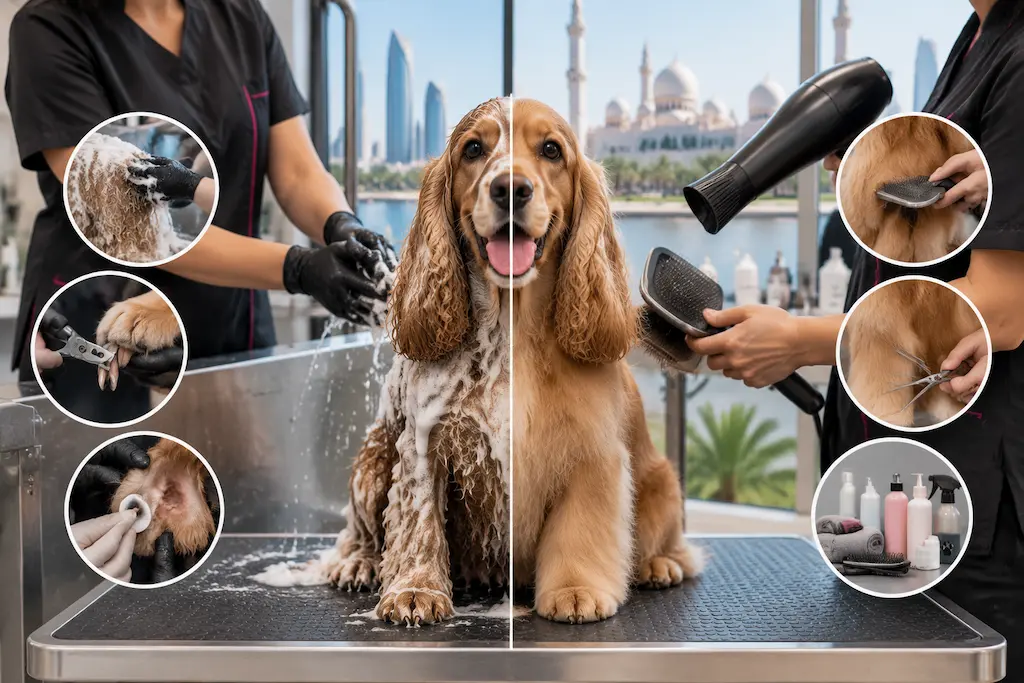
A wary cat that would shred a bathroom at home will often settle for an experienced groomer who knows how to hold, reassure, and move quickly. Our pet grooming services in Abu Dhabi use premium shampoos that are aromatic and gentle, the salon-quality finish that keeps a cat smelling clean far longer than a rushed home bath.
What regular grooming actually gives you
From what I see week to week, a good shampoo plus a routine delivers:
- Shinier, healthier coats
- Less shedding and matting
- Lower risk of skin infections
- A fresher-smelling home
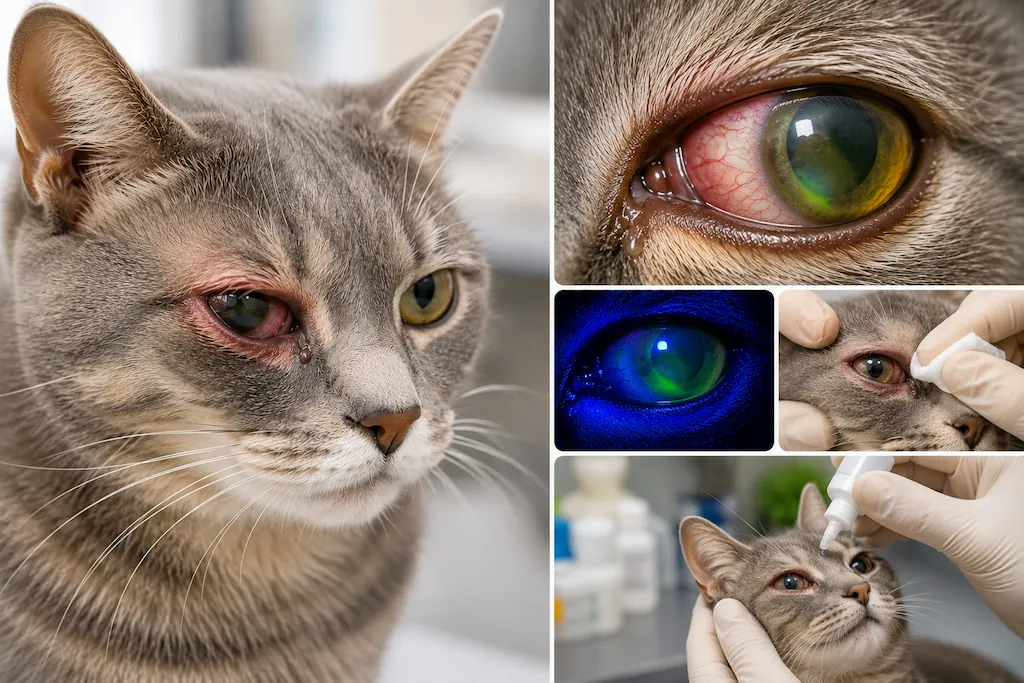
And there’s a benefit owners don’t expect: routine grooming is early detection. My hands and eyes catch things a busy owner misses flaking, hot spots, and even eye trouble like cat eye ulcers, which are far easier to treat when spotted early.
Not sure how often your cat needs bathing? Our cat grooming Abu Dhabi team will give you a straight answer based on breed, coat length, and health.
How often should you actually bathe a cat?
Here’s my rule of thumb from the table:
- Most cats: a bath every 4–6 weeks is plenty
- More often for long-haired cats, cats with skin conditions, or the ones who find something messy to roll in
- After every bath: watch how your cat behaves any sign of stress or irritation is worth noting
Frequently asked questions
What is the best smelling cat shampoo?
The best one for your cat is a pH-balanced, cat-specific formula with a gentle natural scent think oatmeal, aloe vera, or a touch of chamomile. I always tell owners to prioritise a mild, lasting freshness over a strong perfume; anything overpowering usually means heavy fragrance chemicals I’d rather keep off sensitive skin.
Can I use human shampoo on my cat?
No, and it’s the correction I make most often. Human shampoo is far too acidic for feline skin and can cause dryness, irritation, or even hair loss. Cats need a formula built for their skin chemistry. We explain the full reasoning in our post on bathing cats with human shampoo.
Do cats really need shampoo if they groom themselves?
Self-grooming helps, but it doesn’t remove built-up dust, oils, and dander and in Abu Dhabi’s dusty, humid climate it builds up fast, even for indoor cats. An occasional proper bath with the right shampoo keeps the coat and skin genuinely healthy.
Is scented cat shampoo safe?
Yes, as long as the fragrance comes from cat-safe, natural sources and isn’t overwhelming. Avoid anything loaded with artificial dyes, sulfates, or parabens, those are the ingredients I steer owners away from.
How often should I bathe my cat?
For most cats, every 4–6 weeks is plenty. Long-haired cats, cats with skin conditions, or messy adventurers may need more. Over-bathing does more harm than good, so don’t overdo it.
My cat hates baths, what should I do?
You’re not alone, and honestly this is where a professional earns their keep. Keeping a nervous cat calm through a full bath is a handling skill. If home baths are a battle, our cat grooming Abu Dhabi team can take it off your hands.
Conclusion
Choosing the best smelling cat shampoo was never really about perfume, it’s about your cat’s skin, coat, and comfort. Reach for pH-balanced, natural formulas, leave the human shampoo alone, and lean on a professional whenever you’re unsure.
Do that, and your cat stays clean, comfortable, and genuinely nice to cuddle, which, after all these years, is still my favourite part of the job.