
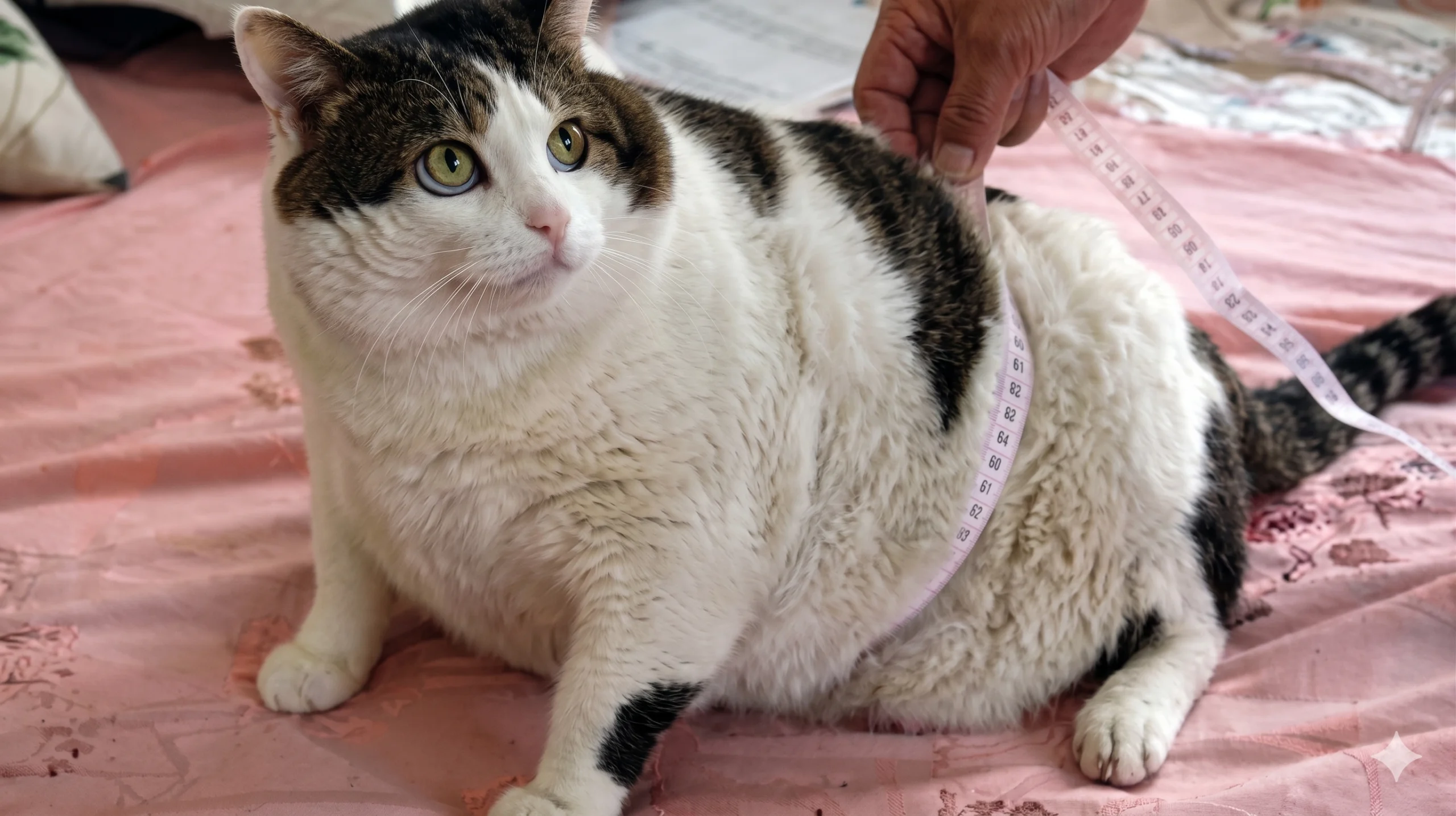

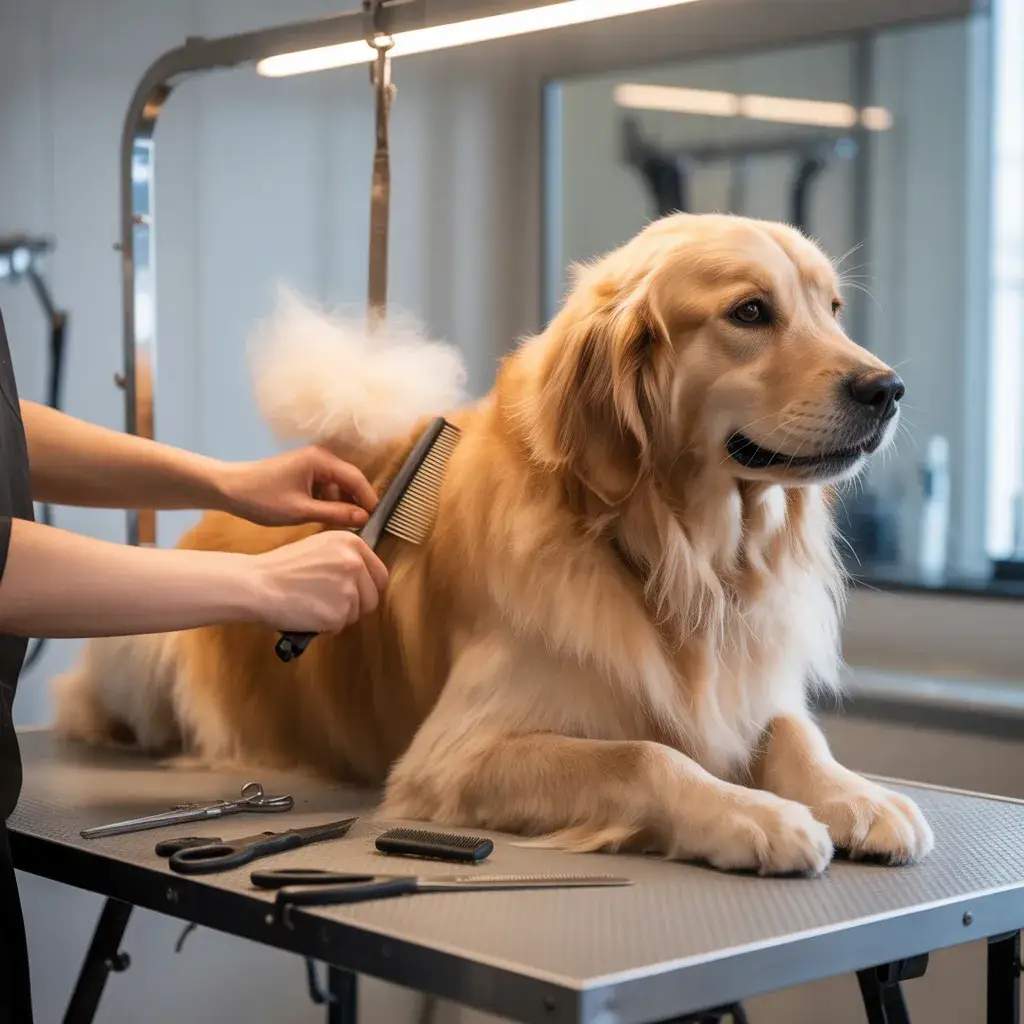
She came in on a Tuesday as a booking for a de-shed, and I knew before she was out of the carrier.
A Persian, cream-coloured, and the fur down her spine had that particular dull, separated look not greasy, not matted, just tired. Her owner had found her covered in coconut oil two weeks earlier, panicked at 9 PM on a weeknight, and used the bottle in her own shower. Twice, because the first wash didn’t seem to shift it.
By the time I got hands on her, the skin along her flanks was pink and flaking, and she’d worn a thin patch behind one ear from scratching.
Nothing catastrophic happened. No emergency vet visit, no lasting damage. But that coat took the better part of a month to come right, and the owner spent it feeling awful because the problem was never the coconut oil. It was what came after.
I see some version of this every few weeks. So if you’ve ever stood in a bathroom holding a squirming cat and a bottle of your own shampoo, wondering whether it’s really that big a deal here’s the honest answer, and what to do instead.
No, you should not bathe a cat with human shampoo. Human shampoo is formulated for skin with a pH around 5.5, while a cat’s skin sits closer to neutral (roughly pH 6.4–7.5). Using it strips protective oils, dries the skin barrier, and leaves residue your cat will swallow while grooming. Always use a cat-specific or vet-recommended shampoo instead.
Human Shampoo vs. Cat Shampoo: The Difference at a Glance
| Factor | Human Shampoo | Cat-Specific Shampoo |
|---|---|---|
| Target skin pH | ~5.5 (acidic) | ~6.4–7.5 (near neutral) |
| Detergent strength | Strong sulfates (SLS/SLES) | Mild, low-foaming surfactants |
| Fragrance & dyes | Common, often heavy | Minimal or none |
| Essential oils | Frequently added | Avoided (many are toxic to cats) |
| Ingestion risk | Not tested for licking | Formulated assuming grooming |
| Rinse-out profile | Designed for hair, not fur density | Designed for dense double coats |
That last row matters more than people expect. Cat fur is far denser than human hair, a domestic cat carries roughly 60,000 hairs per square inch on the back. Shampoo built for a scalp doesn’t rinse cleanly out of that, and whatever stays behind ends up on your cat’s tongue.
Why Human Shampoo Is Unsafe for Cats
1. The pH Balance Problem
This is the reason most often cited and it’s backed by actual measurement, not just marketing copy.
Human shampoos target a skin pH of about 5.5, which is slightly acidic. Cats sit noticeably higher on the scale. Repeatedly washing with an acidic formula shifts that surface pH, and the acid mantle that keeps bacteria and yeast in check stops doing its job properly. Irritation and dryness follow.
2. Harsh Detergents
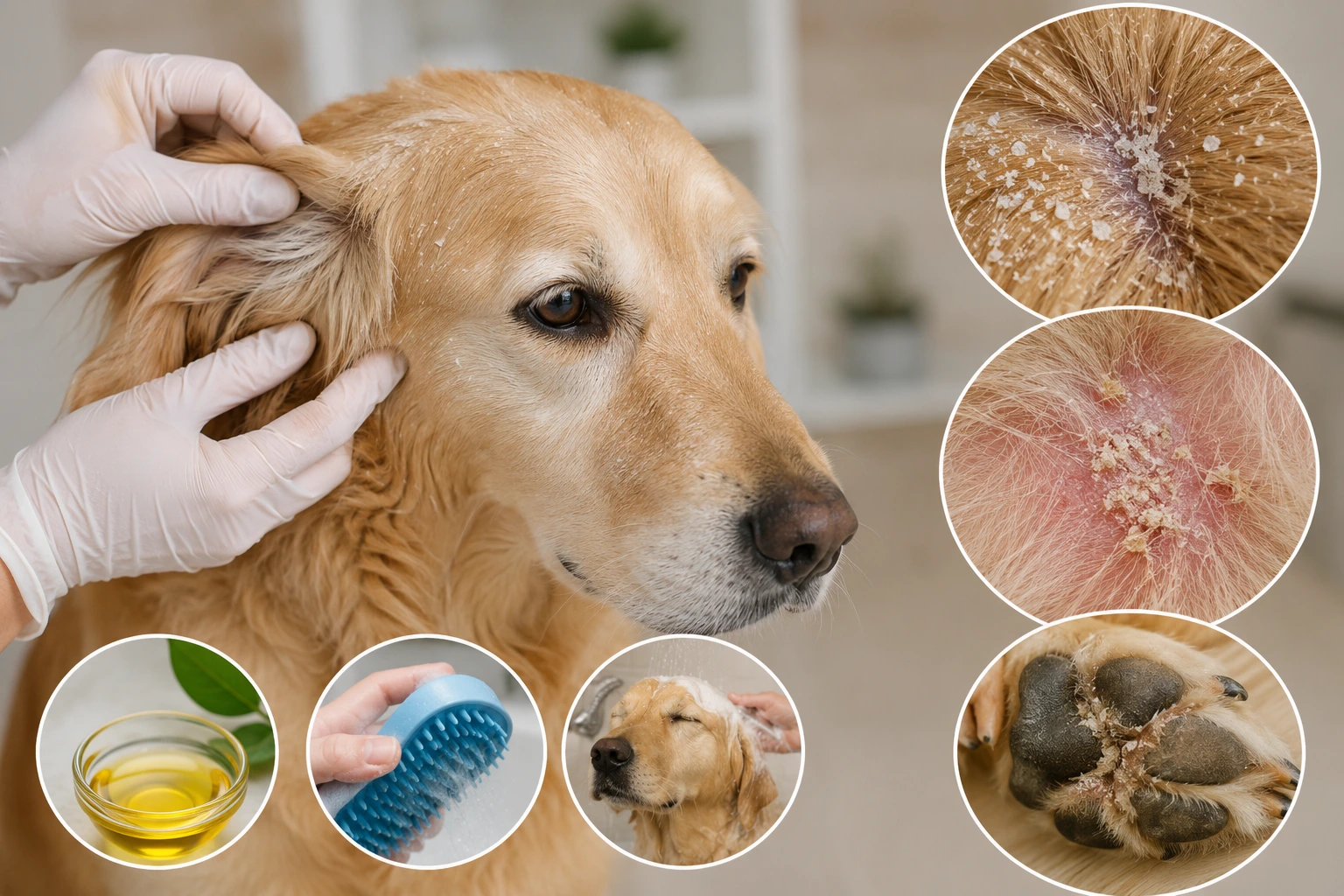
Sulfates, synthetic fragrances, and parabens are engineered to cut through scalp sebum. On a cat, the same detergents strip the sebum layer that waterproofs the coat and keeps the skin supple. A dull, brittle-looking coat after a bath is usually this, not “dirty fur.”
3. Ingredients That Are Toxic to Cats Specifically
Cats lack certain liver enzymes (particularly glucuronyl transferase) that other mammals use to break down common compounds. This is why ingredients that are unremarkable in a human product become a genuine problem in a feline one:
What the Research Actually Shows
Most articles on this topic assert the pH claim and move on. Here’s the published evidence behind it, plus what happens at the severe end of the scale.
Case Study 1; Measuring Feline Skin pH (Szczepanik et al., 2011)
Researchers at the University of Life Sciences in Lublin examined 20 healthy shorthaired European cats, measuring transepidermal water loss, skin hydration, and skin pH across five body regions: lumbar, axillary fossa, inguinal, ventral abdomen, and left thorax.
Finding: Skin pH ranged from 6.39 (lumbar region) to 6.64 (inguinal region) roughly a full point above the 5.5 that human shampoo is formulated for. Because the pH scale is logarithmic, that gap represents close to a tenfold difference in acidity.
Why it matters for you: the “wrong pH” warning isn’t a vague caution. There’s a measured, order-of-magnitude mismatch between what’s in your shower and what your cat’s skin expects.
Case Study 2; When the Wrong Product Is Genuinely Dangerous (Boland & Angles, 2010)
A referral hospital in Sydney, Australia retrospectively reviewed 42 cases of feline permethrin toxicity. In 41 of those cases, a product manufactured for dogs had been applied to a cat.
Clinical signs recorded:
| Sign | % of cats affected |
|---|---|
| Tremors / muscle fasciculations | 86% |
| Twitching | 41% |
| Hyperaesthesia | 41% |
| Seizures | 33% |
| Fever (pyrexia) | 29% |
| Drooling (ptyalism) | 24% |
| Temporary blindness | 12% |
Complications occurred in 33% of cases. Roughly half the cats had been exposed to a product bought from a supermarket.
A separate review of 286 cases reported to the Veterinary Poisons Information Service in London found 96.9% of exposed cats became symptomatic, with convulsions lasting an average of 38.9 hours.
Why it matters for you: human shampoo causes irritation. Dog flea shampoo can cause a medical emergency. People conflate the two questions, they are not the same risk level, and the second one kills cats.
Risks of Bathing Cats With Human Shampoo
What you’re realistically looking at, in order of how often it happens:
- Dry, flaky skin and persistent itchiness the most common outcome, usually visible within 24–72 hours
- Over-grooming and excessive scratching which then creates secondary trauma
- Dull coat or patchy hair loss from sebum stripping plus self-inflicted damage
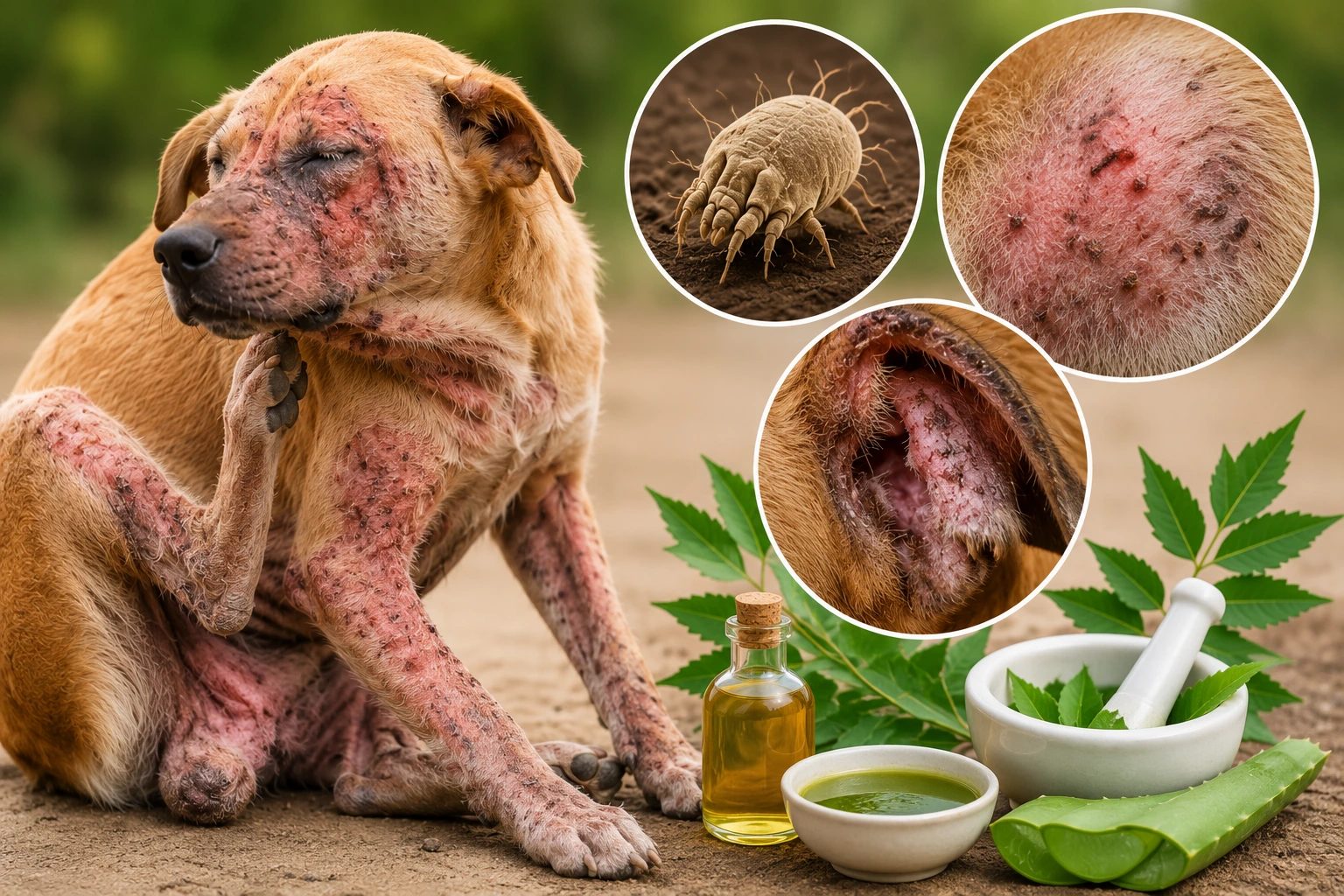
- Contact allergic reaction redness, rashes, hot spots
- Toxic ingestion from residue swallowed during post-bath grooming
- Compromised skin barrier with repeated use, opening the door to bacterial and fungal infection
When Does a Cat Actually Need a Bath?
Healthy cats spend up to half their waking hours grooming, and most never need a bath at all. Reach for one only when there’s a specific reason:
- Fur is oily, sticky, or coated in something she shouldn’t ingest
- Active flea infestation, under vet guidance
- A skin condition where a vet has prescribed medicated washing
- Long-haired breeds, Persians, Ragdolls, Maine Coons prone to matting
- Senior, obese, or arthritic cats who can no longer reach parts of their body
- She looks a bit dusty
- On a routine weekly or monthly schedule for no clinical reason
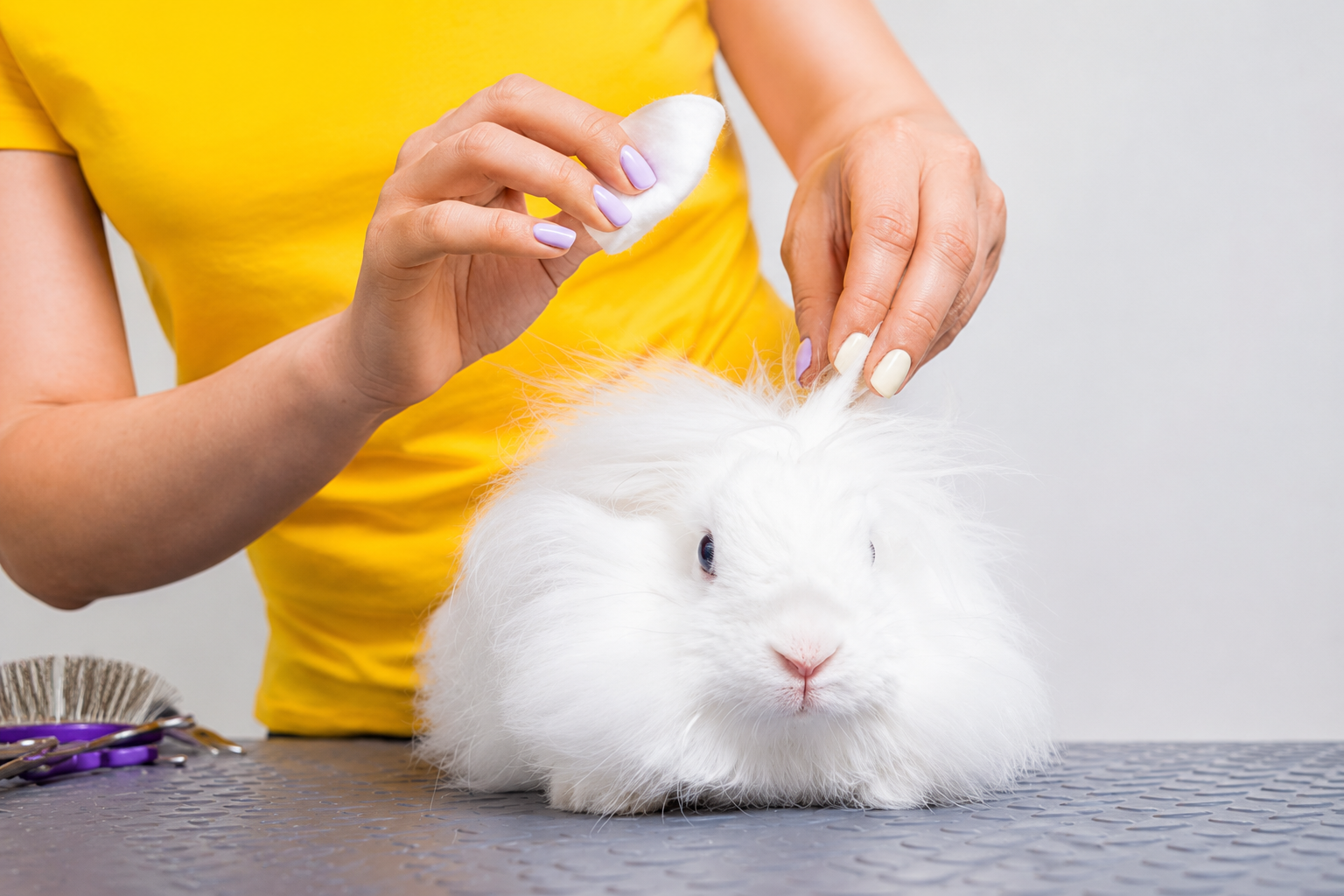
For long-haired breeds where matting is a recurring problem, a bath is only half the job the mats need working out properly before and after. Professional cat grooming in Abu Dhabi handles the de-matting and coat management alongside the wash, which is usually the part owners struggle with at home.
Vet-Approved Alternatives to Human Shampoo
1. Cat-Specific Shampoos
Formulated to the right pH with gentle surfactants. Clean effectively without dismantling the coat’s oil layer. This is the default answer for almost every situation.
2. Medicated Shampoos
Prescribed by a vet for dandruff, ringworm, bacterial dermatitis, or allergic skin disease. Follow the contact time on the label exactly most need to sit on the skin for several minutes to work, and rinsing early wastes the treatment.
3. Waterless / Dry Shampoos
Foams, sprays, and powders for cats who genuinely panic around water. Ideal for spot-cleaning a single dirty patch rather than a full-body wash.
4. Emergency Stopgaps
No cat shampoo in the house and something needs to come off now? Lukewarm water and a soft cloth, or vet-approved pet wipes. Temporary only replace with a proper product as soon as you can.
How to Safely Bathe a Cat
Before you start, have ready: cat shampoo, two towels, a jug or handheld sprayer, a non-slip mat, and a brush.
| Step | What to do | Why |
|---|---|---|
| 1 | Brush thoroughly first | Wet mats tighten and become almost impossible to remove |
| 2 | Fill a sink or shallow tub with 3–4 inches of lukewarm water (~38°C) | Deep water triggers panic; hot water burns thin feline skin |
| 3 | Wet from the neck down, avoiding face and ears | Water in the ear canal invites infection |
| 4 | Apply a small amount of cat-safe shampoo, massage with the grain | Working against the grain tangles the undercoat |
| 5 | Rinse until the water runs completely clear, then rinse once more | Residue is the single most common cause of post-bath itching |
| 6 | Towel-dry, then a pet dryer on low if tolerated | Damp undercoat leads to hot spots and chilling |
Kittens and Human Shampoo
Kittens are more vulnerable than adult cats on every axis that matters here:
- Their skin barrier is thinner and more permeable, so more of any chemical is absorbed
- Their liver’s detoxification pathways are still immature
- Their surface-area-to-body-weight ratio is high, so the same volume of product represents a much larger dose
- They chill dangerously fast when wet
Under 8 weeks old, don’t bathe at all unless a vet instructs you to use a warm damp cloth for spot cleaning. Above that age, use a kitten-specific or vet-approved product, keep the room warm, and dry completely.
What If You Already Used Human Shampoo?
Don’t panic. Work through this:
Immediately:
- Rinse the coat thoroughly with lukewarm water rinse longer than feels necessary
- Dry your cat completely and keep her warm
- Stop her grooming the area for the next hour if you can (a distraction, a meal, play)
Over the next 48–72 hours, watch for:
- Scratching, head shaking, or licking one spot repeatedly
- Redness, bumps, or flaking
- Drooling, vomiting, or loss of appetite
Grooming Beyond Baths
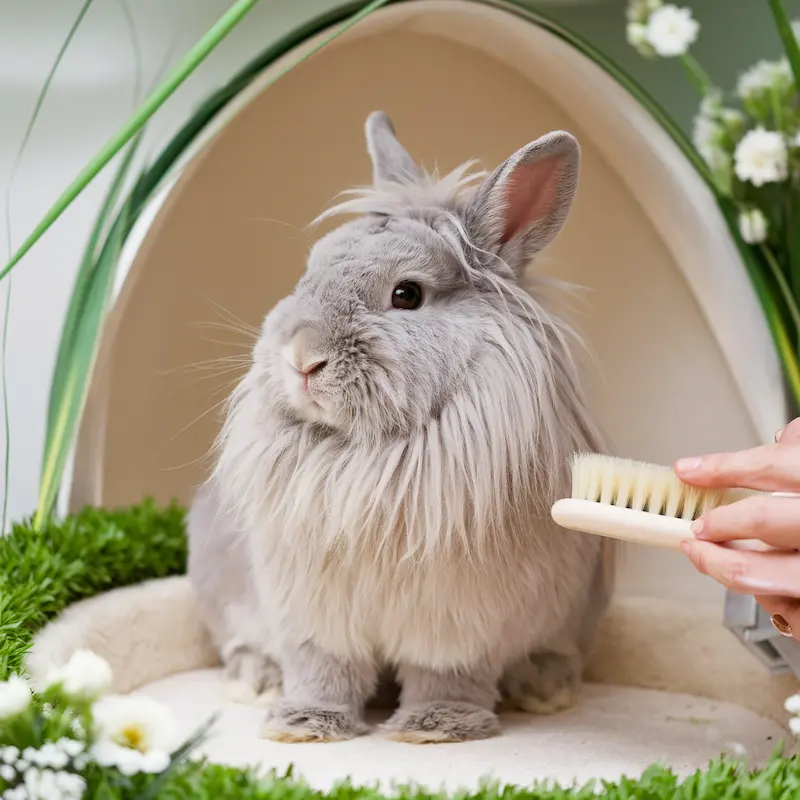
Bathing is the smallest part of cat coat care. Regular brushing does more for skin health than any shampoo will it distributes natural oils, removes loose undercoat before it becomes a mat, and cuts down on hairballs by reducing how much fur gets swallowed.
Brushing is also your best early-warning system. Dandruff, thinning patches, scabs along the spine, or a sudden increase in shedding are all things you’ll notice with a brush in hand weeks before they become visible across the room. Our guide to cat deshedding causes and grooming tips covers how to tell normal seasonal shedding apart from the kind worth a vet visit.
A workable brushing schedule:
| Coat type | Frequency |
|---|---|
| Short-haired | 1–2× per week |
| Medium-haired | 3–4× per week |
| Long-haired (Persian, Ragdoll, Maine Coon) | Daily |
| Senior or overweight cats | Daily, regardless of coat |
For owners who can’t keep up with a daily-brush breed, scheduled pet grooming in Abu Dhabi covers brushing, trimming, nail care, and bathing in one appointment usually far cheaper than treating the mats and skin infections that build up without it.
Conclusion
So can cats be bathed with human shampoo? No.
The pH mismatch is measurable and roughly tenfold. The detergents strip a protective oil layer your cat can’t quickly rebuild. And the ingredients your cat swallows during grooming were never assessed for an animal that lacks the enzymes to process them.
The fix costs less than a takeaway meal: one bottle of cat-specific shampoo in the cupboard, used only when there’s an actual reason to bathe. Pair it with consistent brushing and professional help when the coat gets ahead of you, and most cats will never need more than that.
Frequently Asked Questions
Can I use baby shampoo on cats?
Baby shampoo is milder than adult shampoo, but it’s still formulated for human skin at pH 5.5 and isn’t pH-balanced for cats, so it’s not recommended for regular use. In a genuine one-time emergency it’s less harmful than regular shampoo, but a cat-specific shampoo is always the safer choice.
Can I use Dawn dish soap on cats for fleas?
Dawn cuts grease and will kill some fleas on contact, which is why rescues use it on oil-covered or heavily infested kittens. It is not a flea treatment it kills what’s on the cat at that moment and offers zero residual protection and it’s a strong degreaser that dries the skin. Rare emergency measure only. Ask your vet about proper flea control.
Can I use dog shampoo on cats?
Be very careful here. Some dog flea shampoos contain permethrin, which is highly toxic and frequently fatal to cats one review of 42 poisoning cases found tremors in 86% and seizures in 33%. Never use a flea or medicated dog product on a cat. A plain, fragrance-free dog shampoo is lower risk in a pinch, but a cat-specific shampoo is still the right answer.

How often should I bathe my cat?
Most healthy cats need no baths at all. Long-haired breeds may benefit from one every 4–8 weeks. Hairless breeds like the Sphynx are the exception and often need weekly bathing to manage skin oil.
What can I use if I have no cat shampoo right now?
Lukewarm water and a soft cloth for anything non-toxic, or vet-approved pet wipes. If your cat has something genuinely harmful on her coat paint, chemicals, antifreeze call a vet before washing rather than after.
Is human conditioner safe for cats?
No. Conditioners are designed to leave a residue on the hair shaft, which means guaranteed ingestion during grooming. Skip it entirely; a cat-specific detangling spray is the correct tool if the coat needs help.


