




Have you noticed reddish-brown marks beneath your cat’s eyes, even after gently wiping its face? Cat tear stains develop when tears overflow onto the surrounding fur and leave behind discolouration. They’re especially noticeable on white or light-coloured cats, including Persians and other flat-faced breeds.
Sometimes, tear staining is simply related to your cat’s facial structure or natural tear drainage. However, persistent watering, unusual discharge, or sudden staining can also indicate an eye problem that needs veterinary attention.
Understanding what causes these marks, how to clean them safely, and which changes to watch for can help you maintain your cat’s facial hygiene without irritating its delicate eyes.
What Are Cat Tear Stains?
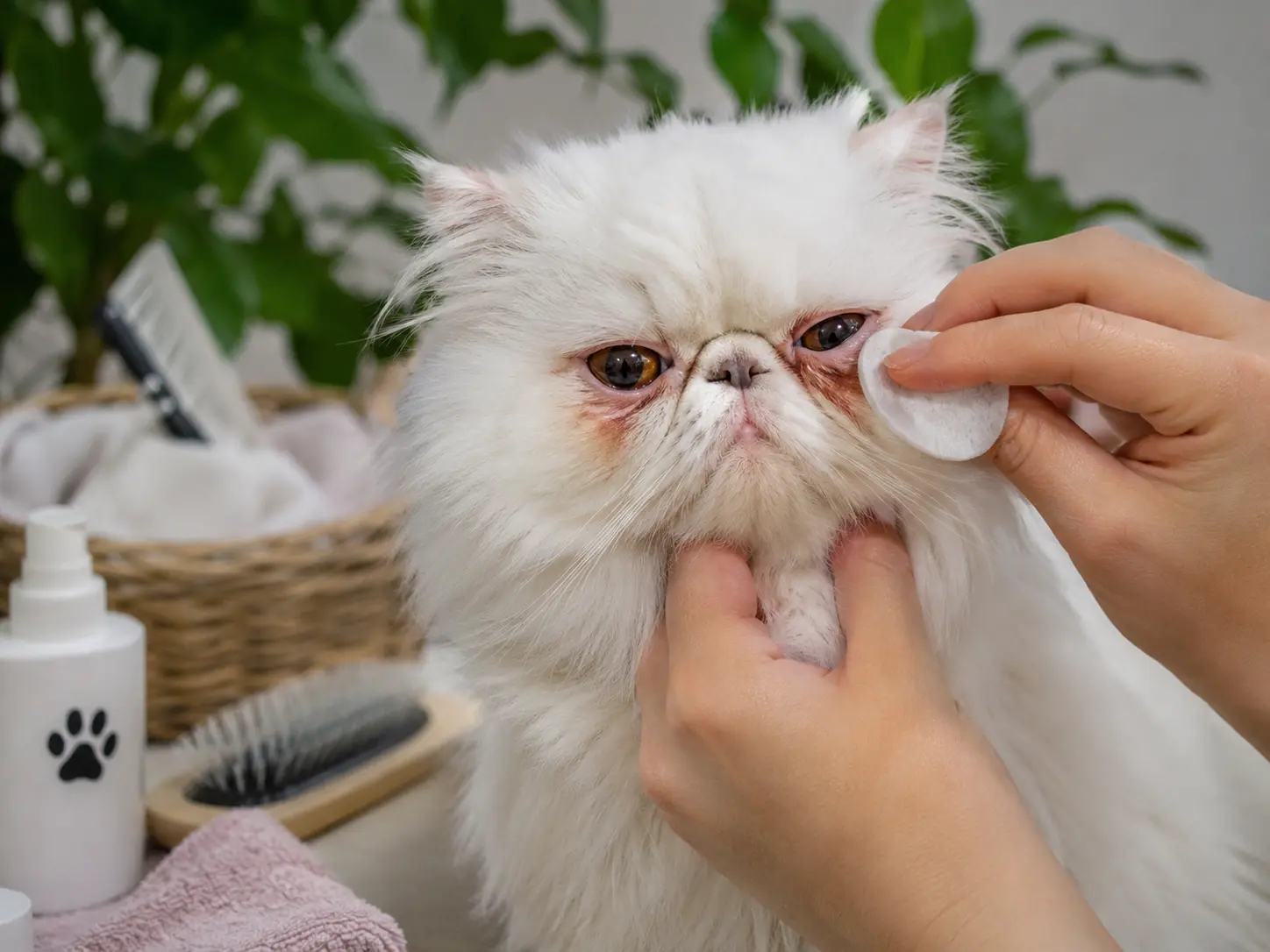
Cat tear stains are reddish-brown or rusty-coloured marks that develop on the fur beneath the eyes. They usually appear near the inner corners, where tears collect before moving down the face.
Tears naturally protect and lubricate a cat’s eyes. Normally, excess fluid drains through small openings near the inner eyelids into the tear ducts and eventually reaches the nasal cavity.
When tears overflow instead of draining properly, they wet the surrounding fur. As this happens repeatedly, pigments in the tears can leave visible staining.
These pigments include porphyrins, naturally occurring iron-containing compounds that contribute to the reddish-brown colour. White and cream-coloured fur makes the discolouration particularly noticeable, although cats with darker coats can experience the same tear overflow.
Vca
Occasional mild staining may be cosmetic, especially in cats with naturally poor tear drainage. However, staining alone cannot confirm that the eyes are healthy.
Why Does My Cat Have Tear Stains?
Several factors can cause tears to collect beneath a cat’s eyes. Some relate to facial anatomy, while others involve irritation or medical conditions.
1. Flat-Faced Breeds and Facial Structure
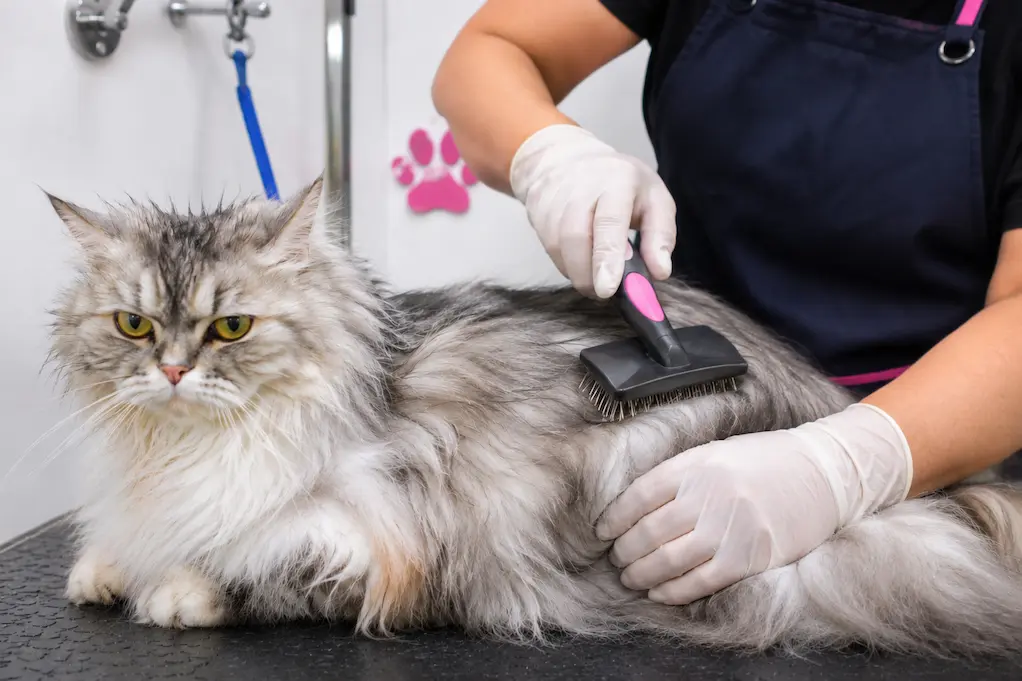
Persian, Himalayan, and other flat-faced cats are particularly prone to tear staining.
Their shortened facial structure can affect the normal positioning and drainage of tears. Instead of passing efficiently through the tear ducts, tears may spill over the eyelids and run down the face.
These cats can develop persistent staining even when their eyes appear otherwise comfortable.
For example, a white Persian may have faint brown marks beneath both eyes despite regular cleaning. If a veterinarian has ruled out eye disease, ongoing facial hygiene may be the main requirement.
However, flat-faced breeds are also vulnerable to certain eye abnormalities, so persistent tearing should not automatically be dismissed as normal.
2. Blocked or Narrow Tear Ducts
A cat’s tear ducts carry excess tears away from the eyes. When a duct becomes blocked or narrowed, fluid may overflow onto the face.
This condition is associated with excessive tear overflow, medically known as epiphora.
A blockage can result from inflammation, debris, anatomical abnormalities, or previous injury.
Unlike ordinary staining, a tear drainage problem may require veterinary examination. Cleaning the fur can remove surface buildup but will not clear an obstructed tear duct.
3. Eye Irritation and Environmental Triggers
Dust, smoke, airborne particles, and other irritants can cause a cat’s eyes to produce additional tears.
In Abu Dhabi, outdoor dust and sand can sometimes contribute to eye irritation, particularly when windows are open or cats spend time outdoors.
However, excessive watering should not automatically be attributed to the local environment. Persistent irritation may indicate a condition that requires treatment.
If your cat begins blinking excessively, rubbing its eyes, or developing redness alongside increased tearing, consult a veterinarian.
4. Eye Infections or Inflammation
Conjunctivitis, certain viral infections, and other inflammatory eye conditions may increase tear production.
Cats with an underlying eye problem may show additional symptoms, such as sticky discharge, redness, swelling, or frequent squinting.
Corneal injuries and eyelid abnormalities can also cause excessive watering.
These conditions require veterinary assessment rather than cosmetic stain removal.
5. Fur Growing Close to the Eyes
Long facial hair can collect moisture and make staining more noticeable.
In some cats, hairs may also touch or irritate the eye surface, causing increased tearing.
Keeping facial fur appropriately maintained can help reduce moisture buildup. However, trimming close to the eyes should be left to an experienced professional because cats can move suddenly during handling.
Why Do Some Cats Have More Visible Tear Stains Than Others?
Two cats can experience similar amounts of tear overflow but show very different levels of staining.
The main differences often relate to coat colour, facial structure, and the amount of moisture retained beneath the eyes.
| Factor | Effect on tear staining |
| White or light-coloured fur | Brown or reddish marks are easier to see |
| Flat facial structure | Tears may drain less efficiently |
| Long facial fur | Hair can retain moisture beneath the eyes |
| Deep facial folds | Moisture and debris may collect around the folds |
| Persistent watery eyes | Repeated moisture increases the likelihood of staining |
White Persian cats are a familiar example because their facial anatomy and light coat can make staining particularly noticeable.
However, dark-coloured cats can develop the same problem even when the discolouration is difficult to see.
How to Clean Cat Tear Stains Safely at Home
If your cat has mild, familiar staining without redness, pain, or unusual discharge, gentle external cleaning can help remove accumulated tears and debris.
The goal is to keep the surrounding fur clean and dry, not to scrub away every trace of discolouration.
Step 1: Prepare clean supplies
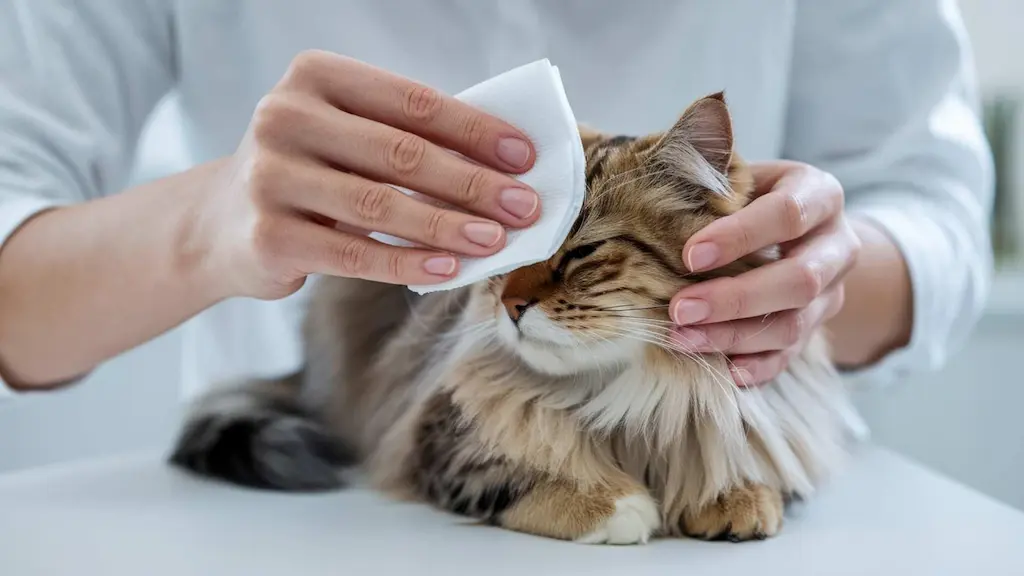
Wash your hands and prepare soft cotton pads or lint-free gauze with lukewarm water. Avoid scented wipes or household cleaning products.
Step 2: Let your cat settle
Choose a quiet time when your cat is comfortable. Avoid forcing its head into position or restraining it if it becomes distressed.
Step 3: Gently wipe the stained fur
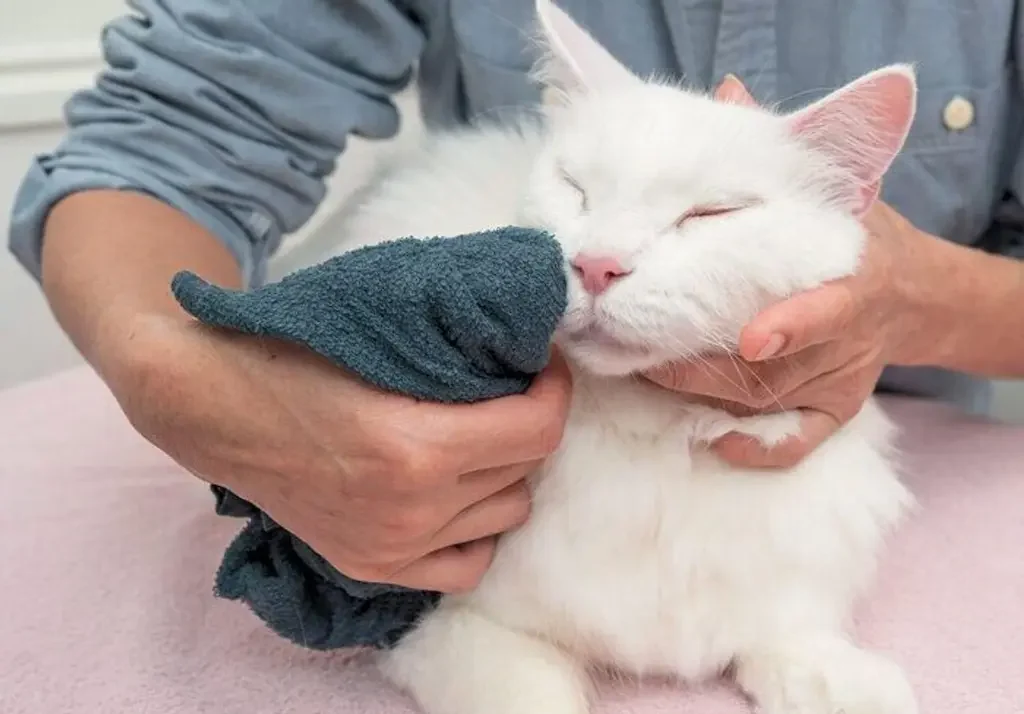
Lightly moisten a pad and wipe the fur beneath the eye with small, gentle movements. Stay on the surrounding fur and avoid touching the eyeball. Use a separate clean pad for each eye.
Step 4: Dry the area carefully
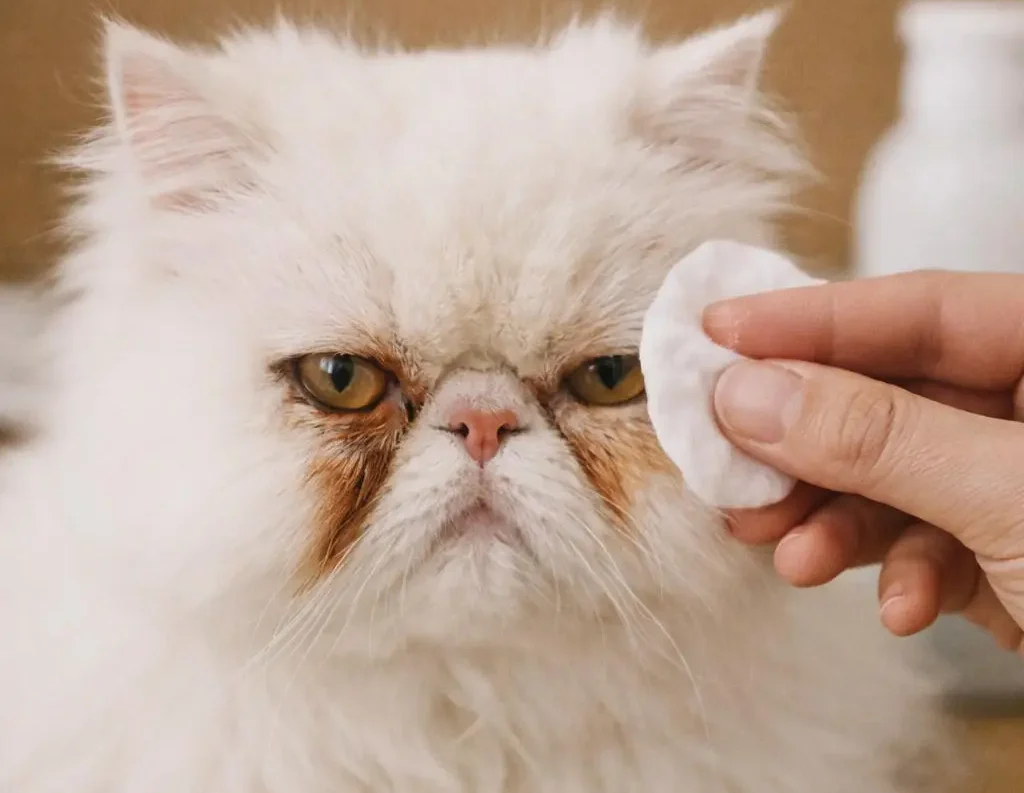
Use a clean, soft cloth to gently blot away moisture. Avoid rubbing or leaving the fur damp, particularly in cats with facial folds.
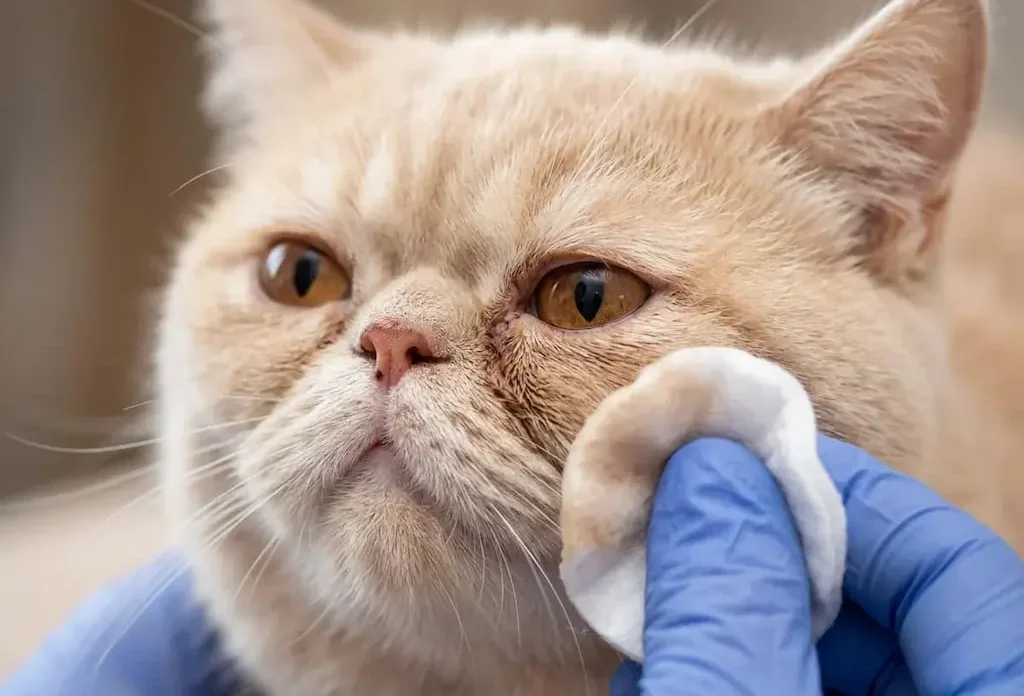
If dried residue does not loosen easily, do not scrape, pick, or pull at it. A veterinarian or experienced groomer can advise whether additional cleaning is appropriate.
What Should You Avoid When Cleaning Cat Tear Stains?
The skin around a cat’s eyes is sensitive, and products that seem harmless elsewhere on the body can cause serious irritation near the eyes.
Avoid the following:
- Hydrogen peroxide or bleach: These can cause serious eye damage.
- Human eye drops: Medication intended for people should not be given to cats without veterinary instructions.
- Human facial wipes or makeup removers: Fragrances, preservatives, and other ingredients may irritate the eyes.
- Lemon juice, vinegar, or homemade stain removers: These are unsuitable for delicate facial skin and can cause irritation.
- Unverified whitening powders or tear-stain products: Some contain ingredients that are inappropriate around the eyes.
- Cotton swabs or sharp tools close to the eye: Sudden movement can lead to injury.
Avoid attempting to cut stained facial fur with household scissors. Professional grooming is safer when trimming is necessary near the eyes.
Remember: Removing the brown colour is less important than keeping your cat comfortable and identifying the reason for excessive tearing. For owners dealing with dried crusts or sticky buildup rather than staining alone, our existing guide to cleaning cat eye gunk explains how to manage ordinary residue safely.
When Are Cat Tear Stains a Sign of an Eye Problem?
A small amount of familiar staining may be harmless, particularly when a veterinarian has confirmed that your cat’s tear drainage and eye health are normal.
However, new or changing eye symptoms should not be treated as a routine grooming problem.
| What you notice | What it may mean | Recommended action |
| Mild, longstanding staining with comfortable eyes | Possible anatomical tear overflow | Veterinary check if not previously assessed; maintain gentle hygiene |
| Sudden increase in watering | Irritation, injury, or drainage problem | Contact a veterinarian promptly |
| Yellow or green discharge | Possible infection or inflammation | Veterinary examination |
| Redness or swelling | Eye or surrounding tissue inflammation | Prompt veterinary assessment |
| Squinting, keeping an eye closed, or rubbing | Possible pain or corneal injury | Urgent veterinary attention |
| Cloudiness or visible eye injury | Potential serious eye condition | Emergency veterinary assessment |
A cat with a painful eye may become quieter, resist facial touching, or hide more than usual.
According to Cats Protection’s veterinary guidance, eye problems require timely veterinary assessment because some conditions can threaten vision if treatment is delayed.
What if Only One Eye Has Tear Stains?
Staining around one eye does not always indicate an emergency, but a new difference between the eyes deserves attention.
One-sided watering can occur with localized irritation, an injury, or a drainage problem.
If one eye suddenly begins watering more than the other, especially with squinting or discomfort, contact a veterinarian rather than trying additional cleaning products.
How to Reduce Recurring Cat Tear Stains
Not all tear stains can be prevented. Cats with certain facial structures may continue to produce visible marks even with appropriate care.
However, a consistent facial hygiene routine can help limit buildup and irritation.
Keep the Fur Beneath the Eyes Clean and Dry
For cats with recurring, vet-assessed tear staining, gently removing moisture and residue before it accumulates is often more useful than trying to remove established discolouration.
Some flat-faced cats may need daily attention, while others require only occasional cleaning.
Adjust the frequency to your cat’s needs, and seek veterinary advice if watering increases.
Maintain Facial Fur Without Irritating the Eyes
Long facial hair can retain moisture, collect debris, and make cleaning more difficult.
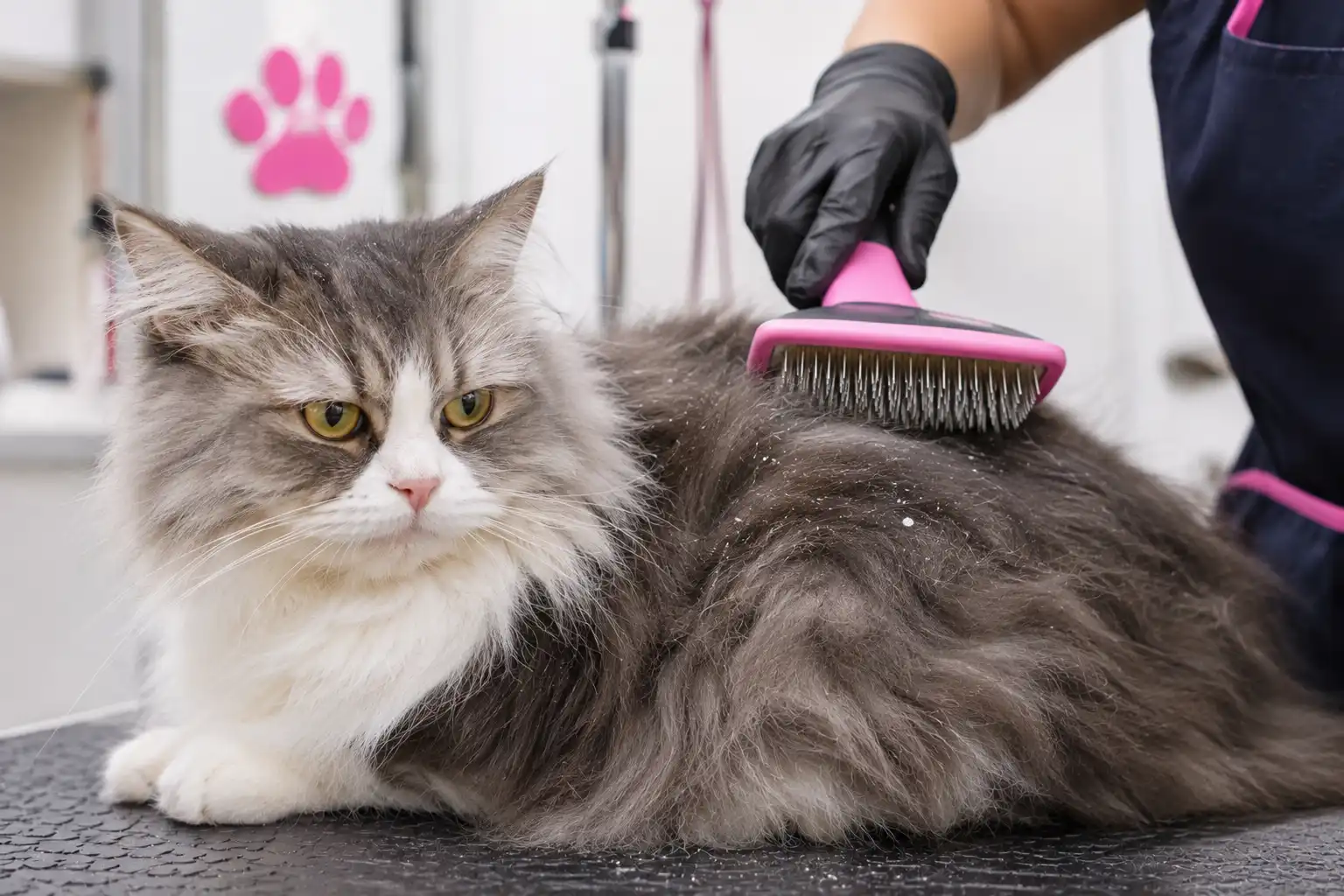
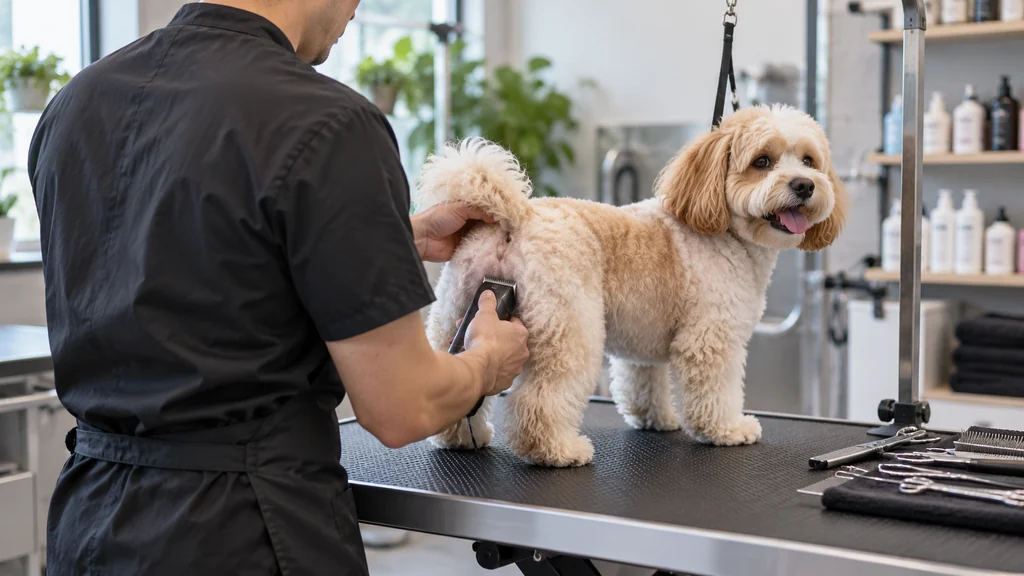
Regular brushing around the cheeks, along with appropriate professional facial grooming, can help prevent buildup.
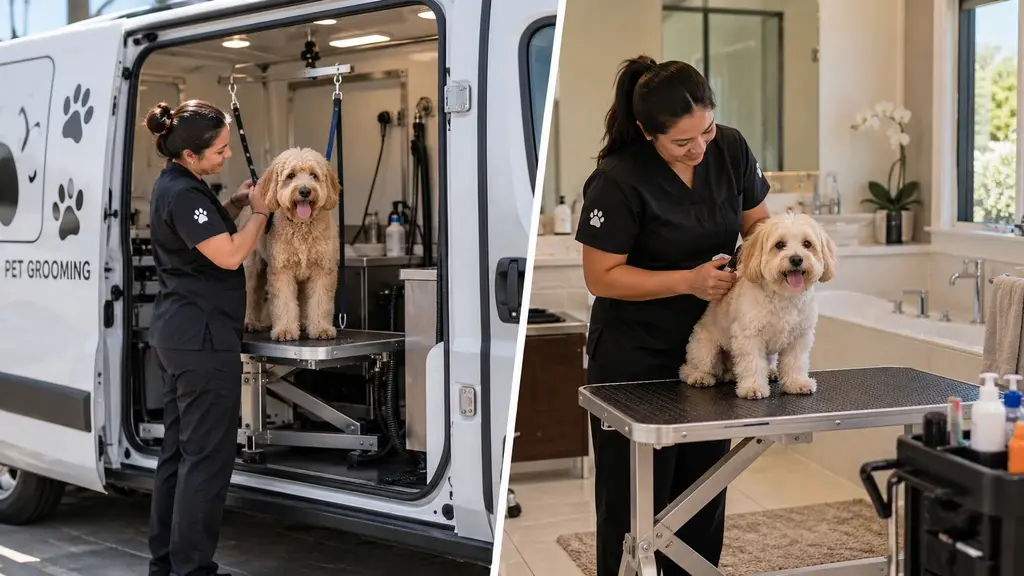
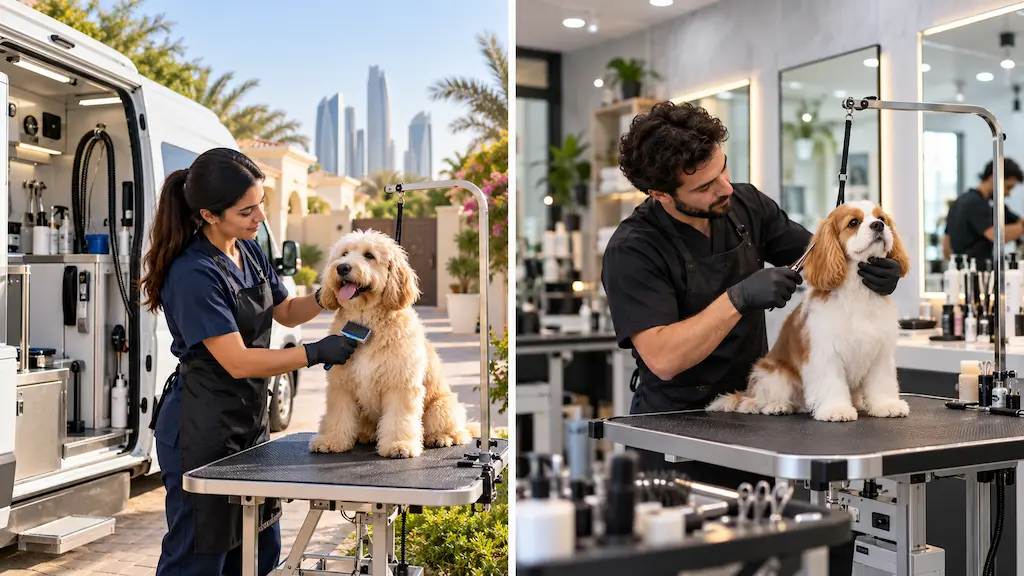
For cats requiring additional coat and facial hygiene support, mobile cat grooming in Abu Dhabi can help maintain the surrounding fur. Groomers can assist with routine cleaning, but they cannot diagnose blocked tear ducts, infections, or other eye diseases.
Limit Exposure to Irritants
Keep your cat’s resting areas clean and minimize exposure to smoke, strong fragrances, and excessive airborne dust.
During dusty conditions in Abu Dhabi, maintaining a clean indoor environment may help reduce unnecessary exposure to particles that irritate sensitive eyes.
If eye watering persists despite these measures, arrange a veterinary examination rather than assuming dust is the cause.
Make Facial Hygiene Part of Routine Grooming
A brief facial check during regular grooming makes it easier to notice fresh staining, damp fur, or unusual changes.
Cats that dislike travelling may benefit from professional mobile grooming for routine coat and facial care, once any medical concerns have been addressed.
Groom Room’s pet grooming services in Abu Dhabi include routine hygiene care, but persistent watery eyes or suspected infections must be evaluated by a veterinarian.
Final Thoughts
Cat tear stains are often most noticeable in light-coloured and flat-faced cats, where tears can overflow and leave reddish-brown marks beneath the eyes. In some cases, the staining is mainly cosmetic. In others, excessive watering can be associated with irritation, blocked tear ducts, infections, or injuries.
Gentle cleaning with lukewarm water, careful drying, and regular facial hygiene can help manage ordinary staining. However, no cleaning routine should replace veterinary care when your cat develops redness, swelling, coloured discharge, squinting, or sudden changes in tearing.
For cats with healthy eyes but recurring facial buildup, consistent home maintenance and appropriate professional grooming can help keep the surrounding fur clean and comfortable.
Frequently Asked Questions
1. Are Tear Stains More Common in Persian Cats?
Yes. Persian cats have short, flat facial structures that can interfere with normal tear drainage. Their long facial fur may also retain moisture, making staining more noticeable. Persistent tearing should still be assessed by a veterinarian rather than assumed to be harmless.
2. Can Cat Tear Stains Disappear Completely?
They sometimes fade as stained fur is cleaned, shed, or replaced by new growth. However, cats with ongoing tear overflow may develop fresh marks. If facial anatomy contributes to the problem, complete prevention may not be possible.
3. Can Cat Tear Stains Cause Skin Problems?
Persistent moisture beneath the eyes can irritate the surrounding skin, particularly in facial folds. If the area develops redness, soreness, swelling, or an unusual smell, veterinary attention is needed.
4. Do Kittens Get Tear Stains?
Yes. Kittens can develop tear staining, particularly flat-faced breeds. However, watery eyes in kittens may also occur with infections or other health problems. New or persistent discharge should be checked by a veterinarian, especially when accompanied by sneezing, squinting, or reduced appetite.
5. Can Changing My Cat’s Food Remove Tear Stains?
There is no reliable evidence that changing food alone removes ordinary tear staining caused by facial structure or poor tear drainage. A balanced diet supports general health, but persistent staining should be investigated based on its actual cause rather than treated with unproven dietary remedies.