
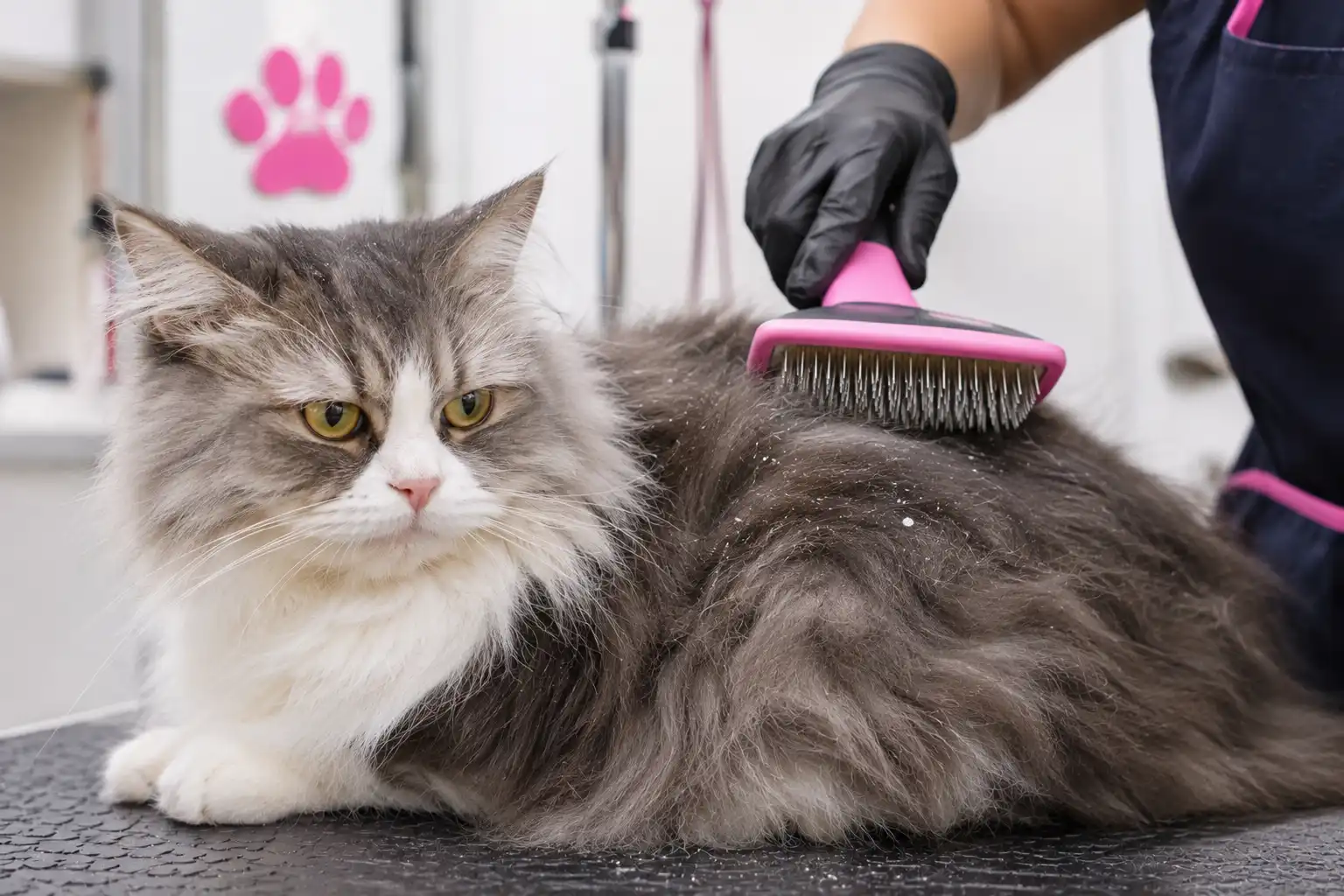
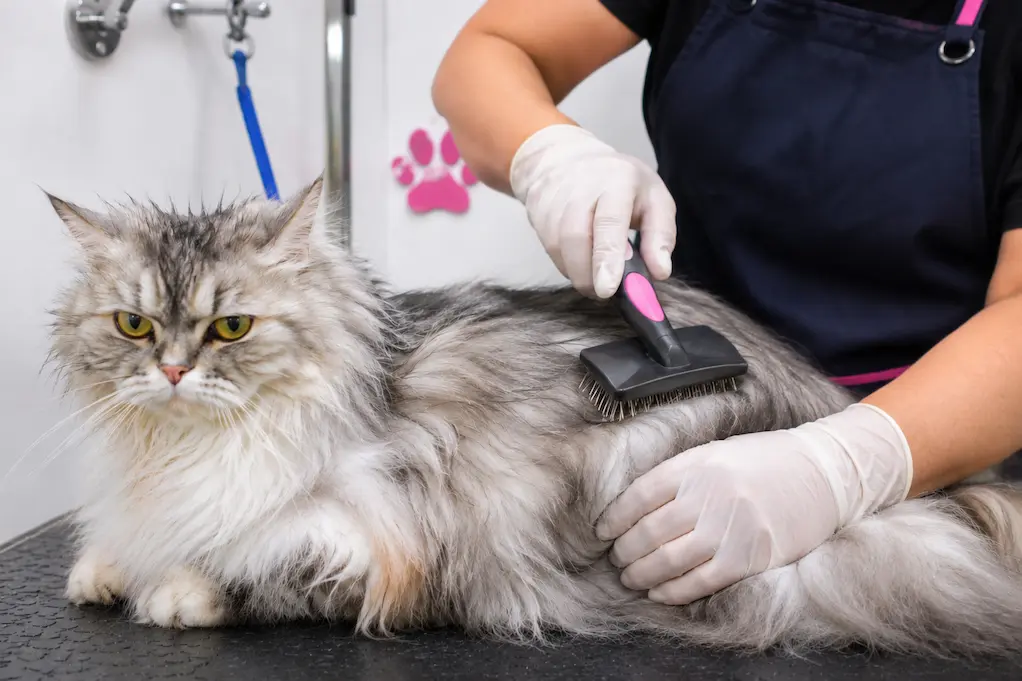













Some of the first things I notice when a cat lands on my grooming table have nothing to do with fur. It’s the extra weight I feel as I lift them, the coat that’s lost its shine, the skin that flakes under the comb. Time and again, those signs trace straight back to one thing: what’s in the food bowl at home. When you handle pet grooming in Abu Dhabi as often as we do, you start to see just how much a cat’s diet writes itself across their whole body.
Feeding your cat looks like the simplest task in the world, but it’s one of the most important responsibilities you take on as an owner. The right diet supports your cat’s immune system, fuels their energy, strengthens bones and muscles, and even shapes their mood and behavior. Get it wrong, and the consequences are serious: obesity, malnutrition, diabetes, and digestive disorders.
And this isn’t a rare problem. According to VCA Animal Hospitals, obesity is the most common preventable disease in cats in North America, with the Association for Pet Obesity Prevention reporting that around 61% of cats are overweight a staggering number, and one I see reflected on my table every week. Cats are also far less forgiving than dogs when it comes to dietary imbalances; neglect their specific nutritional needs even slightly, and it can lead to painful or even irreversible conditions.
How Much Food Does Your Cat Need?
Portion control is a key part of feline nutrition. While many cat owners rely on “free feeding” or simply filling up the bowl when it looks empty, that can often lead to overfeeding and obesity.
A healthy adult cat typically needs around 20–30 calories per pound of body weight per day, depending on their age, activity level, and overall health. High-quality cat food should be rich in animal-based proteins like chicken, turkey, or fish and contain essential nutrients such as taurine, vitamin A, fatty acids, and arginine.
Avoid fillers like cornmeal and wheat gluten, which offer little nutritional value. Wet food can be a great option for hydration, while dry kibble may help with dental health. However, a balanced combination of both is often ideal.
Their dietary requirements will differ if your cat is a kitten, senior, or has any medical conditions. Always consult a veterinarian to determine the right amount and type of food for your cat.
10 Common Mistakes Cat Owners Make When Feeding Their Cats
Even with the best intentions, it’s easy to make feeding errors that can compromise your cat’s health. Here are ten common mistakes to watch out for—and how to avoid them.
1. Overfeeding or Free Feeding
Letting your cat graze all day might seem convenient, but it often leads to overeating. Over time, this habit can result in obesity, which can increase the risk of diabetes, arthritis, and liver disease.
Following feeding guidelines based on your cat’s weight and activity level is important. Scheduled feedings also help you monitor your cat’s appetite, which can be an early indicator of illness.
In addition, overfeeding is especially harmful in indoor cats, who burn fewer calories than outdoor cats. You may think your cat is “always hungry,” but cats can eat out of boredom or habit. Measuring meals and establishing a feeding schedule can help control weight and avoid costly health problems in the long run.
2. Feeding a Dog’s Diet to a Cat
Some pet owners assume that all pet food is created equal. Unfortunately, dog food lacks the nutrients cats need, like taurine, arachidonic acid, and vitamin A in bioavailable forms.
Feeding your cat or dog food occasionally can lead to serious deficiencies and organ damage over time.
Dog food typically contains more plant-based proteins and carbohydrates, which cats struggle to process. While dogs are omnivores, cats require a meat-first diet to survive. So, even if your pets share a close bond, their dietary needs are completely different and should never be compromised.
3. Too Many Treats or Table Scraps
It’s hard to resist those pleading eyes, but feeding too many treats or human leftovers is a recipe for poor health. Treats should never exceed 10% of your cat’s daily calorie intake.
Human food can also contain onions, garlic, salt, and spices that are toxic to cats, even in small amounts.
Frequent table scraps can lead to picky eating behavior, where your cat begins to reject regular meals in anticipation of tastier alternatives. To prevent this, limit treats to special occasions or use them as rewards during training or grooming sessions.
4. Not Providing Enough Water
Cats are notoriously poor drinkers, especially when fed dry food. Dehydration can lead to urinary tract infections or kidney disease.
Ensure fresh water is always available, and consider adding wet food to your cat’s diet. Some cats also benefit from pet water fountains, which encourage drinking through constant motion.
The signs of dehydration in cats can be subtle, such as dry gums, lethargy, or decreased skin elasticity. Encouraging hydration through flavored water (like tuna water without salt) or ice cubes in bowls can help, especially during hot weather or illness.
5. Changing Diets Too Quickly
Switching your cat’s food abruptly can wreak havoc on their digestive system. Always introduce new food gradually over 7–10 days, mixing it with their diet. Sudden changes can lead to vomiting, diarrhea, and refusal to eat.
Cats are habit creatures and can resist unfamiliar smells or textures. Gradual transitions protect their stomach and increase the chances of long-term acceptance of a healthier or more suitable food option.
6. Feeding One Type of Protein Only
Cats benefit from protein variety just like humans do. Feeding the same protein daily, like only chicken, may not provide a balanced amino acid profile over time. Rotating between chicken, turkey, beef, and fish (as long as it suits your cat’s health needs) can offer better overall nutrition and reduce the risk of developing food sensitivities.
Some cats may develop intolerances to a specific protein if exposed to it too long without variety. Even if your cat appears healthy now, rotating proteins can proactively support their digestive health and help you identify any adverse reactions early.
7. Ignoring Special Dietary Needs
Some cats have specific needs due to allergies, diabetes, urinary issues, or being overweight. Ignoring these needs or self-prescribing a diet can make conditions worse. If your cat has health concerns, work closely with a vet to develop a tailored diet plan.
What works for one cat might be dangerous for another. For example, grain-free food is trendy but unsuitable for every feline. A vet can only recommend the correct balance of calories, protein, and minerals required to manage specific health conditions.
8. Feeding Inadequate Kittens or Senior Food
Kittens and senior cats have drastically different nutritional requirements. Feeding adult cat food to a kitten can stunt growth, while giving kitten food to a senior can cause weight gain or digestive issues. Make sure you’re choosing age-appropriate formulas.
Each life stage comes with unique needs. Kittens require higher fat and protein for growth, while seniors may benefit from easily digestible ingredients and joint-supporting supplements. Look for products labeled “for all life stages” only if your vet confirms they suit your cat’s health status.
9. Using Low-Quality Cat Food
Budget cat foods often contain fillers, artificial preservatives, and animal by-products that don’t meet your cat’s nutritional needs. While these products are cheaper, they may lead to poor coat quality, digestive problems, or long-term health issues.
Invest in high-quality, vet-recommended brands that prioritize real meat and essential nutrients.
Investing in better food now can save you thousands in vet bills later. Watch for red flags like vague meat sources (“meat by-product”), excessive grains, or dyes. Always check the ingredient list and reviews before committing to a brand.
10. Feeding Based on the Package Alone
Many commercial pet food labels recommend serving sizes that are too generous. These recommendations are often based on average activity levels and don’t account for your cat’s unique needs. It’s always better to consult a vet and adjust portions based on your cat’s weight goals and lifestyle.
Environmental factors like indoor vs. outdoor living, recent surgery, or even weather can affect how much food your cat needs. Trust your vet’s advice over marketing labels, and don’t forget to weigh your cat regularly to track their progress.
What to Do If Something Goes Wrong
Sometimes, despite our best efforts, things don’t go as planned. If you notice signs like sudden weight loss or gain, vomiting, diarrhea, changes in appetite, or lethargy, it’s time to seek veterinary help. Cat grooming services in Abu Dhabi can also help.
Many nutritional issues manifest subtly initially but can become serious quickly if left unaddressed.
Veterinarians can conduct tests to identify deficiencies, allergies, or metabolic conditions that might be linked to diet. They may recommend special prescription foods, feeding schedules, or supplements tailored to your cat’s health.
Sometimes, they might refer you to a veterinary nutritionist for more advanced support.
Early intervention is key; don’t wait for symptoms to worsen. Keeping a close eye on your cat’s eating habits, litter box behavior, and energy levels can help you catch problems before they escalate.
Conclusion
Feeding your cat is more than just filling a bowl; it’s about creating a healthy, nourishing routine that supports your feline friend’s well-being for years. Avoiding common mistakes like overfeeding, relying on poor-quality food, or ignoring special dietary needs can prevent many health complications and ensure your cat lives a long, vibrant life.
Every cat is different, and their feeding plan should reflect that uniqueness. From understanding how much to feed to learning what ingredients to prioritize, being a thoughtful cat parent takes some effort, but the rewards are immense.
Frequently Asked Questions
How much should I feed my cat?
A healthy adult cat needs roughly 20–30 calories per pound of body weight a day, but the right amount depends on age, activity, and health. Measure meals with a proper cup rather than topping up the bowl by eye, and lean on your vet’s guidance over the label packaging portions tend to run generous.
How often should I feed my cat?
Most adult cats do well with two measured meals a day at consistent times. Kittens need more frequent feeding for growth, and some cats prefer smaller portions spread across the day, but scheduled meals almost always beat leaving food out to graze on.
Is wet or dry food better for cats?
Both have a place. Wet food helps with hydration, which matters a lot since cats are famously poor drinkers, while dry kibble can support dental health. A balanced combination of the two is often ideal your vet can help you land on the right mix.
Can cats eat dog food?
No, not as a diet. Dog food lacks nutrients cats can’t live without, like taurine, vitamin A in a usable form, and arachidonic acid. The odd accidental bite won’t hurt, but feeding it regularly leads to serious deficiencies over time. Cats are true carnivores and need a meat-first diet.