


Amina noticed it three days in a row: her cat Coco would finish her bowl, trot off happily, and then bring it all back up within minutes. At first, she assumed it was just a hairball, cats deal with those all the time. But by day three, she started to worry.
It’s one of the most common questions cat owners in Abu Dhabi bring to us. As professional groomers who work hands-on with cats every day, we often see the physical side effects of digestive issues up close, matted fur from repeated vomiting, stress-related over-grooming, and skin irritation that tends to accompany a cat who isn’t feeling their best. While anything persistent should always go to a vet, understanding the common causes behind post-meal vomiting helps you know what’s likely harmless and what needs closer attention. Here are five of the most frequent reasons, along with what actually helps.
1. Eating Too Quickly
One of the most common reasons cats vomit shortly after a meal is simply eating too fast. When a cat rushes through food, they often swallow air along with it, which unsettles the stomach and can trigger regurgitation within minutes.
What helps: Smaller, more frequent meals reduce the urge to rush. Puzzle feeders or slow-feed bowls are also effective, since they physically slow the pace while adding mental stimulation to mealtime.
2. Food Sensitivities or Allergies
Like humans, cats can develop sensitivities to specific ingredients, a certain protein, grain, or artificial preservative. If vomiting happens consistently rather than occasionally, diet is worth examining closely.
What helps: A limited-ingredient or hypoallergenic food, introduced under veterinary guidance, is the most reliable way to identify the culprit, rather than switching foods repeatedly on guesswork.
3. Hairballs
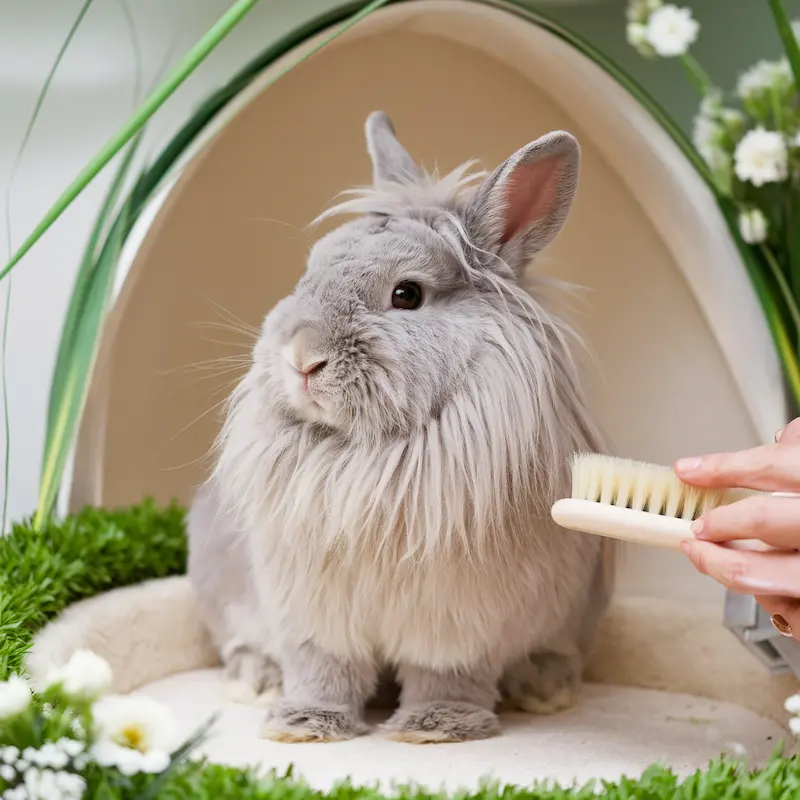
Cats are meticulous self-groomers, and in the process, they inevitably swallow loose fur. Most passes through the digestive system without issue, but some accumulates and comes back up, often shortly after eating, since food intake stimulates stomach contractions.
What helps: Regular brushing at home significantly reduces how much loose hair your cat swallows in the first place. For cats prone to frequent hairballs, professional cat grooming in Abu Dhabi removes far more loose undercoat than brushing alone, cutting hairball frequency at the source. If you’re comparing providers, our guide on choosing the best cat grooming service in Abu Dhabi covers exactly what to look for.
4. Underlying Medical Issues
Chronic or frequent vomiting can sometimes point to something more serious, gastrointestinal disease, pancreatitis, hyperthyroidism, or kidney issues, especially alongside lethargy, diarrhea, or noticeable weight loss.
What helps: Persistent vomiting should never be brushed off as “just a sensitive stomach.” A full veterinary exam, potentially including bloodwork or imaging, is the only reliable way to catch these conditions early.
5. Eating Non-Food Items (Pica)
Some cats chew or swallow non-food items, string, plastic, plant material, rubber bands, a behavior known as pica. These can irritate the digestive tract or cause a blockage, both of which trigger vomiting after meals.
What helps: Keep small, chewable items out of reach and offer safe alternatives like cat-safe chew toys. If the behavior continues, a vet visit can help rule out nutritional gaps or underlying anxiety.
Grooming as Part of Prevention
Occasional vomiting isn’t always a red flag, but tracking its frequency, consistency, and content gives real insight into what’s going on with your cat. Keeping your cat well-groomed, well-fed, and on a regular vet schedule goes a long way toward catching problems early. If you’re newer to cat ownership or want a refresher on the basics, our breakdown of cat grooming do’s and don’ts for Abu Dhabi pet owners covers the essentials, tailored to the local climate.
Frequently Asked Questions
Is it normal for cats to vomit occasionally?
Yes, occasional vomiting, especially tied to hairballs or eating too fast, is common and not usually a cause for concern on its own.
When should I take my cat to the vet for vomiting?
If vomiting is frequent, persistent, or accompanied by lethargy, diarrhea, or weight loss, it’s time for a proper veterinary examination.
Can grooming really reduce hairball-related vomiting?
Yes, regular brushing and professional grooming remove loose fur before your cat has the chance to ingest it, directly reducing hairball frequency over time.
What’s the difference between vomiting and regurgitation?
Vomiting usually involves active effort and partially digested food, while regurgitation happens quickly after eating with little effort, often looking like the food came straight back up.
Should I change my cat’s food if they vomit often?
Only under veterinary guidance. Switching foods repeatedly without a proper elimination trial can make it harder to identify the actual cause.
Conclusion
Vomiting after eating isn’t unusual in cats, but frequent occurrences shouldn’t be ignored. Whether it’s eating too fast, a food sensitivity, hairballs, an underlying medical issue, or pica, understanding the likely cause is the first step toward resolving it. Pay attention to your cat’s patterns, consult your vet when something feels off, and don’t underestimate what consistent, professional grooming can do for their digestive comfort and coat health.
For trusted, professional, The Groom Room is here to help keep your cat healthy, comfortable, and thriving.