
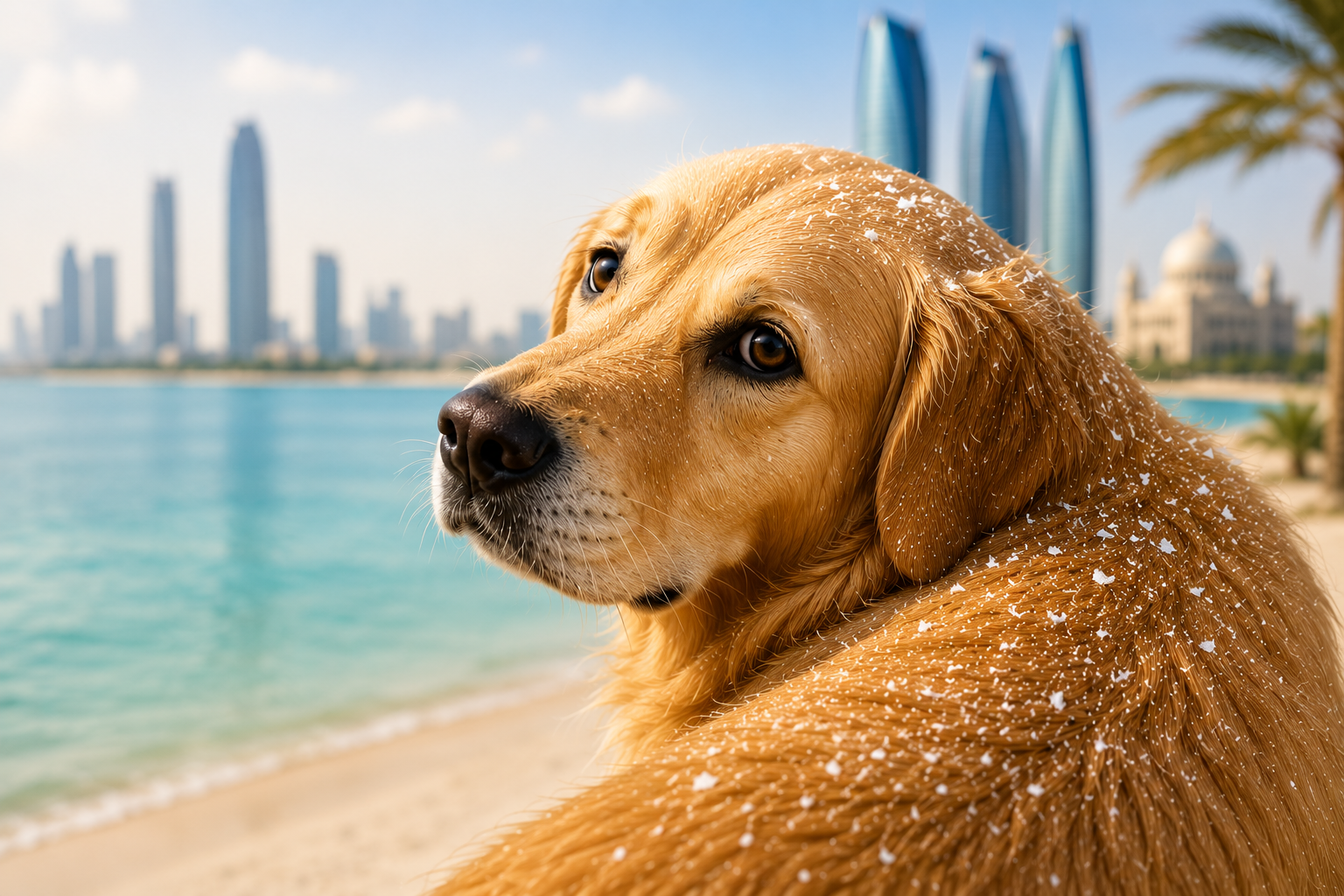
I can usually tell how a dog is doing before the owner finishes saying hello. Not from anything dramatic from the way the coat sits. A healthy coat springs back when you run a hand through it. A struggling one lies flat and separates, and the guard hairs feel dry and slightly brittle, like dried grass. Owners rarely notice it happening, because it happens slowly. They notice the day it looks wrong in a photograph.
If your dog’s coat has started looking thin, dull, or patchy and you’re not sure why you’re in extremely common company, and the outlook is better than you think. Most coat problems I see are fixable, and most of the fixing happens at home.
Quick answer: The fastest safe way to improve your dog’s coat is to combine a protein-rich diet, consistent brushing, and vet-approved omega-3 supplementation. Visible change takes 4–8 weeks, because that’s how hair grows there is no shortcut that works faster, whatever the label promises.
Why a Healthy Coat Matters
Your dog’s coat is working harder than it looks. It insulates against heat and cold, shields skin from UV and irritants, and forms the first physical barrier against parasites and infection.
It’s also the most honest diagnostic you own. Coat changes are frequently the earliest visible sign that something else is wrong which makes sense once you understand the biology:
Warning Signs; and What They Usually Mean
| What you’re seeing | Most likely culprits |
|---|---|
| Shedding well beyond the seasonal norm | Diet, stress, parasites, thyroid |
| Dull, brittle fur with no shine | Low-quality protein, omega-3 deficiency |
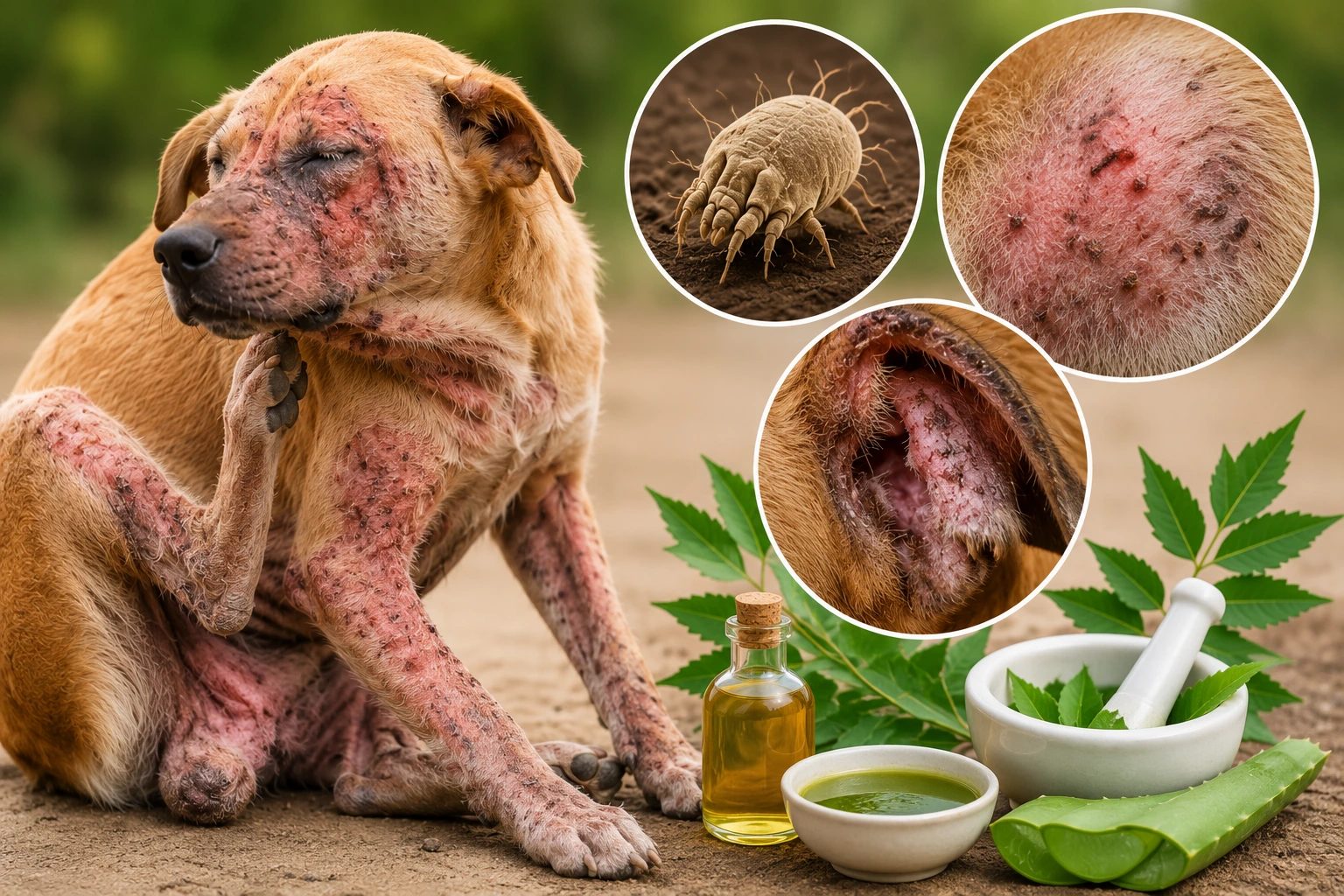
| Patchy hair loss or bald spots | Allergies, mites, ringworm, hormonal |
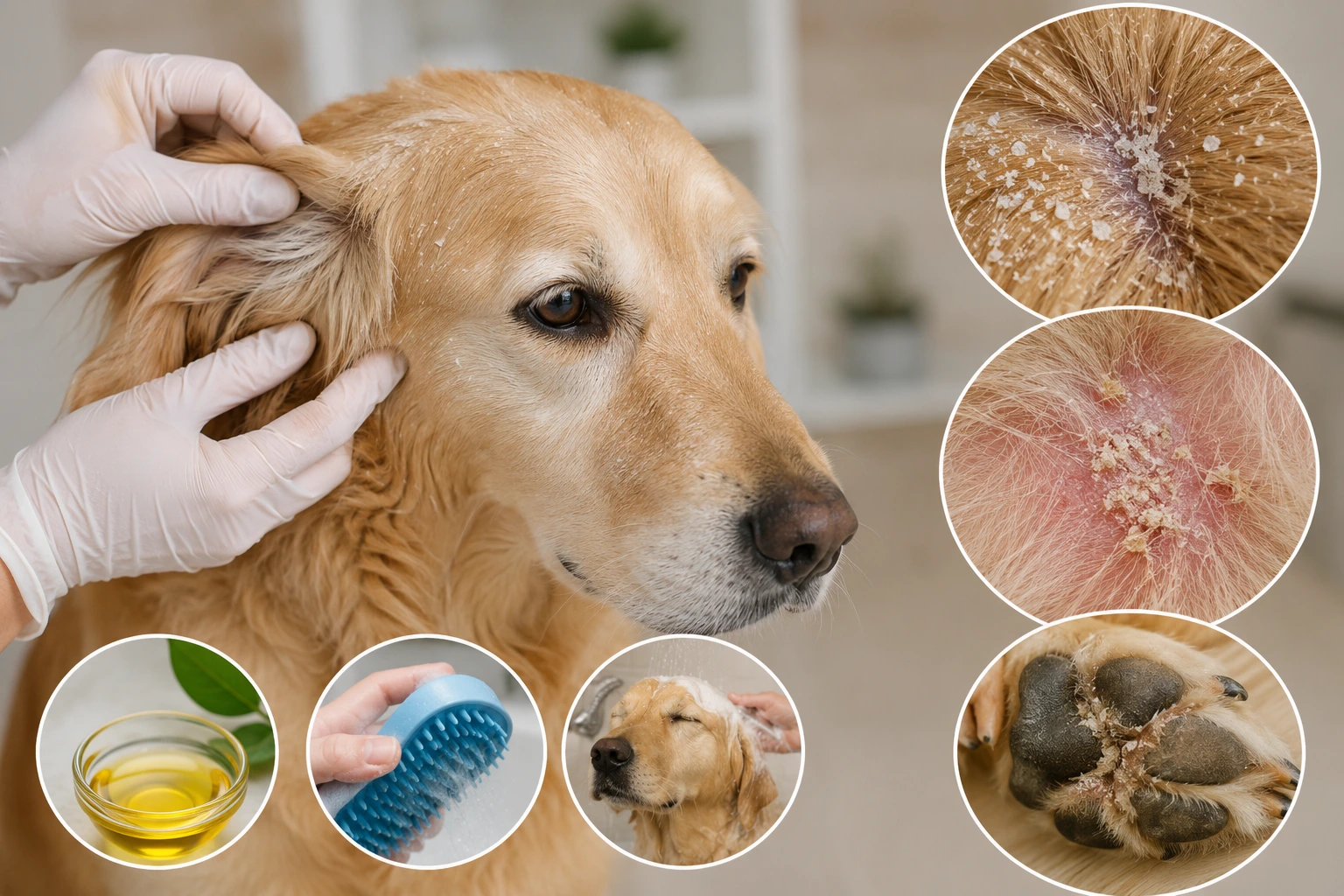
| Dry, flaky, itchy skin | Over-bathing, allergies, low humidity |
| Thinning symmetrically on both flanks | Hormonal see a vet, not a groomer |
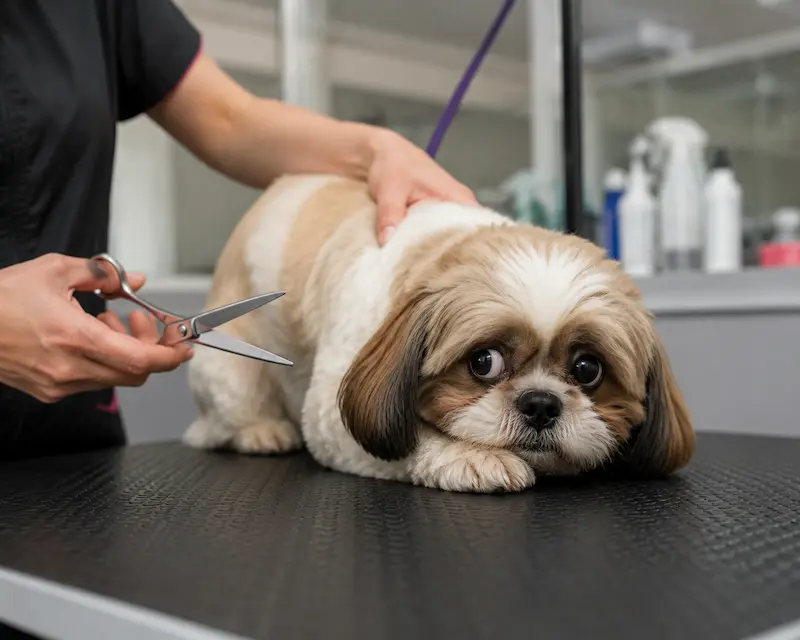
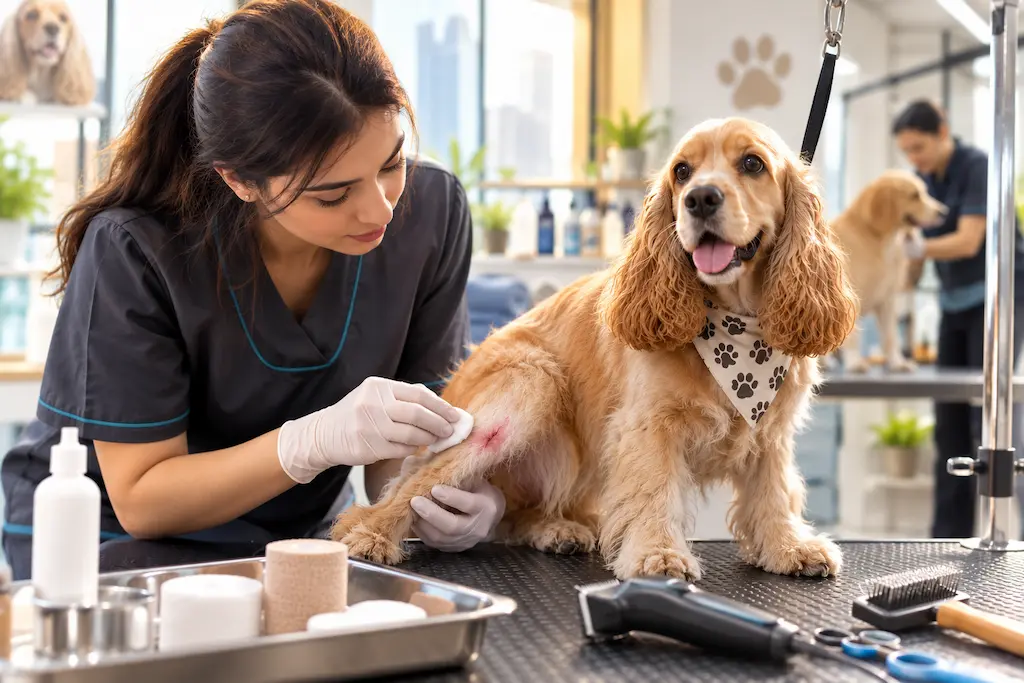
If you’re unsure whether what you’re seeing is normal turnover or something worse, a professional set of hands helps regular dog grooming catches skin and coat changes weeks before they’re obvious across a room.
Fixing coat health through diet, grooming, and care doesn’t just improve looks. It can prevent bigger medical concerns down the road.
Nutrition: The Fuel for Faster Hair Growth
What your dog eats has the single biggest impact on coat quality? Hair is made mostly of keratin, a protein, so a diet built around quality nutrition gives the body what it needs to grow strong, healthy fur.
Feed a High-Protein Diet
Choose high-quality protein sources like chicken, turkey, salmon, and lamb. Dogs on protein-rich food tend to grow stronger, shinier coats with less breakage.
Add Omega-3 and Omega-6 Fatty Acids
Healthy fats reduce skin inflammation and improve coat softness and shine. Add fish oil, salmon, or flaxseed to meals, and give it several weeks to show results.
Include Key Vitamins and Minerals
These nutrients are especially important for coat growth:
- Biotin (Vitamin B7): supports keratin production
- Vitamin E: protects skin from oxidative stress
- Zinc: helps prevent thinning and supports skin repair
A diet short on these often leads to slow regrowth or hair loss.
Grooming Habits That Encourage Hair Growth
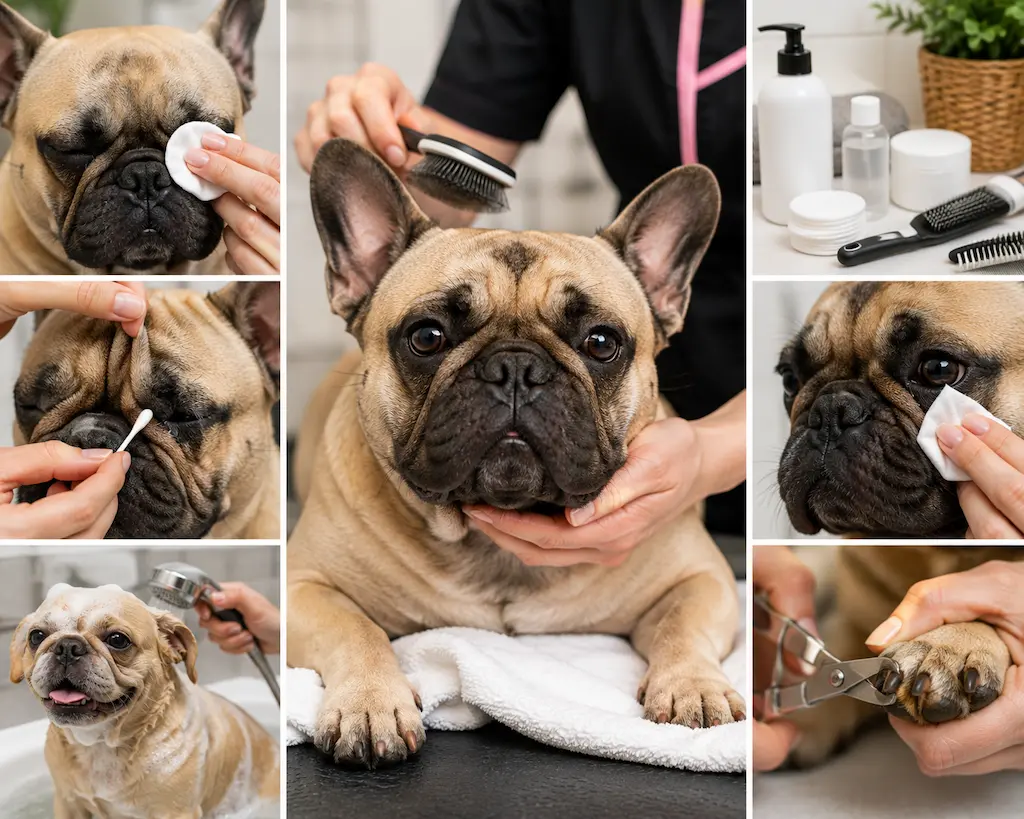
Regular grooming boosts blood flow to the skin, spreads natural oils, and stops tangles before they damage the coat.
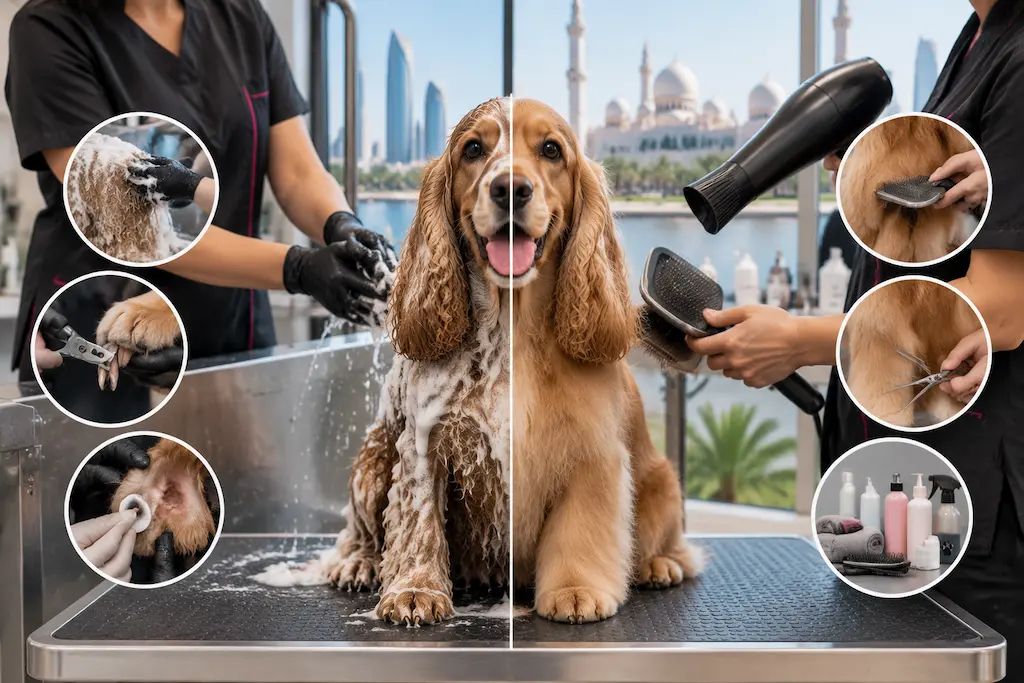
- Brushing: brush regularly to remove loose fur and stimulate follicles
- Bathing: use a gentle, dog-safe shampoo; harsh products strip natural oils
- Drying: dry your dog fully to avoid fungal or skin issues
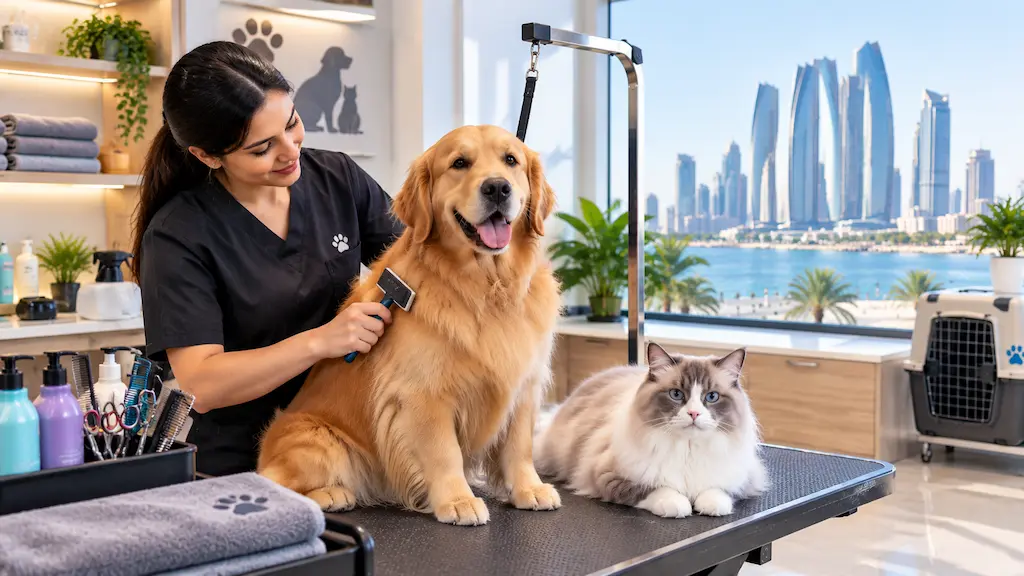
Professional care speeds things up too. If you’re searching for expert dog grooming in Abu Dhabi, certified groomers offer de-shedding and deep-conditioning treatments that support a healthier coat. Pet owners across the UAE rely on trusted Pet grooming in Abu Dhabi services to keep coat care consistent, which is one of the biggest factors in steady hair growth.
Supplements for Stronger, Healthier Hair
When diet alone isn’t enough, vet-approved supplements can fill the gap. Helpful options include:
- Fish oil capsules for essential fatty acids
- Biotin chewables for regrowth in thin or patchy areas
- Skin-and-coat multivitamins that combine several nutrients
Always check with your vet before adding supplements, since too much of certain vitamins can cause harm or interact with other medications.
Common Dog Coat Myth: Weekly Dry Shampoo
One of the most debated grooming habits is frequent dry shampoo use. While it can freshen your dog between baths, relying on weekly dry shampoo may clog pores and disrupt natural oil distribution. Use it occasionally, and never as a full replacement for proper baths.
Lifestyle and Care Tips for Better Hair Growth
Small daily habits add up to a noticeably healthier coat:
- Hydration: fresh water prevents dry, flaky skin
- Exercise: improves circulation and nutrient delivery to follicles
- Stress reduction: chronic stress increases shedding
- Parasite control: fleas and ticks can cause patchy hair loss
Mobile Grooming for Stress-Free Care
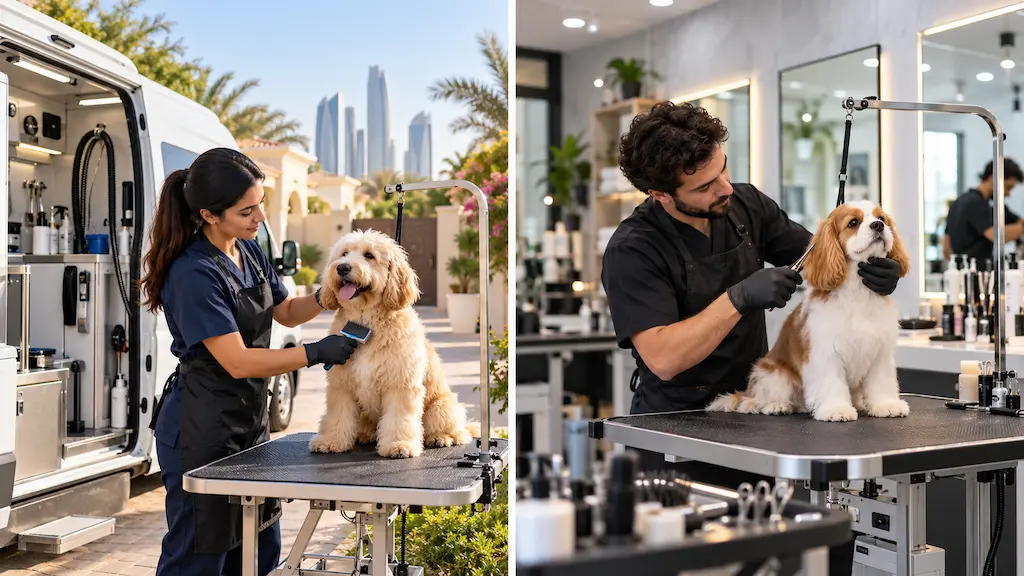
Not every dog enjoys a trip to the salon. Mobile grooming in Abu Dhabi brings professional care to your doorstep, lowering travel stress and making it easier to stick to a regular grooming routine, which directly supports coat health.
When to See a Vet
If your dog’s coat stays poor despite good diet and grooming, book a vet visit. Persistent coat problems can point to a medical cause, such as:
- Hypothyroidism
- Cushing’s disease
- Allergic dermatitis
- Fungal or bacterial infections
Catching these early leads to faster treatment and recovery.
How Long Does It Take for a Dog’s Coat to Grow Back?
Coat regrowth depends on breed, age, and the cause of the hair loss. As a general guide:
| Coat Type | Typical Regrowth Time |
|---|---|
| Short-haired breeds | 4 to 6 weeks |
| Medium-haired breeds | 2 to 3 months |
| Long-haired breeds | 3 to 6 months or more |
Consistent diet, grooming, and care help your dog stay on the shorter end of these ranges.
Frequently Asked Questions
How can I make my dog’s hair grow faster naturally?
Feed a high-protein diet with omega-3 fatty acids, brush regularly to stimulate the skin, keep your dog hydrated, and reduce stress. These natural steps support steady, healthy regrowth.
Which foods help dog hair grow faster?
Lean proteins like chicken, turkey, and salmon, plus omega-rich foods such as fish oil and flaxseed, support coat growth. Biotin, zinc, and vitamin E are also important.
Does brushing help a dog’s hair grow?
Yes. Brushing boosts blood flow to the follicles, spreads natural oils, and removes loose fur, all of which encourage a healthier, faster-growing coat.
Why is my dog’s hair not growing back?
Slow or absent regrowth can be caused by poor nutrition, parasites, stress, or a medical issue like a thyroid disorder. If it persists, see a vet.
Do supplements really help dog coat growth?
Vet-approved fish oil, biotin, and skin-and-coat multivitamins can help, especially when diet falls short. Always confirm the right dose with your vet first.
Conclusion
A dull, thinning, or patchy coat is rarely a mystery once you know what to look for. Most of the time, the fix comes down to the basics: quality protein, consistent omega-3 intake, regular brushing, and patience, since real regrowth takes weeks, not days. The exceptions are worth watching for too. Symmetrical thinning, persistent flakiness, or a coat that doesn’t respond to good care despite your best efforts are signs worth a vet visit rather than another supplement.
In the meantime, consistency is what actually moves the needle. Regular dog grooming in Abu Dhabi keeps shedding fur and tangles from compounding into bigger coat problems, and often catches skin or coat issues long before they’re visible to you at home. If getting your dog to the salon regularly is the hard part, mobile grooming in Abu Dhabi brings that same de-shedding and deep-conditioning care to your doorstep, making it far easier to stay consistent.