


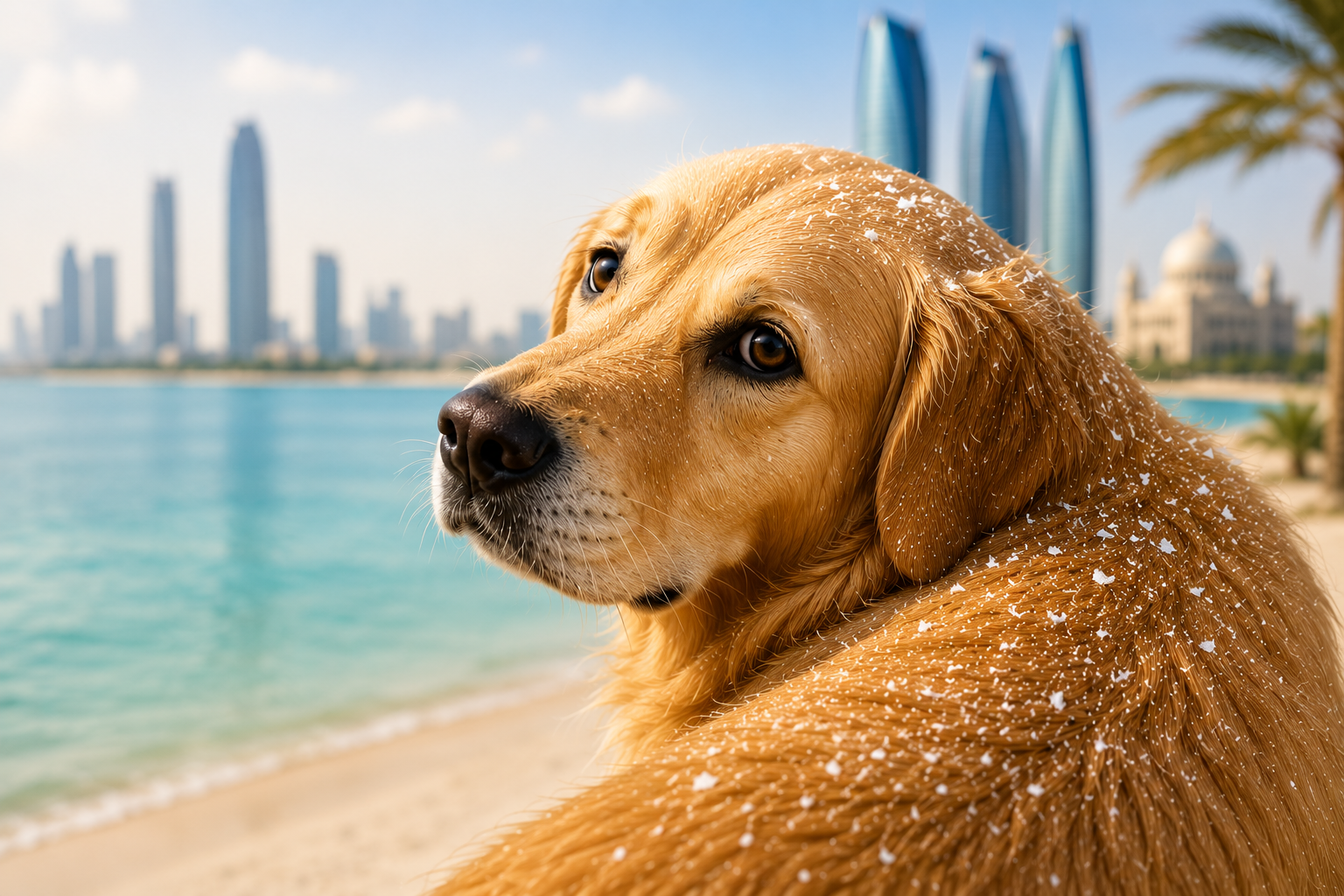
Weekly muddy paws and surprise doggy odors are part of life when you share your home with an active pup, but not every mess needs a full bath. As a groomer, I see a lot of owners reach for dry shampoo as a quick “between baths” fix, especially if their dog hates water or they’re already used to professional pet grooming in Abu Dhabi. One regular client, a golden retriever named Max, used to come in smelling like he’d rolled in something questionable every other week. His owner started using a dog-safe dry shampoo between our sessions, and it made a real difference, but it also raised the exact question this guide answers: is doing that every week actually safe?
Used the right way, dry shampoo can help manage smell and surface dirt, but it’s not a magic replacement for a proper wash, and using it every single week isn’t always the best idea for every dog.
If you’ve been wondering whether a weekly dry shampoo routine is safe, this guide is for you. We’ll walk through what dry shampoo actually does (and doesn’t do) for your dog’s coat, how often groomers and vets generally recommend using it, and how to combine it with regular bathing and brushing so your dog stays fresh without irritating their skin. You’ll get clear, expert-backed advice you can apply at home and know when it’s time to book full grooming instead of just another quick spray.
Curious About Dry Shampoo For Dogs?
Well, dry shampoo for dogs is a special kind of waterless cleaning product designed to freshen up your furry friend’s coat without giving them a full bath. It works by absorbing extra oils and odors, making their coat feel cleaner and smell much fresher. It’s great for spot cleaning or for those times when you can’t do a regular bath. Just keep in mind, this is very different from human dry shampoo, which can be harmful to dogs.
What Exactly is Dry Shampoo Made Just For Dogs?
It’s a product created with ingredients that are gentle and safe for a dog’s sensitive skin and fur. You’ll often find natural things in it, like oatmeal, aloe vera, baking soda, or other natural deodorizers. These help calm the skin, soak up smells, and leave your dog feeling fresh without using harsh chemicals.
And remember, you should never use human dry shampoo on your dog. Our skin has a different pH level than theirs. Human products usually have perfumes, alcohols, and other chemicals that can really irritate a dog’s skin, and could even be harmful if they accidentally swallow any of it.
How Does Dry Shampoo Work on a Dog’s Coat?
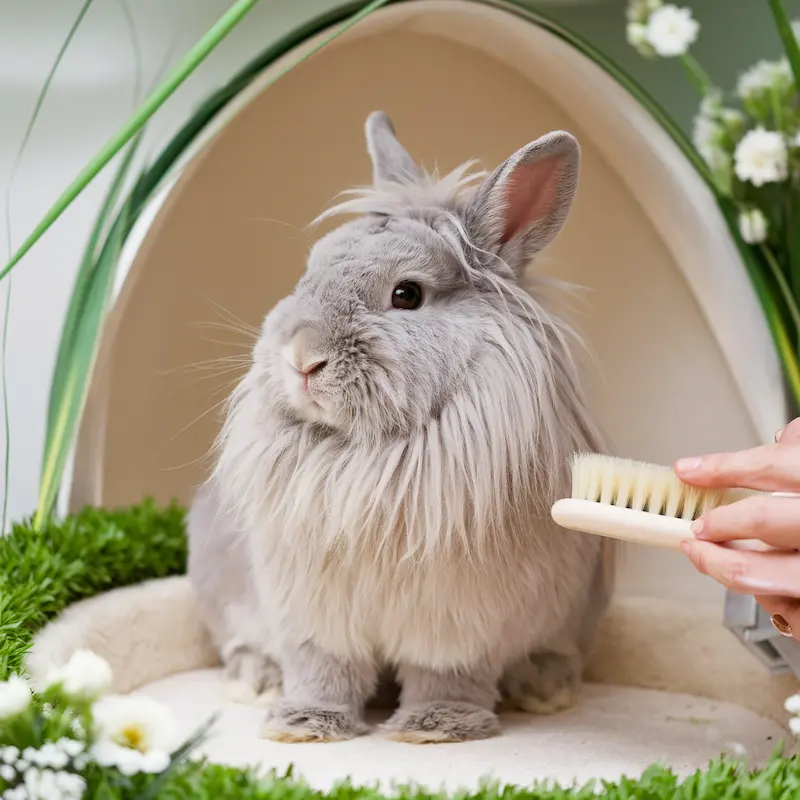
Dry shampoo helps clean your dog’s fur by using absorbent powders or sprays. When you apply it, these ingredients grab onto the oils and dirt stuck in the hair. You just leave it on for a little while, then brush it out. This gets rid of the grime, making the coat look cleaner and smell fresher. Don’t forget to brush after applying it, this step is super important. It helps spread the product evenly, takes out any loose fur, and makes sure there’s no leftover residue, giving the coat that nice, clean finish.
Is It Safe to Use Dry Shampoo Weekly?
Many pet owners wonder if they can use dry shampoo on their dog every week. For most healthy dogs, weekly use is generally fine as long as it’s applied properly and paired with regular wet baths. But there’s an important exception: dogs with existing allergies or skin conditions should be more cautious, since dry shampoo can sometimes worsen irritation in skin that’s already sensitive. If your dog has known skin issues, check with your vet before starting a regular dry shampoo routine.
Either way, dry shampoo isn’t meant to take the place of regular baths with water. Think of it as a helpful assistant, not a complete replacement for a good soak.
Benefits of Using Dry Shampoo Weekly (with Caution)
If used wisely, dry shampoos offer several advantages:
- Quick clean-up between baths
- Ideal for active dogs
- Suitable for older dogs
- Reduces odor
- Less stressful for anxious dogs
- Convenient and time-saving
Risks and Considerations of Frequent Use
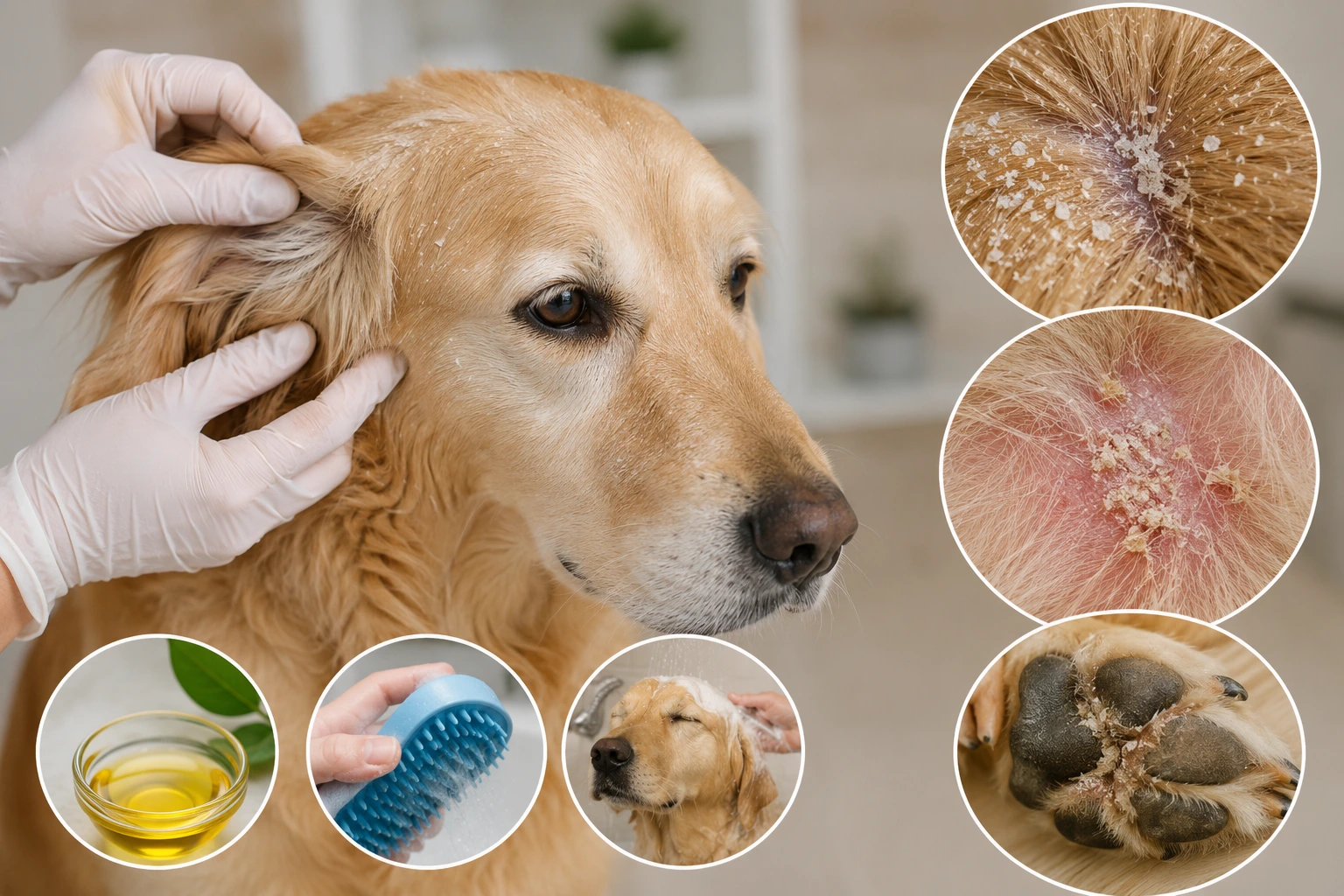
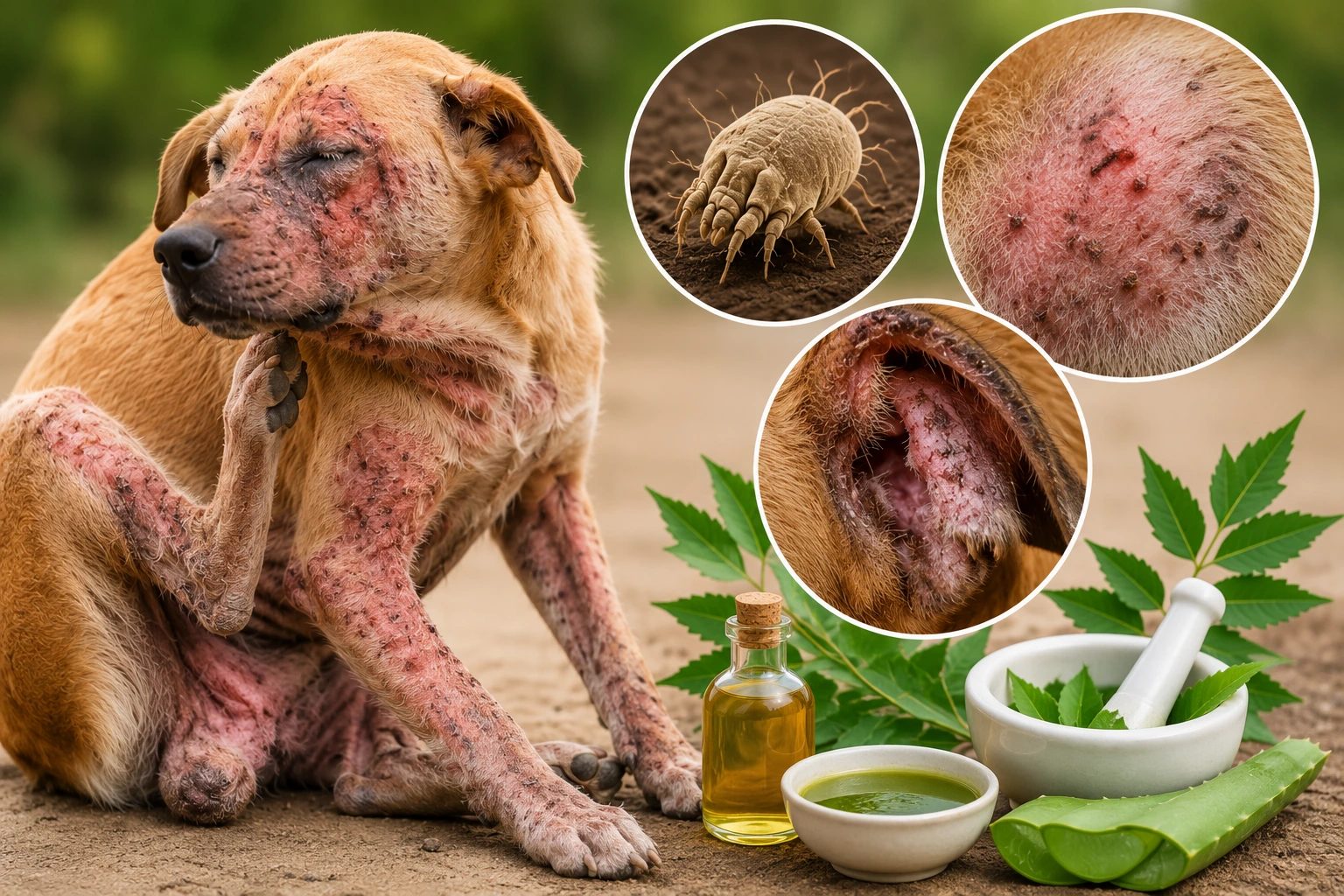
While convenient, overuse of dry shampoos comes with its own set of concerns. Frequent dry shampoo application can lead to product buildup on the skin and coat. This buildup might clog pores, causing skin irritation, dryness, or a dull coat. It can also mask underlying skin issues or parasites that a regular bath would reveal. Proper application and removal are crucial to avoid these issues. Even with dry shampoo use, regular bathing plays an important role in preventing skin problems.
Signs of Overuse and When to Visit the Vet
When it comes to overuse, watch out for these signs. If these signs exist, visit the vet immediately:
- Redness
- Itchiness
- Excessive scratching
- Skin irritation
- Greasy coat
Best Practices for Using Dry Shampoo on Your Dog
The safe use of dry shampoo comes with practicing best practices. You should also complement it with traditional bathing so you can give your dog the healthy hygiene requirements for his coat.
Choosing the Right Dry Shampoo
Selecting a high-quality dry shampoo is the first step. Always look for products specifically formulated for dogs. Check the ingredient list for natural, non-toxic components, such as baking soda, cornstarch, oatmeal, or natural plant extracts. Avoid harsh chemicals, artificial perfumes, and colors that could irritate your dog’s skin or be harmful if ingested. Always opt for a pH-balanced and hypoallergenic formula, especially if your dog has sensitive skin or allergies.
Proper Technique To Apply
The proper usage of dry shampoo makes it very effective and safe. Here is the process:
- Brush your dog to remove tangles and loose fur
- Apply dry shampoo (spray or powder) to the back, belly, and paws
- Avoid spraying near the eyes, nose, or mouth
- Massage the product into the coat
- Let it sit for a few minutes (as per product instructions)
- Brush thoroughly to remove residue
- Wipe with a clean towel if needed
Balancing Dry Shampoo with Traditional Baths
Using dry shampoo is a useful method for in-between baths, but it’s not a complete substitute for traditional bathing. As a general guide, alternate dry shampoo sessions with a proper wet bath every few uses, the exact frequency depends on your dog’s coat, activity level, and skin sensitivity. A wet bath helps deep clean the coat and skin, removing any accumulated residue that dry shampoo might miss. Regular bathing is essential for preventing skin issues, managing shedding, and maintaining overall coat health. Services that offer professional dog grooming in Abu Dhabi can help ensure your dog’s hygiene needs are fully met, and a groomer can also help you settle on the right balance for your specific dog. Remember that dry shampoo is a supplement to good grooming practices, not a replacement.
Max, the golden retriever I mentioned earlier, now gets a dry shampoo touch-up between visits and a full wash with us every few weeks. His coat and skin have stayed healthy on that routine, but every dog is a little different, which is exactly why checking in with your groomer or vet about your specific dog’s needs is worth doing.
Summary
Usage of dry shampoo every week can be very helpful for the grooming upkeep of a dog, as it is a fast way of refreshing its coat. However, it’s crucial to remember that it doesn’t replace regular bathing and proper grooming. For best results, refer to expert advice on how often you should bathe your dog based on coat type, lifestyle, and any existing skin sensitivities.
Prioritize dog-specific products, apply them correctly, and watch for any signs of irritation. Always consult your vet if your dog has allergies or existing skin conditions before starting a regular routine. By balancing convenience with care, you can ensure your furry friend stays clean, comfortable, and happy.
Frequently Asked Questions
Can I safely use dry shampoo on my dog every week?
Using a dog-specific dry shampoo once a week is usually fine for most healthy dogs when applied correctly and combined with regular wet baths. Dogs with allergies or existing skin conditions should check with their vet first, since dry shampoo can sometimes worsen irritation in sensitive skin.
Does dry shampoo replace regular dog baths?
No. Dry shampoo is a quick, waterless way to reduce odour and surface dirt, but it doesn’t fully clean the skin or coat. Your dog still needs routine wet baths and brushing, and professional dog grooming in Abu Dhabi can help maintain deeper hygiene needs.
What signs show I’m overusing dry shampoo on my dog?
Redness, itching, excessive scratching, greasy or dull fur, and visible irritation are common signs of overuse. If you notice any of these, stop using the product and consult your vet to rule out skin issues or allergies.
What type of dry shampoo should I choose for my dog?
Always choose dry shampoos made specifically for dogs, ideally pH-balanced and hypoallergenic. Look for gentle, natural ingredients like oatmeal, cornstarch, or plant extracts and avoid harsh chemicals, strong perfumes, or products formulated for humans.
How do I balance dry shampoo with full grooming?
Use dry shampoo sparingly for in-between clean-ups, then schedule regular wet baths based on your dog’s coat type, activity level, and environment. If you’re unsure of the right schedule, speak with your vet or a professional groomer who can advise you on bathing frequency and coat care.