



A client once brought her Maine Coon, Simba, in for what she assumed was a routine trim, only for our groomer to find a tight mat hidden low on his belly, pressed right against irritated skin. Simba had been self-grooming daily, as cats do, yet the mat had formed anyway, tucked in a spot he simply couldn’t reach on his own. His owner was stunned; she’d always assumed that a cat’s constant licking meant grooming was one thing she didn’t need to worry about.
It’s a misconception we run into constantly. Cats are meticulous self-groomers, spending a large part of their day licking and cleaning themselves, which understandably leads many owners to assume professional grooming isn’t necessary. But as groomers who examine cats closely every day, we consistently find issues self-grooming simply can’t catch or resolve on its own, matting in hard-to-reach spots, early skin irritation, or the kind of dull coat that signals something deeper. Here are the signs worth watching for, and why mobile grooming services in abu dhabi delivered right to your door tend to be the better choice for most cats.
1. Excessive Shedding and Hairballs
Shedding is normal, especially with seasonal changes, but excessive shedding raises the risk of hairballs, which can lead to vomiting or, in more serious cases, intestinal blockages. If you’re finding fur on furniture, clothes, or the floor more than usual, it’s a sign your cat could benefit from a proper cat grooming session. Professional groomers use deshedding tools that remove loose undercoat far more thoroughly than a standard brush, cutting down hairball risk at the source.
2. Matted or Tangled Fur
Matted fur isn’t just unsightly, it’s genuinely uncomfortable. Mats pull on the skin, cause irritation, and can trap dirt or parasites underneath. Long-haired breeds like Persians and Maine Coons are especially prone to this, exactly what happened with Simba, but even short-haired cats can develop mats without regular grooming. Visible clumps or tangles are a clear signal it’s time for professional attention.
3. Greasy, Dull, or Dirty Coat
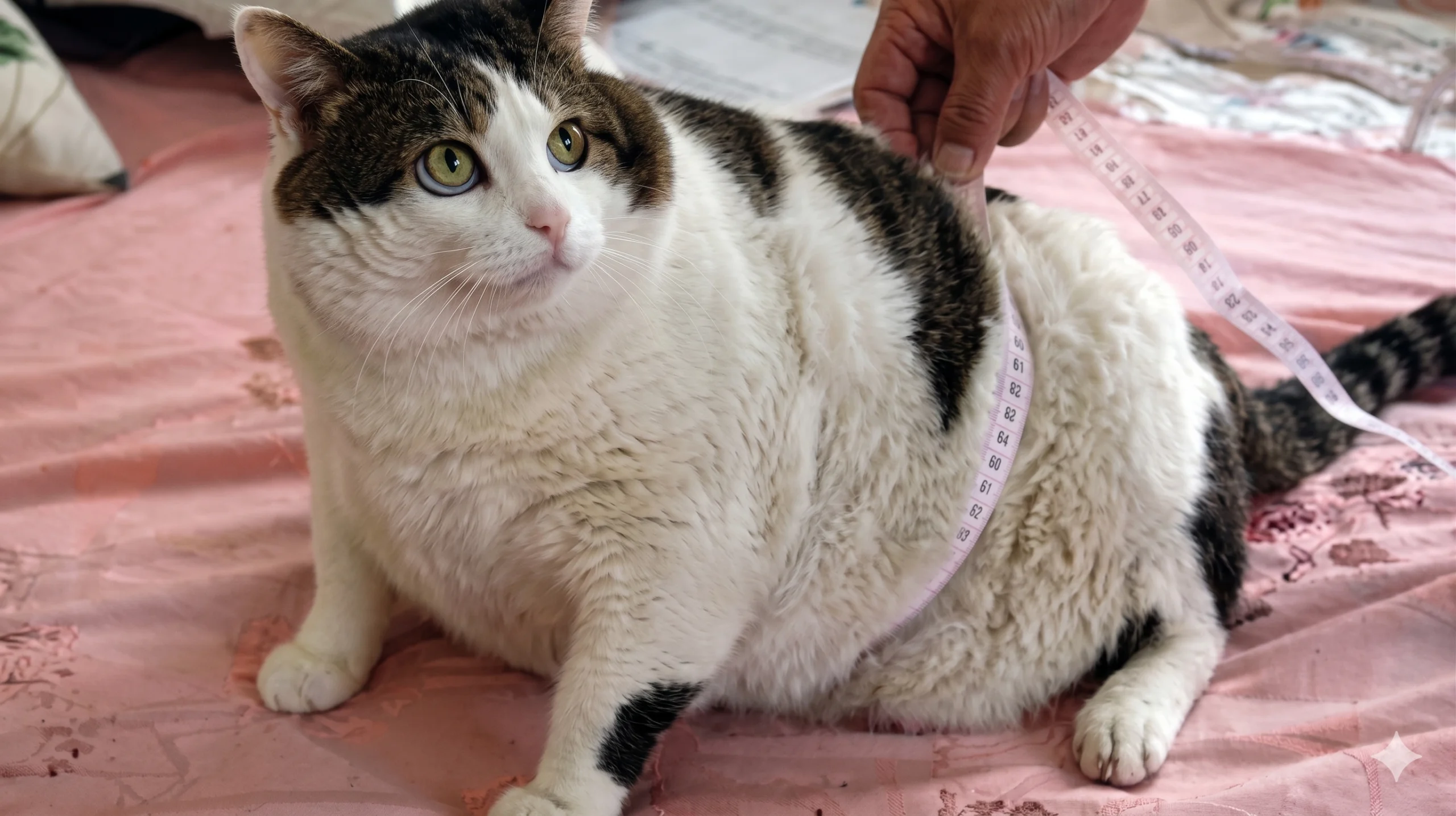
A healthy coat should feel soft and look shiny. If your cat’s fur feels greasy or looks dull or dirty despite regular self-grooming, it could point to age, obesity, arthritis, or another condition limiting their ability to groom effectively. Professional groomers can restore coat condition while flagging any underlying health concerns worth mentioning to a vet.
4. Untrimmed Claws
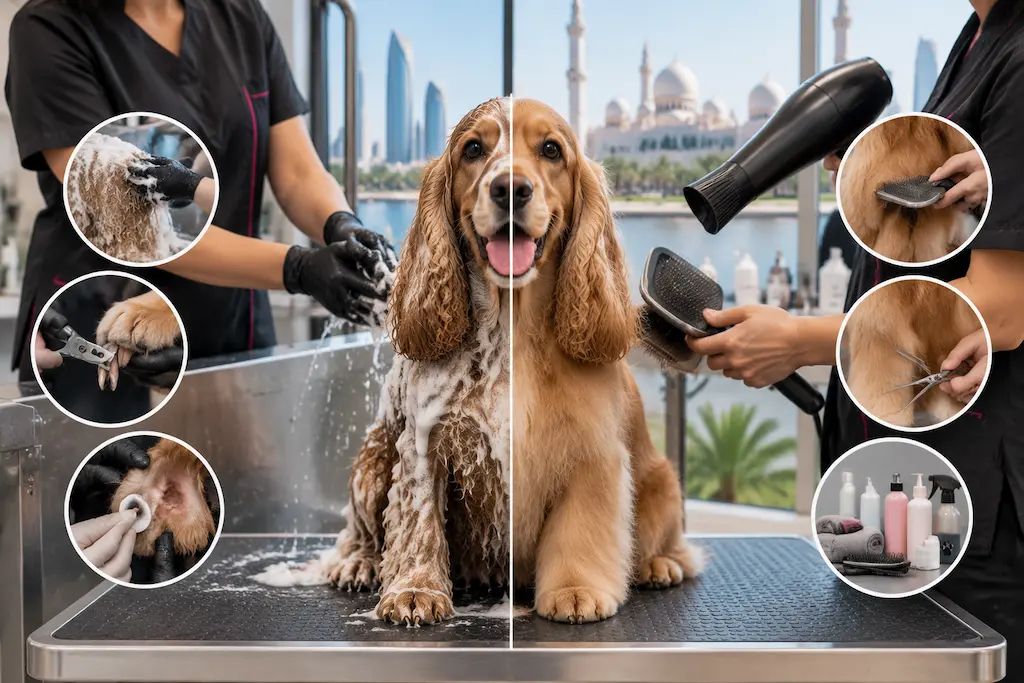
Indoor cats often don’t wear down their claws naturally through normal activity. Overgrown nails can become painful, lead to ingrown claws, and damage furniture in the process. If you’re hearing clicking on the floor or noticing snagged fabric, a trim is overdue, one of the simplest but most overlooked parts of routine grooming.
5. Bad Odor or Dirty Ears
Cats are typically odorless, so any noticeable smell is worth investigating, it could point to dental issues, infected ears, or general hygiene buildup. Dirty ears specifically may indicate mites or infection. A proper grooming session includes a thorough ear check and cleaning as standard. Our guide on why cat ears get dirty and what to do about it breaks down what’s normal buildup versus something that needs closer attention.
Why Home Grooming Tends to Work Better for Cats
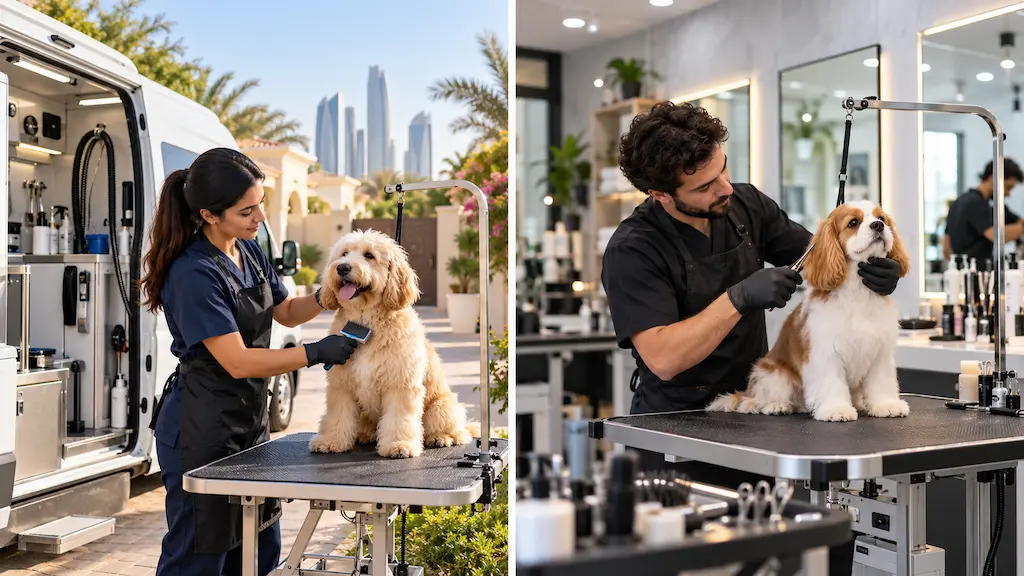
Cats are territorial by nature and often become stressed when removed from familiar surroundings. Car rides, unfamiliar noises, and new scents at a salon can trigger real anxiety. This is exactly where mobile grooming makes a meaningful difference, your cat receives focused, one-on-one attention in a calm, familiar environment, without the added stress of travel or waiting around.
Choosing the Right Groomer
When it comes to your cat’s coat and comfort, experience and gentleness matter more than almost anything else. That’s why pet parents across Abu Dhabi increasingly turn to trusted pet grooming in Abu Dhabi, professional, compassionate, and brought directly to your doorstep, making the entire process easier for both you and your cat.
Frequently Asked Questions
How often should my cat be professionally groomed?
Most cats benefit from a session every 4 to 6 weeks, though long-haired breeds or heavy shedders may need more frequent visits.
Can matted fur really hurt my cat?
Yes, mats pull tightly on the skin and can cause real discomfort, and in some cases hide irritation or parasites underneath, which is why professional removal is safer than attempting it at home.
Is home grooming actually less stressful for cats than a salon visit?
For most cats, yes. Staying in a familiar environment without travel or exposure to unfamiliar animals significantly reduces anxiety during the session.
What does a dull or greasy coat usually indicate?
It can point to age-related changes, obesity, arthritis, or another condition limiting a cat’s ability to self-groom effectively, worth mentioning to your vet if it persists.
Should I be concerned if my cat’s ears smell unusual?
Yes, unusual odor from the ears can indicate mites or infection and is worth a closer look during a grooming session or a vet visit if it doesn’t resolve.
Conclusion
Cats are excellent self-groomers, but as Simba’s case showed, even the most diligent self-cleaning has its limits. Recognizing these signs early, and choosing a calm, professional environment for grooming, makes the difference between a stressed, uncomfortable cat and one that’s genuinely well cared for. If you’re noticing any of the signs above, it’s worth booking a session sooner rather than later.