



When Aisha’s Persian, Loki, started waking up with his eyes crusted shut every morning, she assumed it was just “a Persian thing,” something she’d read was normal for flat-faced breeds. It wasn’t until her groomer gently pointed out that the discharge had turned from its usual light tan to a thicker yellow that she realized this wasn’t the harmless tear staining she’d been wiping away for months. A quick vet visit confirmed a mild eye infection, caught early enough to clear up in days rather than becoming something more serious.
Cats are known for their graceful, independent nature, but even the most self-sufficient cats sometimes need a little grooming help, and the eyes are one area that’s easy to underestimate. Proper hygiene around the eyes plays a real role in a cat’s overall health. Cleaning your cat’s eye discharge isn’t just about appearances, it helps prevent infection and discomfort. Knowing whether you’re dealing with a simple tear stain or a sign of something more serious makes all the difference. Handling this correctly is part of regular pet grooming in Abu Dhabi, and avoiding a few common mistakes, covered in our guide on the do’s and don’ts of cat grooming for Abu Dhabi pet owners, can make the whole process much smoother.
Understanding Why Cats Develop Eye Gunk
Eye discharge in cats is more common than most owners think. It can be as harmless as everyday tear staining or as serious as an active infection. Understanding the root causes helps you know what you can safely manage at home and when it’s time to call a vet.
Normal vs. Abnormal Eye Discharge
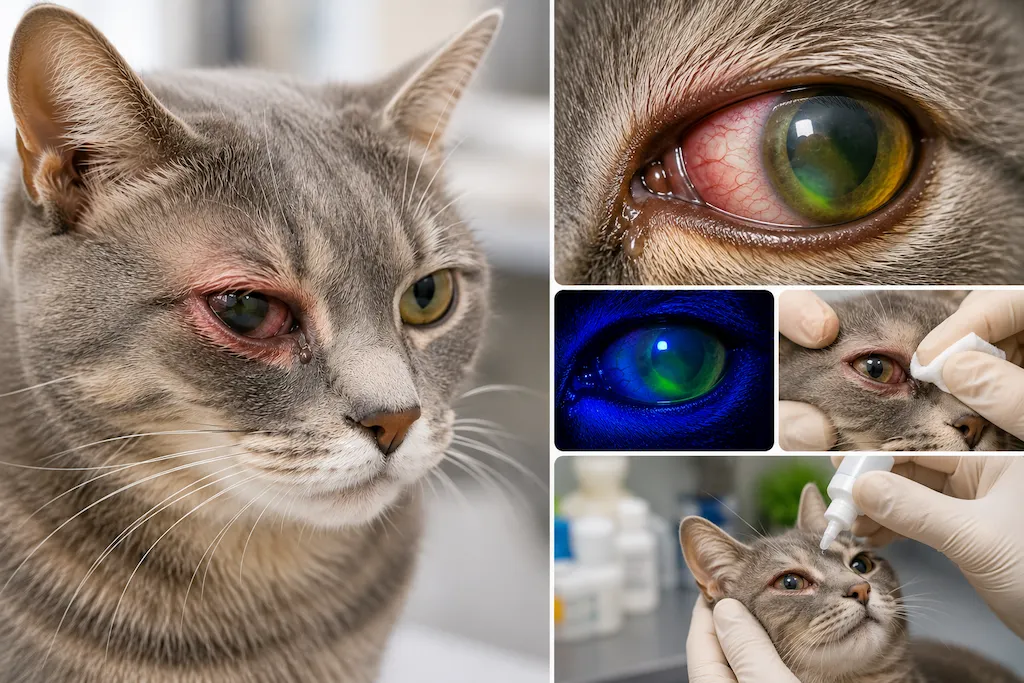
Every cat produces some discharge around the eyes, especially flat-faced breeds like Persians or Himalayans. Normal discharge is clear or slightly brown and usually nothing to worry about. However, if the discharge turns yellow, green, or noticeably thicker, or if the eyes look swollen or red, it may point to infection, conjunctivitis, or another underlying issue.
Common Triggers for Eye Discharge in Cats
Triggers vary widely. Environmental irritants like dust, pollen, and smoke can cause minor tearing. Allergies and certain medical conditions, such as feline herpesvirus, can also affect the eyes significantly. Regular grooming helps manage these issues and keeps your cat’s coat and face healthy overall.
Why this is worth taking seriously: Feline herpesvirus (FHV-1) is considered the most common cause of conjunctivitis in cats, and veterinary research estimates that as many as 80% of cats carry a latent form of the virus, with a meaningful share going on to develop recurring eye flare-ups later in life. That’s part of why a “simple tear stain” is worth a closer look rather than an automatic assumption, especially if it recurs.
Step-by-Step Guide to Cleaning Cat Eye Gunk
Cleaning your cat’s eye discharge should always be done gently and carefully. Your furry friend deserves a calm, patient approach.
Tools you’ll need:
- Cotton balls or soft gauze pads
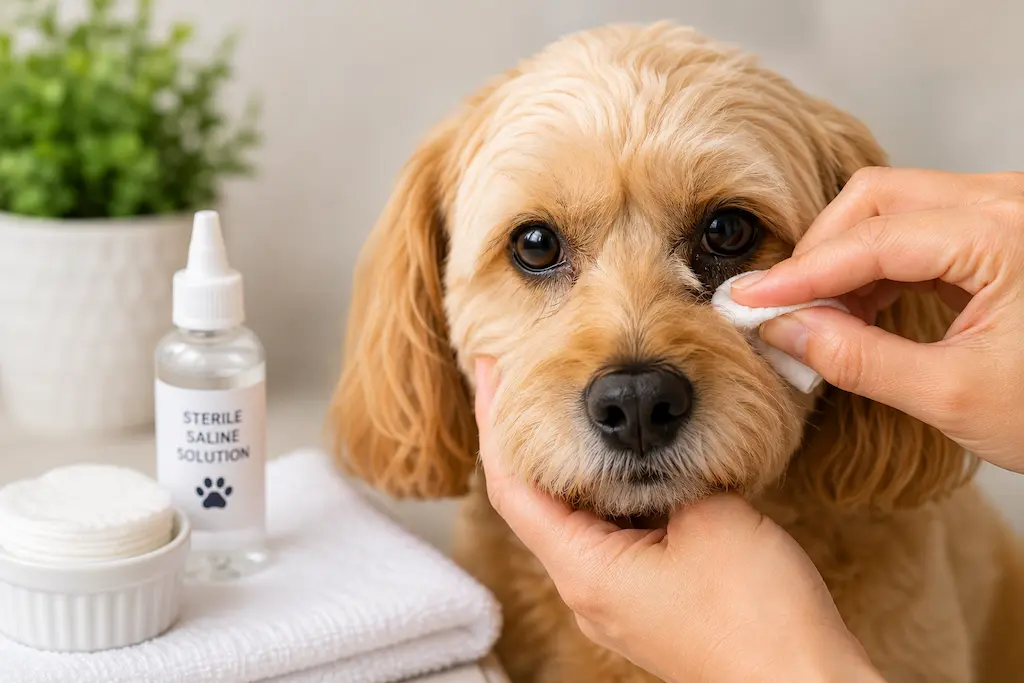
- Sterile saline solution (avoid anything rigid or homemade)
- A soft, damp cloth (optional, for wiping remaining moisture)
- A comfortable towel, if your cat tends to wriggle
Gentle cleaning technique:
- Wash your hands to avoid transferring bacteria.
- Secure your cat gently, wrapping them in a towel if needed to keep them calm and still.
- Soak a cotton ball in saline solution or warm water.
- Wipe gently, starting at the tear duct and moving outward. Use a fresh cotton ball for each eye to avoid cross-contamination.
- Pat dry using a soft cloth around the eye area.
Repeat as needed, or as guided by your veterinarian.
How Often Should You Clean
This depends on your cat’s individual needs. Flat-faced (brachycephalic) breeds may need daily cleaning to prevent buildup, while other breeds usually only need a weekly check and clean. If you notice redness or unusually heavy tearing, increase the frequency for a few days, and consult your vet if it doesn’t improve.
Preventing Cat Eye Gunk Through Regular Grooming
Prevention is always easier than treatment. Regular grooming keeps your cat clean and reduces how often eye gunk builds up in the first place. For long-haired breeds especially, trimming the fur around the eyes can prevent irritation and infection, and it’s part of the styling many owners explore in our guide to fun, practical cat grooming styles.
The Role of Diet and Hydration
Diet and hydration have a real effect on eye health. A well-balanced diet provides nutrients that help fight inflammation and support overall eye health. Offer high-quality cat food rich in omega-3 fatty acids, and keep fresh water easily accessible. A hydrated cat is a healthier cat, inside and out.
When to Seek Professional Help
If your cat’s eye condition doesn’t improve, or gets worse despite regular care, it’s time to bring in the professionals. Severe eye gunk, swelling, or visible discomfort can signal a health problem that needs proper treatment. For ongoing grooming challenges, working with a professional groomer makes life easier, and if getting your cat to a salon adds its own stress, our mobile pet grooming service brings that same professional care straight to your doorstep.
Frequently Asked Questions
Is some eye discharge normal for all cats?
Yes, light, clear, or slightly brown discharge is common, especially in flat-faced breeds like Persians. It only becomes a concern when it changes color, thickens, or is paired with redness or swelling.
Can I use human eye drops or wipes on my cat?
No. Human eye products often aren’t formulated for a cat’s sensitive tissue and pH balance. Stick to sterile saline solution or vet-approved feline wipes.
How do I know if it’s an infection versus just tear staining?
Tear staining is usually light brown and consistent over time. An infection tends to bring thicker, yellow or green discharge, along with redness, swelling, or your cat pawing at the eye.
My cat won’t sit still for eye cleaning. What can I do?
Wrapping your cat gently in a towel, working in a calm and quiet space, and keeping sessions short can help. If your cat remains too stressed, a professional groomer can handle it more safely.
Should I be worried if only one eye is affected?
It’s worth watching closely and mentioning to your vet, since discharge in just one eye can sometimes point to a localized issue like an injury, foreign body, or infection rather than a general irritant.
Conclusion
Keeping your cat’s eyes clean isn’t just about appearances, it’s a genuine health habit. Understanding what causes “eye gunk” and knowing how to clean it properly gives you an easy way to keep your feline comfortable and happy, while also catching bigger issues early. Routine grooming, paying attention to changes, and handling cleaning gently all add up to a stronger bond with your cat and a healthier life for them.