

You brush your dog in the morning, leave for work, and by evening there is fur on the sofa, carpet, and even your clothes. At first, you may assume it is normal shedding. But when the coat starts looking dull or the skin becomes dry, flaky, itchy, or irritated, it may be time to look more closely at your dog’s grooming and care routine.
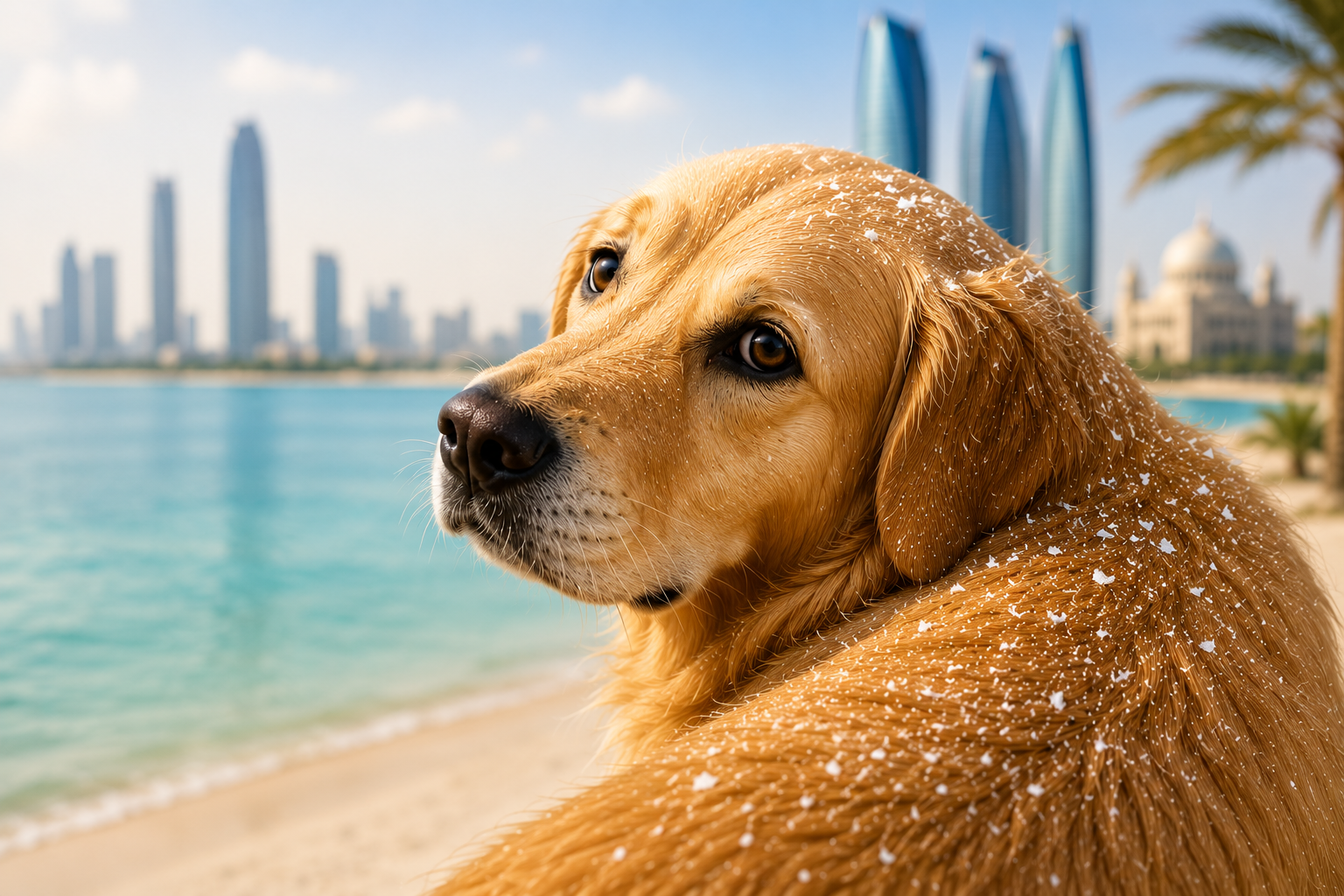
For dog owners in Abu Dhabi, coat care can require extra attention. Heat, dust, sand, outdoor walks, and frequent movement between hot outdoor conditions and air-conditioned indoor spaces can all make regular grooming especially important.
A healthy coat is not only about appearance. Your dog’s skin and coat form an important protective barrier, while regular brushing, bathing, good nutrition, parasite control, and appropriate veterinary care can help keep them comfortable. If maintaining your dog’s coat at home becomes difficult, professional pet grooming in Abu Dhabi can complement your regular home-care routine.
How Can You Improve Your Dog’s Coat and Skin Health?
Before reaching for a new shampoo or supplement, remember that coat health is influenced by several factors at once.
These include:
- Nutrition
- Grooming frequency
- Coat type
- Bathing products
- Hydration
- Parasites
- Allergies
- Overall health
- Stress and behaviour
That means excessive shedding or a dull coat cannot always be fixed by one product alone.
1. Provide a Balanced, Nutrient-Rich Diet
What your dog eats can directly affect the condition of its skin and coat. A complete and balanced dog food should provide appropriate amounts of protein, essential fatty acids, vitamins, minerals, and other nutrients required for healthy skin and hair growth.
Omega-3 fatty acids, particularly EPA and DHA, have received considerable attention for their potential skin and coat benefits.
A randomized, double-blind 2020 study involving 24 dogs with poor-quality coats compared dogs receiving an omega-3 supplement with a placebo group. The researchers reported improvements in clinical coat scores in supplemented dogs from around 60 days, alongside changes in fatty acids measured in their hair and skin.
That does not mean every dog needs an omega supplement. Your dog’s age, diet, weight, health conditions, and current food should be considered first.
Practical tip: Choose a nutritionally complete dog food and ask your veterinarian before introducing fish oil, vitamins, or other supplements.
2. Use Grooming Products Designed for Dogs
Human shampoos, soaps, conditioners, and skincare products are generally not formulated for canine skin.
Instead, use dog-specific products suitable for your pet’s:
- Coat type
- Skin sensitivity
- Age
- Grooming needs
- Existing veterinary conditions
Look for gentle formulations and avoid strongly fragranced products if your dog has sensitive skin. Ingredients such as oatmeal are commonly found in products designed for dry or sensitive canine skin, although the best product will depend on the individual dog.
Using unsuitable shampoos or grooming tools can contribute to irritation, which is why learning how to groom a pet without causing skin irritation is particularly useful for owners who groom their dogs at home.
3. Brush Your Dog Regularly
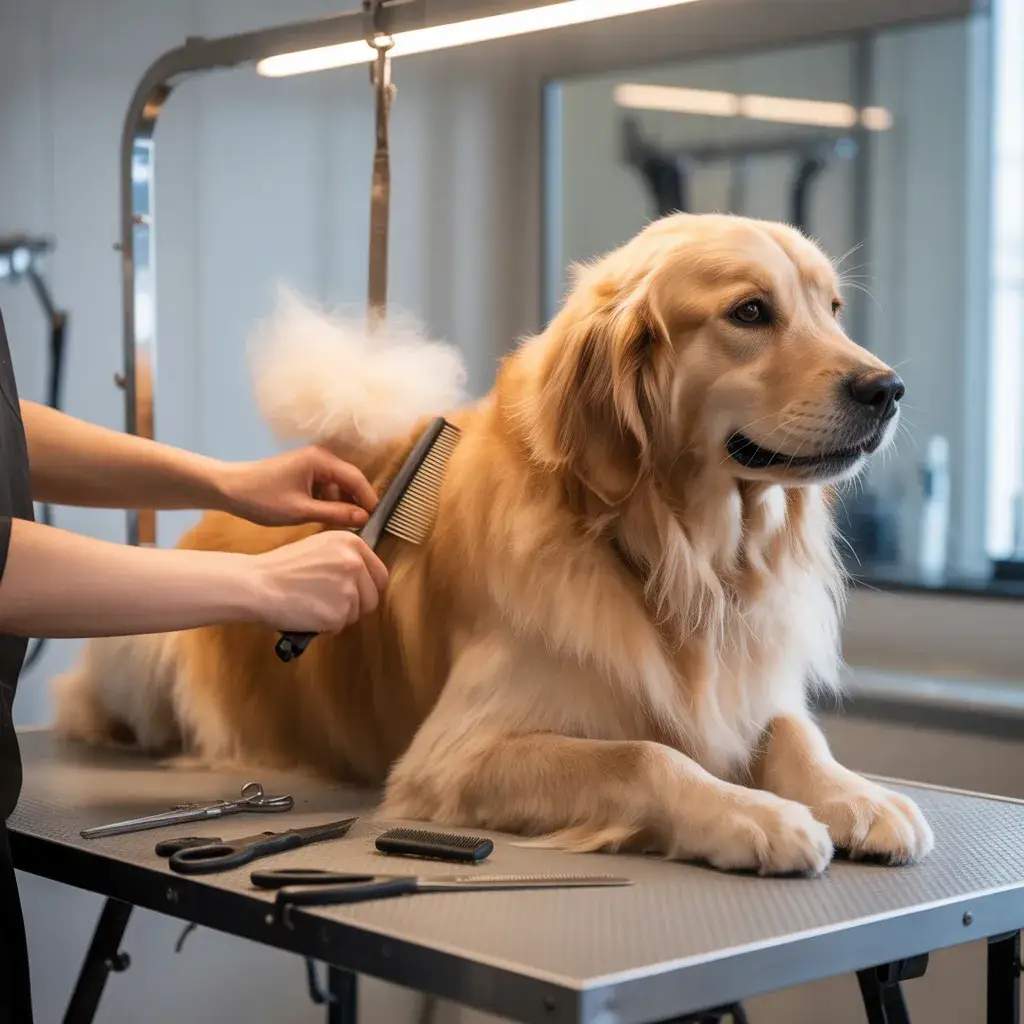
Regular brushing is one of the simplest ways to maintain coat health.
Brushing helps:
- Remove loose and dead hair
- Reduce tangles
- Prevent matting
- Remove some surface dirt and debris
- Spread natural oils through the coat
- Give you an opportunity to inspect the skin
The right frequency depends heavily on coat type.
| Dog Coat | General Brushing Needs |
|---|---|
| Short, smooth coat | Usually once or a few times per week |
| Medium coat | Several times per week |
| Long coat | Often daily or near-daily |
| Thick/double coat | Regular brushing with extra attention during shedding periods |
| Curly coat | Frequent brushing to prevent tangling and matting |
There is no universal schedule for every breed. You can read Groom Room’s guide on how often a dog should be groomed based on breed and coat type for a more detailed breakdown.
For Abu Dhabi dogs that spend considerable time outdoors, checking the coat after walks can also help you spot sand, debris, tangles, or skin irritation early.
4. Bathe Your Dog Without Over-Bathing
Bathing removes dirt, excess oils, allergens, and unwanted odours, but more bathing is not necessarily better. Bathing too frequently with unsuitable products can leave some dogs with dry or irritated skin.
The ideal bathing schedule depends on:
- Breed
- Coat length
- Activity level
- Skin condition
- Outdoor exposure
- Veterinary recommendations
The American Kennel Club also notes that bathing frequency varies according to breed, lifestyle, and coat characteristics rather than following one fixed timetable.
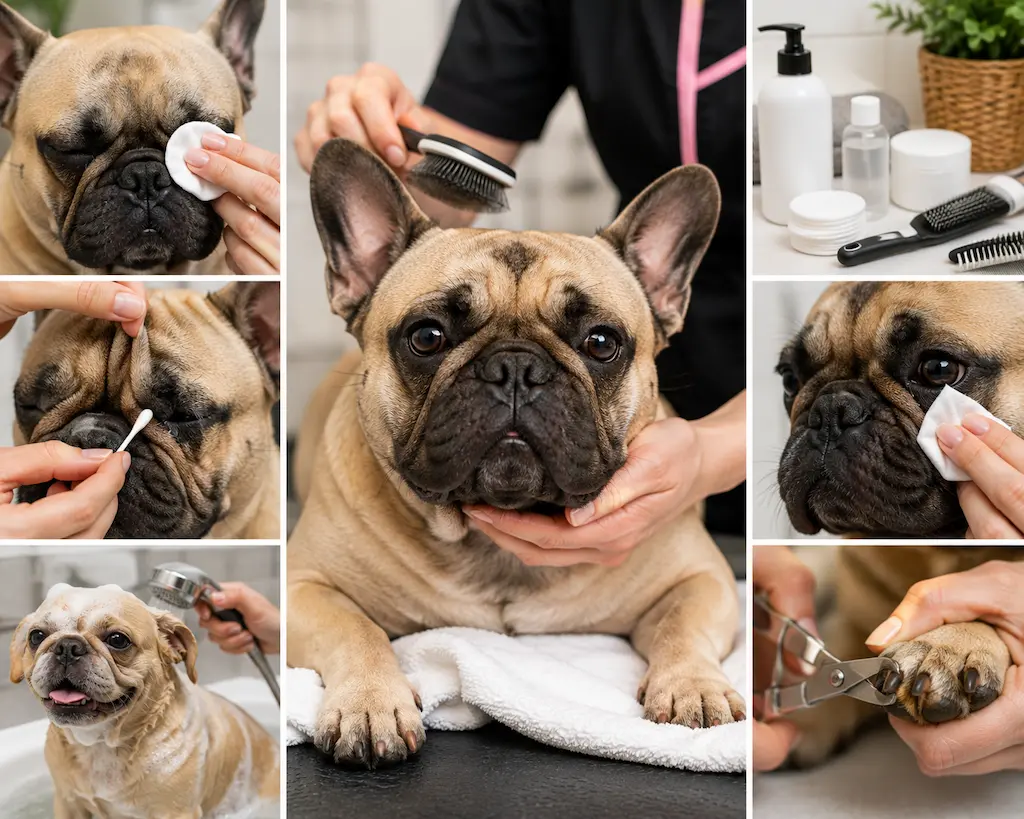
When bathing your dog:
- Brush out major tangles first.
- Use lukewarm water.
- Apply a dog-safe shampoo.
- Rinse the coat thoroughly.
- Dry carefully, particularly around thick undercoats and skin folds.
- Brush again when appropriate for the coat type.
Professional dog grooming in Abu Dhabi can be particularly helpful for long-haired, double-coated, heavily shedding, or difficult-to-handle dogs.
5. Keep Your Dog Properly Hydrated
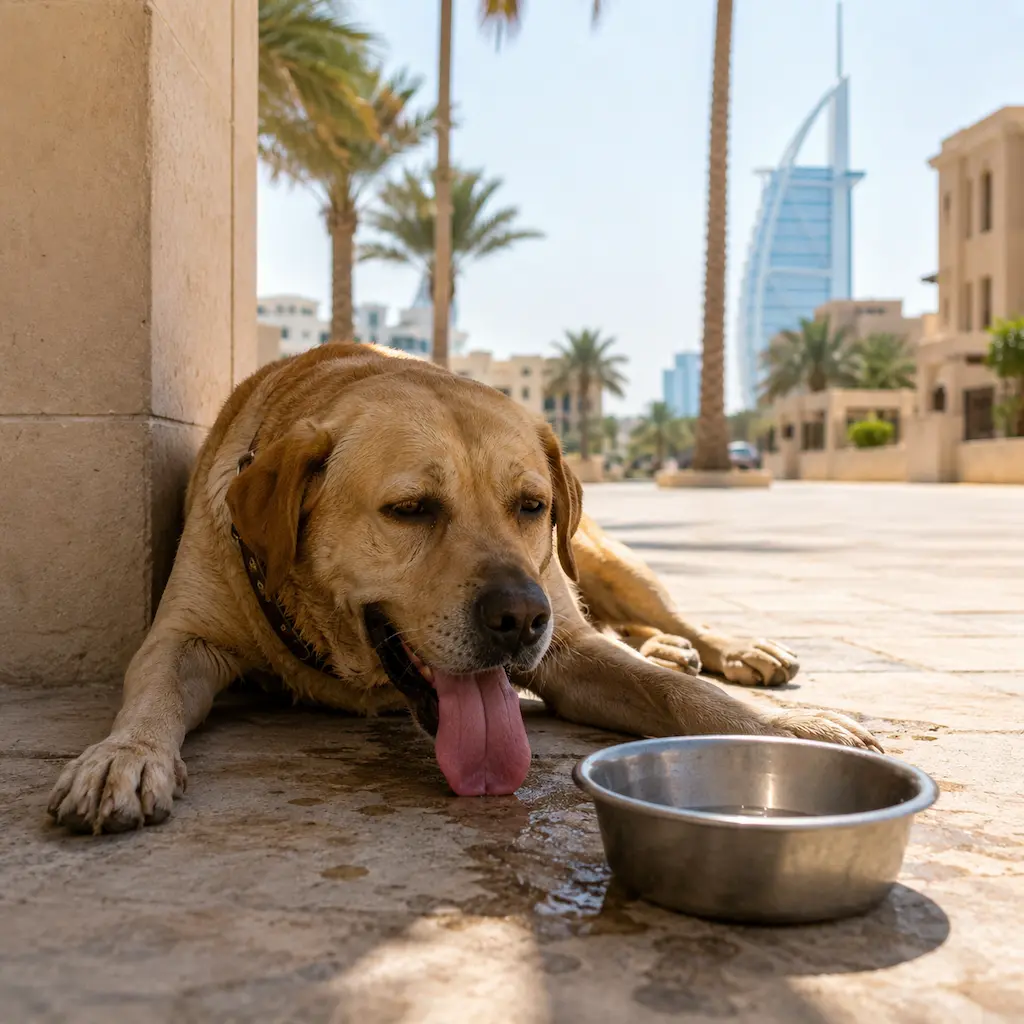
Fresh drinking water should always be available to your dog. Water supports normal body functions, including healthy skin. Dogs may need particularly close attention to hydration during Abu Dhabi’s hotter months or following outdoor activity.
To encourage drinking:
- Keep water bowls clean.
- Replace the water regularly.
- Place multiple bowls around the home if needed.
- Carry water during longer outdoor trips.
- Ask your veterinarian about safe ways to increase water intake if your dog persistently drinks very little.
A sudden increase or decrease in thirst can also indicate an underlying health problem and should not simply be treated as a grooming issue.
6. Be Careful With Coconut Oil and Other Home Remedies
Coconut oil is frequently recommended online for dog coats, but it should not be treated as a guaranteed solution for dry skin or shedding.
Applying oils can make some coats appear shinier temporarily, but excessive topical use may make the coat greasy or aggravate certain skin problems. Adding coconut oil to food also adds extra fat and calories.
If your dog has persistent dryness, dandruff, itching, redness, or hair loss, identifying the underlying cause is more important than covering the symptoms with oil.
Better approach: Ask your veterinarian whether your dog actually needs a dietary supplement or topical treatment before introducing one.
7. Protect Your Dog From Fleas, Ticks, and Other Parasites
Dogs that spend time outdoors may be exposed to fleas, ticks, and other environmental irritants.
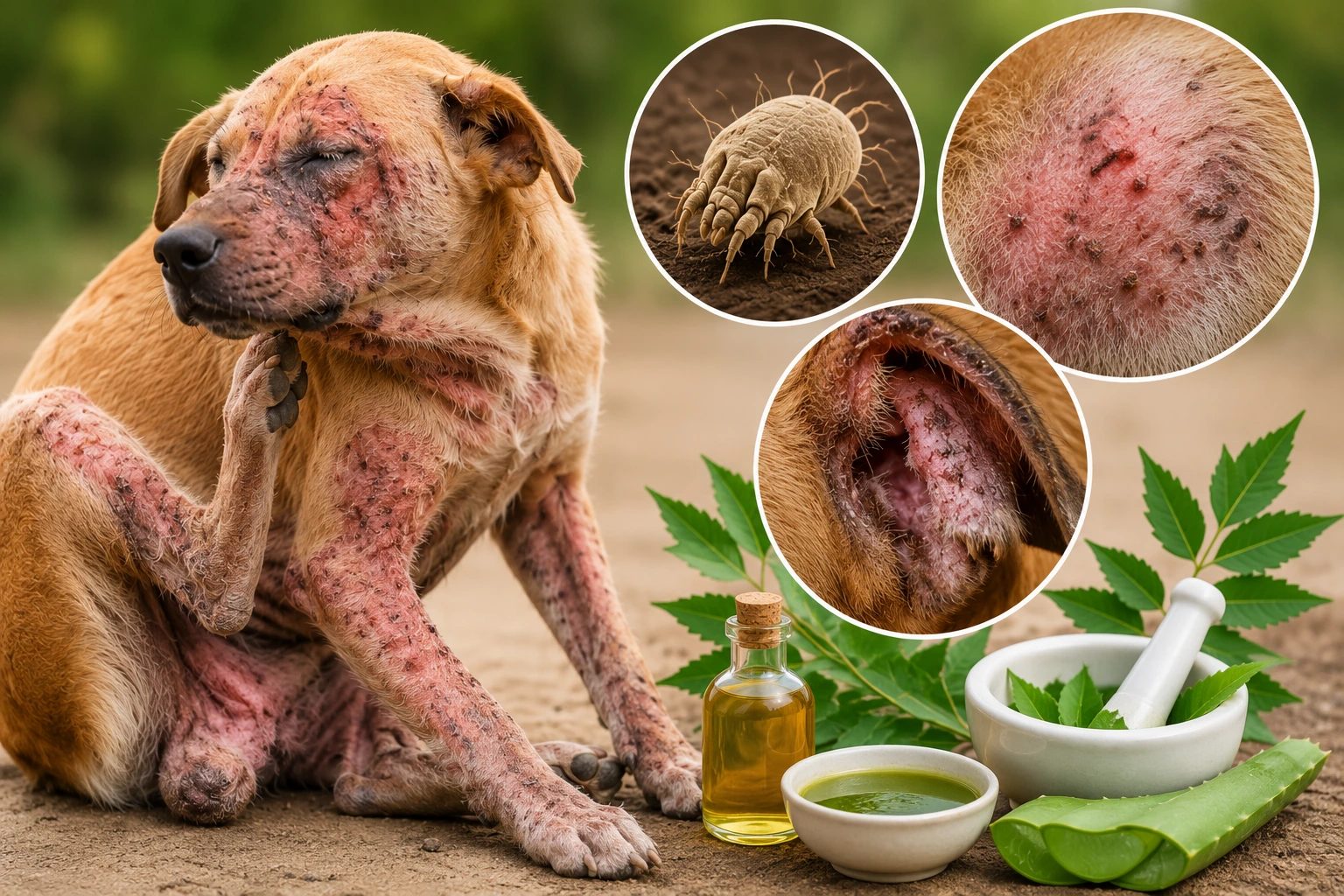
Parasites can contribute to:
- Scratching
- Red or irritated skin
- Hair loss
- Scabs
- Skin infections
- Restlessness
Regularly checking your dog’s coat makes it easier to identify unusual changes early.
Use flea and tick prevention recommended for your dog’s age, weight, lifestyle, and health status. Your veterinarian can recommend an appropriate preventive programme.
Grooming can help reveal visible parasites or skin changes, but it should not replace veterinary parasite prevention.
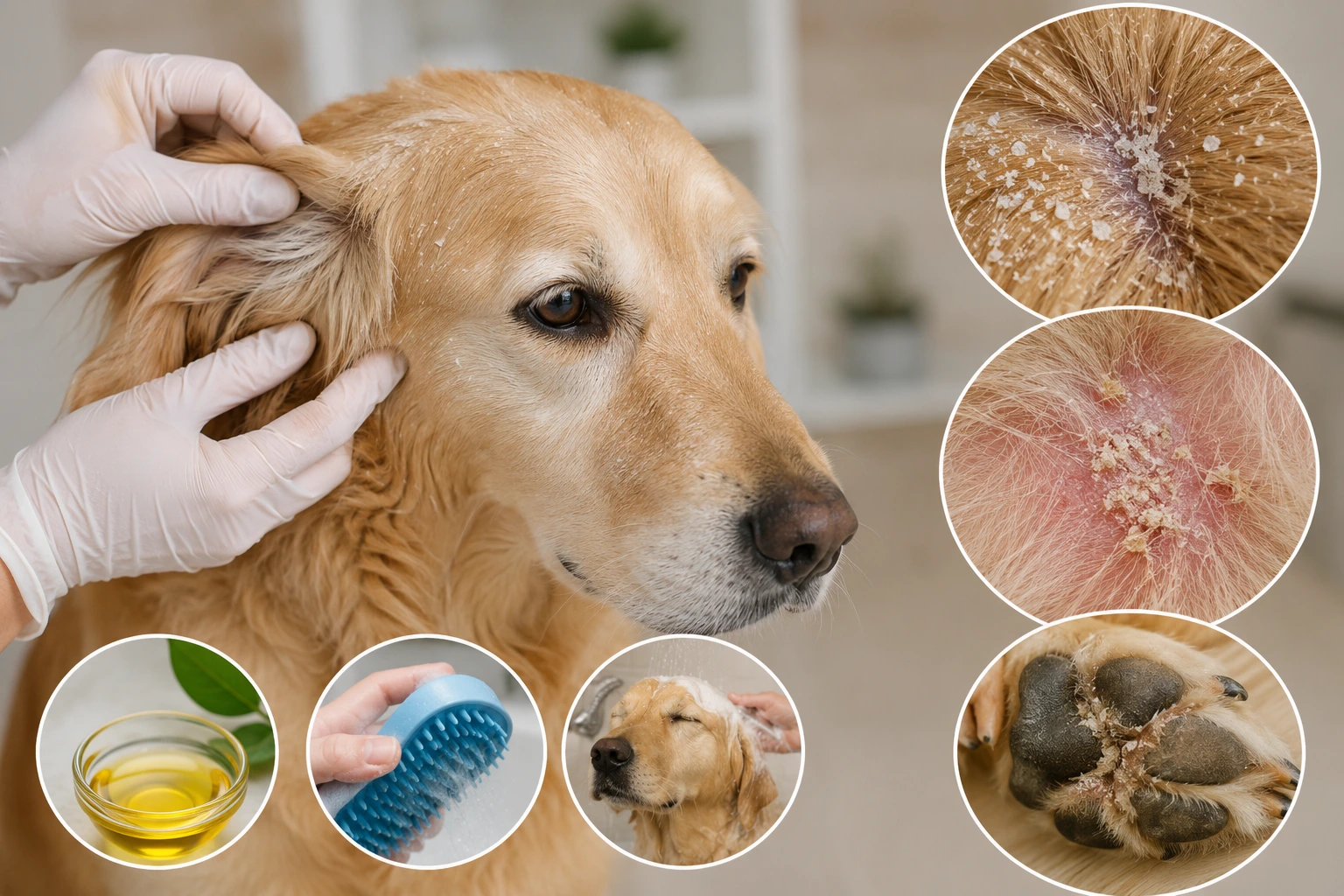
8. Address Allergies and Skin Problems Early
Persistent itching is not something you should automatically blame on poor grooming.
Dogs can develop skin problems associated with environmental allergens, food sensitivities, parasites, infections, and other medical conditions.
Watch for:
- Frequent scratching
- Repeated paw licking
- Red skin
- Ear irritation
- Bald patches
- Unusual odour
- Rashes
- Flaking
- Sores or scabs
Professional groomers may notice visible abnormalities while working through the coat, but diagnosing allergies and skin disease is a veterinarian’s job.
If you want to understand what you may notice during routine coat care, Groom Room’s guide to recognising skin sensitivities and allergies during grooming explains several warning signs to watch for.
When Should You Contact a Vet?
| What You Notice | What to Do |
|---|---|
| Normal seasonal shedding | Continue regular brushing and grooming |
| Mild tangles or accumulated loose fur | Adjust brushing routine or book grooming |
| Persistent scratching | Speak to your veterinarian |
| Red, inflamed or painful skin | Veterinary assessment recommended |
| Bald patches | Veterinary assessment recommended |
| Open sores or bleeding | Seek veterinary care |
| Sudden heavy hair loss | Contact your veterinarian |
| Visible fleas or ticks | Discuss appropriate parasite treatment |
9. Maintain a Consistent Professional Grooming Routine
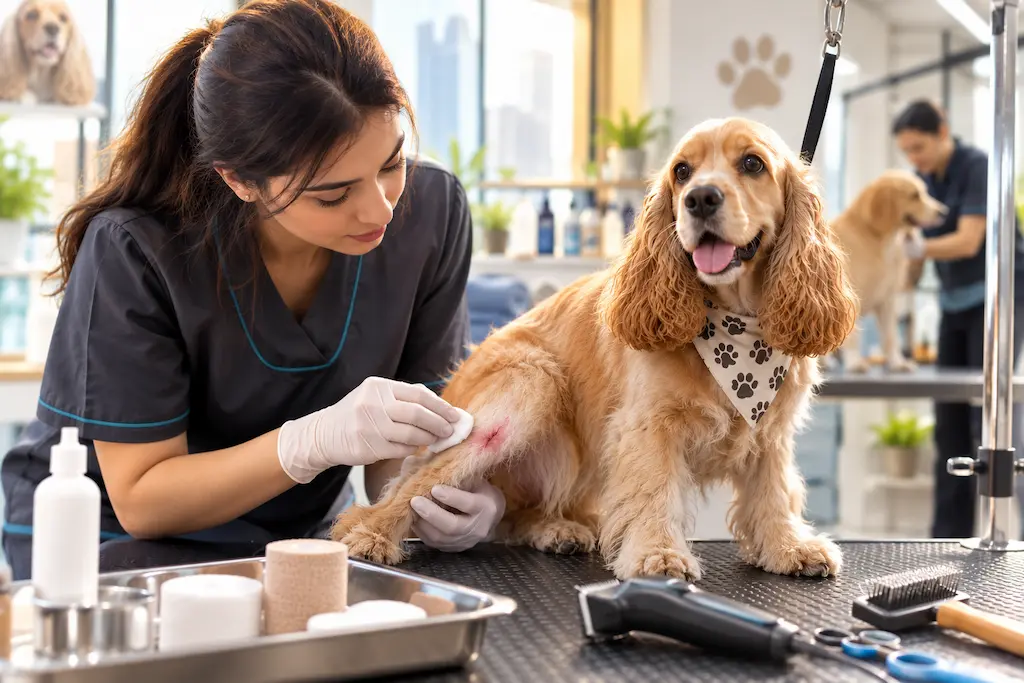
Home grooming is important, but some dogs benefit considerably from professional grooming.
A groomer can help with:
- Bathing and drying
- Brushing
- De-shedding
- Coat trimming
- Nail trimming
- Ear-area cleaning
- Removing difficult mats and tangles
Regular sessions also make it easier to monitor changes in your dog’s coat over time. For owners with busy schedules or dogs that become stressed by travelling, mobile pet grooming in Abu Dhabi offers an alternative where grooming services are brought directly to the pet.
How frequently your dog needs professional grooming depends on its breed, coat, lifestyle, and how much grooming you perform between appointments.
10. Reduce Stress During Grooming
Grooming should not become a battle every time the brush appears. Stress may cause some dogs to resist brushing, struggle during nail trimming, hide before baths, or become difficult to handle.
Create a calmer routine by:
- Introducing grooming tools gradually
- Keeping early sessions short
- Rewarding calm behaviour
- Handling paws, ears, and coat gently from a young age
- Avoiding force whenever possible
- Grooming in a quiet environment
- Taking breaks if your dog becomes overwhelmed
Consistency often makes grooming easier over time. If your dog shows intense fear, aggression, or sudden sensitivity to being touched, speak with a veterinarian or qualified behaviour professional rather than forcing the session.
A Simple Dog Coat Care Routine
Healthy coat care does not need to be complicated. A practical routine can look like this:
Daily or regularly
- Check the coat and skin.
- Provide clean drinking water.
- Feed a balanced diet.
Several times per week
- Brush according to coat type.
- Check for tangles, debris, fleas, ticks, redness, or unusual lumps.
As needed
- Bathe using dog-safe products.
- Trim nails.
- Schedule professional grooming.
Whenever symptoms appear
- Do not rely only on shampoos, supplements, or home remedies.
- Contact your veterinarian if itching, inflammation, hair loss, sores, or other unusual symptoms persist.
Frequently Asked Questions
How can I improve my dog’s coat and skin health naturally?
A balanced diet, regular brushing, proper hydration, suitable dog shampoos, parasite prevention, and consistent grooming can all support healthier skin and a shinier coat. Persistent itching, redness, bald patches, or sores should be checked by a veterinarian.
How often should I brush my dog?
Brushing frequency depends on coat type. Short-haired dogs may only need brushing a few times per week, while long-haired, curly, or double-coated dogs may require brushing daily or several times a week to prevent matting and control shedding.
Why is my dog shedding so much?
Excessive shedding may be related to seasonal coat changes, poor nutrition, stress, parasites, allergies, or underlying health conditions. Regular grooming can help manage loose fur, but sudden or unusual hair loss should be assessed by a veterinarian.
How often should dogs be professionally groomed?
There is no single schedule for every dog. Grooming frequency depends on breed, coat length, lifestyle, shedding level, and how much maintenance you perform at home. Many dogs benefit from professional grooming every few weeks, while others may need it less frequently.
Can professional grooming help maintain healthy dog skin?
Yes. Professional grooming can remove loose hair, dirt, tangles, and mats while keeping the coat clean and manageable. Groomers may also notice visible changes such as redness or irritation, although medical skin problems should always be diagnosed by a veterinarian.
Is mobile pet grooming suitable for dogs in Abu Dhabi?
Yes. Mobile grooming can be particularly convenient for dogs that become stressed during car journeys or salon visits. Professional mobile pet grooming in Abu Dhabi allows dogs to receive grooming closer to home in a controlled environment.
Where can I find professional pet grooming in Abu Dhabi?
Groom Room provides professional pet grooming in Abu Dhabi for dogs and other pets, with services designed to help maintain cleanliness, coat condition, comfort, and regular grooming needs.
Final Thoughts
A healthy, shiny dog coat usually comes from consistent care rather than one miracle product. Good nutrition, regular brushing, appropriate bathing, proper hydration, parasite prevention, professional grooming, and early attention to skin problems can all contribute to your dog’s comfort and coat condition.
For pet owners in Abu Dhabi, maintaining a regular grooming routine is particularly useful because dogs can be exposed to heat, dust, sand, and other environmental factors throughout the year.
Pay attention to changes rather than waiting until matting, excessive shedding, itching, or irritation becomes difficult to manage.