


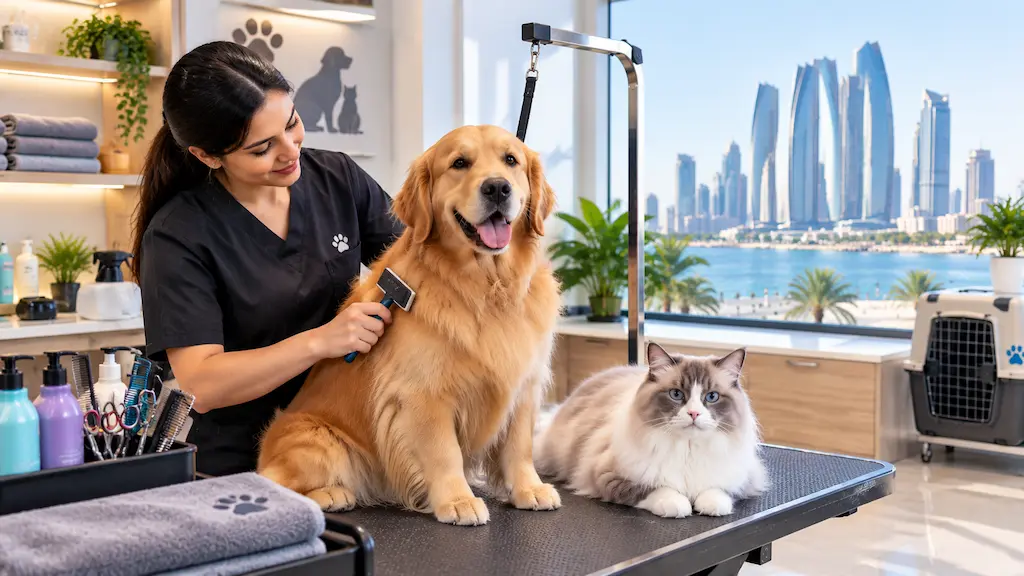
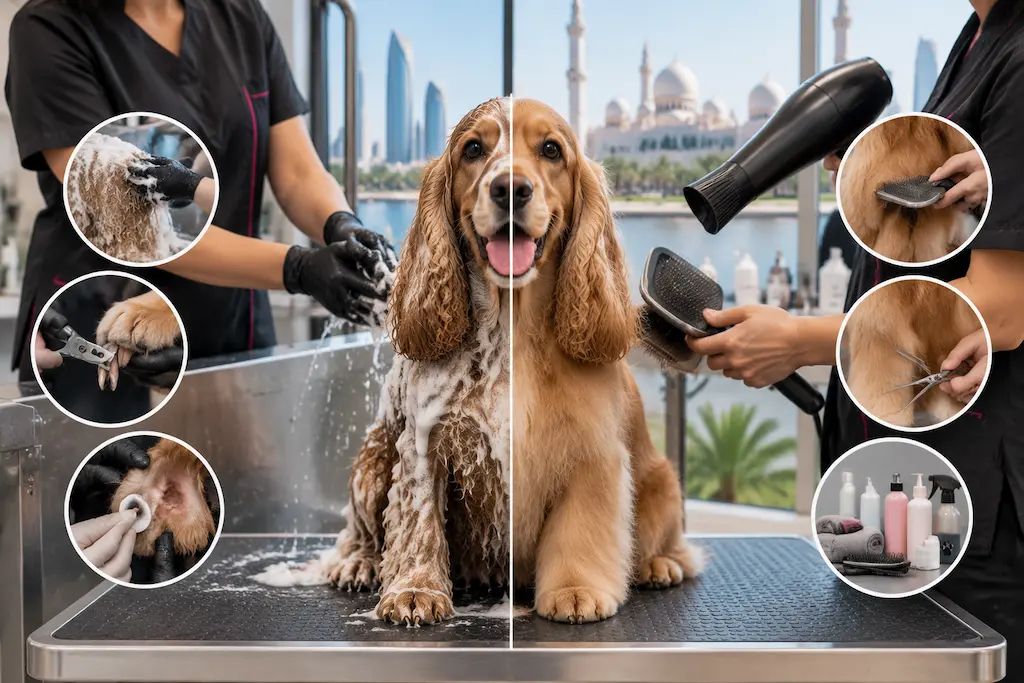
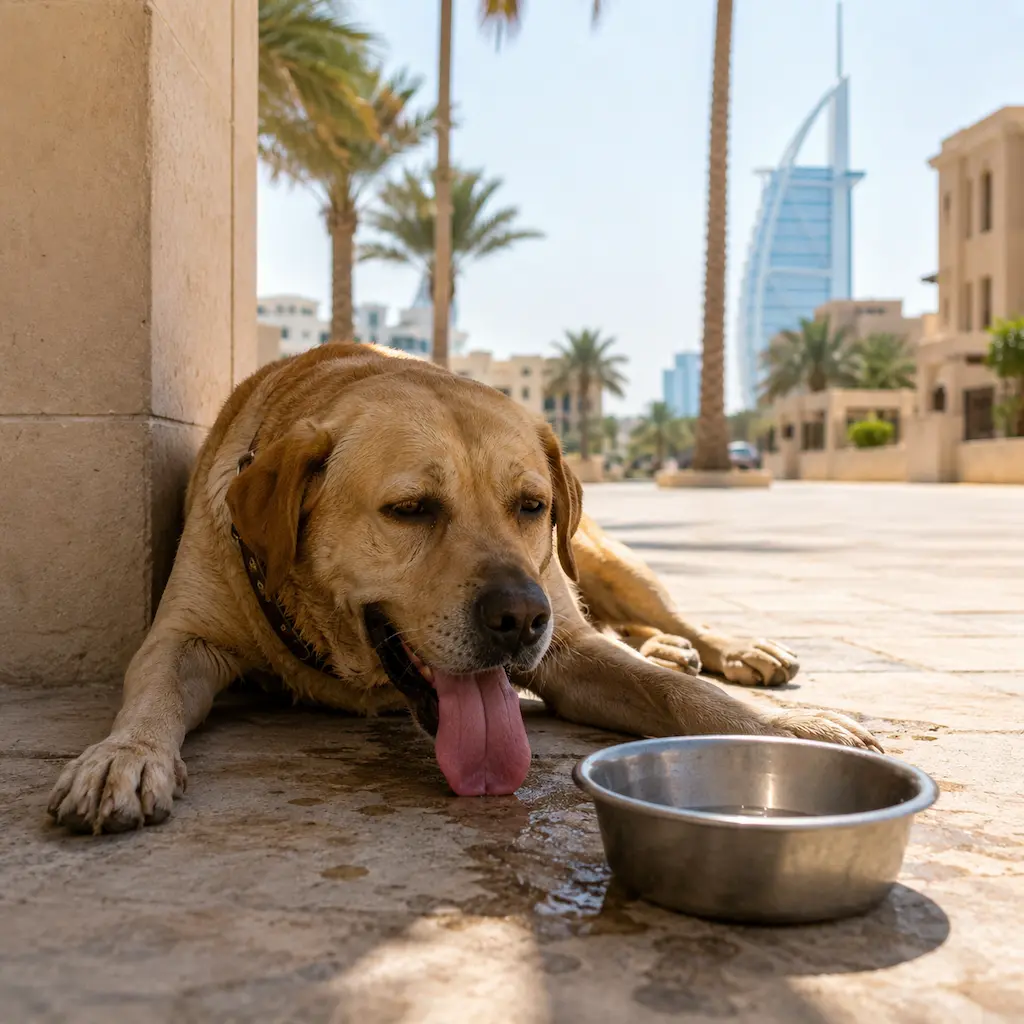

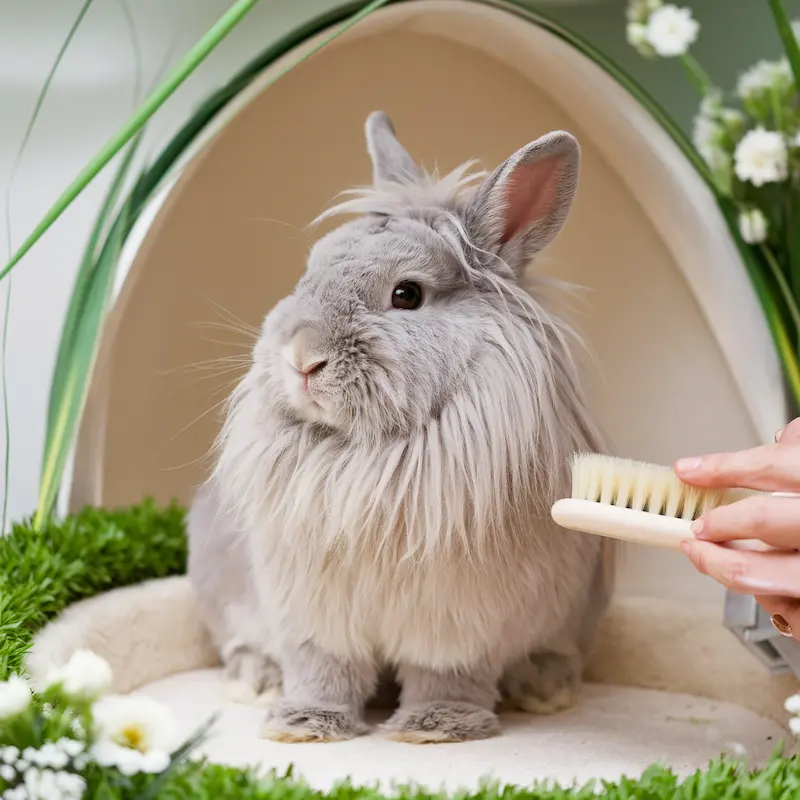
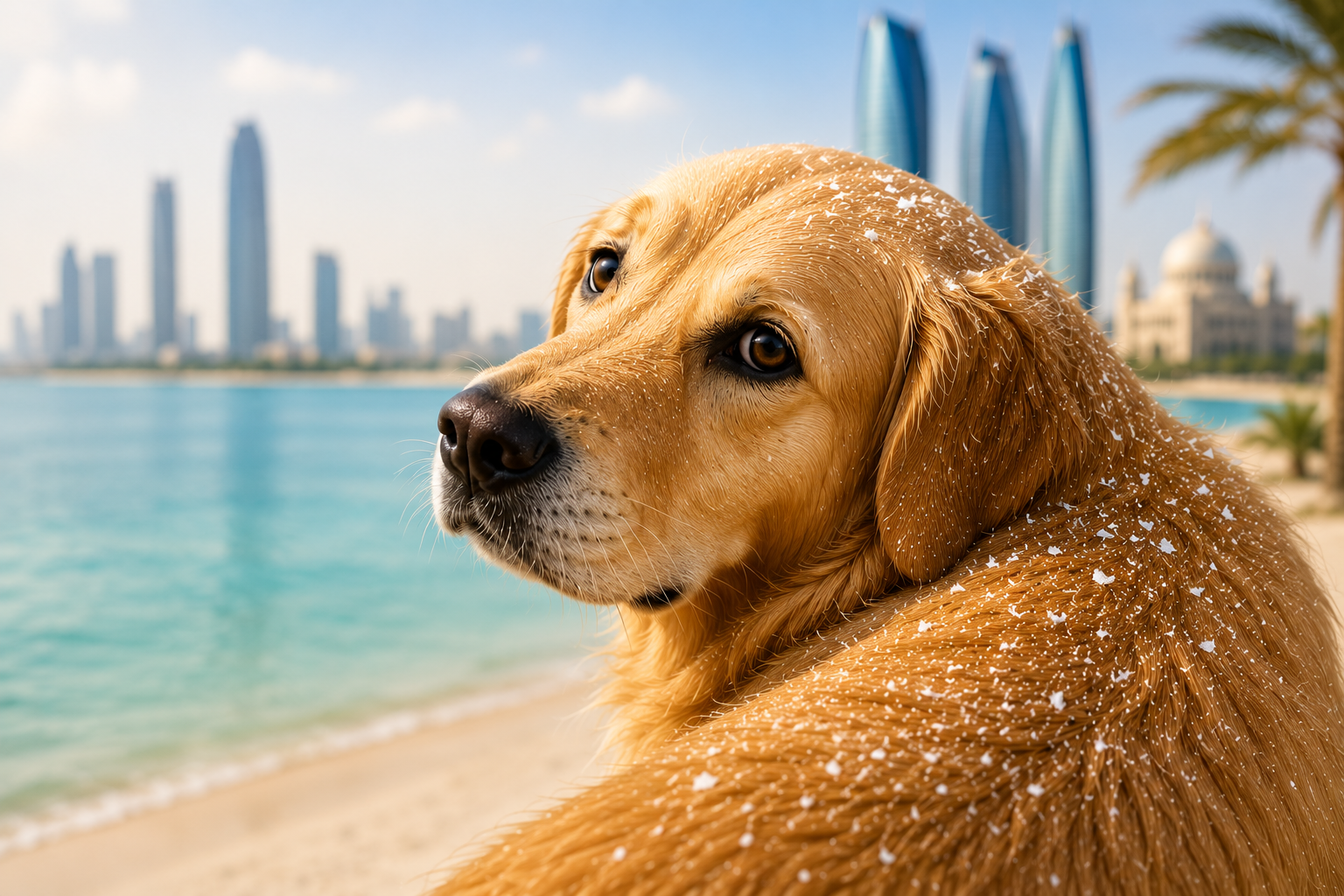
As a dog owner, one of the most common questions I had early on was how often a dog should be groomed. I learned the hard way that grooming isn’t one-size-fits-all. Over the years, caring for dogs with different breeds and coat types, and especially when I was in Dubai, where I regularly consulted professional groomers and vets through pet grooming in Abu Dhabi. I’ve realized that the right grooming schedule depends heavily on your dog’s coat, lifestyle, and skin health.
In this guide, I’m sharing my personal experience combined with professional insights to help you understand the ideal dog grooming frequency based on breed and coat type.
Why Grooming Frequency Matters for Dogs
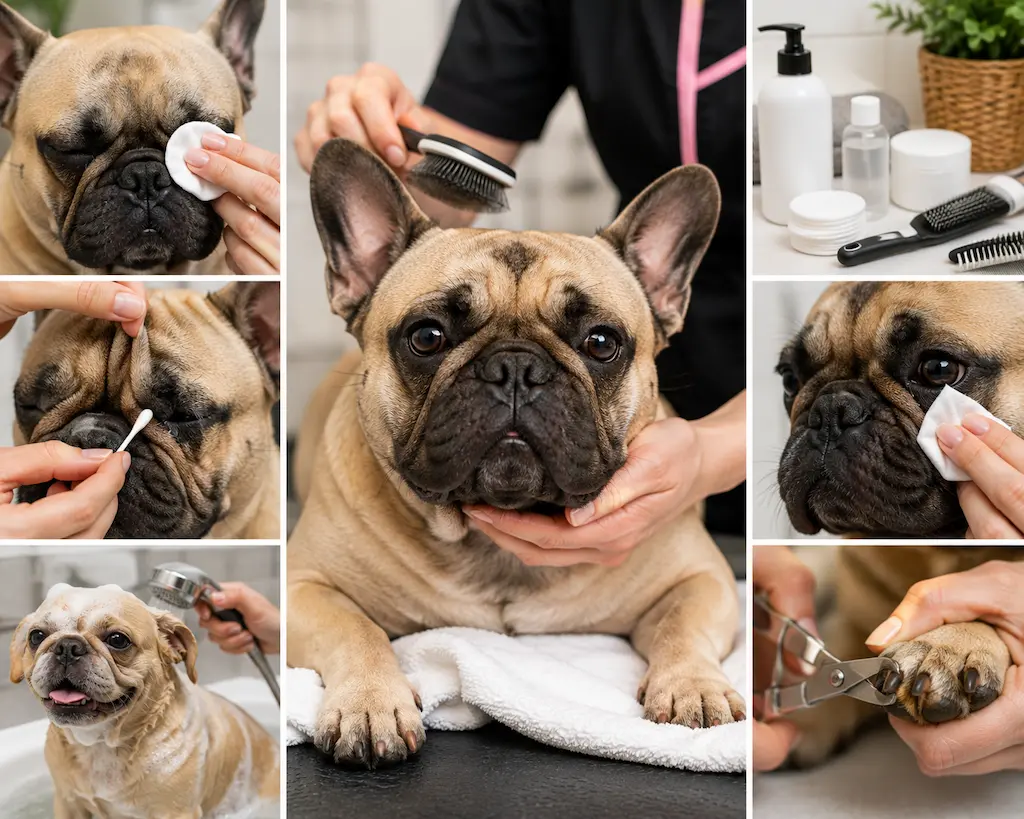
Grooming is not just about looks. From my experience, regular grooming plays a huge role in a dog’s overall health and comfort.
Proper grooming helps:
- Prevent matting and painful tangles.
- Reduce excessive shedding.
- Detect skin issues early.
- Maintain healthy skin and coat.
- Control odor and hygiene.
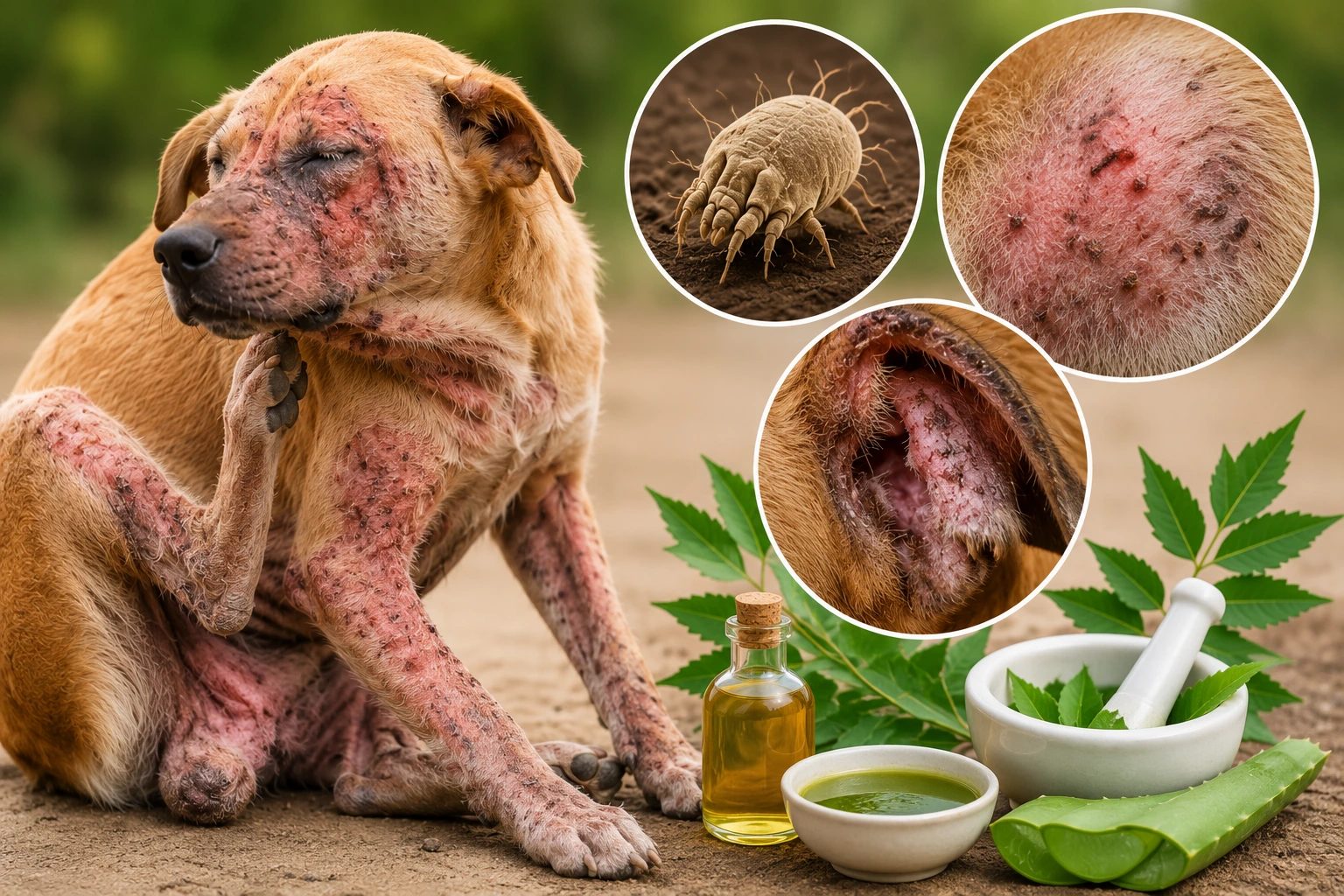
Vets and professional groomers consistently emphasize that skipping grooming can lead to skin infections, parasites, and discomfort, especially in certain breeds.
Grooming Schedule for Short-Coated Dog Breeds
Examples: Beagle, Boxer, Doberman, Dalmatian
Short-coated dogs are the easiest to maintain. I’ve owned a short-haired breed, and grooming was simple but still necessary, especially when I was in Dubai, where insights from dog grooming in Abu Dhabi reinforced that even low-maintenance coats benefit from regular care.
How often should a dog be groomed with a short coat?
- Brushing: Once a week.
- Bathing: Every 6 to 8 weeks.
- Nail trimming: Every 3 to 4 weeks.
Pro tip: Use a rubber grooming brush to remove loose hair and stimulate natural oils. Even short coats benefit from routine brushing.
Grooming Needs for Medium-Coated Dogs
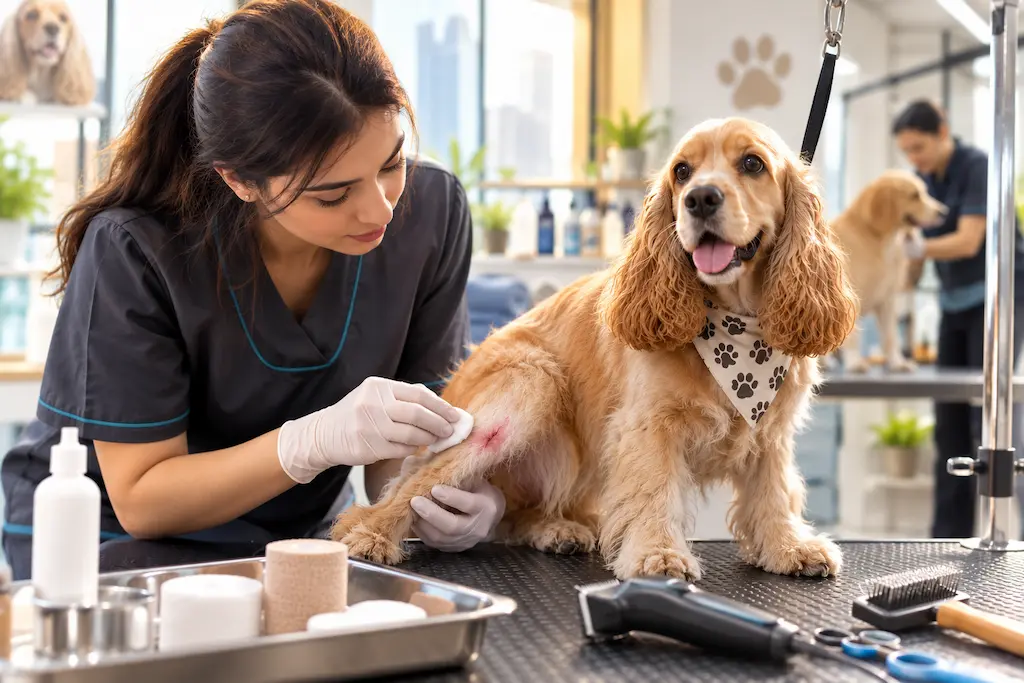
Examples: Golden Retriever, Border Collie, Cocker Spaniel
Medium-coated dogs require more consistency. I’ve found that missing even a couple of weeks can quickly lead to knots and shedding buildup.
Recommended grooming frequency:
- Brushing: 2 to 3 times per week.
- Bathing: Every 4 to 6 weeks.
- Professional grooming: Every 8 to 10 weeks.
These dogs often shed seasonally, so brushing more frequently during shedding periods helps manage loose fur and keeps the coat healthy.
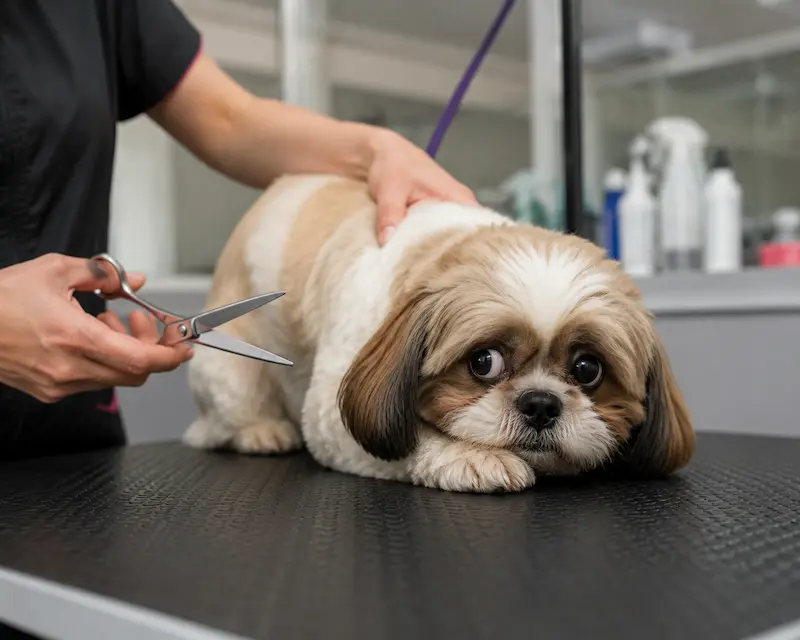
How Often Long-Coated Dogs Should Be Groomed
Examples: Shih Tzu, Afghan Hound, Maltese
Long-coated dogs demand commitment. From personal experience, daily attention makes a huge difference in their comfort.
Ideal grooming routine:
- Brushing: Daily.
- Bathing: Every 3 to 4 weeks.
- Professional grooming: Every 4 to 6 weeks.
Skipping grooming can cause severe matting, which can be painful and sometimes requires shaving. Trusted groomers often stress that prevention is always better than correction.
Grooming Requirements for Curly and Double-Coated Dogs
Curly coats (Poodle, Labradoodle):
- Brushing: Every 1 to 2 days.
- Professional grooming: Every 6 to 8 weeks.
Double coats (Husky, German Shepherd):
- Brushing: 3 to 4 times per week.
- Bathing: Every 6 to 8 weeks.
I’ve learned that shaving double-coated dogs is a mistake. Experts confirm it can damage their natural temperature regulation.
Actionable Dog Grooming Tips from My Experience
- Start grooming routines early to build comfort.
- Use breed-specific grooming tools.
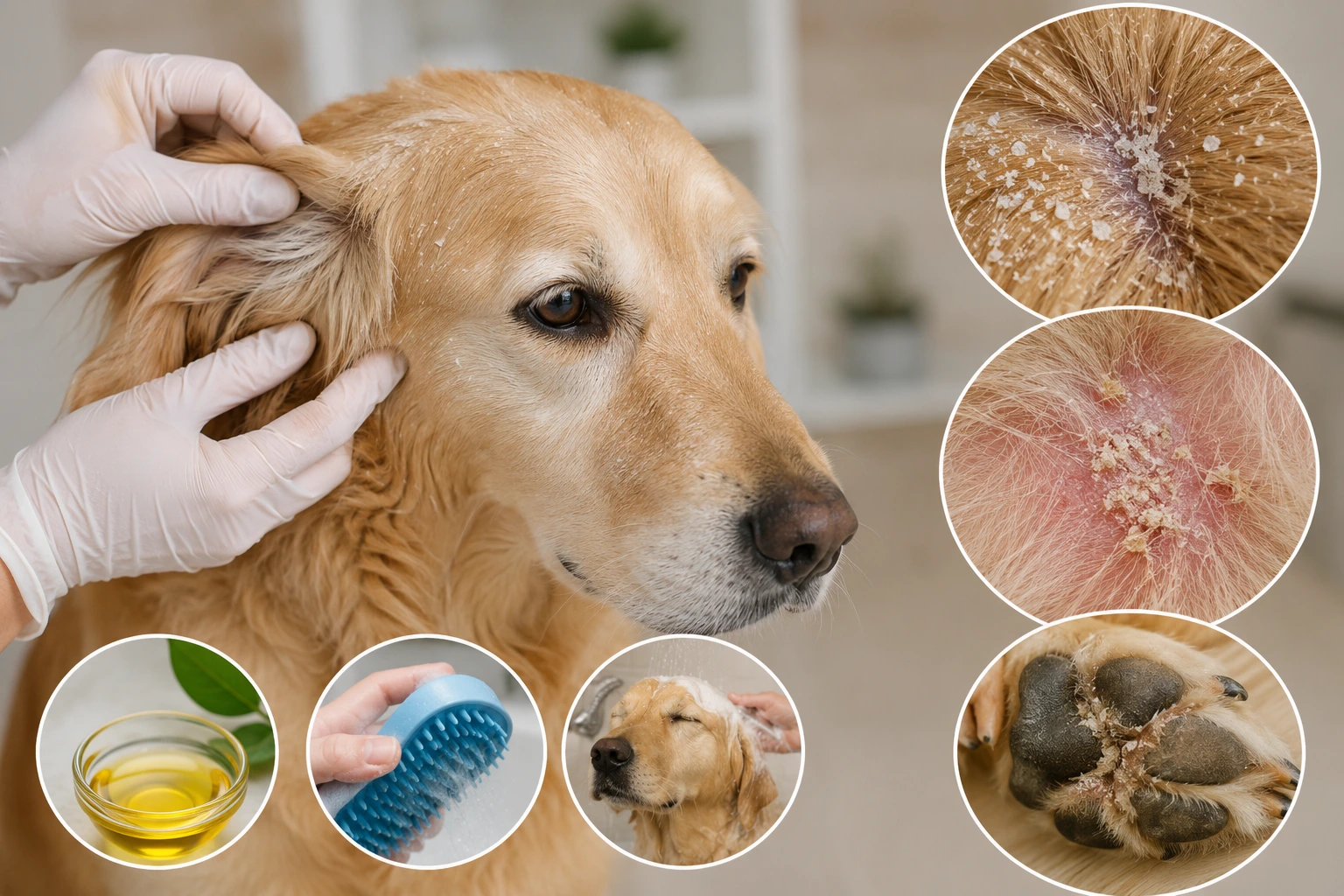
- Watch for skin redness, flakes, or odor.
- Don’t over-bathe; it can dry out the skin.
- When unsure, consult a professional groomer or veterinarian.
Conclusion: Find the Right Grooming Balance
So, how often should a dog be groomed? The honest answer is: it depends on the breed and coat type. Through experience, expert advice, and hands-on care, I’ve learned that consistent, tailored grooming keeps dogs healthier, happier, and more comfortable, while also supporting overall coat health and helping a dog’s hair grow faster over time.
When you follow a grooming schedule that suits your dog’s coat, you’re not just maintaining appearance, you’re investing in their long-term well-being.