





You pick up your cat’s brush expecting a quick five-minute grooming session. Two minutes later, your cat is trying to escape, the brush is full of fur, and you discover a small tangle you somehow missed for weeks.
It is a familiar situation for many cat owners. Cats are naturally skilled at keeping themselves clean. In fact, Cornell University’s Feline Health Center notes that cats may spend around 30–50% of their day grooming themselves. However, self-grooming does not eliminate the need for brushing, nail care, coat checks, and occasional professional grooming.
For owners looking for professional pet grooming in Abu Dhabi, understanding the mistakes that commonly happen at home can make grooming safer and more comfortable.
Here are seven common cat grooming mistakes and what you should do instead.
1. Not Grooming Your Cat Regularly
One of the biggest misconceptions is that because cats groom themselves, owners do not need to help.
Regular brushing removes loose fur, helps prevent tangles and matting, and gives you an opportunity to examine your cat’s skin. Cornell also recommends regular brushing or combing to maintain the coat and help owners monitor the skin for parasites or signs of disease.
How to Avoid It
Create a routine based on your cat’s coat rather than following one schedule for every breed.
| Coat Type | General Grooming Need |
|---|---|
| Short-haired | Usually once or several times weekly |
| Medium-haired | Several times per week |
| Long-haired | Often daily or near-daily |
| Easily matted coats | Frequent checking and brushing |
Persians, Ragdolls, Maine Coons, and other long-haired breeds generally require more coat maintenance than short-haired cats.
If mats become tight against the skin, do not aggressively pull or cut them with household scissors. Consider professional cat grooming in Abu Dhabi instead.
2. Using the Wrong Grooming Tools
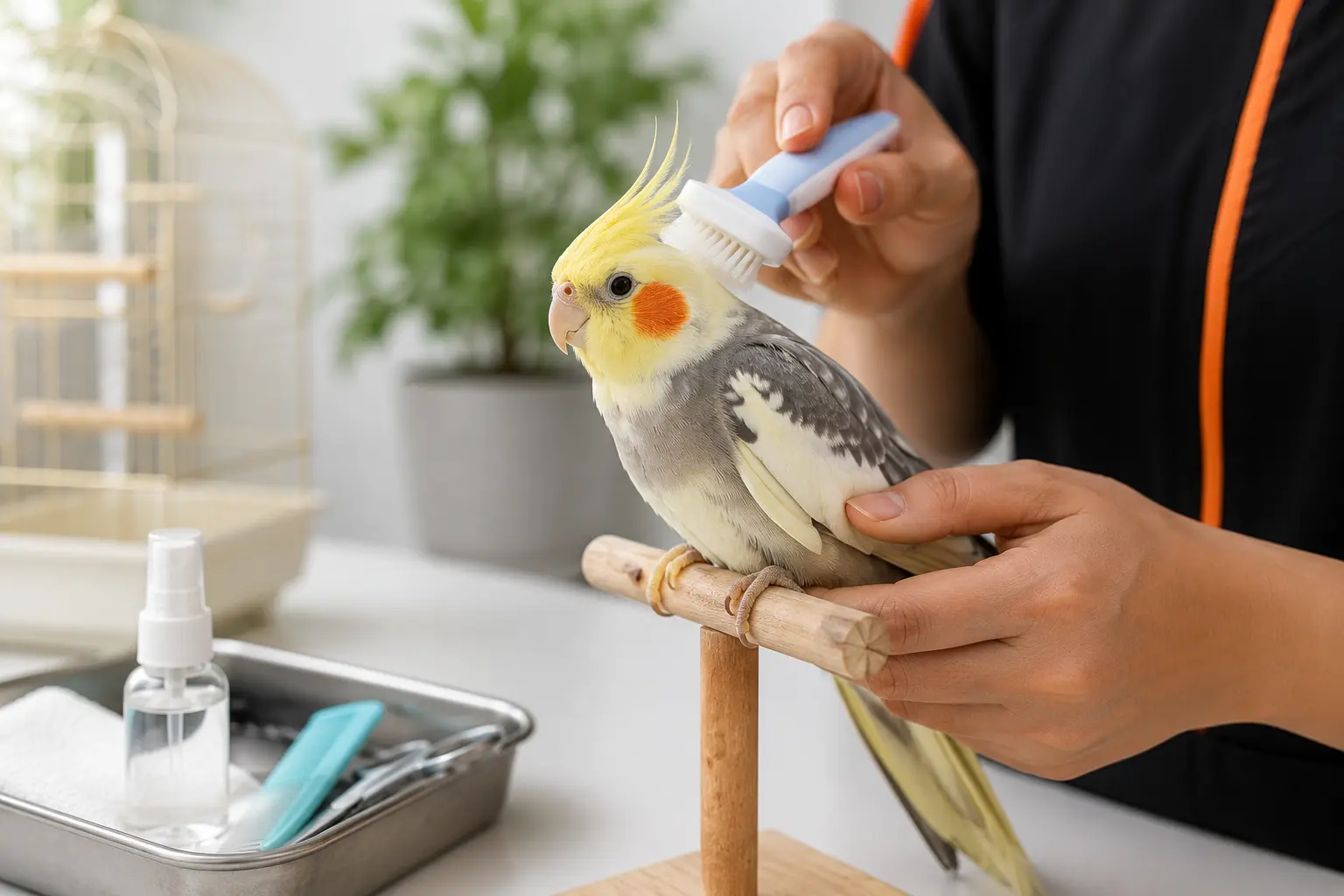
Not every brush works for every cat. Using a tool that is too harsh, too sharp, or unsuitable for your cat’s coat can cause discomfort and may make your cat associate grooming with an unpleasant experience.
How to Avoid It
Choose grooming tools according to coat length and density.
Common options include:
- Soft-bristle brushes
- Slicker brushes
- Wide-toothed combs
- De-shedding tools designed for cats
- Cat-specific nail clippers
Start gently rather than pressing the brush firmly into the skin. If the brush repeatedly catches or your cat reacts when a particular area is touched, check for mats, skin irritation, wounds, or other problems before continuing.
3. Neglecting Nail Care
Cat claws continue to grow and need regular monitoring. Overgrown nails can become uncomfortable and, in severe cases, curve toward or into the paw pad. VCA Animal Hospitals notes that regular nail trimming can help prevent this problem.
How to Avoid It
Check your cat’s claws regularly rather than relying on a strict “every two weeks” rule for every cat.
When trimming:
- Use suitable cat nail clippers.
- Extend the claw gently.
- Trim only the sharp hooked tip.
- Stay well away from the quick, which contains blood vessels and nerves.
- Stop if your cat becomes increasingly stressed.
It is better to trim one or two claws calmly than force your cat through an entire session.
If you are uncomfortable trimming nails, ask a professional groomer or veterinarian for assistance.
4. Bathing Your Cat Too Often
Many healthy cats rarely require a full bath because they clean themselves extensively. Bathing too frequently especially with unsuitable products can contribute to dry or irritated skin. Bathing may sometimes be useful when a cat has become unusually dirty, has something unsafe on the coat, struggles to groom itself, or requires bathing under veterinary guidance.
How to Avoid It
When a bath is necessary:
- Use lukewarm water.
- Choose shampoo specifically formulated for cats.
- Keep water away from the eyes and ears.
- Rinse the coat thoroughly.
- Dry your cat carefully.
- Keep the environment calm.
Never use human shampoo simply because it is available at home. Senior, overweight, long-haired, or mobility-impaired cats may sometimes require more help maintaining their coats.
5. Ignoring Your Cat’s Dental Hygiene
Dental health is often forgotten because it is not as visible as tangled fur or long claws.
However, dental disease is extremely common in cats. Cornell reports that studies estimate 50–90% of cats over four years old have some form of dental disease. That makes oral care an important part of your cat’s wider hygiene routine.
How to Avoid It
Use only toothpaste formulated for cats never human toothpaste. Introduce tooth brushing gradually rather than forcing your cat to tolerate it immediately.
Also watch for:
- Bad breath
- Red or bleeding gums
- Difficulty eating
- Drooling
- Pawing at the mouth
- Reduced appetite
These signs warrant veterinary attention rather than simply more brushing. Professional grooming can support routine hygiene, but dental disease should be diagnosed and treated by a veterinarian.
6. Ignoring the Ears and Eyes
Your grooming routine is a useful opportunity to check areas that are easy to overlook. Excessive ear debris, strong odours, redness, persistent scratching, swelling, or unusual eye discharge may indicate a problem.
How to Avoid It
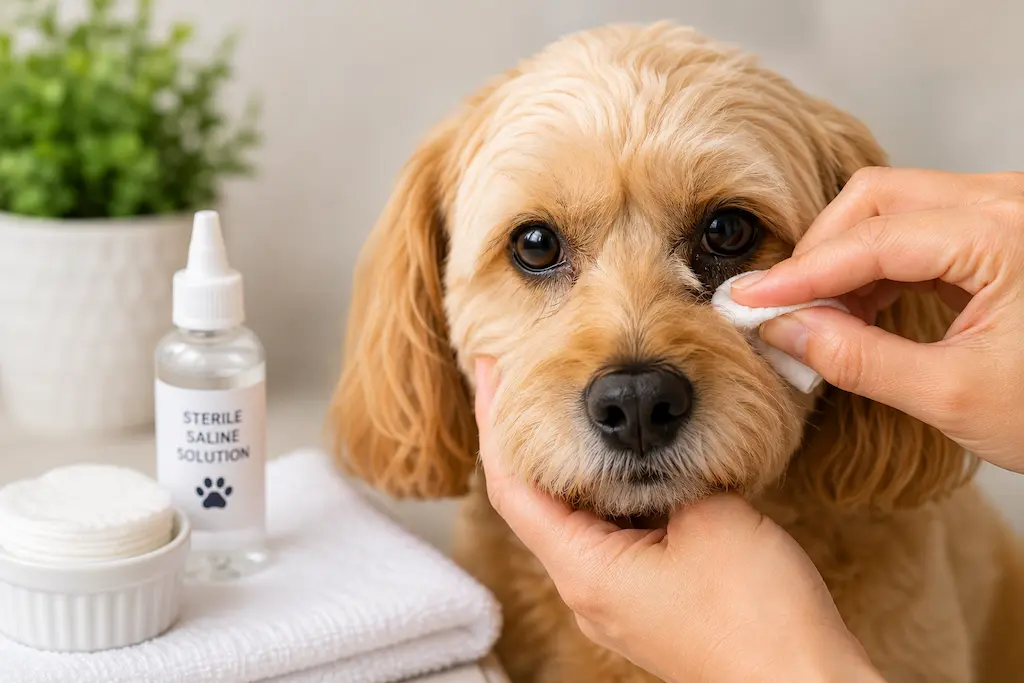
Inspect the outer ears regularly and avoid inserting cotton swabs or other objects deep into the ear canal. For more detailed guidance, Groom Room’s guide to cat ear hygiene and dirty ears explains what owners should look for. Around the eyes, gently remove minor normal debris using an appropriate soft material without rubbing the eye itself.
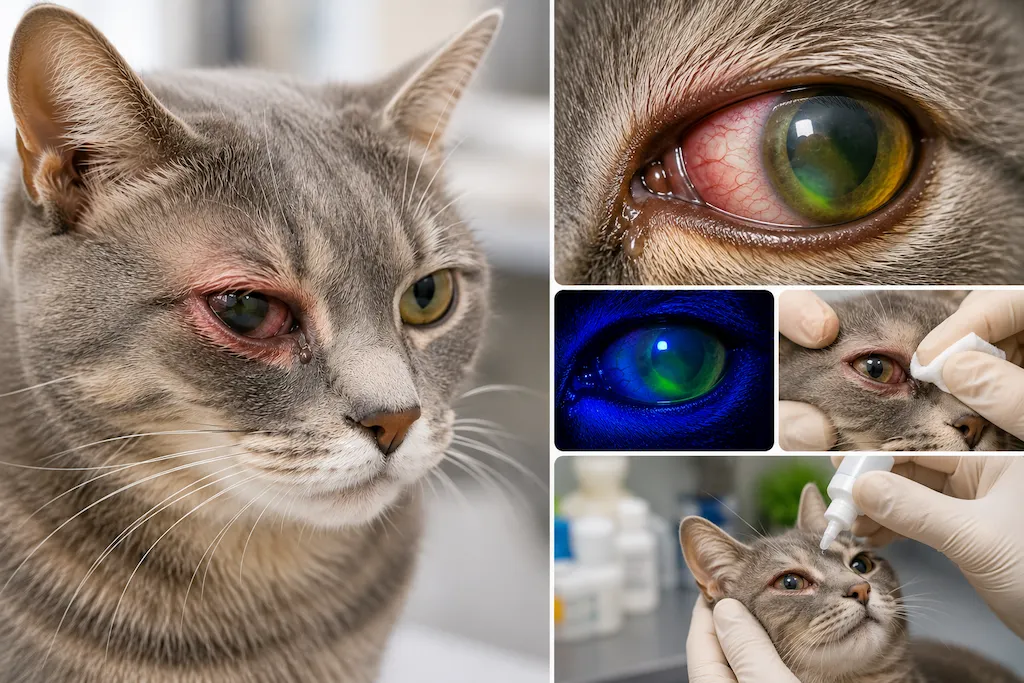
The guide on how to clean cat eye gunk also covers safe cleaning and warning signs. Persistent yellow or green discharge, swelling, pain, redness, excessive tearing, or a closed eye should be evaluated by a veterinarian.
7. Forcing Your Cat Through Grooming
Perhaps the biggest grooming mistake is continuing when your cat is clearly overwhelmed.
Cats communicate discomfort through body language.
Watch for:
- Flattened or rotated ears
- Tail twitching
- Dilated pupils
- Growling or hissing
- Repeated attempts to escape
- Swatting or biting
Forcing the session can increase fear and make future grooming more difficult.
How to Avoid It
Start with short sessions.
Let your cat investigate the grooming tool, reward calm behaviour, and gradually increase grooming time.
If your cat becomes agitated, stop and return to the task later.
For heavily matted, highly anxious, elderly, or difficult-to-handle cats, professional assistance may be safer than trying to complete complicated grooming at home.
When Should You Use a Professional Cat Groomer?
Home grooming and professional grooming can work together.
Consider professional help when your cat has:
- Significant matting
- Difficult-to-trim nails
- Heavy shedding
- A long or difficult coat
- Difficulty grooming because of age or mobility
- High anxiety during home grooming
- Grooming requirements you are not confident handling safely
A groomer can also notice visible changes in the coat or skin, although suspected medical problems should always be referred to a veterinarian.
Frequently Asked Questions
How often should I groom my cat?
It depends mainly on coat type, age, shedding, health, and self-grooming ability. Long-haired cats often need frequent or daily brushing, while many short-haired cats require less frequent assistance.
Do indoor cats still need grooming?
Yes. Indoor cats still shed, develop tangles, grow long claws, and may need assistance with coat, ear, eye-area, nail, or dental hygiene.
How do I know if my cat is stressed during grooming?
Watch for flattened ears, a twitching tail, dilated pupils, growling, hissing, biting, swatting, or repeated attempts to escape. Stop the session if stress is increasing.
Is it safe to cut matted cat fur with scissors?
It can be risky because mats may sit extremely close to a cat’s thin skin. Severe mats are generally safer to have removed by an experienced professional.
Do cats need regular baths?
Most healthy cats do not require frequent baths. Bathing needs depend on coat condition, age, mobility, lifestyle, and veterinary recommendations.
Where can I get professional cat grooming in Abu Dhabi?
Groom Room provides professional cat grooming in Abu Dhabi, including brushing, bathing, nail trimming, ear cleaning, de-shedding, haircuts, and other grooming services tailored to different feline coat and grooming needs.