


You are cuddling your pet when you suddenly notice something different, a small mat behind the ears, nails clicking against the floor, an unusual smell, or far more loose fur than normal. These small changes are easy to overlook, but they can be useful signs that your pet’s grooming routine needs attention.
Regular grooming is about much more than appearance. Brushing, coat maintenance, nail care, and appropriate ear and eye-area cleaning help keep pets comfortable while giving owners an opportunity to notice visible changes early.
The ASPCA also notes that regular grooming can help reveal problems hidden beneath the coat, including skin irritation and other abnormalities. Whether you have a dog, cat, rabbit, or bird, knowing when to book professional pet grooming in Abu Dhabi can help you address grooming problems before they become harder to manage.
Why Regular Pet Grooming Matters
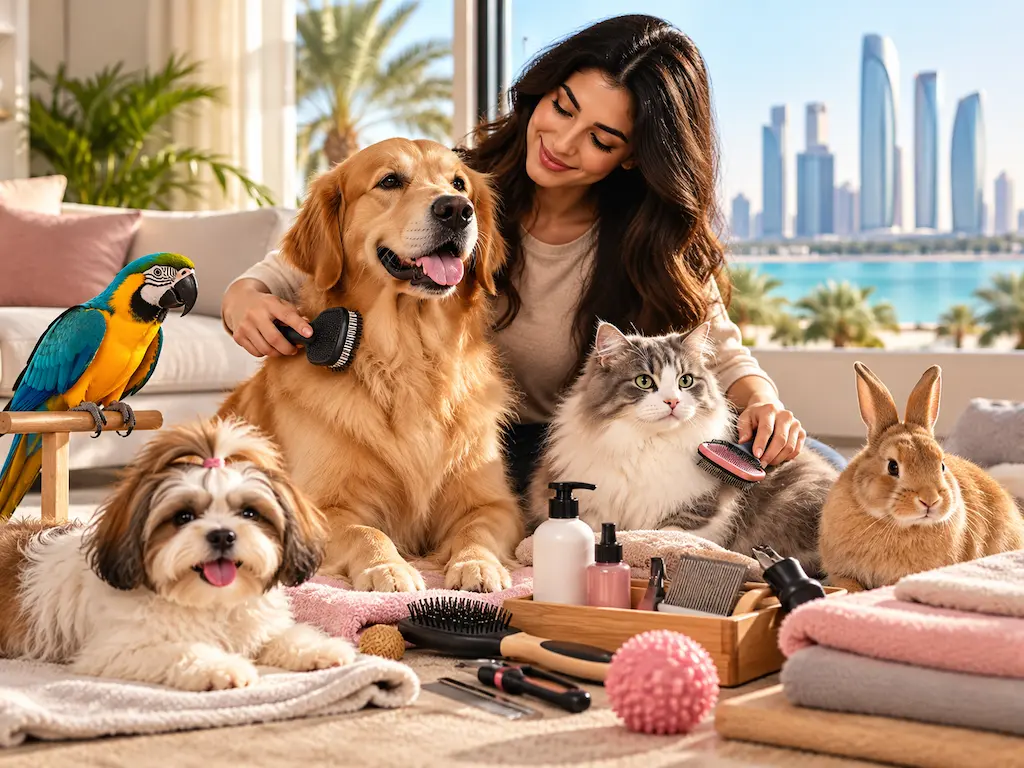
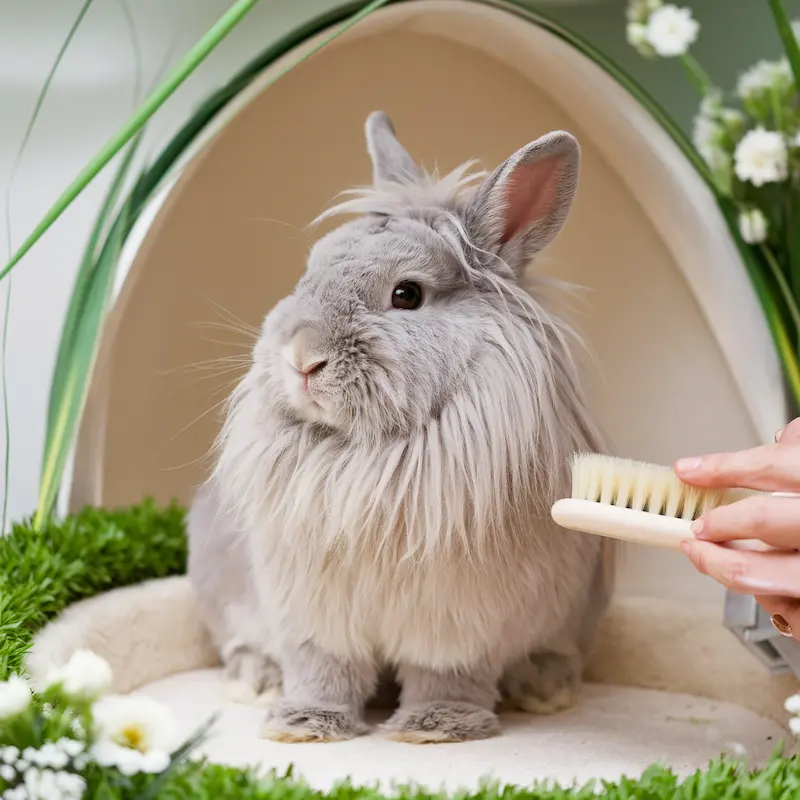
Different pets have very different grooming requirements. A long-haired cat may need frequent brushing, while a short-coated dog requires less coat maintenance. Rabbits need careful coat and nail care, while birds have completely different feather, nail, and beak requirements.
Regular grooming can help:
- Remove loose hair and debris
- Reduce tangles and matting
- Keep nails at a manageable length
- Maintain coat cleanliness
- Check the ears, eyes, paws, skin, and coat
- Make changes or abnormalities easier to notice
For example, Cornell University’s Feline Health Center notes that regular brushing helps keep a cat’s coat clean while allowing owners to monitor the skin for parasites and signs of disease.
Grooming supports routine pet care, but it does not replace veterinary examination or treatment.
1. Unpleasant Odour or a Noticeably Dirty Coat
Pets naturally develop some odour between grooming sessions, particularly after outdoor activity. However, if your pet’s coat becomes greasy, visibly dirty, or unusually smelly, grooming may be overdue.
A professional session can help remove:
- Dirt
- Loose coat
- Surface oils
- Dust
- Debris
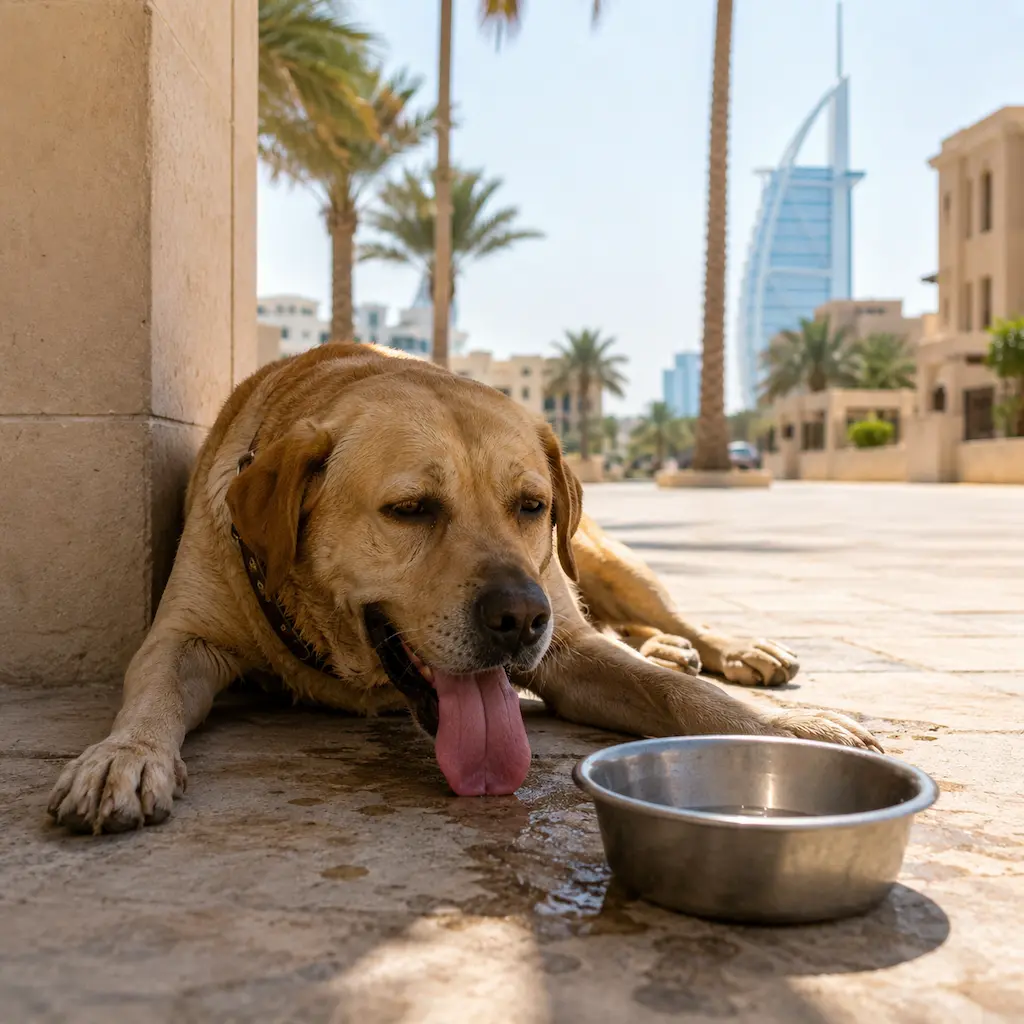
Abu Dhabi pets that spend time outdoors may collect additional dust and sand in their coats, making regular coat checks particularly useful. However, a strong or persistent smell can sometimes come from the skin, ears, mouth, or an underlying medical problem. If bathing does not resolve it, speak with your veterinarian.
2. Matted or Tangled Fur
Mats are one of the clearest signs that coat maintenance is needed.
They commonly develop:
- Behind the ears
- Under the legs
- Around the chest
- Near the tail
- Around collars or harnesses
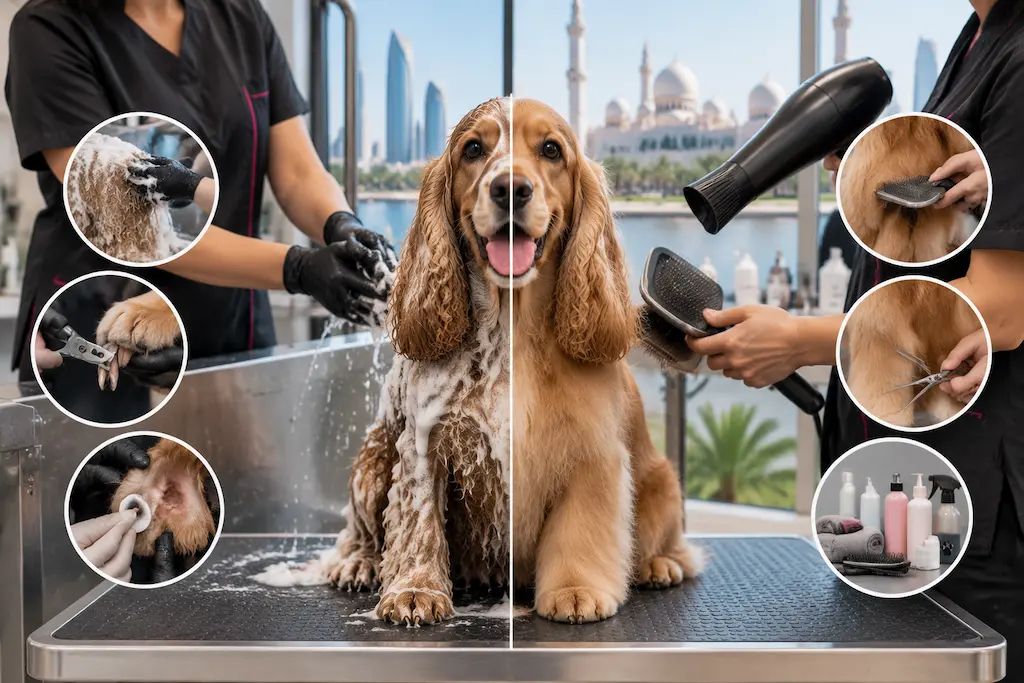
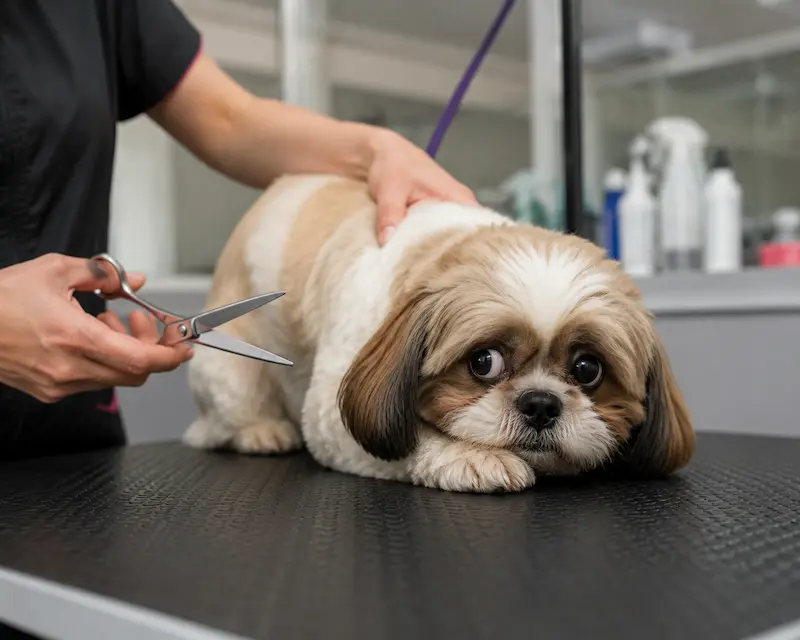
Mats are more than an appearance problem. They can pull against the skin and hide redness, wounds, moisture, or other abnormalities underneath. Professional groomers are trained to handle difficult matting safely. The AKC also advises owners not to cut tight mats with household scissors because sudden movement can result in injury. For dogs with difficult coats, professional dog grooming in Abu Dhabi can include brushing, de-matting, de-shedding, bathing, and coat maintenance.
3. More Shedding Than Usual
Shedding is normal for many dogs and cats.
The amount can vary according to:
- Breed
- Coat type
- Season
- Indoor environment
- Age
- Overall health
If you suddenly find much more hair around your home, your pet may simply need more frequent brushing or de-shedding.
Regular brushing removes loose hair before it falls around the house and helps stop dead coat from becoming trapped. However, sudden hair loss, bald patches, excessive scratching, or irritated skin should not be treated as a normal grooming issue. These signs warrant veterinary advice.
4. Overgrown Nails
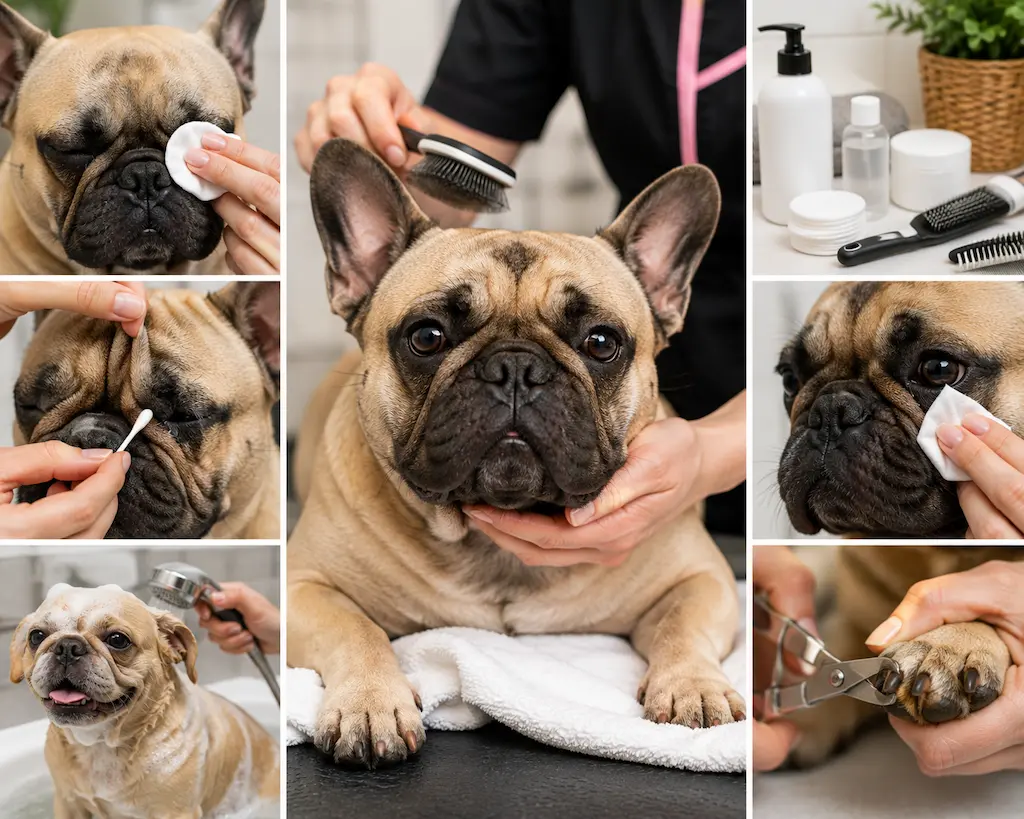
Long nails can cause discomfort and may interfere with normal movement. The AKC notes that excessively long dog nails can affect gait and make walking awkward or painful. Cats can also develop overgrown claws, particularly older or less active cats. Cornell notes that regular nail trimming can reduce the chance of a claw growing into a cat’s paw pad.
Signs nail care may be overdue include:
- Nails touching the floor
- Clicking sounds while walking
- Claws becoming sharply curved
- Difficulty maintaining nails naturally
- Nails catching on fabrics
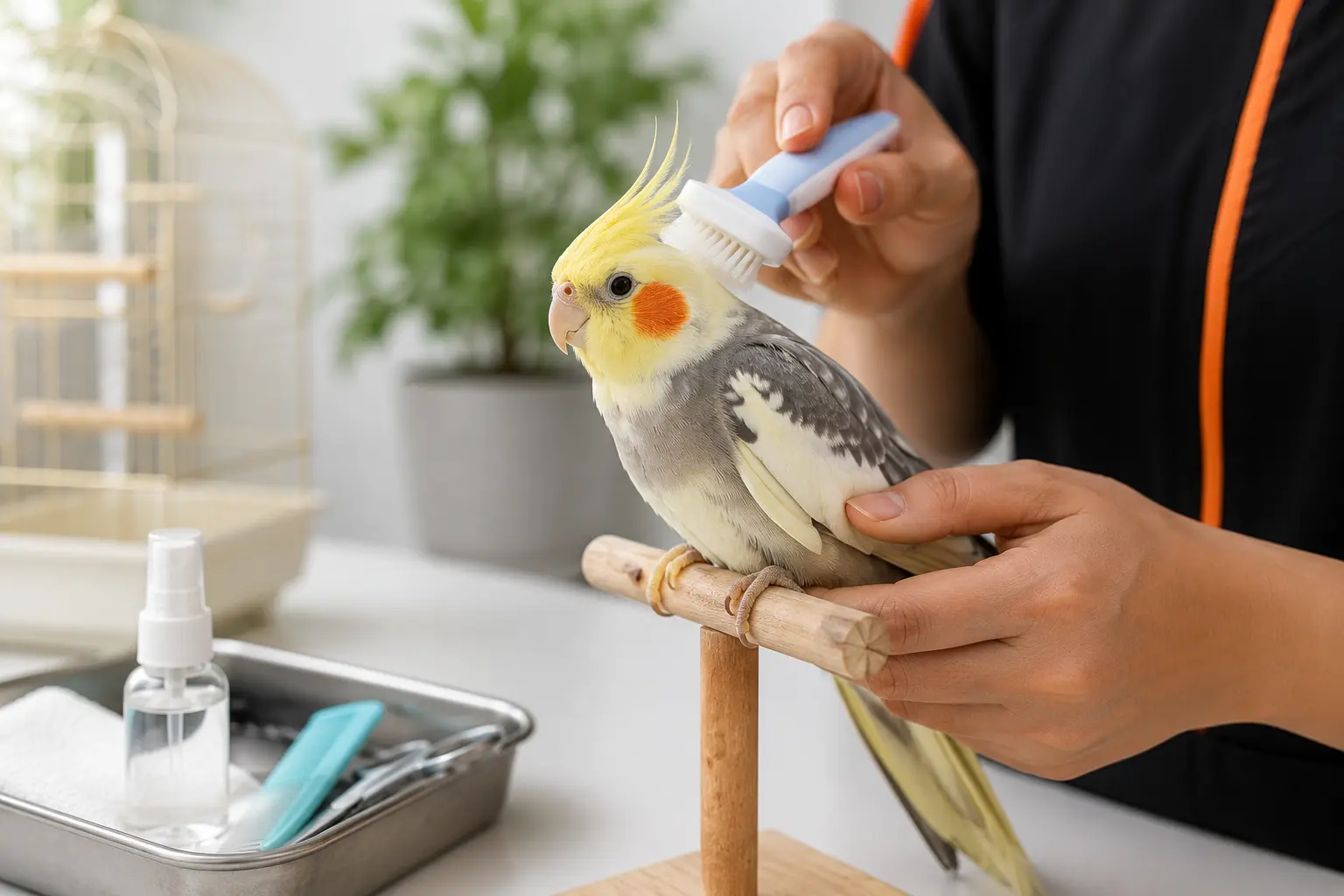
Bird nails also require species-appropriate care. Groom Room offers professional bird grooming for grooming needs such as nail and feather maintenance.
Never use the same nail-trimming technique for every species.
5. A Greasy, Rough or Unusual Coat Texture
You know what your pet’s normal coat feels like.If it suddenly becomes unusually oily, rough, sticky, dull, or difficult to brush, it deserves attention.
Sometimes the issue is simply accumulated dirt or overdue grooming. In other cases, changes in coat quality can be associated with nutrition, skin conditions, parasites, or other health problems. A grooming session can clean and maintain the coat, but persistent changes should be discussed with a veterinarian.
6. Dirty Ears or Unusual Ear Build-Up
Checking the ears can be part of a regular grooming routine.
Watch for:
- Visible debris
- Excess wax
- Redness
- Strong odour
- Repeated scratching
- Head shaking
- Unusual discharge
Minor external debris may be suitable for routine cleaning, but excessive or recurring symptoms can indicate an ear problem that needs veterinary assessment.
A groomer should clean appropriately, they should not diagnose or treat an ear infection.
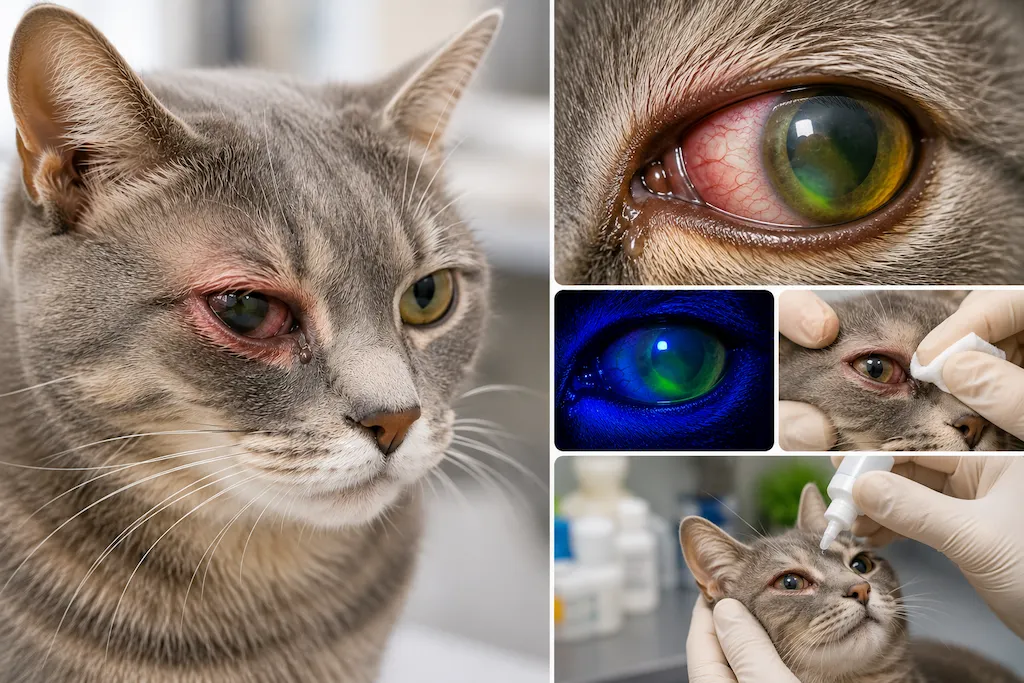
7. Tear Staining or Eye-Area Build-Up
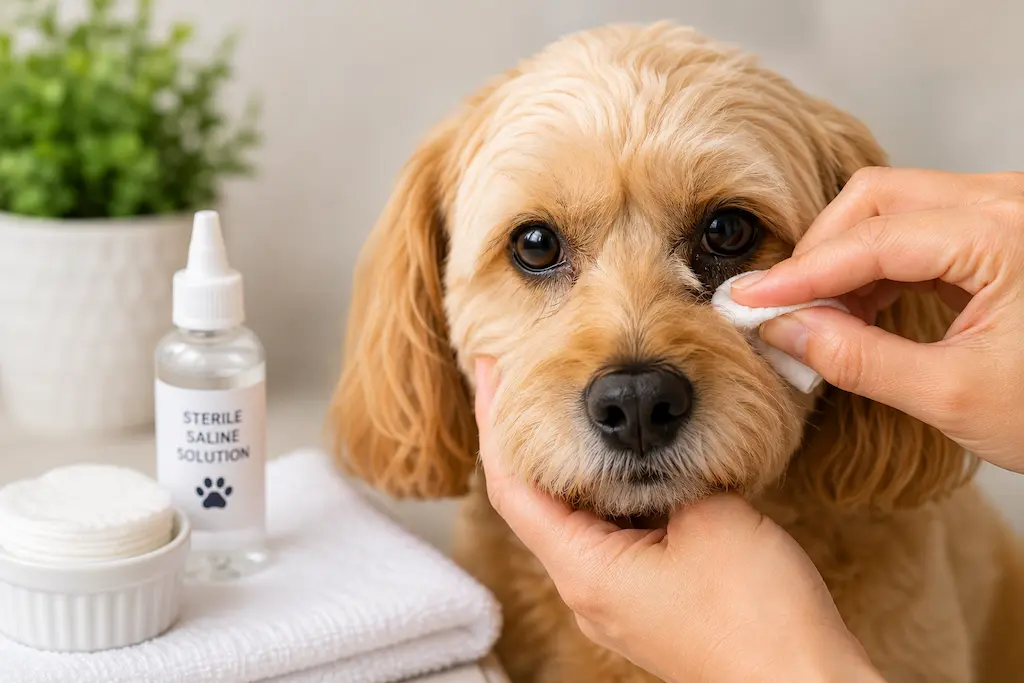
Some pets naturally develop minor debris around the eyes that can be gently cleaned during grooming.
A professional groomer can help keep the surrounding fur clean and prevent dried material from accumulating.
However, there is an important distinction between normal cleaning and a potential medical problem.
Contact a veterinarian if your pet develops:
- Persistent eye discharge
- Yellow or green discharge
- Swelling
- Significant redness
- Squinting
- Pain
- A closed eye
Grooming can clean the area, but it should never be presented as treatment for an eye condition.
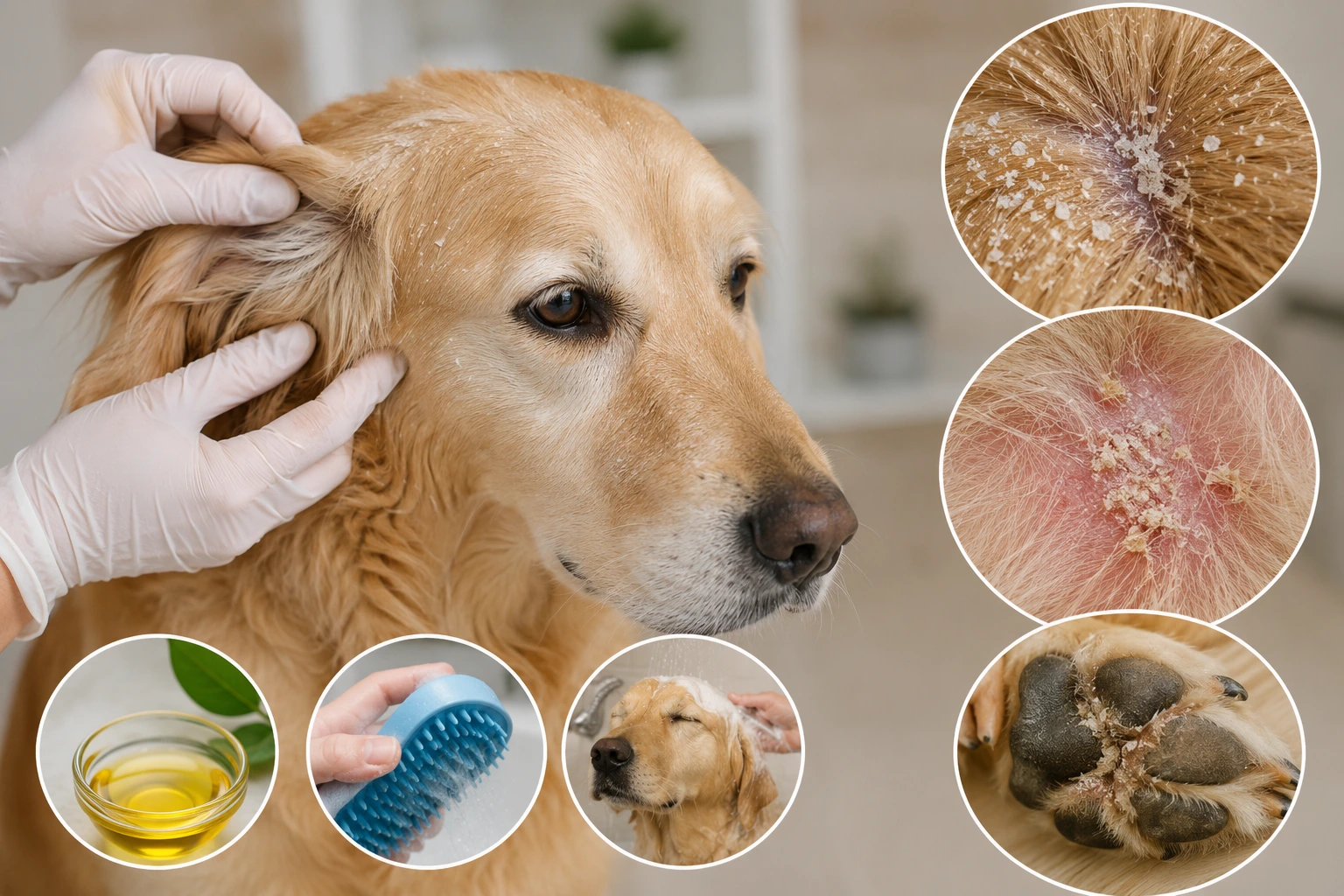
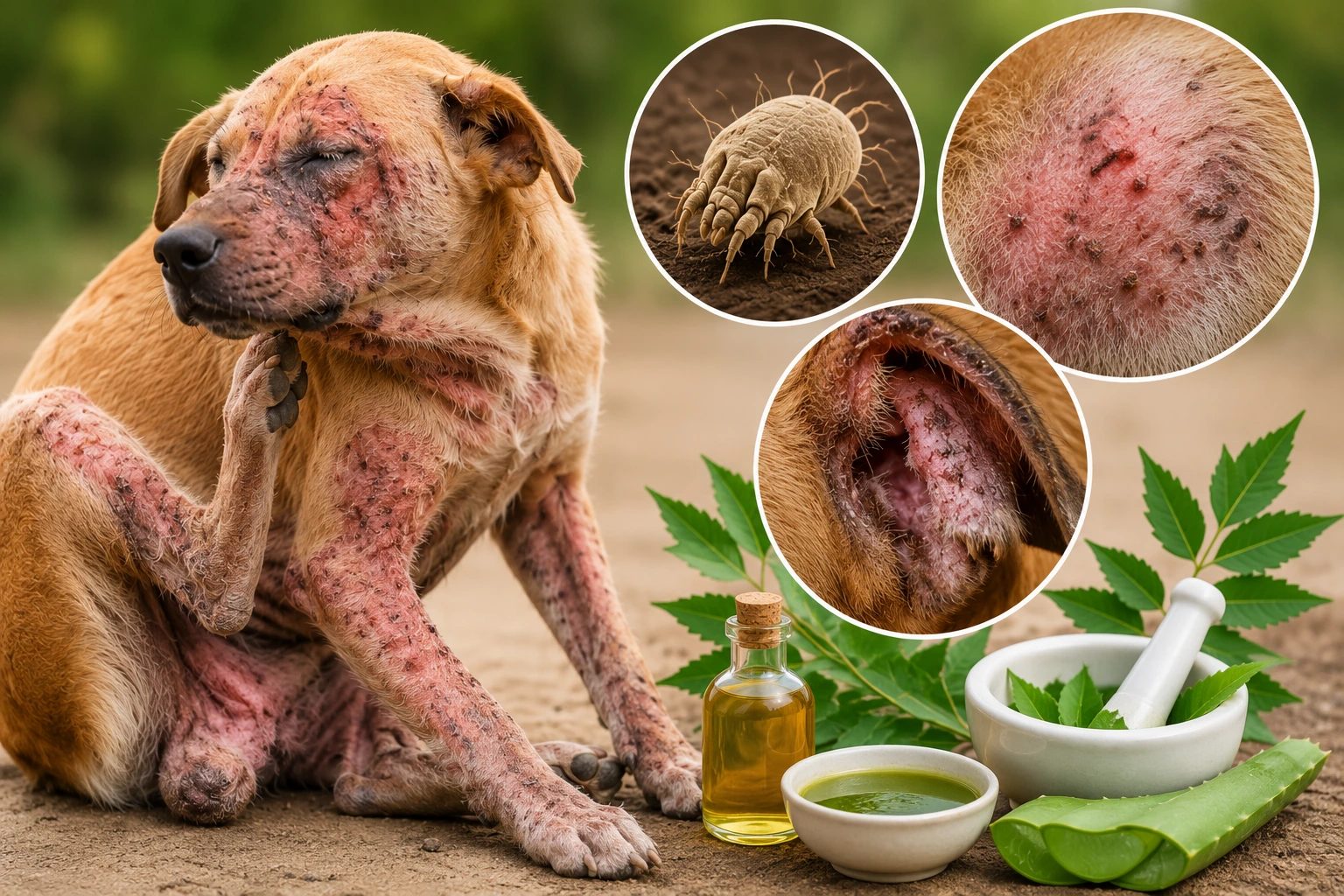
8. Visible Skin Irritation
Grooming sessions provide a good opportunity to examine areas normally hidden beneath fur.
You may notice:
- Redness
- Flakes
- Bald spots
- Scabs
- Lumps
- Persistent scratching
- Areas painful to touch
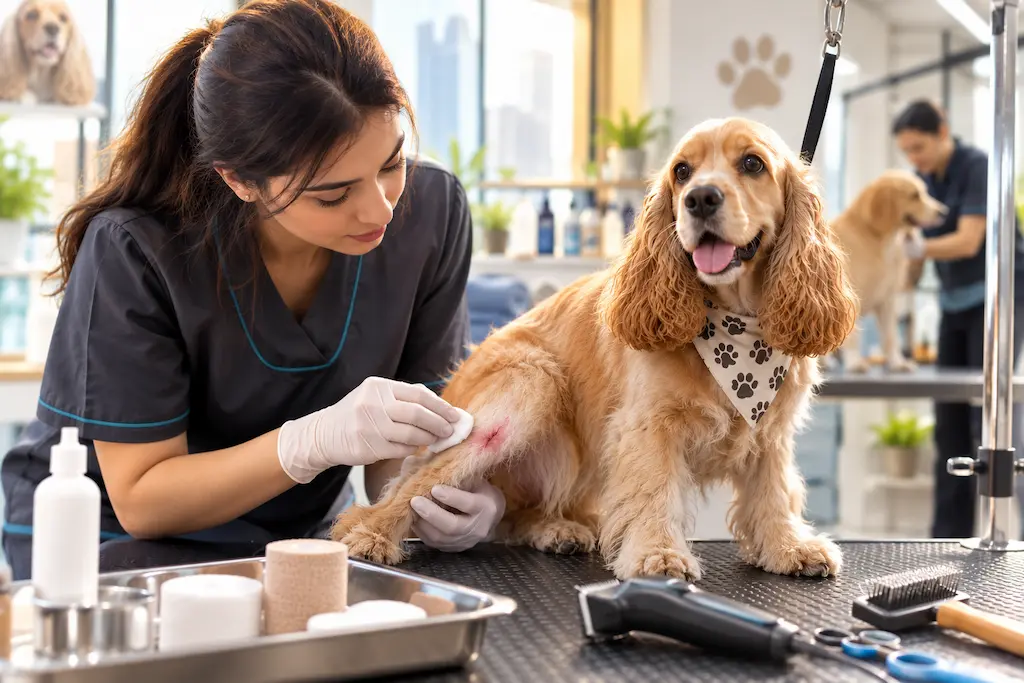
A groomer may notice these problems while brushing or bathing your pet, which is one benefit of regular coat maintenance.
But visible infections, sores, persistent itching, or unexplained hair loss require veterinary assessment.
Grooming or Vet?
| What You Notice | Best Next Step |
|---|---|
| Loose fur | Brushing or grooming |
| Mild tangles | Grooming |
| Overgrown nails | Nail care/grooming |
| Dirty coat | Grooming |
| Severe skin redness | Veterinarian |
| Open wounds | Veterinarian |
| Sudden bald patches | Veterinarian |
| Persistent eye/ear discharge | Veterinarian |
9. Your Pet Becomes Uncomfortable During Normal Movement
Sometimes an overdue grooming issue can make movement uncomfortable.
Examples include:
- Tight mats pulling at the skin
- Very long nails
- Excess fur around paw pads
- Debris caught in the coat
However, decreased mobility should never automatically be blamed on grooming.
If your pet suddenly starts limping, moving slowly, refusing to walk, showing pain, or struggling to stand, contact your veterinarian.
Grooming may resolve coat- or nail-related discomfort, but underlying joint, muscle, neurological, or other medical problems require proper assessment.
10. Your Pet’s Behaviour Changes Around Grooming
If a normally relaxed pet suddenly resists being brushed or touched in a particular area, pay attention.
Watch for:
- Pulling away
- Growling or hissing
- Repeated licking of one area
- Avoiding touch
- Flinching
- Trying to bite during handling
Sometimes the problem is matting or an overgrown nail. Other times, sudden sensitivity can indicate pain.
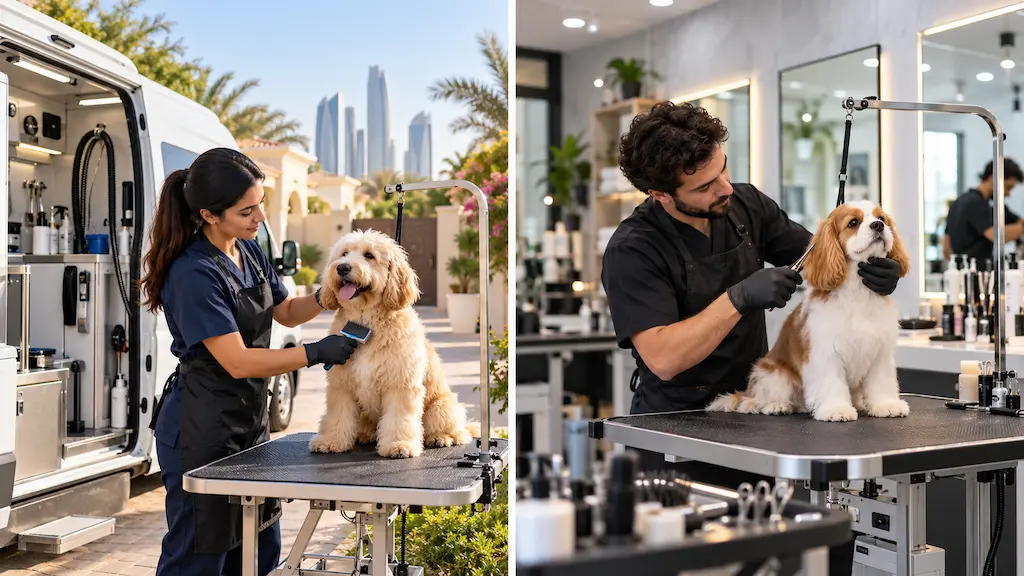
Do not force grooming when your pet appears painful. For pets that dislike travelling or busy salon environments, mobile pet grooming in Abu Dhabi can also make regular grooming more convenient by bringing the grooming setup closer to home.
When Should You Book Professional Grooming?
Consider booking a session when:
- Brushing at home no longer controls tangles
- Nails are becoming difficult to maintain
- Shedding becomes difficult to manage
- Your pet needs bathing or de-shedding
- Coat maintenance takes more skill than you are comfortable providing
- Your pet’s breed or species requires specialist grooming
The right frequency depends on species, breed, coat type, lifestyle, age, and how much grooming you safely perform at home.
Frequently Asked Questions
How do I know when my pet needs grooming?
Common signs include matted fur, a dirty coat, excess loose hair, long nails, difficult coat maintenance, and visible build-up around grooming areas.
How often should pets be professionally groomed?
There is no universal schedule. Dogs, cats, rabbits, and birds all have different needs, while breed, coat type, age, activity, and home care also influence grooming frequency.
Does excessive shedding mean my pet needs grooming?
It may simply mean your pet needs more frequent brushing or de-shedding. However, sudden hair loss, bald patches, itching, or skin irritation should be assessed by a veterinarian.
Can groomers identify health problems?
Groomers may notice visible abnormalities such as lumps, redness, parasites, sores, unusual discharge, or hair loss, but they should not diagnose medical conditions. Veterinary care is required when a health problem is suspected.
Should I cut badly matted fur myself?
Avoid cutting tight mats with household scissors because pet skin may sit very close underneath the mat. Severe matting is generally safer to have assessed by an experienced groomer.
Where can I get professional pet grooming in Abu Dhabi?
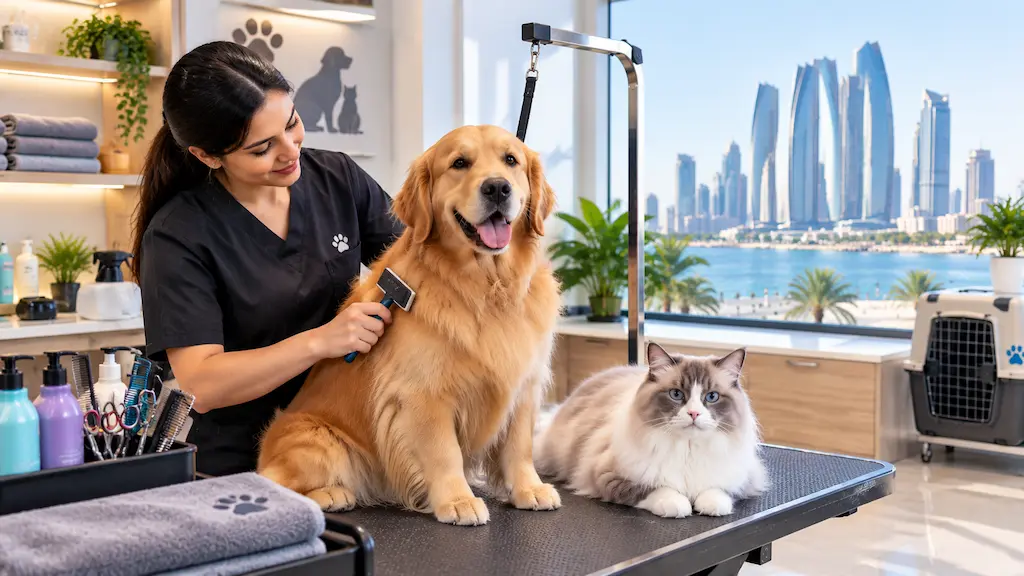
Groom Room provides professional grooming for dogs, cats, rabbits, and selected birds in Abu Dhabi, along with mobile grooming options for owners who prefer doorstep service.