






When Mariam adopted her English Angora, Cloud, she thought she was ready. She’d read about the breed, bought a brush, and figured a bit of weekly grooming would be enough. Three weeks in, she found a tight mat forming near Cloud’s hindquarters, and her vet gently explained just how quickly wool breeds fall behind if grooming isn’t frequent enough. It was a wake-up call that reshaped her entire routine, and possibly saved Cloud from a much bigger health issue down the line.
Long-haired rabbits are some of the most striking pets you can own, but that beautiful coat comes with real responsibility. Whether you already have a fluffy companion or are considering adopting one, understanding what these breeds actually need, along with access to reliable pet grooming in Abu Dhabi, is essential before you commit.
Why Choose a Long-Haired Rabbit?
Long-haired rabbits aren’t just beautiful, they tend to have gentle, affectionate personalities too. Many owners find them wonderful companions, and their striking coats make them popular in rabbit shows and exhibitions. That said, they demand a level of grooming commitment that short-haired breeds simply don’t require.
Popular Long-Haired Rabbit Breeds
1. Angora Rabbit: The most well-known long-haired breed, with several distinct types:
- English Angora: extremely fluffy, with wool covering even the face and ears
- French Angora: dense, soft wool with a somewhat less demanding grooming routine
- Giant Angora: the largest Angora type, producing the most wool
- Satin Angora: known for shiny, silky fur softer than other Angora varieties
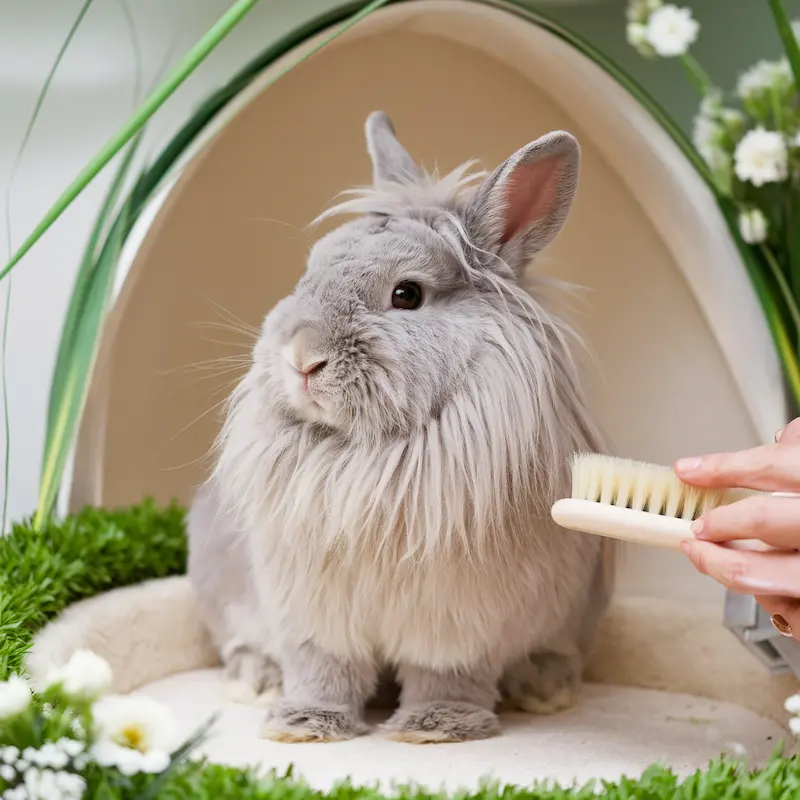
2. Lionhead Rabbit: Famous for the distinctive mane around its face, resembling a lion’s. Lionheads are small, making them a good choice for owners who want a compact but fluffy companion.
3. Cashmere Lop: A soft, dense coat paired with floppy ears. Cashmere Lops are friendly and enjoy attention, making them a popular pet choice.
4. Jersey Wooly: Small, usually around 3 pounds, with a dense but relatively manageable coat that still needs regular brushing.
5. American Fuzzy Lop: Similar in appearance to the Cashmere Lop but smaller. Their woolly coat makes them adorable, but just as demanding when it comes to grooming.
6. Teddy Dwarf Rabbit: A newer breed with extremely soft fur and a compact body, one of the cutest long-haired options available.
Grooming Needs
Long-haired rabbits need regular brushing to prevent matting, most breeds require brushing 3-4 times a week, while Angoras typically need it daily due to how quickly their wool tangles.
This isn’t just about appearance. According to veterinary sources, rabbits can’t vomit, so any loose fur they swallow while self-grooming has to pass through their digestive system naturally. In long-haired breeds, this can build up and cause a serious condition called wool block, which can lead to gastrointestinal stasis, a potentially life-threatening blockage that needs immediate veterinary care. Regular grooming is one of the most effective ways to reduce this risk, since it removes loose fur before your rabbit swallows it during self-grooming.
Diet and Nutrition
A balanced diet built around hay, pellets, fresh vegetables, and plenty of water supports healthy digestion and helps keep the coat in good condition. A high-fiber diet, mostly hay and grass, is especially important for wool breeds, since good gut motility helps move any ingested fur through the digestive system safely.
Housing and Environment
A spacious, clean, well-ventilated space helps prevent overheating and keeps fur free of dirt and debris, both of which contribute to matting if left unchecked.
Choosing the Right Long-Haired Rabbit for You
Before choosing a breed, think honestly about your lifestyle and how much time you can commit. Some breeds, like the English Angora, need near-daily grooming. Others, like the Jersey Wooly, are comparatively easier to manage. Matching the breed to your actual schedule matters more than picking the one you find cutest.
Common Health Concerns for Long-Haired Rabbits
- Wool block caused by excess hair ingestion during self-grooming, can lead to dangerous GI stasis if untreated
- Matted fur can pull on the skin and lead to skin infections if not properly managed
- Ear infections more common in lop-eared breeds due to reduced airflow around the ears
Why Professional Grooming Matters
Even with a solid at-home routine, professional grooming plays an important role in keeping a long-haired rabbit healthy. A trained groomer can help with dematting and detangling, trimming overgrown fur before it becomes a problem, and checking the coat and skin for early signs of irritation or infection that can be easy to miss at home.
For rabbit owners in the UAE, rabbit grooming in Abu Dhabi offers experienced handling suited to how sensitive rabbits actually are, calm, patient sessions rather than a rushed trim. This kind of consistent professional care, alongside your own regular brushing at home, is one of the best ways to keep a wool breed genuinely healthy long-term.
Frequently Asked Questions
How often do long-haired rabbits need to be groomed?
Most long-haired breeds need brushing 3-4 times a week, while Angoras often require daily brushing to stay ahead of matting.
Is wool block dangerous?
Yes. Left untreated, wool block can lead to GI stasis, a serious condition that requires immediate veterinary care. Regular grooming significantly lowers this risk.
What’s the easiest long-haired rabbit breed to care for?
Jersey Woolies are generally considered more manageable than Angoras, with a dense but less demanding coat that still needs regular, consistent brushing.
Can I rely on home grooming alone, or do I need professional grooming too?
Home grooming is essential day-to-day, but professional sessions help catch matting, skin issues, or overgrown fur early, things that are easy to miss without trained hands and eyes.
Final Thoughts
Long-haired rabbits are beautiful, affectionate companions, but they come with a real grooming commitment. Whether you choose an Angora, a Lionhead, or another fluffy breed, make sure you’re genuinely ready for the routine involved, like Mariam eventually was with Cloud. Combine consistent at-home brushing with regular professional care, and your long-haired rabbit can stay comfortable, healthy, and happy for years to come.