






Pets bring joy, companionship, and unconditional love into our lives, but they also come with responsibilities. One of the most crucial yet often overlooked aspects of pet care is grooming. Beyond keeping your pet clean and looking its best, regular grooming plays a vital role in detecting parasites before they become serious infestations. Early detection can save your pet from discomfort, illness, and costly vet visits.
In this blog, we will discuss how regular pet grooming in Abu Dhabi can help detect parasites early, keeping your furry friends healthy and happy.
Why Grooming is Essential for Parasite Detection
Grooming is more than just brushing or bathing your pet. It’s a hands-on health check that helps you spot early signs of fleas, ticks, mites, and other parasites. Here’s why it matters:
- Early detection prevents infestations: Small numbers of parasites are easier to treat than full-blown infestations.
- Protects your home environment: Detecting parasites early keeps them from spreading to carpets, bedding, or other pets.
- Monitors overall health: Grooming allows you to notice skin issues, bumps, or unusual behavior that may indicate parasites.
How Grooming Helps Spot Hidden Parasites
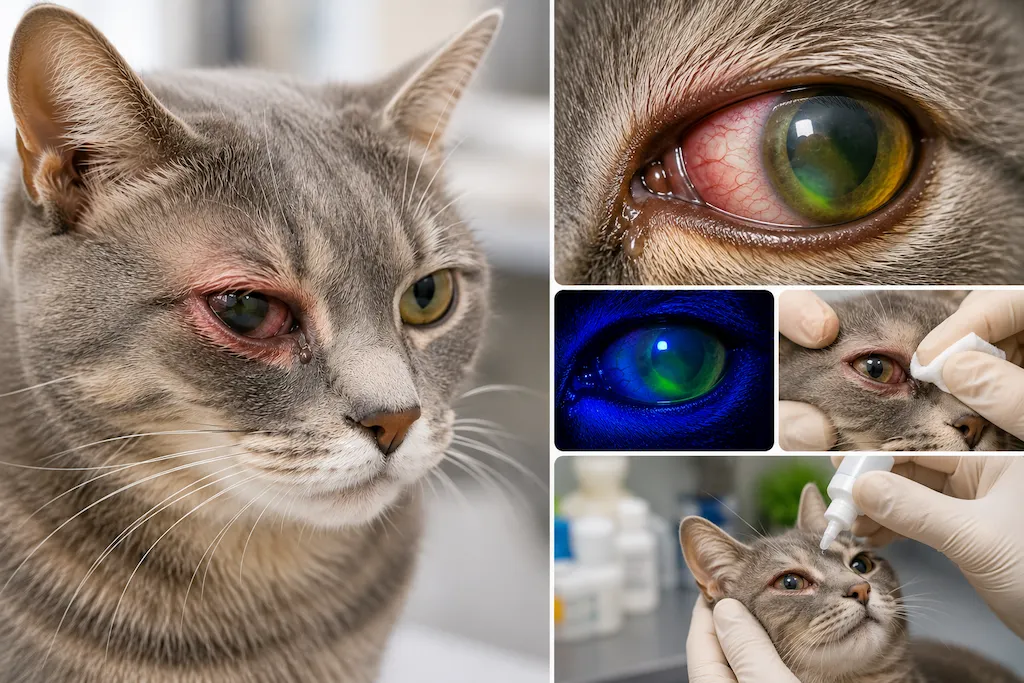
- Visual inspections: While brushing your pet’s coat during cat grooming in Abu Dhabi, look for tiny moving insects, eggs, or black specks (flea dirt).
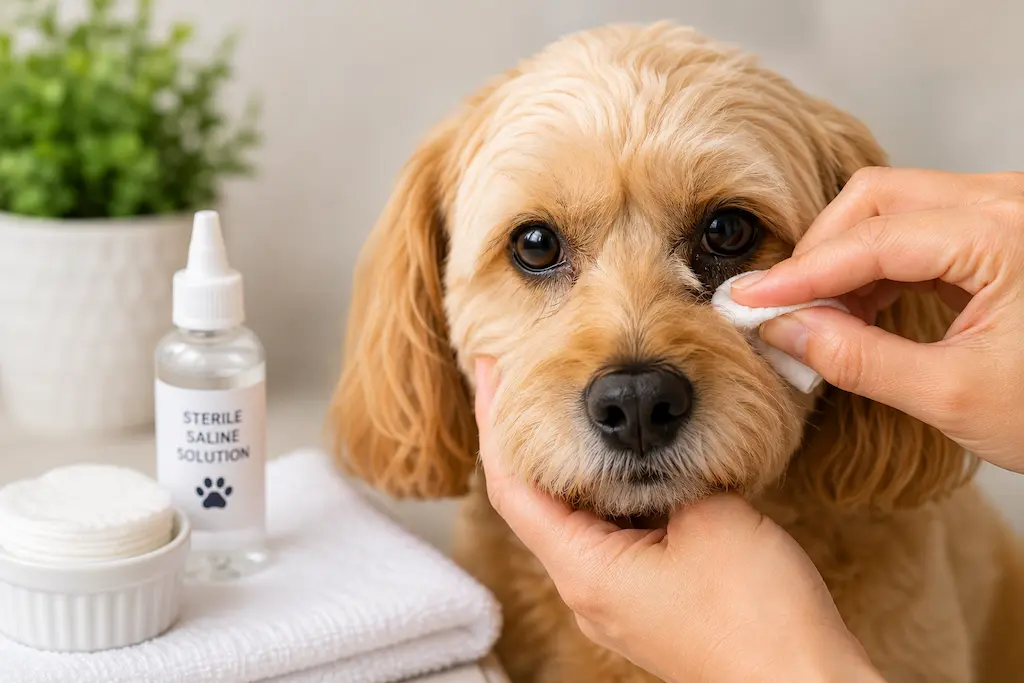
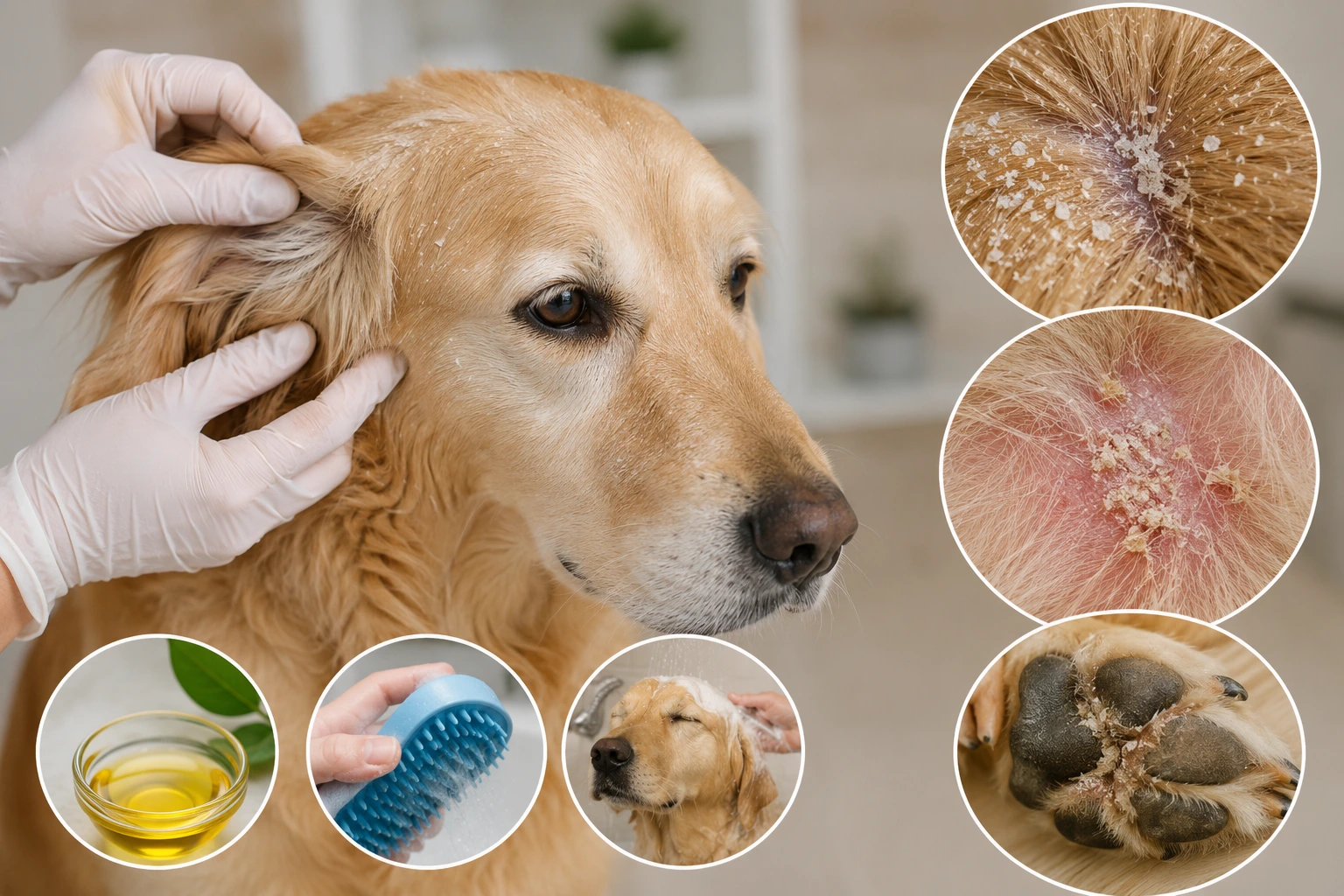
- Skin checks: Part your pet’s fur to examine for redness, scabs, or irritation that could signal mites or ticks.
- Behavioral cues: Excessive scratching, licking, or biting often point to parasite activity even before you see them.
Best Grooming Practices to Detect Parasites
Regular grooming is the key. Here are some practical steps you can incorporate into your routine:
- Daily brushing: Helps remove loose hair and debris while providing a chance to inspect the skin.
- Bathing with medicated shampoos: Certain shampoos can help reduce parasite populations and soothe irritation.
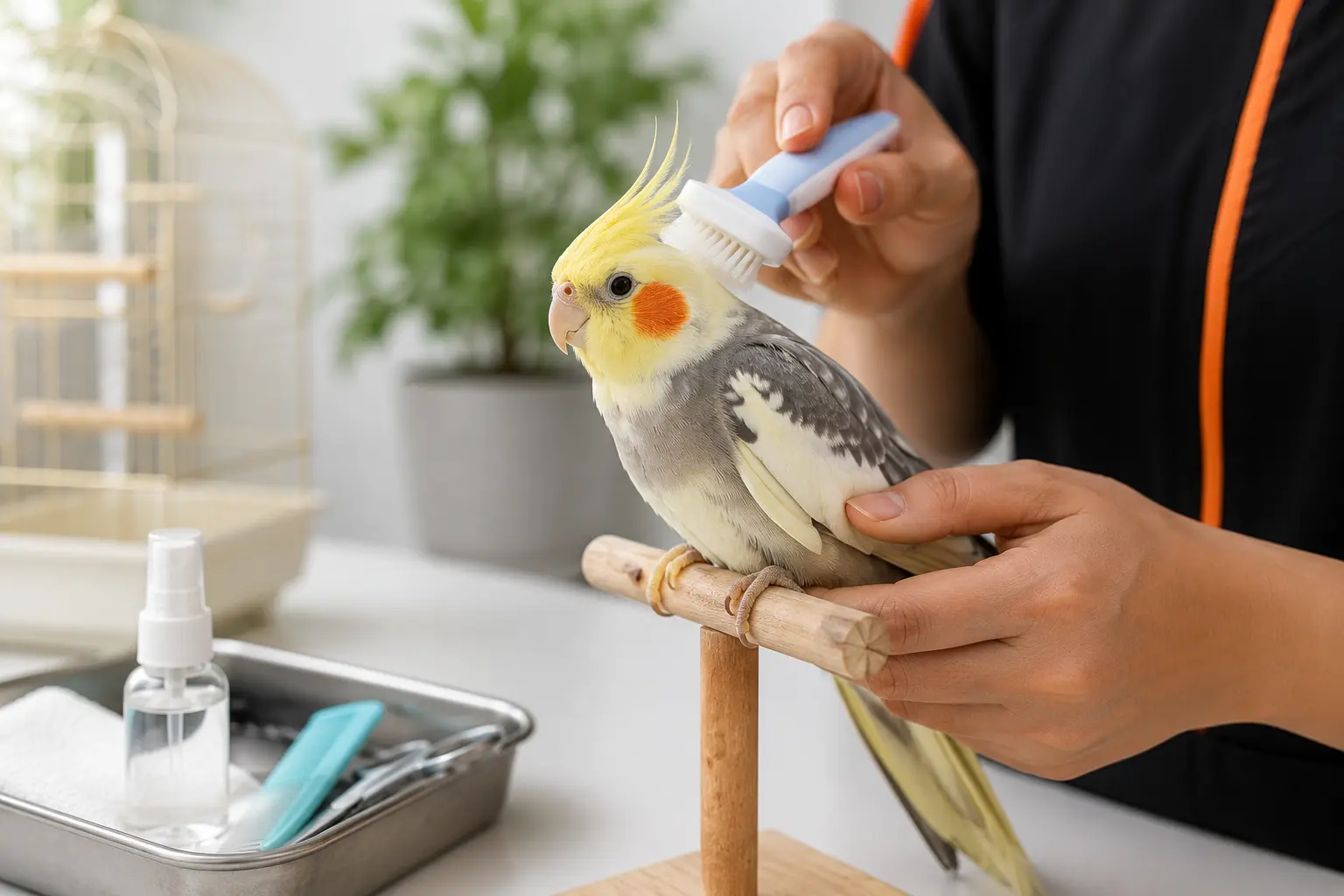
- Using grooming tools: Fine-toothed combs can catch fleas, while tick removers are essential for safe extraction.
- Keeping a grooming schedule: Consistency is crucial; set a weekly or bi-weekly routine to stay ahead.
Tools and Techniques
- Flea combs: Look for tiny black dots or small moving insects in the comb teeth.
- Gloves for hands-on checks: Helps you feel lumps, bumps, or parasites hidden under dense fur.
- Check common hiding spots: Neck, ears, tail base, and under the legs are favorite parasite areas.
The Long-Term Benefits of Grooming for Parasite Control
- Reduces vet visits: Catching parasites early means less need for costly treatments.
- Improves pet comfort: No one enjoys constant itching or skin irritation.
- Supports a healthy coat and skin: Regular grooming strengthens hair and promotes overall wellness.
Real-Life Example
Max, a 3-year-old golden retriever. His owner noticed tiny black specks while brushing his coat. Early detection allowed for immediate treatment, preventing a full flea infestation in both Max and the household. This simple grooming habit saved time, money, and stress.
Conclusion
Grooming is more than a beauty routine; it’s a crucial preventive health measure. By inspecting your pet’s coat, skin, and behavior regularly, you can detect parasites before they turn into infestations. Also, how head-to-tail pet grooming can help detect early health problems, make grooming a consistent habit, use the right tools, and stay observant. Your pet will thank you with a happier, healthier life.
Regular grooming is your first line of defense against parasites. Brush, check, and act early to keep your pet safe and comfortable.