






Amal noticed her budgie, Kiwi, sitting unusually still one scorching July afternoon, wings held slightly away from his body, breathing a little faster than usual. She’d always assumed birds handled heat better than most pets, feathers seemed like natural insulation, after all. It wasn’t until she mentioned it to a groomer during Kiwi’s next visit that she learned just how quickly birds can overheat, and how much of it comes down to small, preventable habits most owners simply don’t know about.
It’s a gap we see often. As groomers who work hands-on with birds of every species, from parrots to canaries to cockatiels, we regularly field questions from owners who assume their bird’s resilience means heat isn’t a real concern. In reality, birds are especially sensitive to temperature swings, and summer in the Gulf brings a level of heat that catches even experienced owners off guard. Here’s what actually keeps a bird safe, comfortable, and well-groomed through the hottest months.
Keep Your Bird Cool and Hydrated
Birds don’t sweat, they rely on panting and behavioral changes to manage their body temperature, which makes hydration and airflow especially important. Fresh, cool water should be changed multiple times a day, and offering fruits and vegetables with high water content, cucumber, watermelon, seedless apple, gives an extra layer of hydration support. Many birds also enjoy a light misting or a shallow bathing bowl, which helps regulate temperature while keeping feathers in good condition.
Prioritize Ventilation Over Direct Cooling
Good airflow matters far more than blasting cold air directly at your bird. Placing a cage directly in front of a fan or air conditioner can cause respiratory issues from the direct draft. A shaded, well-ventilated spot works better, with ceiling or oscillating fans set to low and angled away from the cage. It’s also worth keeping cooking fumes and aerosols away from the area entirely, birds are highly sensitive to airborne irritants.
Never Leave a Bird in a Parked Car
This one applies to birds just as urgently as it does to dogs and cats. Temperatures inside a parked car climb dangerously fast, even with the windows cracked, and it takes only minutes to become fatal. If travel is unavoidable, the vehicle needs to stay well-ventilated and the bird should never be left unattended, even briefly.
Recognize the Signs of Heat Stress
Birds show fairly distinct signals when they’re overheating: open-mouth breathing, wings held away from the body, lethargy, fluffed feathers, and in severe cases, disorientation or seizures. If you notice any of these, move your bird to a cooler space immediately and offer water. Persistent symptoms warrant an avian vet visit without delay, this isn’t a wait-and-see situation.
Maintain a Clean Cage and Groom Regularly
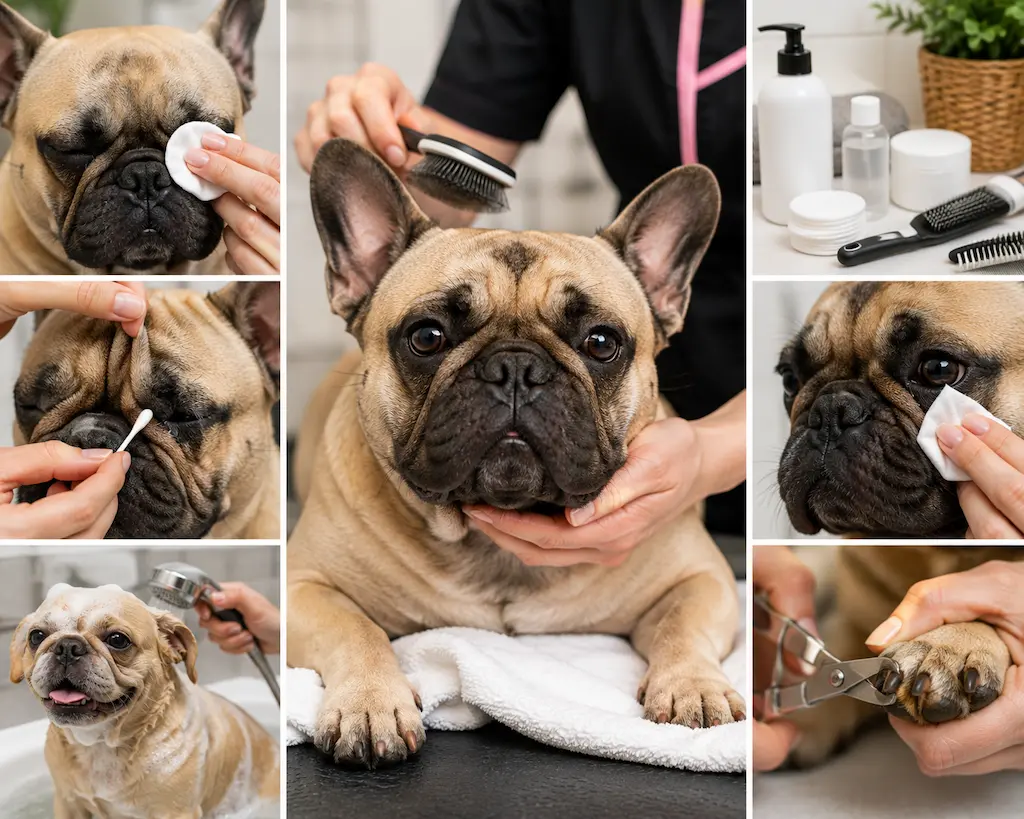
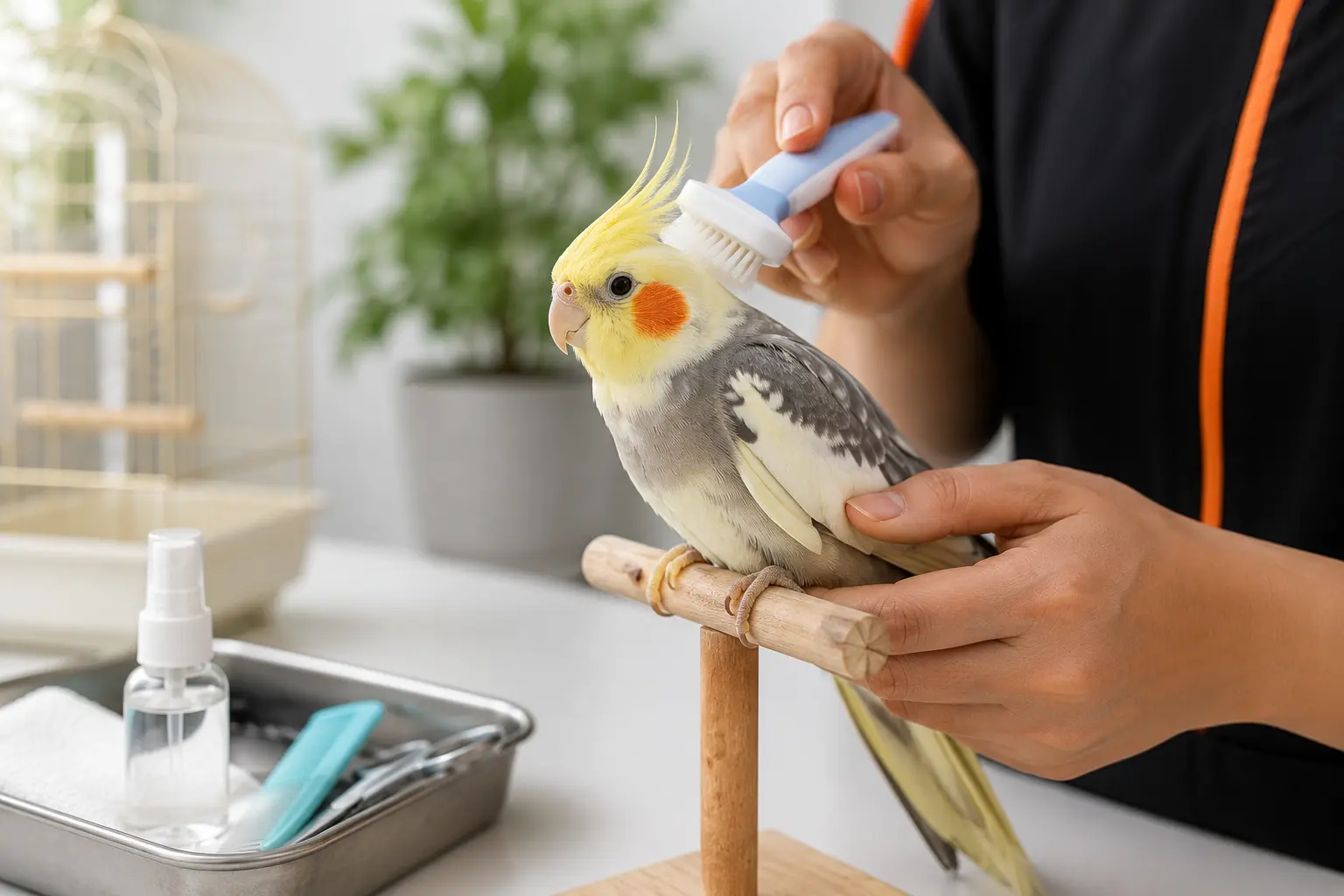
Warm, humid conditions accelerate bacterial growth, which makes cage hygiene more important in summer than any other season. Regular cleaning of the cage and perches, along with routine feather care, keeps your bird’s environment genuinely safe rather than just tidy. Nail and beak trimming should only be attempted if you’re properly trained, otherwise it’s a task better left to a professional. For a broader look at seasonal coat and feather care across pets, our guide on fur and feather grooming tips for healthy pets covers the essentials in more depth.
Balance Sun Exposure, Don’t Eliminate It
Birds need some natural light for vitamin D synthesis, which supports calcium absorption and bone health, so cutting out sunlight entirely isn’t the goal. Filtered light through a window, with shade nearby, is generally safe. If your bird spends time outdoors, close supervision and shaded areas are essential, and it’s best to avoid peak sun hours between 11 am and 4 pm.
Don’t Overlook Mental Stimulation
More time indoors during summer can lead to boredom, and boredom in birds often shows up as feather plucking or increased aggression. Rotating toys, foraging activities, puzzle feeders, and supervised time outside the cage all help keep a bird mentally engaged through the months when outdoor time is limited.
When Professional Grooming Makes the Difference
If grooming your bird yourself feels risky or unfamiliar, professional grooming is genuinely the safer choice, particularly in summer, when hygiene and feather condition matter more than usual. A trained groomer can manage wing trims, shape nails and beak, and provide thorough bathing and feather care without the guesswork. If your household includes birds alongside other pets, our overview of mobile pet grooming in Abu Dhabi makes busy people life easier explains how at-home visits can make consistent seasonal care far more manageable.
Frequently Asked Questions
How can I tell if my bird is too hot versus just resting?
Watch for open-mouth breathing, wings held away from the body, or fluffed feathers alongside stillness. Normal resting doesn’t usually include labored breathing or a change in posture like this.
Is misting safe for all bird species?
Most birds enjoy and benefit from light misting, but preferences vary by species. If you’re unsure, start with a shallow bathing bowl and observe how your bird responds before introducing misting.
Can I use a fan directly on my bird’s cage to cool them down?
It’s best avoided. Direct drafts from fans or AC units can lead to respiratory issues. Positioning airflow to circulate the room generally, rather than blow straight at the cage, is safer.
How often should a bird be professionally groomed in summer?
This varies by species and individual needs, but many owners find every 4 to 6 weeks works well during warmer months, when hygiene and feather condition need closer attention.
What should I do if my bird shows signs of heat stress?
Move them to a cooler, shaded area immediately and offer water. If symptoms don’t improve quickly, contact an avian veterinarian without delay, heat stress can escalate fast.
Final Thoughts
Summer heat asks more of bird owners than most expect, not because birds are fragile, but because their way of managing temperature is easy to overlook. A little consistency, fresh water, proper ventilation, regular grooming, and a close eye for early warning signs, makes the difference between a stressful season and a comfortable one. Kiwi, as it turned out, just needed a cooler spot and a bit more misting through the peak afternoon hours, a small adjustment that made a real difference.