




Noor almost didn’t mention it to her vet. Her 12-year-old cat, Mishka, had always shed a bit in spring, so the extra fur on the sofa didn’t seem worth bringing up during a routine check-up. But when the vet ran a hand along Mishka’s back and felt patchy, thinning fur along with a faster-than-usual heartbeat, a quick blood test told a different story: Mishka had hyperthyroidism, a condition that had been quietly changing her coat for months before anyone noticed.
Cats are known for their beautiful, soft fur, but shedding is a common concern for many cat owners, and it isn’t always as harmless as it looks. While some shedding is completely normal, excessive hair loss can be one of the earliest visible signs of an underlying health issue. Understanding the causes, symptoms, and proper grooming techniques, along with regular sessions of pet grooming in Abu Dhabi, can help you tell the difference and keep your feline’s coat in top condition.
Why Do Cats Shed?
Shedding is a natural process that helps cats remove old or damaged fur and maintain a healthy coat. The frequency and amount of shedding vary depending on factors like breed, seasonal changes, nutrition, and overall health. While some cats shed year-round, others experience heavier shedding during seasonal transitions.
Causes of Cat Fur Shedding
1. Seasonal Changes: Cats naturally shed more during seasonal transitions, especially in spring and fall. This is a normal process that helps them adjust to temperature changes.
2. Dietary Deficiencies: A poor diet lacking essential nutrients like omega-3 fatty acids, vitamins, and proteins can lead to excessive shedding and dull fur.
3. Stress and Anxiety: Stressful situations such as moving homes, introducing new pets, or environmental changes can trigger excessive shedding.
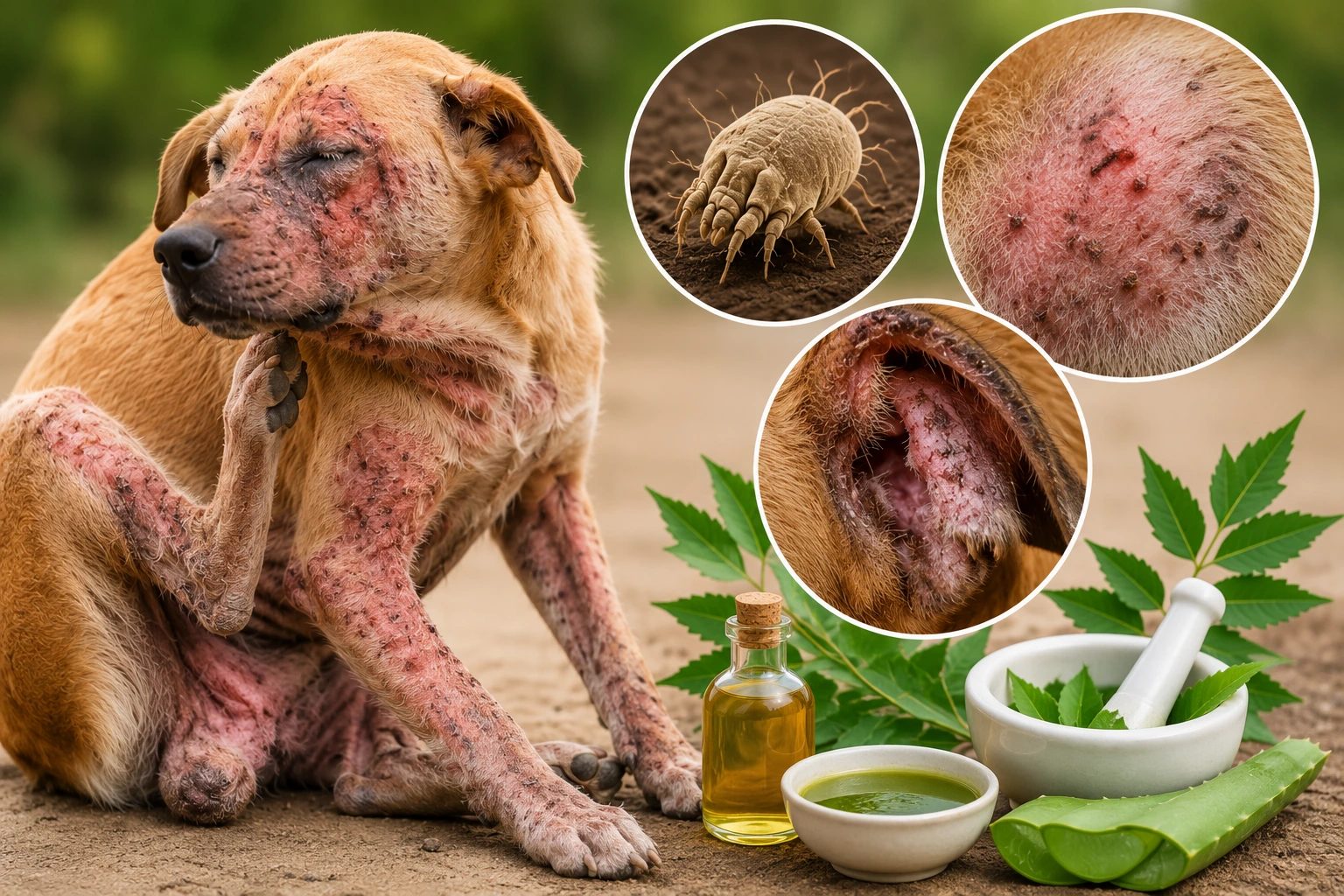
4. Parasites and Skin Infections: Fleas, mites, and fungal infections like ringworm can lead to hair loss, itching, and skin irritation.
5. Allergies: Cats can develop allergies to food, pollen, or household products, leading to excessive licking, scratching, and shedding.
6. Underlying Health Conditions: Conditions such as hyperthyroidism, diabetes, or hormonal imbalances may cause hair loss and changes in coat texture.
Why coat changes deserve a second look, especially in older cats: A UK study of nearly 4,705 cats aged 10 and older found that just over 1 in 5 were hyperthyroid, with long-haired cats at meaningfully higher risk than short-haired cats. Vets often describe a telltale pattern in these cases: a coat that mats faster than usual, sometimes alongside weight loss despite a hearty appetite, since a cat with an overactive thyroid burns through energy faster and often has less patience for the slow, methodical self-grooming that keeps fur smooth. It’s easy to write this off as “just getting older,” which is exactly why it’s worth mentioning to a vet rather than assuming it’s cosmetic.
Symptoms of Abnormal Shedding
While some fur loss is normal, excessive shedding can be a sign of an underlying problem. Watch out for the following symptoms:
- Bald patches or thinning areas on the coat
- Red, inflamed skin or rashes
- Excessive licking and scratching
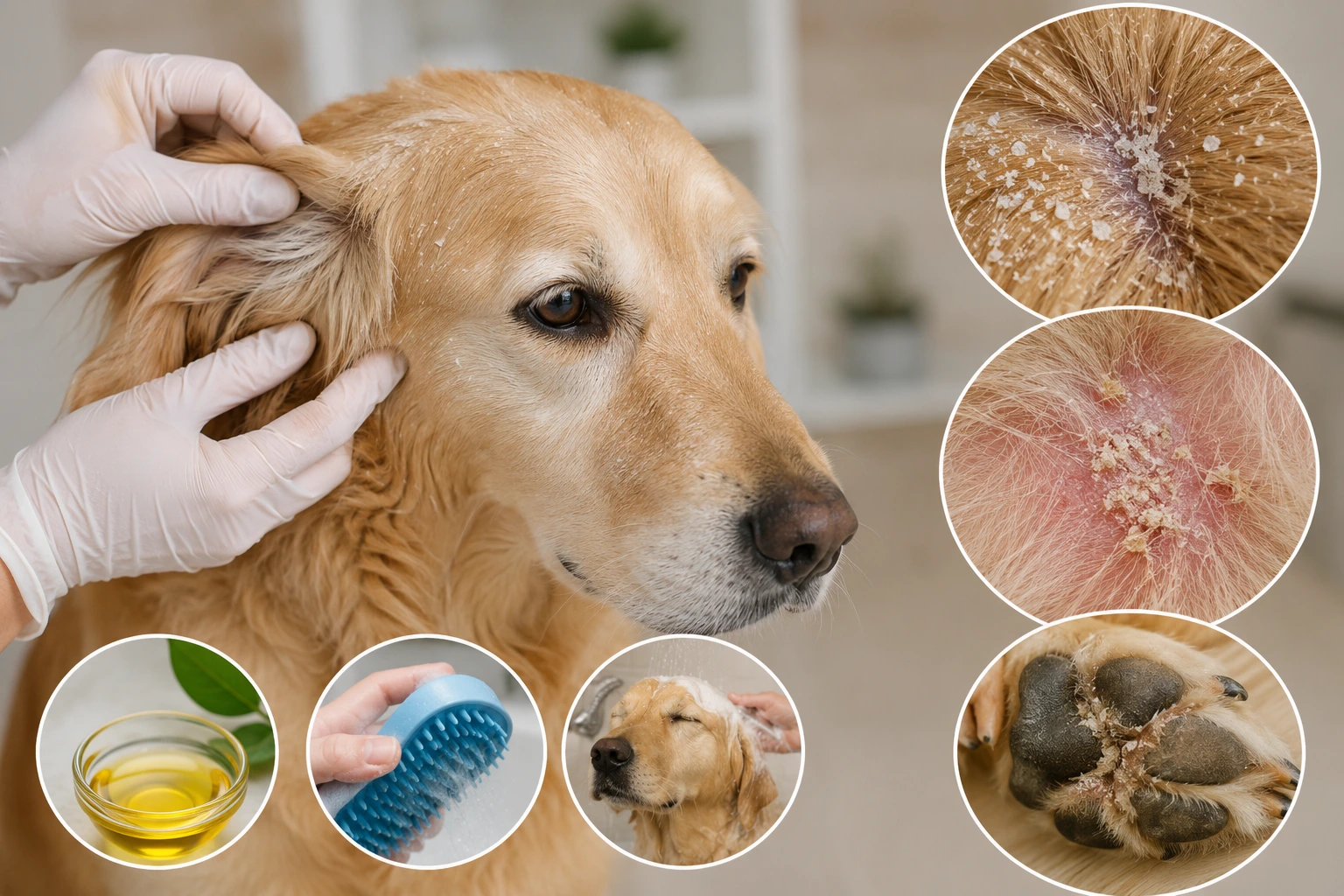
- Dandruff or dry skin
- Changes in fur texture (brittle or greasy coat)
If you notice any of these symptoms, it’s best to consult a veterinarian for proper diagnosis and treatment.
Grooming Tips for a Healthy Coat
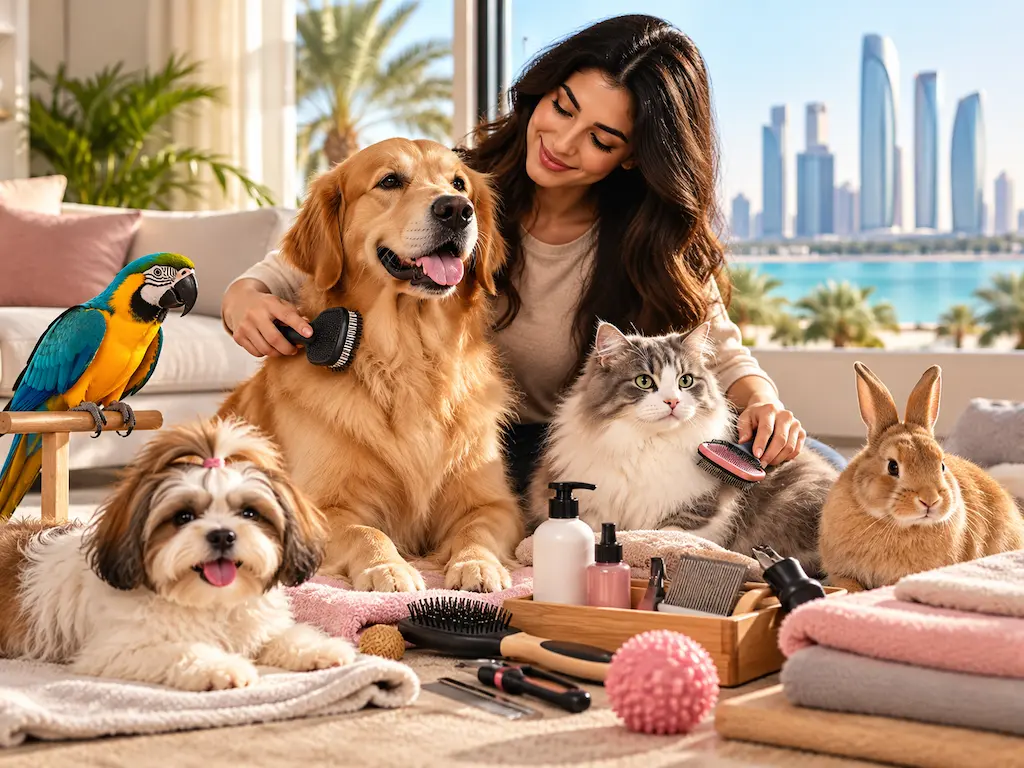
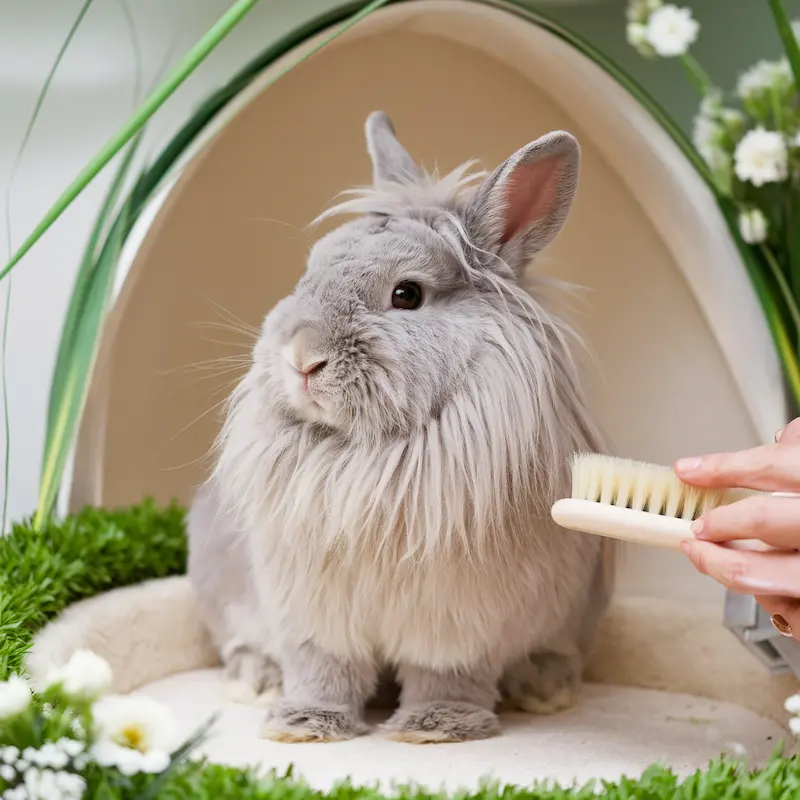
1. Regular Brushing: Brushing your cat’s coat helps remove loose fur, prevent matting, and reduce hairballs. Long-haired cats should be brushed daily, while short-haired breeds can be groomed 2-3 times a week.
2. Provide a Balanced Diet: Ensure your cat receives high-quality food rich in omega-3 fatty acids, vitamins, and proteins to promote healthy skin and fur.
3. Hydration is Key Dehydration can lead to dry skin and excessive shedding. Always provide fresh water and consider wet food to keep your cat hydrated.
4. Use Cat-Friendly Grooming Products: Shampoos and conditioners formulated for cats help maintain a healthy coat while preventing dryness and irritation.
5. Maintain a Stress-Free Environment: A calm and stable environment can help reduce stress-induced shedding. Provide scratching posts, cozy hiding spots, and interactive toys.
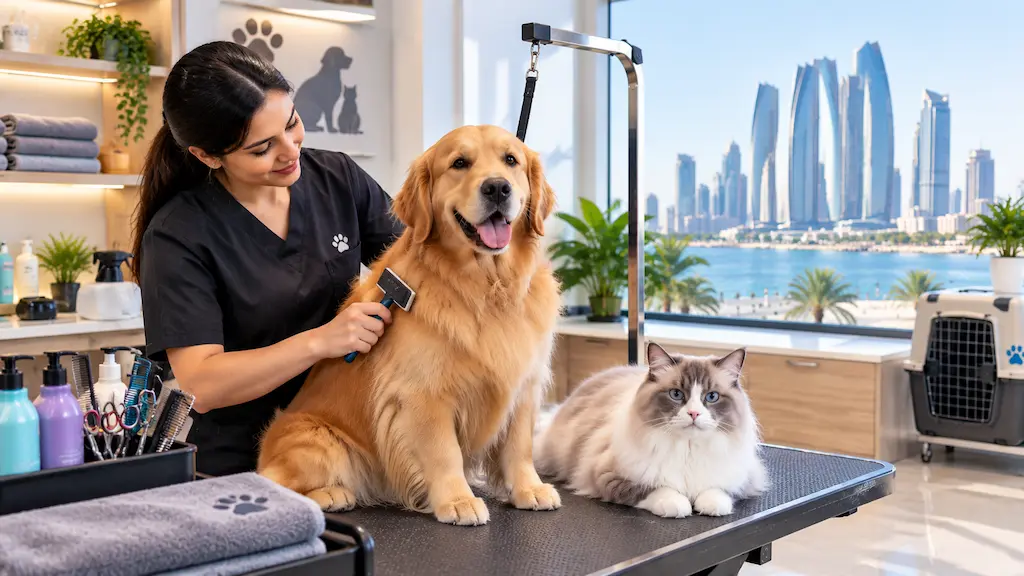
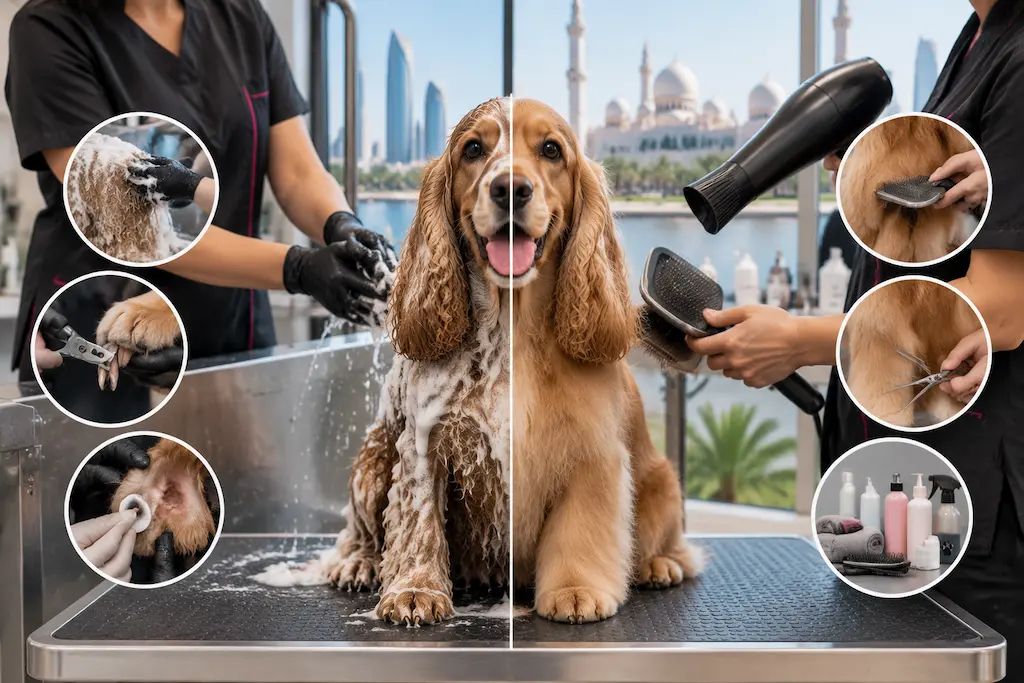
6. Professional Grooming Services: Regular professional cat grooming can help keep your cat’s coat healthy and reduce excessive shedding. It’s also a chance for a trained groomer to notice coat changes early, the same kind that led to Mishka’s diagnosis, well before they’re obvious at home.
The Groom Room: The Best Cat Grooming Service
For expert grooming and top-notch care, The Groom Room in Abu Dhabi is the go-to destination for cat owners. Their skilled groomers use gentle techniques to ensure your cat’s coat remains clean, healthy, and free from excessive shedding. Whether your feline needs a basic brush-out, de-shedding treatment, or a luxurious spa session, The Groom Room provides the best pet grooming experience tailored to your pet’s needs.
Frequently Asked Questions
How much shedding is considered normal for a cat?
Some daily shedding is normal, especially during seasonal coat changes in spring and fall. It becomes a concern when you notice bald patches, thinning, or shedding that’s noticeably heavier than your cat’s usual pattern.
Can stress really cause my cat to shed more?
Yes. Cats are sensitive to changes in their environment, and stress from moving, new pets, or household disruptions can trigger a temporary increase in shedding.
Is excessive shedding always a sign of a serious health problem?
Not always, diet, hydration, and stress are common, more minor causes. But because it can also point to allergies, parasites, or conditions like hyperthyroidism, it’s worth ruling out the more serious causes with a vet, especially in older cats.
How often should I bring my cat in for professional grooming?
Most cats benefit from professional grooming every 4 to 6 weeks, though long-haired breeds or heavy shedders may need more frequent sessions to prevent matting.
Will brushing my cat more often stop the shedding completely?
Regular brushing significantly reduces loose fur around your home and helps prevent matting and hairballs, but it won’t eliminate shedding entirely, it’s still a natural process, not something to fully stop.
Conclusion
A little shedding is simply part of life with a cat, but knowing where “normal” ends and “worth investigating” begins can make a real difference, sometimes catching a health issue long before it becomes serious. Regular brushing, a balanced diet, hydration, and a calm environment go a long way toward keeping your cat’s coat healthy between grooming sessions.
If you’d rather leave the details to a professional, The Groom Room offers expert cat grooming in Abu Dhabi, with gentle, experienced hands that keep your cat’s coat healthy and catch changes early. Book an appointment today and give your cat the pampering, and the peace of mind, they deserve.