



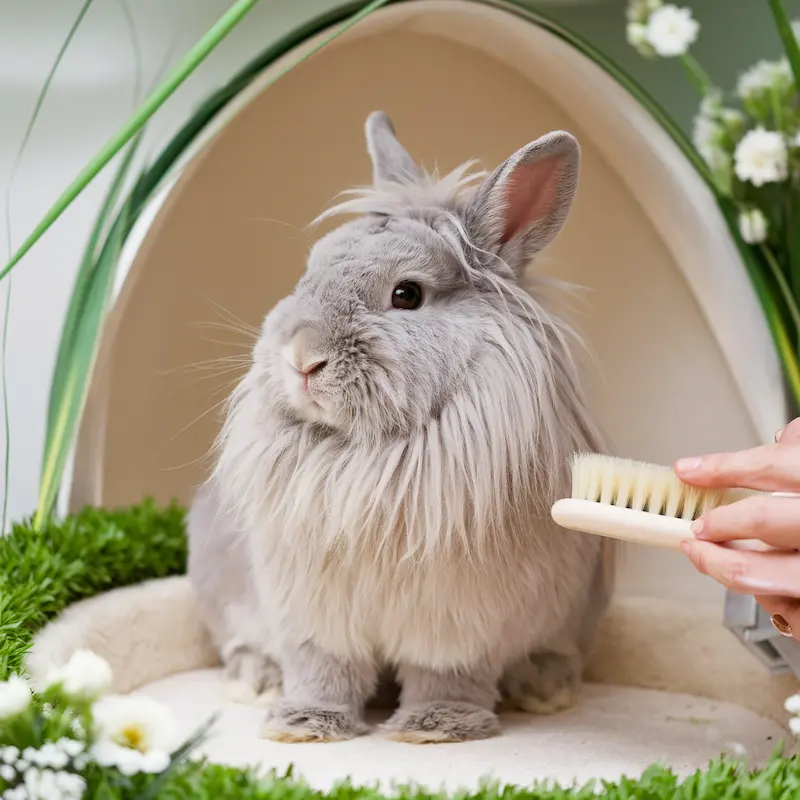

A few weeks ago, a cat owner in Abu Dhabi noticed that her Persian cat was spending less time moving around and avoiding being touched near the back legs. At first, it looked like a simple grooming issue, but a closer check revealed tight mats hidden beneath the coat. These tangled patches were pulling on the skin and making everyday movement uncomfortable.
This situation is more common than many cat owners realize. Cats are naturally clean animals, but long-haired breeds, older cats, and cats with health or mobility challenges may struggle to maintain their coats properly. Regular brushing and professional pet grooming in Abu Dhabi can help prevent painful mats and keep your cat’s coat healthy, comfortable, and easier to manage.
In this guide, we will explain what causes cat matting, how to safely handle tangled fur, when professional grooming is needed, and the best ways to prevent mats from returning.
What Causes Matting in Cats?
Cat matting happens when loose hair becomes trapped within the coat and forms tangled clumps. Over time, these tangles tighten and can pull against the skin.
Several factors can contribute to matted fur:
Lack of Regular Brushing
Cats groom themselves daily, but self-grooming is not always enough, especially for cats with thick or long coats. Loose hair can remain trapped inside the coat and create knots.
Seasonal Shedding
During shedding periods, cats lose more dead hair. Without regular brushing, this loose fur can combine with existing hair and form mats.
Long-Haired Cat Breeds
Some cats naturally require more coat maintenance, including:
- Persian cats
- Maine Coons
- Ragdolls
- Himalayan cats
Their dense undercoats make them more likely to develop hidden tangles.
Weight, Age, or Mobility Problems
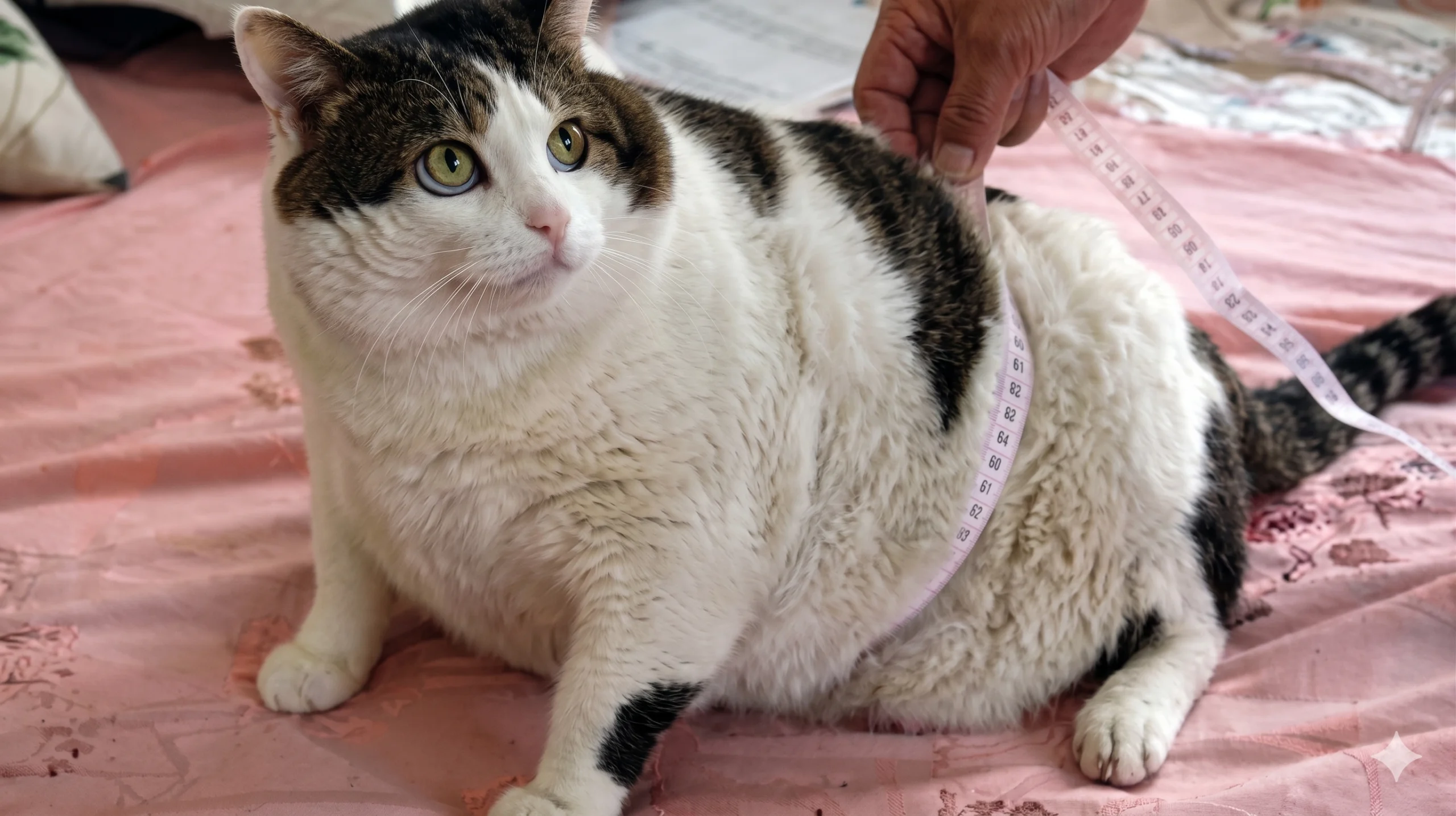
Older or overweight cats may struggle to reach certain areas while grooming themselves. Joint problems can also reduce their ability to maintain their coat.
Skin Problems or Allergies
Skin irritation, allergies, or parasites may cause excessive scratching or changes in grooming behavior, increasing the chance of mat formation.
Where Do Cats Usually Develop Mats?
Mats often appear in areas where fur experiences friction or where cats have difficulty grooming.
Common problem areas include:
- Behind the ears
- Under the armpits
- Around the collar area
- Belly area
- Back legs
- Under the tail
Checking these areas regularly can help identify small tangles before they become painful mats.
Why Matted Fur Can Be Harmful to Cats
Matted fur is not only a cosmetic concern. Severe matting can affect your cat’s comfort and overall wellbeing.
1. Skin Irritation and Infection
Tight mats pull the skin continuously, which can cause:
- Redness
- Pain
- Skin sensitivity
- Moisture buildup
- Increased risk of infection
2. Hidden Parasites
Dense tangled fur can make it harder to notice fleas, mites, or skin problems underneath the coat.
3. Limited Movement
Large mats near joints and legs can restrict movement and make walking, jumping, or stretching uncomfortable.
4. Stress During Grooming
The longer mats remain untreated, the more difficult they become to remove. This can make future grooming sessions stressful for your cat.
What Veterinary Experts Say About Matted Cat Fur
Professional organizations highlight that regular grooming plays an important role in maintaining animal health, especially for pets that cannot properly maintain their coats.
For example, the American Society for the Prevention of Cruelty to Animals explains that neglected grooming can contribute to discomfort, skin issues, and other health concerns in pets.
A real-world example can be seen in veterinary practice: cats with severe matting are often presented for professional clipping because removing tightly attached mats at home can accidentally damage the skin. Veterinary professionals commonly recommend prevention through regular brushing and early grooming intervention rather than waiting until mats become painful.
How to Safely Remove Matted Fur From a Cat
Removing mats requires patience and gentle handling. Pulling aggressively can hurt your cat.
Step 1: Prepare the Right Tools
You may need:
- Stainless steel comb
- Slicker brush
- Cat-safe detangling spray
- Dematting tool
- Blunt-tip grooming scissors (only when necessary)
- Treats for positive reinforcement
Step 2: Keep Your Cat Calm
Choose a quiet environment before starting.
Helpful tips:
- Use a calm voice
- Work slowly
- Give breaks when needed
- Reward your cat with treats
Step 3: Loosen the Mat
Apply a cat-safe detangling spray and allow it to soften the tangled area.
Always begin working from the outer edges of the mat instead of pulling directly from the skin.
Step 4: Comb Gently
Use small movements to separate the tangled hair.
Avoid:
- Pulling hard
- Cutting close to the skin
- Continuing if your cat becomes distressed
Step 5: Use Professional Help for Severe Mats
If mats are tight, large, or close to the skin, professional grooming is usually the safest option.
A trained cat grooming in Abu Dhabi can remove difficult mats safely while checking for possible skin or coat problems.
When Should You Take Your Cat to a Professional Groomer?
Professional grooming is recommended if your cat has:
- Multiple severe mats
- Mats attached close to the skin
- Sensitive skin
- Aggressive reactions during grooming
- Medical conditions affecting grooming ability
Professional groomers have the tools and experience needed to handle difficult coat problems without unnecessary stress.
How to Prevent Cat Matting in the Future
Preventing mats is much easier than removing painful tangles later.
Brush Your Cat Regularly
The ideal brushing routine depends on coat type:
| Cat Coat Type | Recommended Brushing |
|---|---|
| Long-haired cats | Daily brushing |
| Medium-haired cats | Every 2–3 days |
| Short-haired cats | Once weekly |
Focus on High-Risk Areas
Check:
- Behind ears
- Under legs
- Belly
- Collar area
These areas often develop hidden mats.
Schedule Regular Grooming Sessions
Cats with thick or long coats may benefit from professional grooming every 4–8 weeks.
Regular appointments help maintain coat condition and identify early issues before they become serious.
You can also learn more helpful cat grooming tips to maintain your cat’s coat between professional sessions.
Grooming Tips Based on Cat Coat Type
Long-Haired Cats
Persians and Himalayans require frequent brushing because their dense coats easily trap loose hair.
Recommended care:
- Daily brushing
- Regular coat checks
- Professional grooming support
Medium-Haired Cats
Maine Coons and Ragdolls benefit from brushing every few days to prevent undercoat buildup.
Short-Haired Cats
Short-haired cats usually need less maintenance, but weekly brushing can still reduce shedding and prevent hidden tangles.
Is Shaving Necessary for Matted Cat Fur?
Shaving may be necessary when mats are too tight to remove safely with brushing.
A professional groomer will decide whether your cat needs:
- Small mat removal
- Sanitary trimming
- Partial shaving
- Full coat clipping
Avoid trying to cut severe mats yourself because cat skin is thin and easy to injure.
Frequently Asked Questions
Can matted fur hurt my cat?
Yes. Tight mats can pull on the skin, cause discomfort, restrict movement, and increase the risk of skin irritation.
How often should I brush my cat to prevent mats?
Long-haired cats often need daily brushing, while medium and short-haired cats usually need brushing several times per week or weekly depending on their coat.
Can I remove severe mats at home?
Small tangles may be manageable at home, but severe mats close to the skin should be handled by a professional groomer.
Should I shave my cat if the fur is badly matted?
Shaving can be necessary in severe cases, but it should be performed carefully by an experienced groomer to avoid skin injuries.
Why has my cat suddenly stopped grooming?
A sudden decrease in grooming may be linked to age, weight issues, dental discomfort, stress, or mobility problems. A veterinary check may be needed.
Conclusion
Matted fur is a problem that can develop quietly, but early action can prevent unnecessary discomfort. Regular brushing, coat checks, and professional grooming support can help your cat stay clean, comfortable, and healthy.
For Abu Dhabi cat owners, consistent coat care is especially important due to dust, heat, and environmental factors that can affect skin and fur condition.
If your cat is struggling with tangled fur or needs professional coat care, Groom Room can provide gentle grooming support designed around your cat’s comfort and wellbeing.