
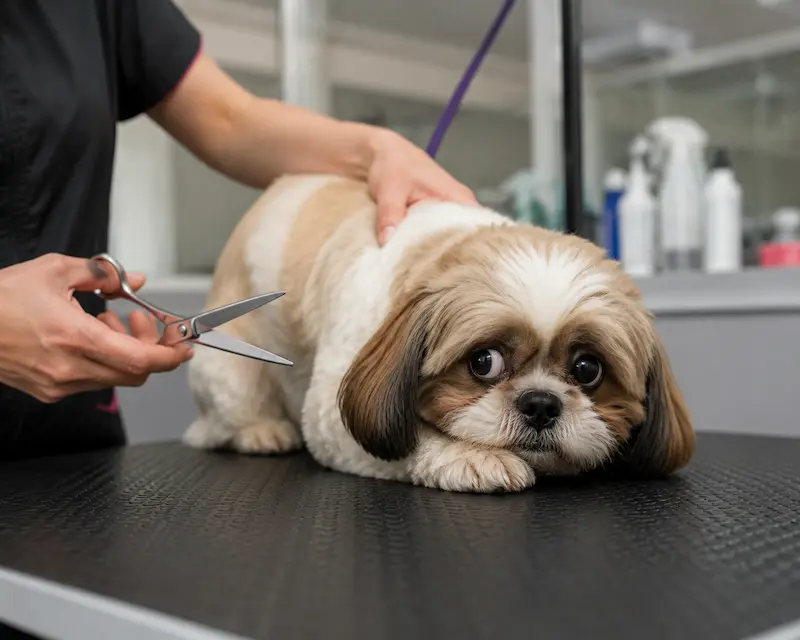

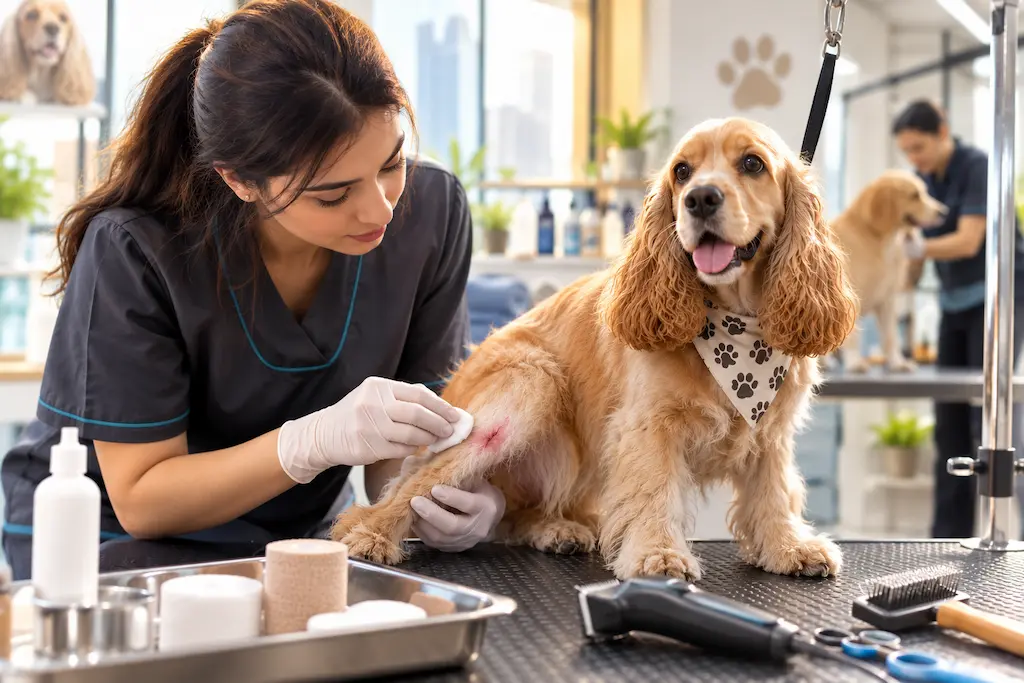


Farida almost didn’t book the appointment. Her dog, a shaggy-coated Cocker Spaniel named Bruno, seemed fine to her a little smelly, maybe, but nothing urgent. It wasn’t until the groomer gently parted his fur near the ears that she saw it: a tight, painful mat pressed right against the skin, hiding a small patch of irritated, inflamed tissue underneath. Bruno hadn’t been “just a little messy.” He’d been quietly uncomfortable for weeks, and nobody, including Farida, had noticed.
Stories like Bruno’s are exactly why pet grooming in Abu Dhabi is about much more than keeping pets looking clean. It’s a key part of preventive care that helps identify skin problems, parasites, painful matting, overgrown nails, and other issues before they become more serious.
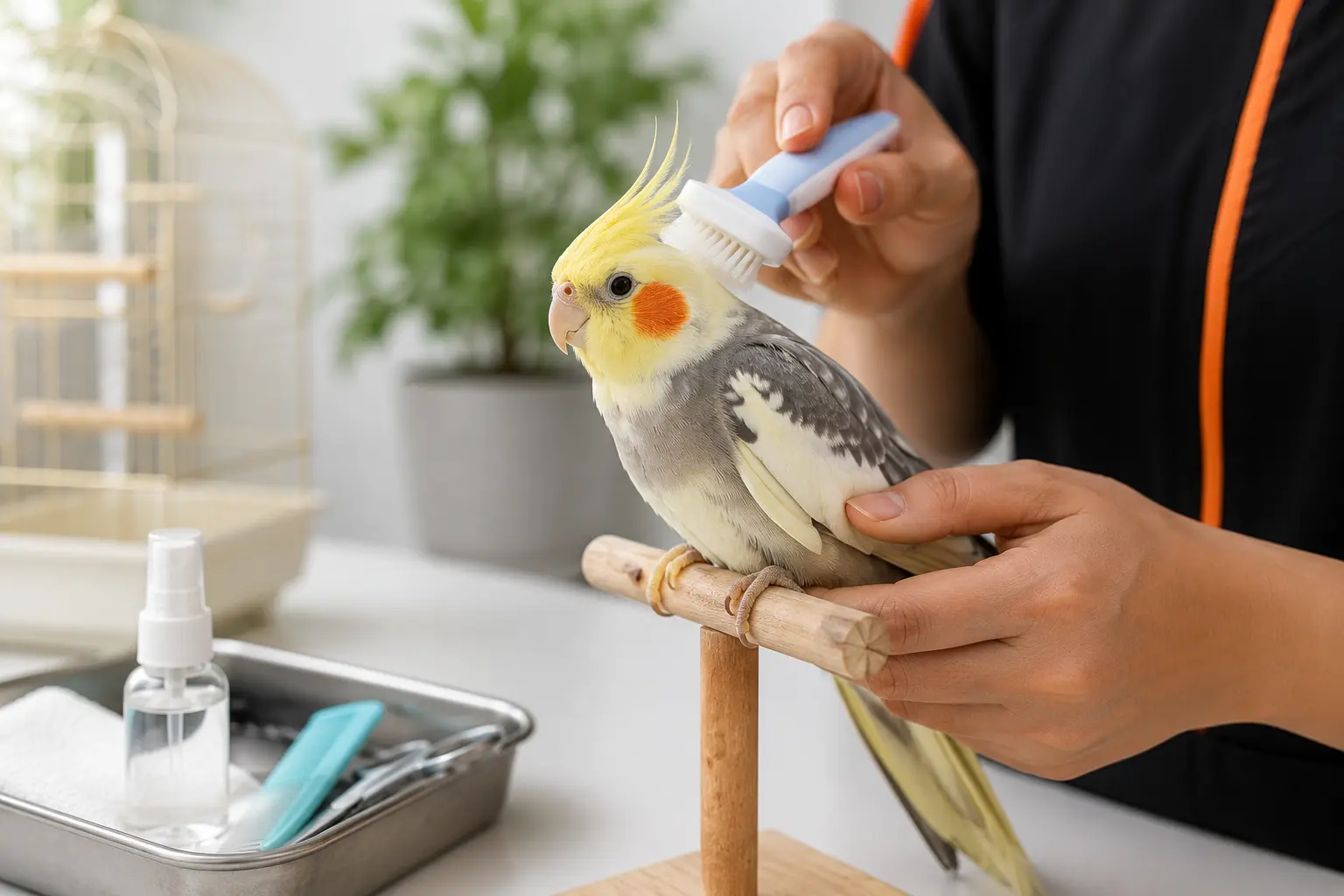
It’s a scene our groomers see often. As professionals who examine coats, skin, ears, and nails up close every single day, we catch things that are easy to miss during a quick pat on the head at home. Regular at-home grooming matters brushing, the occasional bath, and wiping the eyes but there are specific signs that call for a professional grooming session, not just for how your pet looks, but for their overall health and comfort. Here are the 15 most common signs, and why each one deserves your attention.
1. Persistent Odor
A lingering smell that doesn’t go away after a home bath is often one of the earliest signals something needs attention, whether that’s a dirty coat, an ear infection, or a dental issue. A professional groomer can clean the hard-to-reach areas and flag underlying causes like skin infections or gland buildup that home bathing simply can’t resolve.
2. Matted Fur
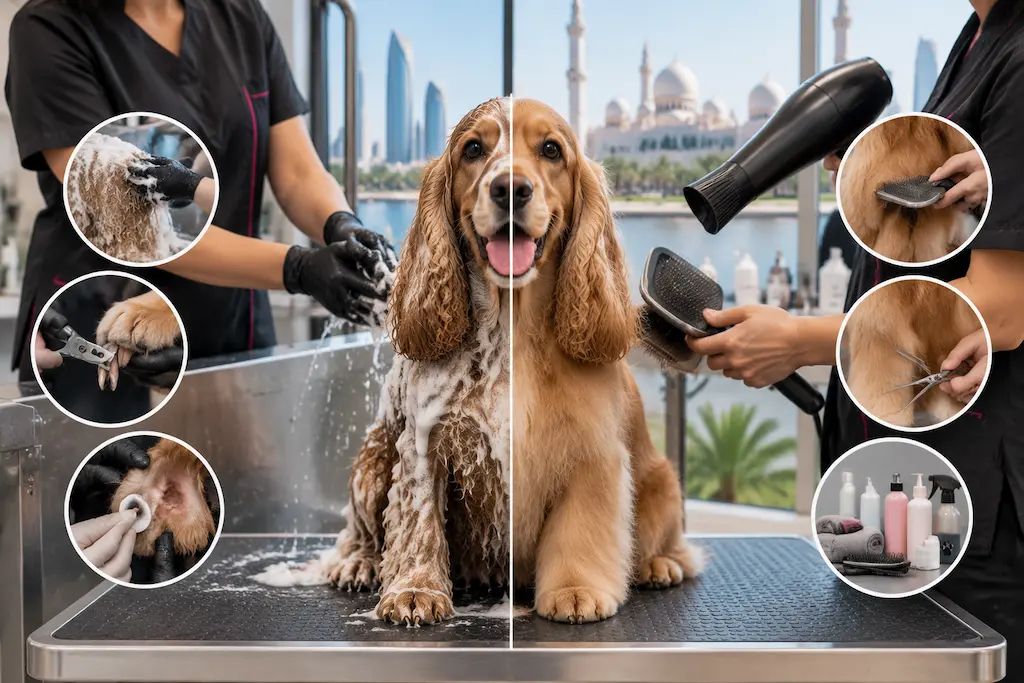
Matting happens when hair tangles and clumps, usually from a lack of regular brushing. It’s genuinely painful, pulls at the skin, and can hide parasites or infections underneath, exactly what was happening with Bruno. Groomers use specialized tools and techniques to remove mats safely, without the risk of cutting or hurting the skin beneath.
3. Excessive Shedding
Some shedding is completely normal, but an unusually heavy amount of loose fur can point to an underlying health issue or simply signal it’s time for a proper de-shedding treatment. Professional groomers use specific brushes and products designed to manage this, especially during seasonal coat changes.
4. Overgrown Nails
If you can hear your pet’s nails clicking against the floor, they’re overdue for a trim. Long nails aren’t just inconvenient, they can cause joint pain, altered posture, and even injury over time. Groomers are trained to trim precisely without hitting the quick, keeping your pet comfortable and steady on their feet.
5. Dirty or Smelly Ears
Wax buildup, dirt, or an unusual odor from the ears can point to infections or mites, particularly in breeds with floppy ears. A thorough professional cleaning, paired with an eye for early infection signs, can catch problems before they escalate. Our guide on why cat ears get dirty and what to do about it walks through what’s normal buildup versus something that needs a vet’s attention.
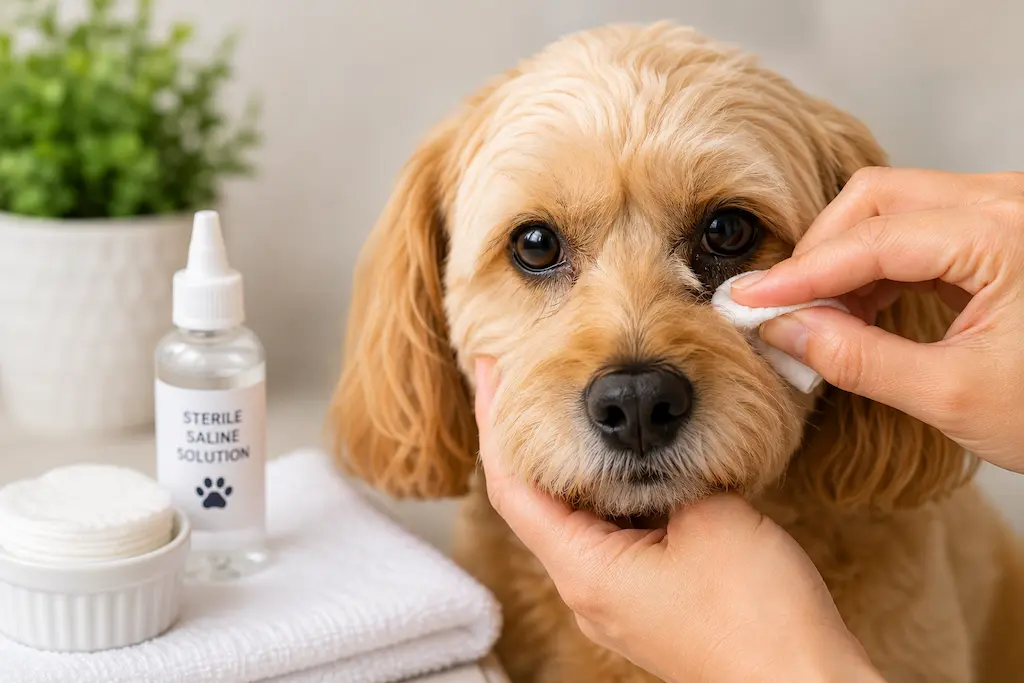
6. Eye Discharge
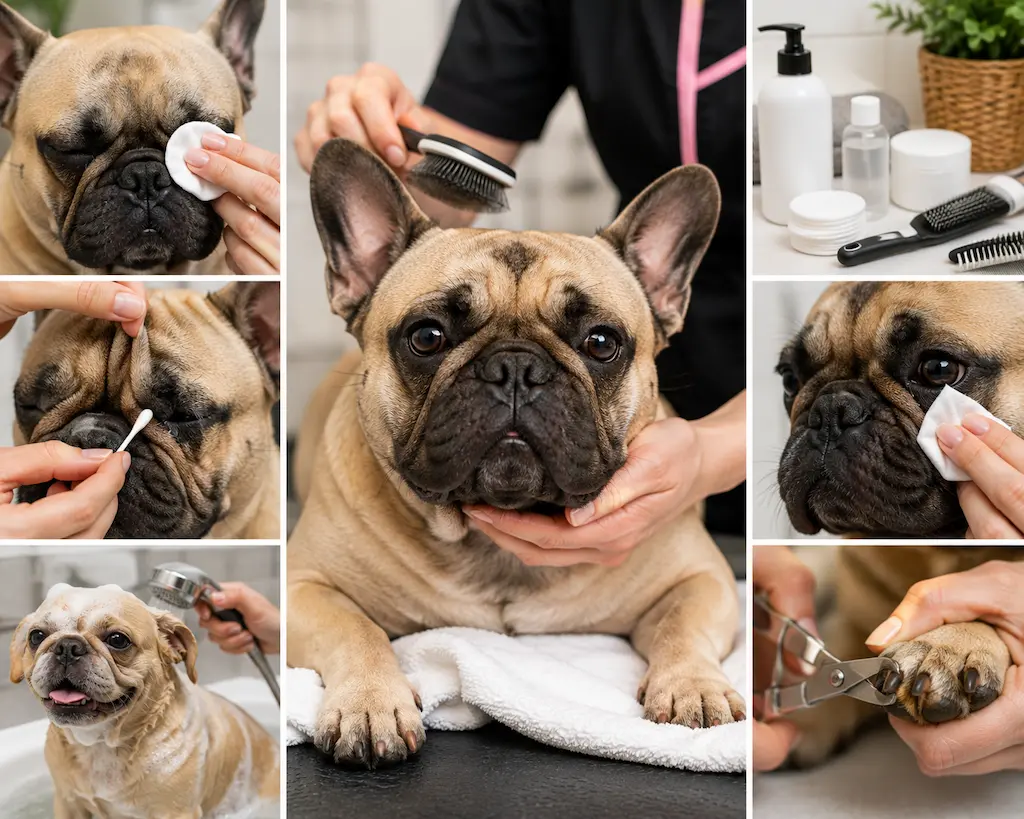
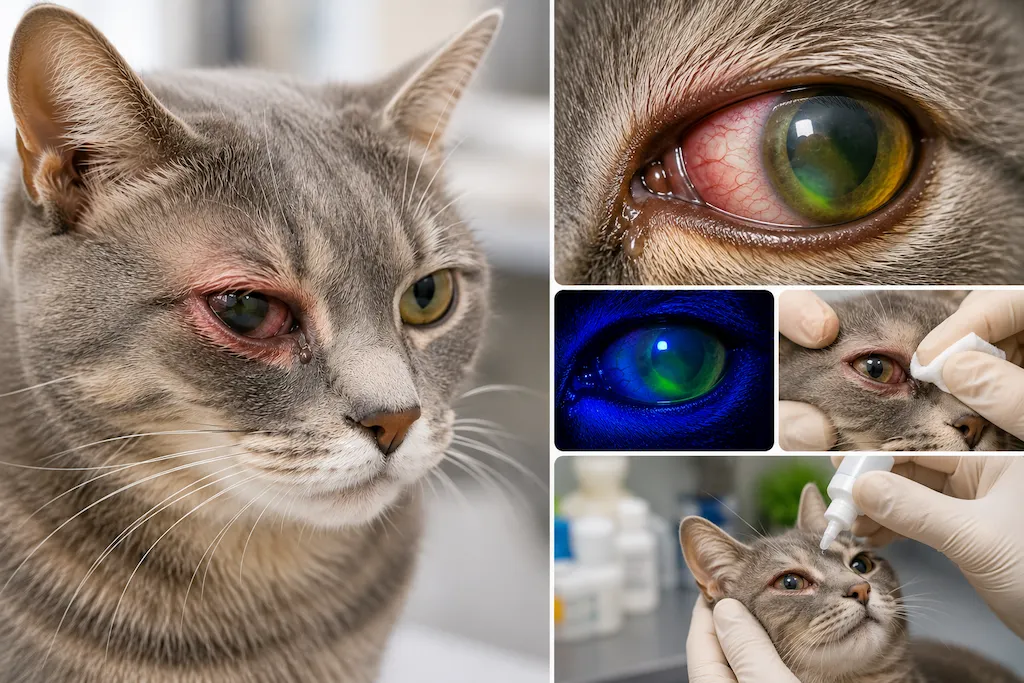
Ongoing discharge around the eyes can signal allergies, infection, or blocked tear ducts. Groomers gently clean the eye area and, where relevant, trim hair that may be causing irritation in the first place.
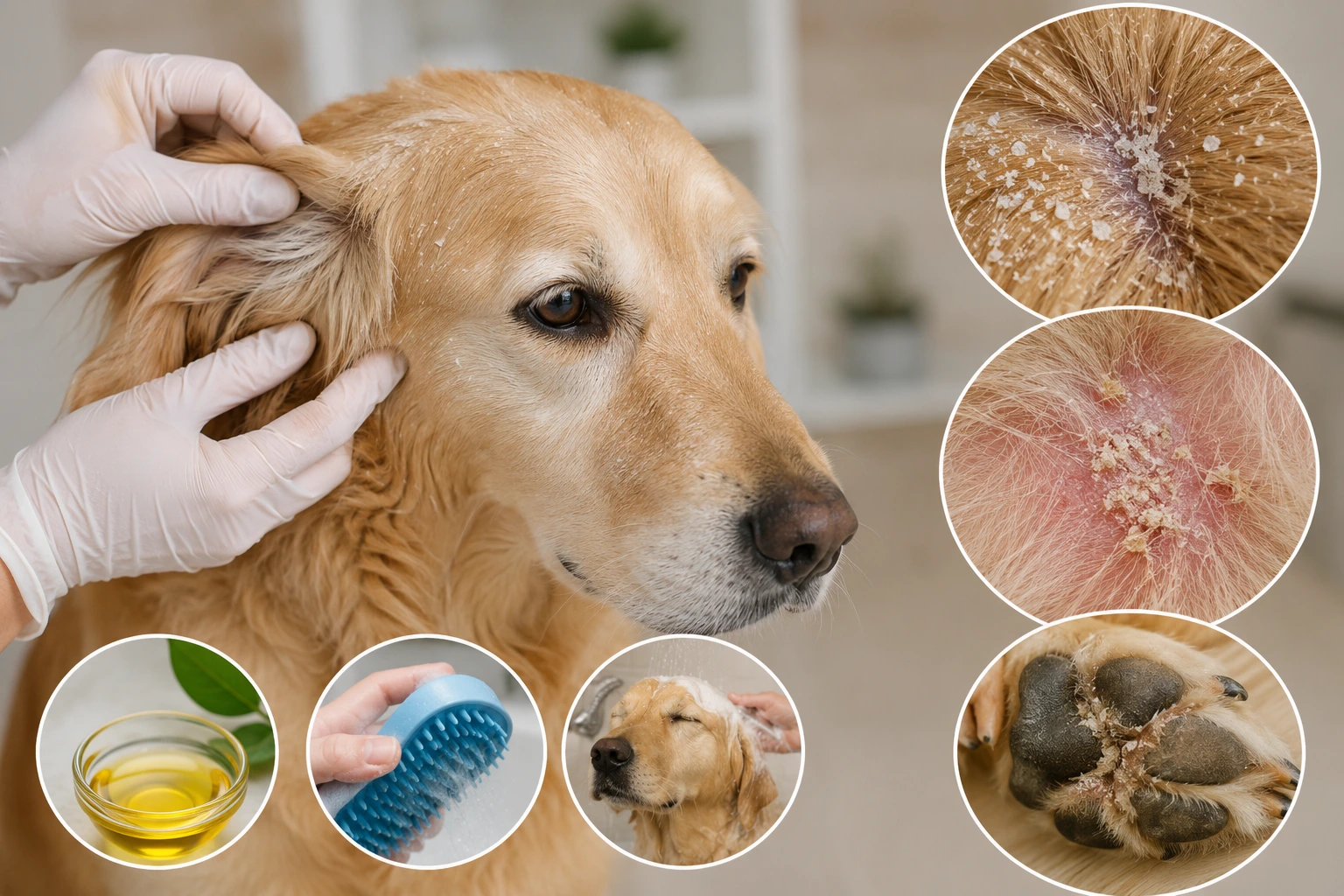
7. Dull, Greasy, or Flaky Coat
A healthy coat is soft and has a natural shine. Dullness, greasiness, or flaking can indicate a skin condition or simply a grooming routine that isn’t quite keeping up. Professional groomers assess coat health directly and apply the right shampoos or treatments to restore it.
8. Behavioral Changes
If a normally cheerful pet becomes irritable or withdrawn, discomfort from an overlooked grooming issue could be the cause. Removing mats, trimming overgrown nails, or addressing skin irritation often resolves the discomfort at the root of the mood shift.
9. Visible Parasites
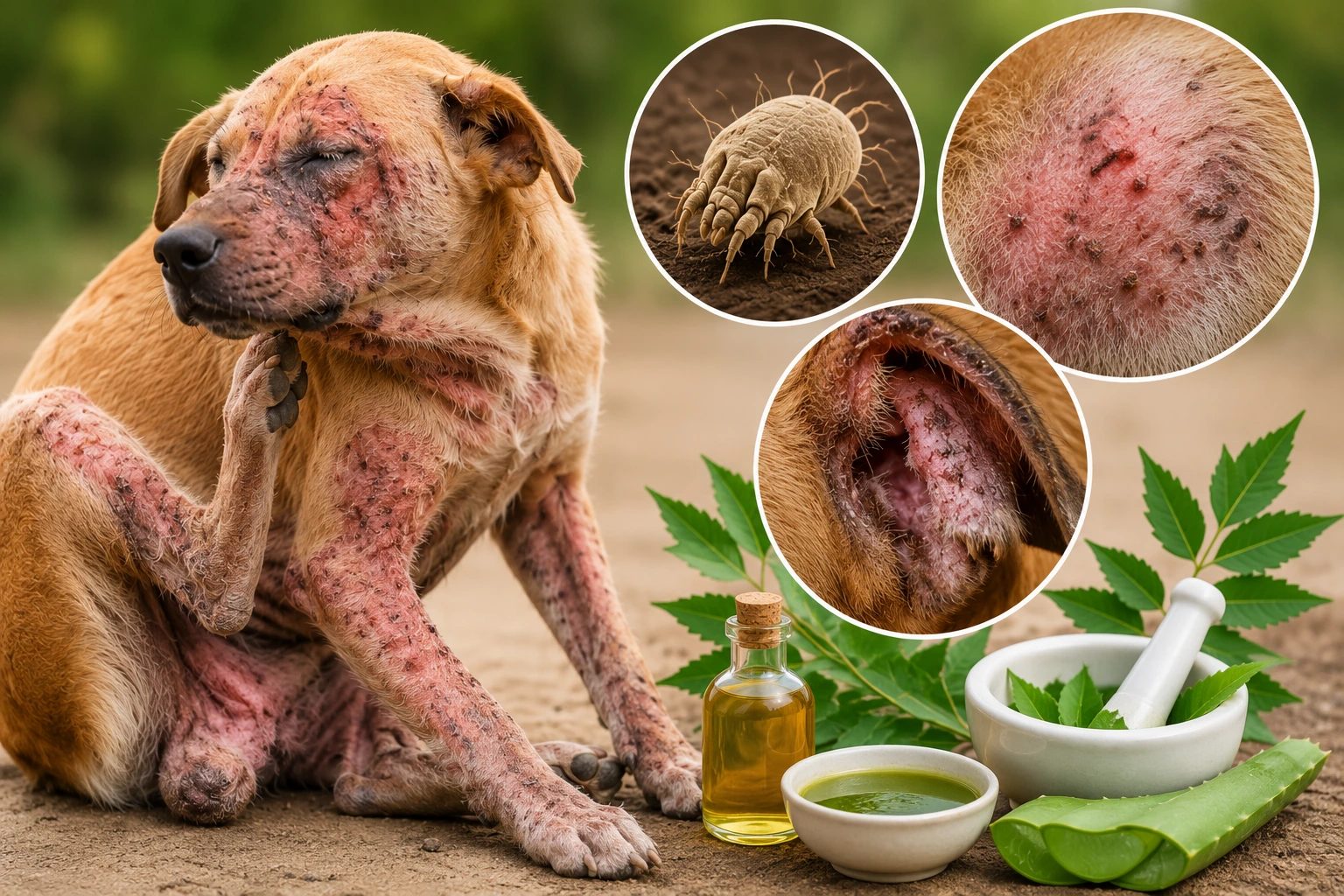
Fleas, ticks, and mites are more than a nuisance, they can carry disease and cause significant discomfort. Scratching, biting, or unexplained hair loss are common signs. A groomer can spot and address an infestation early, or refer you to a vet when it warrants medical treatment.
10. Skin Redness, Sores, or Bumps
Unexplained redness, sores, or bumps should never be brushed off. These can point to allergies, infections, or other issues that are far easier to treat early. Groomers perform hands-on skin checks during every session, often catching these signs before an owner would notice at home.
11. Trouble Walking or Standing
Matted fur or overgrown nails on the paws can genuinely make walking painful. If your pet is limping, hesitating, or reluctant to move, it’s worth checking whether grooming, not a bigger medical issue, is the cause.
12. Bad Breath
Persistent bad breath is frequently a sign of dental issues rather than just “doggy breath.” While not every groomer offers full dental work, many provide basic teeth cleaning that helps manage the problem. If you’re curious what that process actually involves and what it costs, our breakdown of the cost of professional dog teeth cleaning covers exactly that.
13. Itchy or Irritated Skin
Frequent scratching, licking, or biting often points to allergies, dryness, or parasites. A groomer can use hypoallergenic or medicated shampoos and help identify patterns worth flagging to a vet.
14. Coat Obscuring Vision
Certain breeds grow hair that falls over their eyes. If your pet keeps bumping into things or seems hesitant to move, their vision may be genuinely blocked. Professional trimming keeps sightlines clear without the risk of an uneven, DIY cut near the eyes.
15. Seasonal Grooming Needs
Coats change with the seasons, thicker in winter, heavier shedding in summer. Groomers adjust their approach and products to match these shifts, something that’s easy to overlook with a fixed home routine.
Why Professional Grooming Matters Beyond Appearance
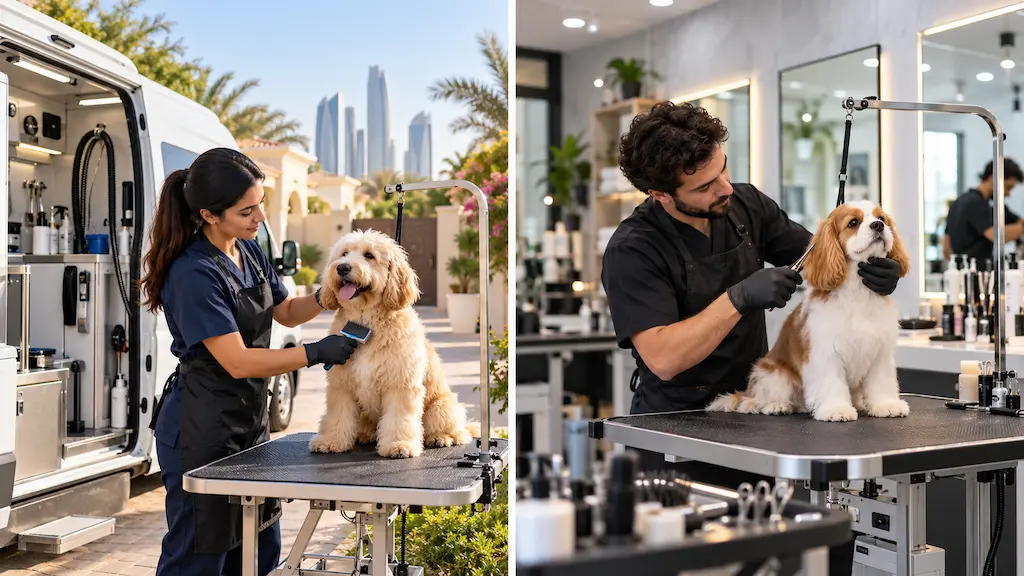
Grooming isn’t just cosmetic. It supports hygiene, helps catch early health issues, and plays a real role in a pet’s emotional wellbeing. Groomers are trained across coat types and use breed-specific tools and techniques to keep pets genuinely comfortable, not just presentable. For pet parents who find it hard to fit salon visits into a busy schedule, our overview of mobile pet grooming in Abu Dhabi makes life easier for busy people explains how bringing the session home can make consistency far easier to maintain.
How Grooming Shapes Socialization and Emotional Wellbeing
Grooming’s impact reaches well beyond hygiene:
- Builds tolerance to handling: Regular sessions teach pets to accept touch on sensitive areas, paws, ears, tails, which helps at the vet and in everyday interactions too.
- Reduces anxiety: A clean, mat-free coat and trimmed nails genuinely make pets more physically comfortable, which lowers stress and irritability.
- Encourages positive human interaction: Gentle, reinforcement-based grooming builds trust that extends beyond the groomer to other people and animals.
- Minimizes aggression triggers: Many defensive or reactive behaviors stem from pain, mats pulling at skin, nails digging into paw pads. Removing the discomfort often removes the reaction.
- Creates routine and predictability: Consistent grooming gives pets a sense of normalcy, which can meaningfully reduce anxiety-driven behavioral issues over time.
Frequently Asked Questions
How do I know if my pet’s shedding is normal or excessive?
Some shedding is expected, especially seasonally, but if you’re noticing bald patches, thinning fur, or shedding well beyond the usual amount, it’s worth a professional assessment rather than assuming it will resolve on its own.
Can matted fur really cause health problems, or is it just a cosmetic issue?
It’s more than cosmetic. Mats pull tightly on the skin, trap moisture and bacteria, and can hide underlying infections or parasites, which is why professional removal is safer than attempting it at home.
Is bad breath always a dental issue?
Not always, but it’s one of the most common causes. Persistent bad breath is worth addressing through a professional cleaning or a vet visit, rather than masking it with treats or chews alone.
How often should my pet see a professional groomer?
This depends on breed, coat type, and lifestyle, but many pets benefit from a session every four to six weeks, with more frequent visits for long-haired or heavy-shedding breeds.
Can grooming actually help with my pet’s anxiety or behavior?
Yes, removing physical discomfort like mats or overgrown nails often reduces irritability, and the routine itself helps build a sense of predictability that many pets respond well to.
Conclusion
Grooming is easy to underestimate until, like Farida, you see firsthand what’s been hiding under the surface. These 15 signs aren’t just about keeping your pet looking tidy, they’re practical indicators of comfort, health, and wellbeing that are often invisible during a quick glance or pat at home. A consistent grooming routine, paired with professional sessions when these signs appear, goes a long way toward keeping your pet genuinely happy and pain-free. For expert, breed-aware care across the UAE.