


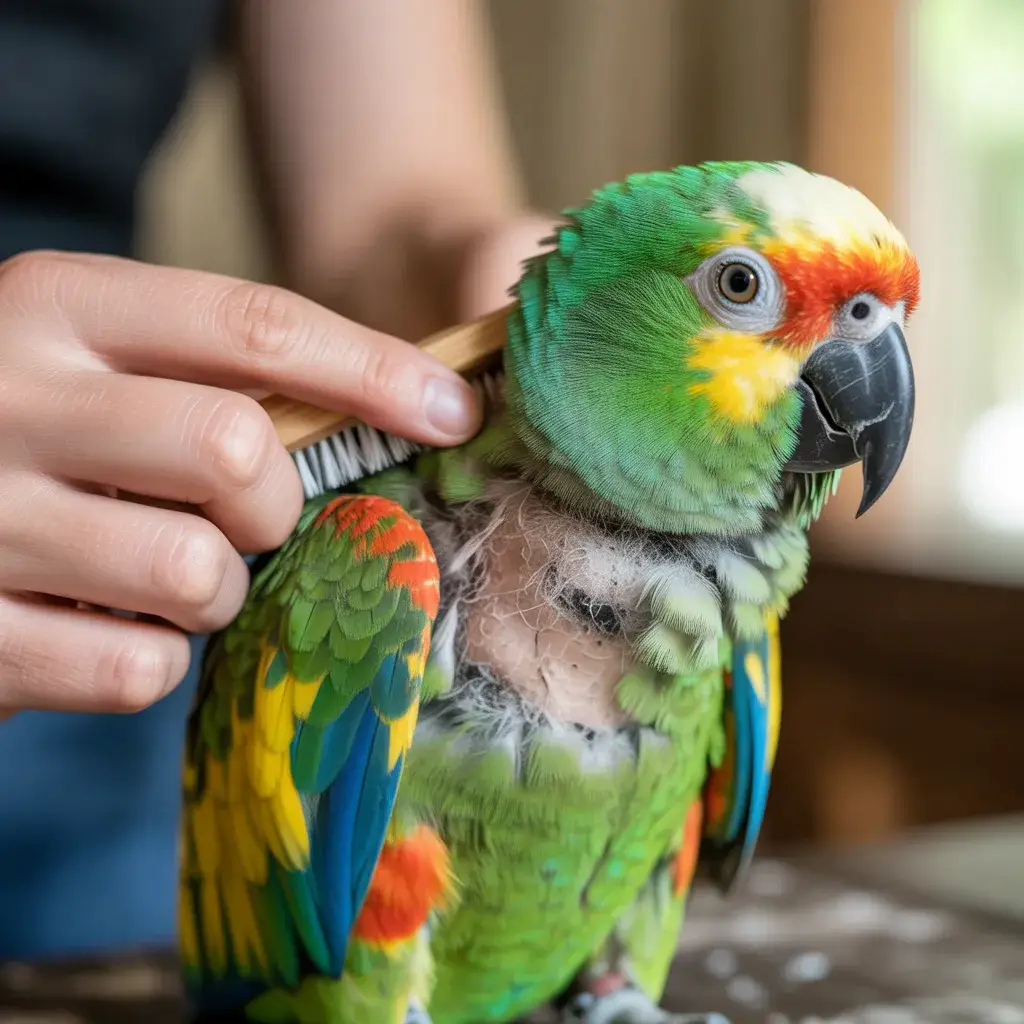
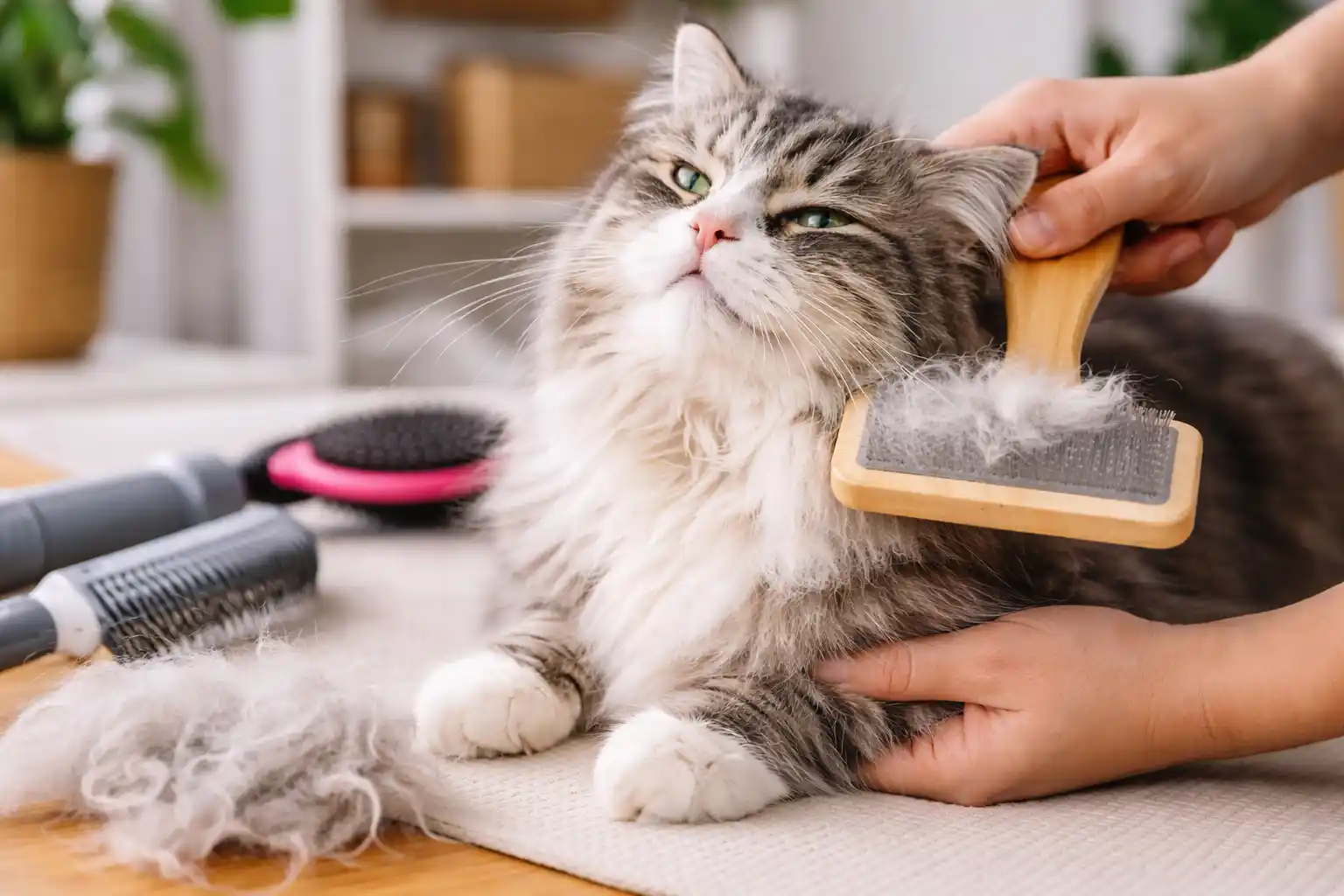


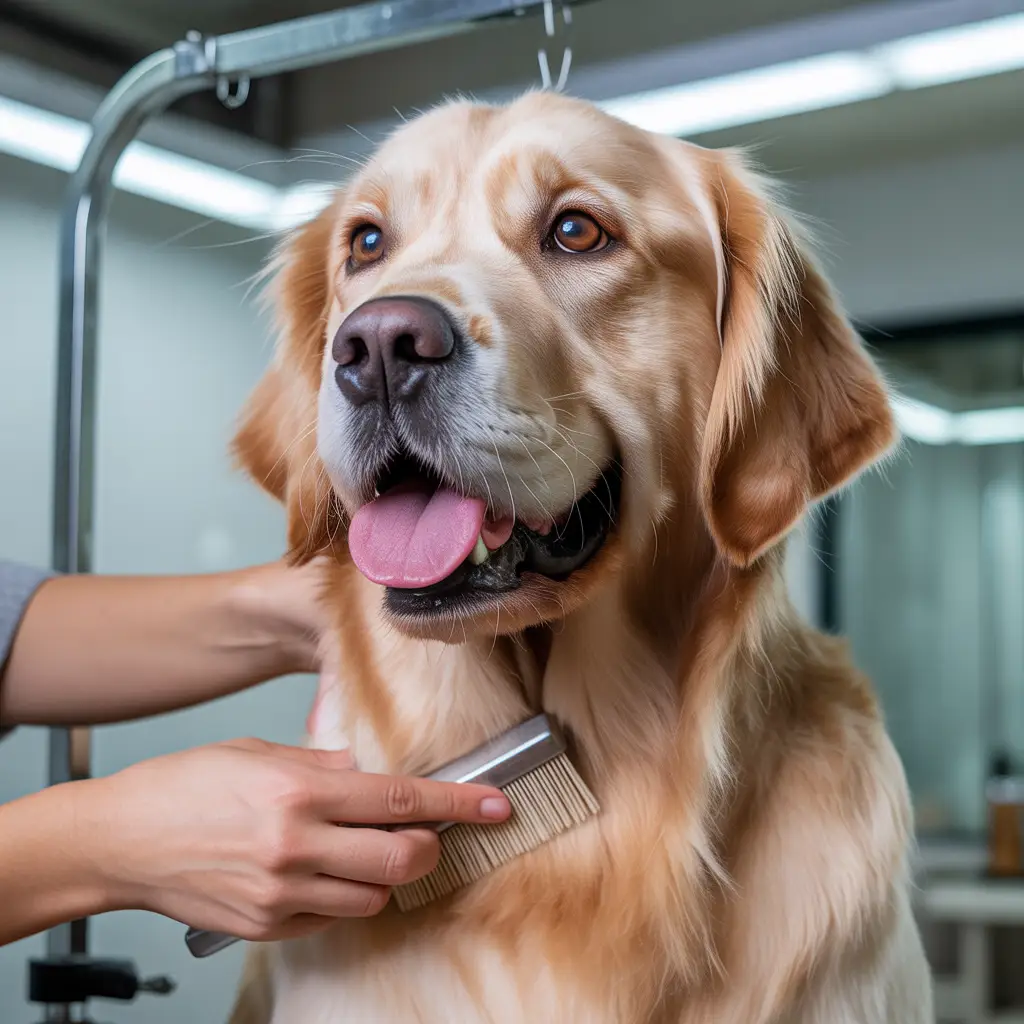
Hearing your dog wheeze can be alarming, but it’s a signal that deserves attention. Wheezing often occurs when airways are partially blocked or irritated, from allergies to minor infections or more serious conditions. From my experience, proactive steps like grooming, cleaning, and regular Pet Grooming in Abu Dhabi can reduce these problems. When I was in Abu Dhabi, professional grooming noticeably kept my dog healthier and more comfortable.
Understanding Dog Wheezing
Wheezing is a sharp, whistling sound your dog makes while breathing. It’s usually caused by some form of obstruction or inflammation in the airways. From my personal observations, common causes of wheezing in dogs include:
- Allergies: Dogs can be allergic to dust, pollen, or even certain foods.
- Respiratory Infections: Conditions like kennel cough can cause wheezing.
- Obesity: Extra weight can put pressure on the chest and lungs.
- Heart or Lung Disease: Chronic conditions like heart disease or bronchitis can manifest as wheezing.
- Foreign Objects: Sometimes, a small object stuck in the throat triggers wheezing.
If you notice persistent wheezing, it’s always best to consult your veterinarian. From my own experience, early detection can prevent minor issues from becoming severe.
Quick Grooming Tips to Reduce Wheezing
Keeping your dog clean and well-groomed can significantly reduce irritants that cause wheezing. Here’s what has worked for me:
1. Regular Brushing
Brushing your dog daily removes loose fur, dust, and dander. I found that short-haired breeds benefit from a soft-bristle brush, while long-haired breeds need a detangling comb. Regular brushing reduces allergens in the home, which in turn eases breathing for sensitive dogs.
2. Bathing Routine
A bath every 4 to 6 weeks helps eliminate dust and allergens from your dog’s coat. Use a mild dog shampoo to prevent skin irritation. In my experience, dogs with sensitive skin or respiratory issues benefit from hypoallergenic shampoos.
3. Clean Living Environment
Vacuuming floors, washing bedding, and using an air purifier can reduce airborne irritants. I make it a habit to clean my dog’s sleeping area weekly. This simple routine has noticeably decreased wheezing episodes in my pets.
4. Nail and Paw Care
Overgrown nails can alter a dog’s gait, indirectly affecting breathing patterns if the dog becomes stressed or uncomfortable. I trim my dog’s nails every 3 to 4 weeks and clean their paws after walks to remove pollen or dust.
Monitoring Your Dog’s Health
Beyond grooming, I pay close attention to my dog’s health to prevent wheezing:
- Weight Management: Maintaining a healthy weight reduces pressure on the lungs.
- Diet Adjustments: I avoid allergenic foods and choose high-quality dog food.
- Regular Vet Visits: Annual check-ups help detect respiratory or heart issues early.
- Watch for Symptoms: Persistent coughing, lethargy, or nasal discharge are warning signs.
Sometimes, wheezing can be linked to other conditions like Cherry Eye in Dogs, which requires veterinary attention. Monitoring for these symptoms is crucial for long-term health.
When to Seek Professional Help
If your dog’s wheezing is persistent, worsens, or is accompanied by coughing, vomiting, or difficulty breathing, it’s time to see a veterinarian. My experience has taught me that professional guidance, including trusted Dog Grooming in Abu Dhabi for my dog Jacky, ensures he receives the right diagnosis and treatment promptly.
Conclusion
Wheezing in dogs can be alarming, but with proper grooming, a clean environment, and attentive health monitoring, it’s often manageable. From my experience, simple routines like regular brushing, bathing, and weight management go a long way in keeping your dog comfortable, healthy, and preventing issues like a Pet Feeling Cold during cooler weather. Remember, attentive care today prevents more serious respiratory issues tomorrow.