





A client of ours, Fatima, fell in love with a British Shorthair kitten at a cattery open day and adopted him within the week. She’d read online that shorthaired cats were “easier” for allergy sufferers, and since her reactions to cats had always been mild, she assumed she’d be fine. Two weeks in, she was sneezing through the night and second-guessing her decision. When she called us to ask if grooming could be causing it, or fixing it, we had to give her the honest answer: no cat, including the British Shorthair, is truly hypoallergenic. But that didn’t mean she had to give him up.
Cats are one of the most popular pets worldwide, but for allergy sufferers, deciding on a breed requires extra research. A common question many people ask is: are British Shorthair cats hypoallergenic? Known for their plush coats, round faces, and calm personalities, these cats are beloved across the globe. Yet, when it comes to allergies, there’s plenty of confusion. This guide explores the science behind cat allergies, the truth about the British Shorthair breed, and practical strategies to live comfortably with them, including what we’ve learned firsthand from grooming allergy-prone households.
What Causes Cat Allergies?
Contrary to popular belief, allergies aren’t caused directly by cat fur. Instead, they stem from a protein called Fel d 1, which is present in:
- Cat saliva
- Skin glands
- Dander (tiny flakes of dead skin)
When a cat grooms itself, Fel d 1 transfers to its fur. Once dried, these allergens become airborne and easily spread around the home. Allergy organizations estimate that 10-20% of the global population suffers from pet-related allergies, with cats being the most common trigger.
Are British Shorthair Cats Hypoallergenic?
The simple answer is no. All cats, including the British Shorthair, produce Fel d 1, making them unsuitable for people who are highly sensitive. Unlike some breeds such as the Balinese or Siberian, which may release slightly lower allergen levels, British Shorthairs do not have a reduced output of allergens.
However, some individuals report milder reactions to this breed. That’s likely because of its short, dense coat that sheds less visibly compared to longhaired breeds. But scientifically speaking, if you are wondering are British Shorthair cats hypoallergenic, the answer is still no.
Why People Still Choose British Shorthairs
Despite the allergy concerns, British Shorthairs remain highly popular because of their:
- Low-maintenance personalities
- Calm and affectionate nature
- Long life expectancy (12-20 years)
- Adaptability to apartment living
Families who want a sturdy, affectionate, and relatively quiet cat often find this breed to be the perfect fit.
Factors That Affect Allergen Levels
While no breed is hypoallergenic, the severity of allergic reactions depends on several factors:
- Individual sensitivity some people experience mild symptoms, others severe
- Grooming habits cats that groom themselves more spread more allergens
- Household environment carpets and fabric furniture trap allergens easily
- Cleaning routine frequent cleaning helps reduce allergen buildup
Allergy Symptoms to Watch For
If you’re allergic and spend time around cats, symptoms may include:
- Sneezing and nasal congestion
- Itchy or watery eyes
- Skin rashes
- Wheezing or difficulty breathing
Cat allergens are known to linger in a home for a considerable time, sometimes for months, even after a cat has been removed. This is part of why ongoing management matters so much for allergy-sensitive owners.
Managing Allergies with a British Shorthair
For those who love this breed, living with allergies doesn’t always mean giving up. Instead, you can take practical steps to minimize exposure:
- Use HEPA-filtered air purifiers
- Wash fabrics such as bedding weekly
- Vacuum floors and furniture frequently
- Restrict cat access to bedrooms
- Wash hands after handling your cat
With consistent effort, many people manage to live comfortably with British Shorthairs despite allergies.
Grooming Solutions to Reduce Allergens
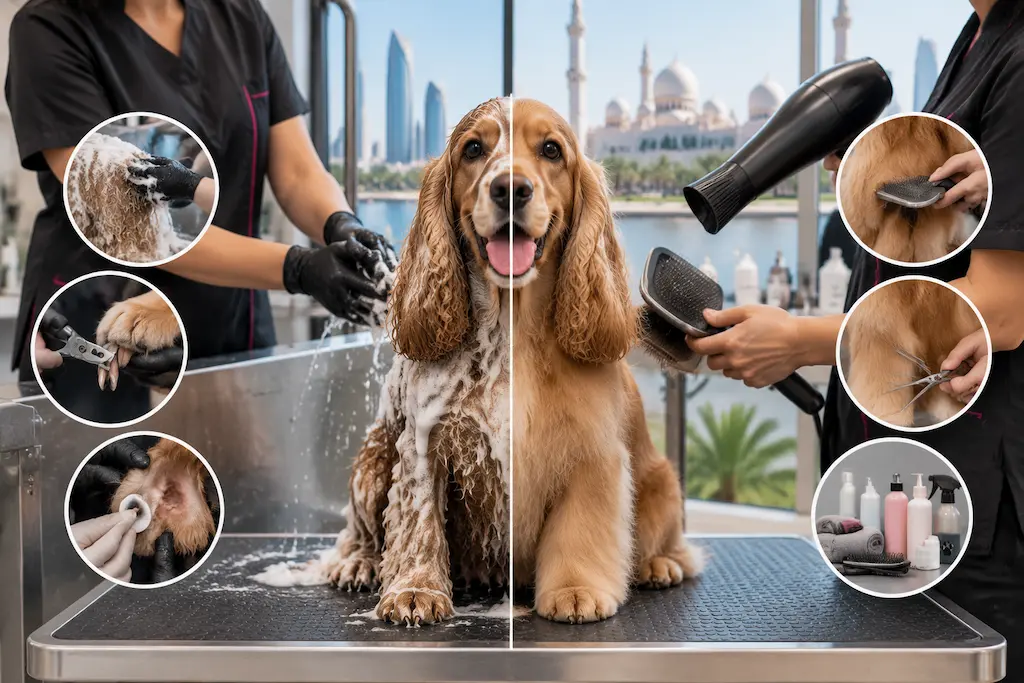
Regular grooming can play a significant role in controlling allergens. Professional services such as pet grooming in Abu Dhabi help cat owners keep coats clean, minimize shedding, and remove loose dander that carries allergens. Groomers use specialized shampoos and tools designed for sensitive households, ensuring a healthier environment for both pets and families.
Specialized Care for Cats
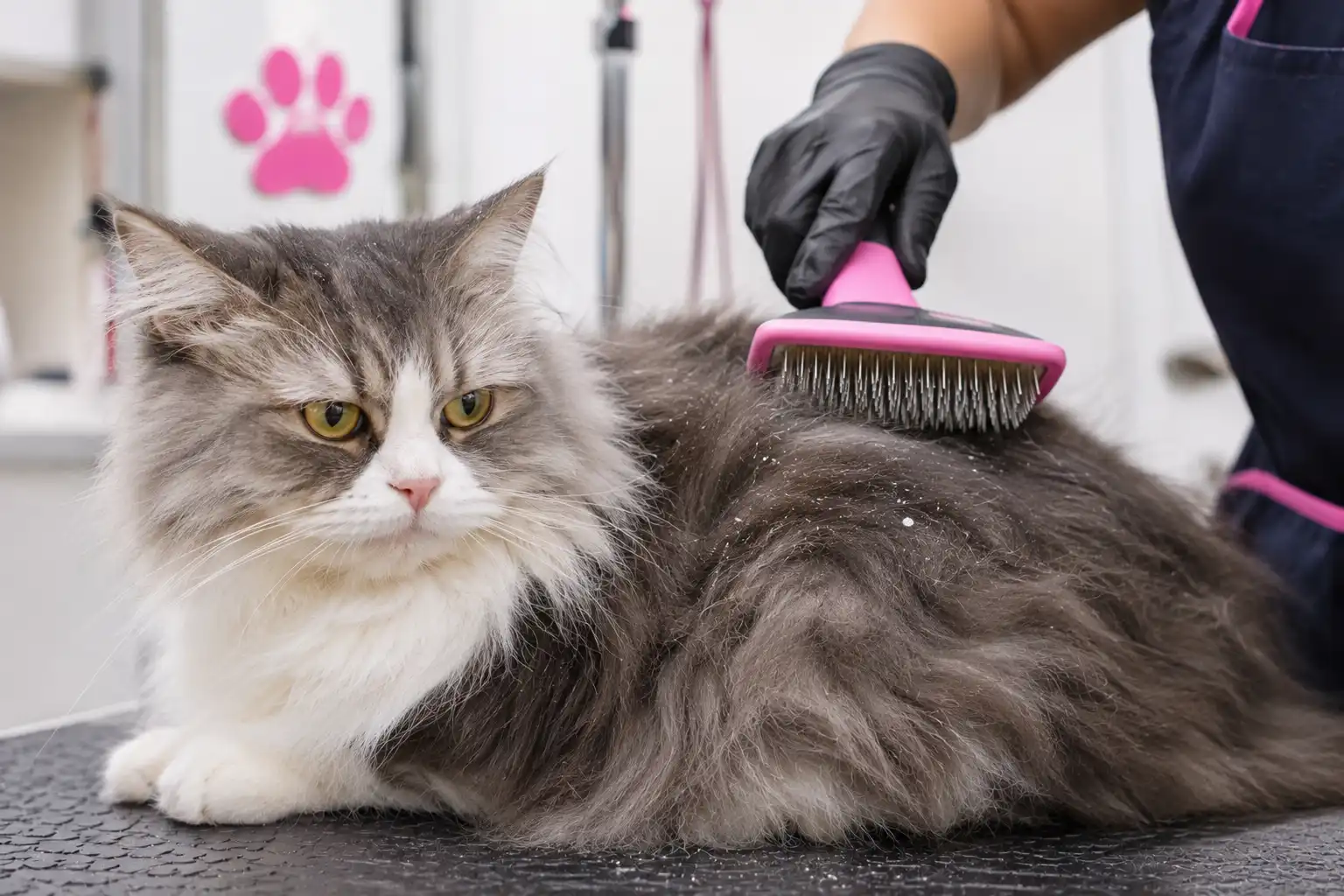
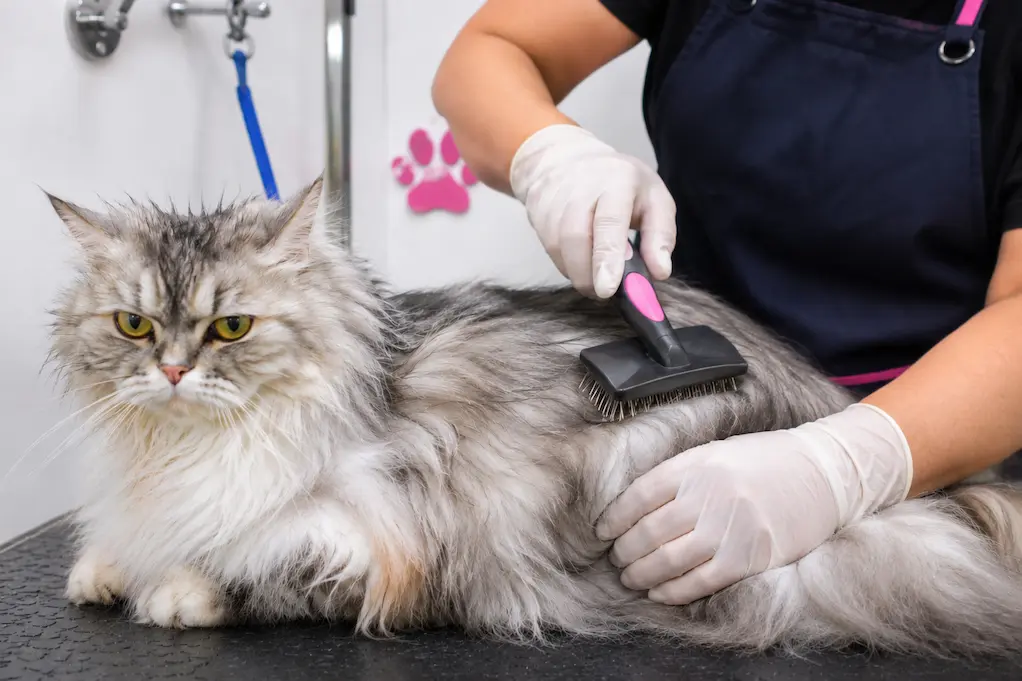
British Shorthairs have thick, plush coats that benefit from consistent grooming. Their fur doesn’t mat easily, but regular brushing helps reduce shedding and allergen buildup. Many cat owners also rely on services like cat grooming in Abu Dhabi to maintain coat health. Trained groomers can safely brush, clean, and check for skin issues, ensuring the cat remains comfortable and the home stays cleaner.
Dealing with Matting in Cats
While British Shorthairs shed less compared to longhaired breeds, matting can still occur if grooming is neglected. Dealing with matting early is important because knots can trap dirt, cause discomfort, and even lead to skin infections. Routine brushing and professional grooming prevent mats and reduce allergens clinging to tangled fur. For allergy sufferers, this also means fewer particles spreading around the house.
Facts and Statistics
To better understand the link between cats and allergies, consider these key points:
- Cat allergies affect an estimated 10-20% of the global population, roughly twice as common as dog allergies.
- Cat allergens are smaller and lighter than dog allergens, meaning they stay airborne longer and are harder to remove.
- No cat breed has been scientifically proven to be allergen-free, though some individuals report milder reactions to certain breeds.
Myths About Hypoallergenic Cats
There are many misconceptions about “allergy-friendly” breeds:
Myth 1: Short-haired cats cause fewer allergies. Truth: All cats produce allergens regardless of coat length.
Myth 2: Bathing cats eliminates allergens. Truth: Baths reduce allergens only temporarily.
Myth 3: Certain breeds are completely safe. Truth: No breed is 100% hypoallergenic.
Being aware of these myths helps cat lovers make informed decisions.
Tips for Prospective Cat Owners with Allergies
If you’re considering adopting a British Shorthair but worry about allergies, here are some practical tips:
- Spend time with the breed before adopting to test sensitivity.
- Prepare your home with air filters and washable covers.
- Establish grooming schedules at home and with professionals.
- Consult an allergist for personalized advice or medical treatment.
Conclusion
So, are British Shorthair cats hypoallergenic? The evidence shows they are not. These cats still produce the Fel d 1 protein that triggers allergic reactions, making them unsuitable for highly sensitive individuals. However, with consistent cleaning, air purification, and regular grooming, many people manage to live comfortably with them.
Professional services like pet grooming in Abu Dhabi and cat grooming in Abu Dhabi, along with proactive strategies such as managing matting early, can reduce allergen exposure and keep your home healthier.
For cat lovers who dream of owning a British Shorthair, the key is balance, combining affection for the breed with responsible allergy management. With the right approach, these charming cats can still be a wonderful part of your family.
Frequently Asked Questions
Are British Shorthair cats good for people with mild allergies?
Some people with mild sensitivity report fewer symptoms around British Shorthairs due to their short, dense coat, but they still produce Fel d 1 and aren’t truly hypoallergenic.
Which cat breeds produce the least allergens?
Breeds like the Balinese and Siberian are reported to release somewhat lower levels of Fel d 1, though no breed is allergen-free.
Does shaving or trimming a cat’s coat reduce allergens?
Not significantly. Allergens come from saliva, skin glands, and dander, not just fur length, so shorter fur doesn’t mean fewer allergens.
How often should an allergy-prone household groom their cat?
Weekly professional grooming, combined with regular brushing at home, is a reasonable starting point, though your groomer can tailor a schedule based on your cat’s coat and your sensitivity level.