




Shorthair cats are often thought of as easy-care pets because of their smooth, low-maintenance coats. While it’s true that they require less attention than long-haired breeds, regular grooming is still essential to keep them healthy and comfortable. Grooming isn’t just about appearance — it supports skin health, reduces shedding, and allows you to monitor your cat’s wellbeing more closely.
Why Grooming Matters for Shorthair Cats
Shorthair cats spend a significant amount of time self-grooming, but this doesn’t replace the care an owner can provide. Human assistance plays an important role in keeping the coat in top condition.
- Coat Health: Brushing distributes natural oils evenly, creating a healthy shine.
- Comfort: Removing loose hair prevents discomfort and reduces the chance of hairballs.
- Early Detection: Grooming sessions help you notice bumps, parasites, or skin issues early.
Benefits of Grooming Shorthair Cats
Managing Shedding
Even though their fur is shorter, shorthair breeds still shed consistently throughout the year. Weekly brushing sessions can minimize loose hair around your home and reduce allergy triggers for sensitive family members.
Preventing Hairballs
Cats ingest hair while cleaning themselves. Over time, this can lead to hairballs, which cause discomfort or even blockages. Regular brushing removes excess fur before it is swallowed.
Bonding with Your Cat
Short grooming sessions help build trust and strengthen your bond. When cats associate grooming with comfort and affection, they become more relaxed and cooperative over time.
Grooming Techniques for Shorthair Cats
Brushing the Coat
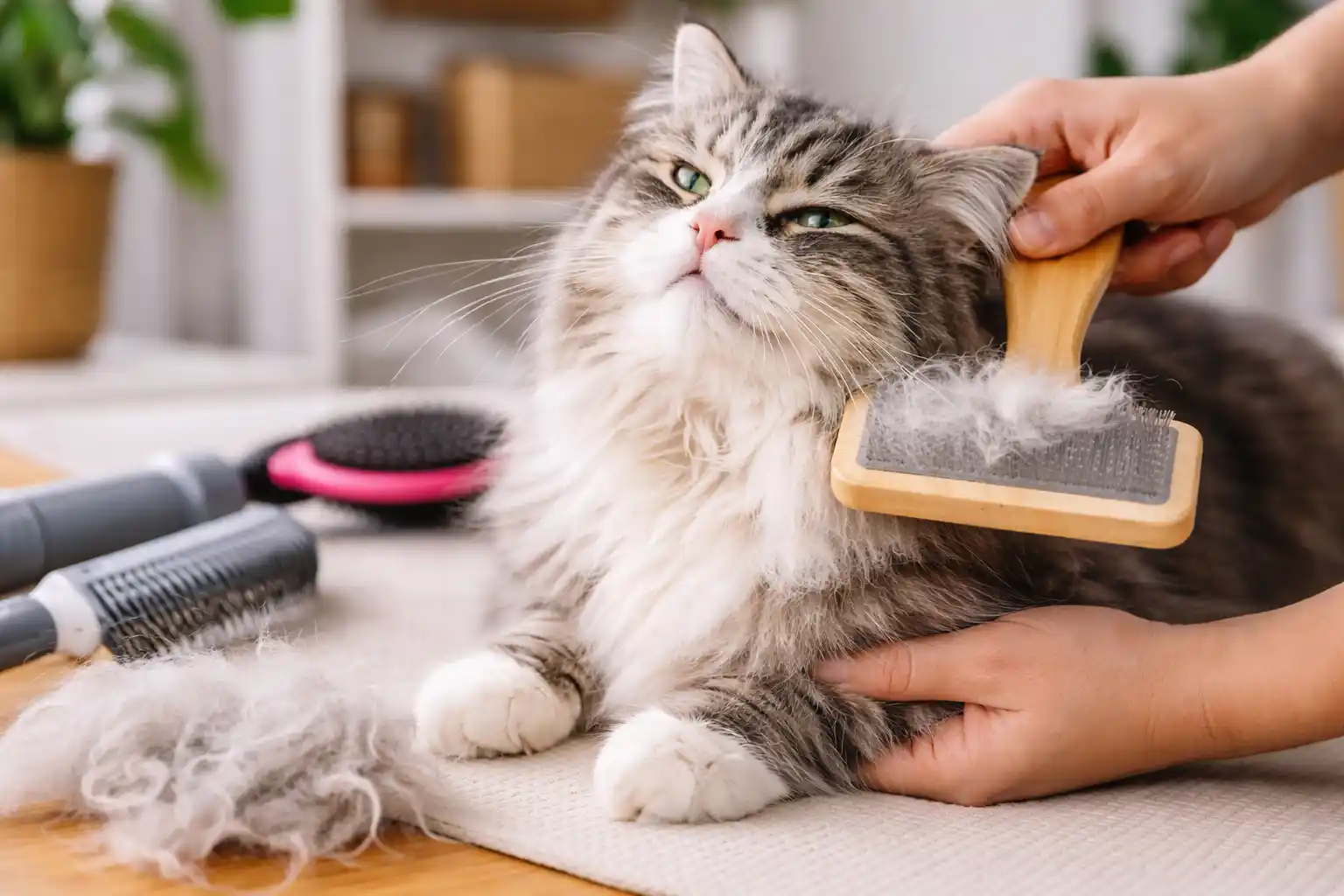
A rubber brush or grooming glove is perfect for catching loose hairs. Brush in the direction of growth for a soothing effect. Aim for 5–10 minutes once or twice per week.
Bathing Practices
Shorthair cats rarely need baths unless they get into sticky or oily messes. Use mild, cat-safe shampoo and keep baths infrequent to avoid drying out the skin.
Nail Trimming
Trimming nails every 2–4 weeks prevents scratches to people and furniture. Introduce the clippers slowly, rewarding your cat with treats to build positive associations.
Eye and Ear Cleaning
Check ears for wax and wipe eyes gently to prevent buildup. These small steps maintain hygiene and reduce the risk of infections.
Grooming Frequency for Different Cats
Indoor Cats
Living indoors often means less seasonal shedding. Weekly brushing should suffice to maintain coat quality.
Outdoor Cats
Cats with outdoor access face more dirt, dust, and pests. Brush two to three times weekly to keep the coat clean and manageable.
How Grooming Supports Health
Beyond coat appearance, grooming is part of preventive healthcare. By brushing, trimming nails, and checking ears, you reduce the risk of skin issues, matting, and infections. Regular care is also an opportunity to notice if your cat’s appetite, weight, or energy levels are changing — all vital health indicators.
Professional Grooming Options
Some cat owners prefer to rely on professionals, especially if their pets dislike brushing at home. Professional services ensure thorough care and save busy pet parents valuable time.
- Pet Grooming Abu Dhabi facilities offer specialized services tailored to feline needs, from brushing to nail trimming.
- Salons known for Dog Grooming Abu Dhabi often extend their expertise to cats, allowing multi-pet households to book in one place.
- For added convenience, Mobile Grooming Abu Dhabi brings professional care directly to your doorstep, reducing travel stress for pets.
Misconceptions About Shorthair Grooming
- “They don’t need brushing.” Even short coats shed and can cause hairballs without assistance.
- “Brushing is just for looks.” Grooming supports coat health, skin circulation, and early detection of health problems.
- “Cats dislike grooming.” Many cats enjoy the sensation of brushing once introduced gradually and positively.
Keeping Shedding Under Control
Regular brushing combined with a nutrient-rich diet helps maintain a shiny coat and minimize fur around your home. Supplements containing omega-3 fatty acids are particularly beneficial. A balanced approach prevents discomfort and makes grooming enjoyable for both pet and owner. For many households, managing cat fur shedding effectively is the biggest reason to stick to a consistent grooming routine.
Conclusion
Shorthair cats may not demand intensive grooming like their long-haired counterparts, but that doesn’t mean they should be neglected. Grooming supports coat health, reduces shedding, prevents hairballs, and deepens your connection with your cat. Whether you brush at home or schedule appointments with Pet Grooming Abu Dhabi experts or rely on Mobile Grooming Abu Dhabi services, the result is the same — a healthier, happier pet. By dedicating a little time to grooming, you can ensure your shorthair cat thrives with comfort and confidence throughout its life.