











I still remember the cat that came in for a routine tidy-up last summer a friendly indoor-outdoor tabby whose owner swore he “never really went far.” While I was working through the fur along his neck, my fingers found it: a tick, already swollen, tucked right where a busy owner would never think to look. She had no idea it was there.
That’s the thing about cats. They love to explore a garden, a balcony, even a shaded corner by the back door and it doesn’t take a grand adventure to pick up a tick. These tiny blood-suckers cause far bigger problems than their size suggests: not just itching and discomfort, but diseases and long-term health issues if they’re left to feed.
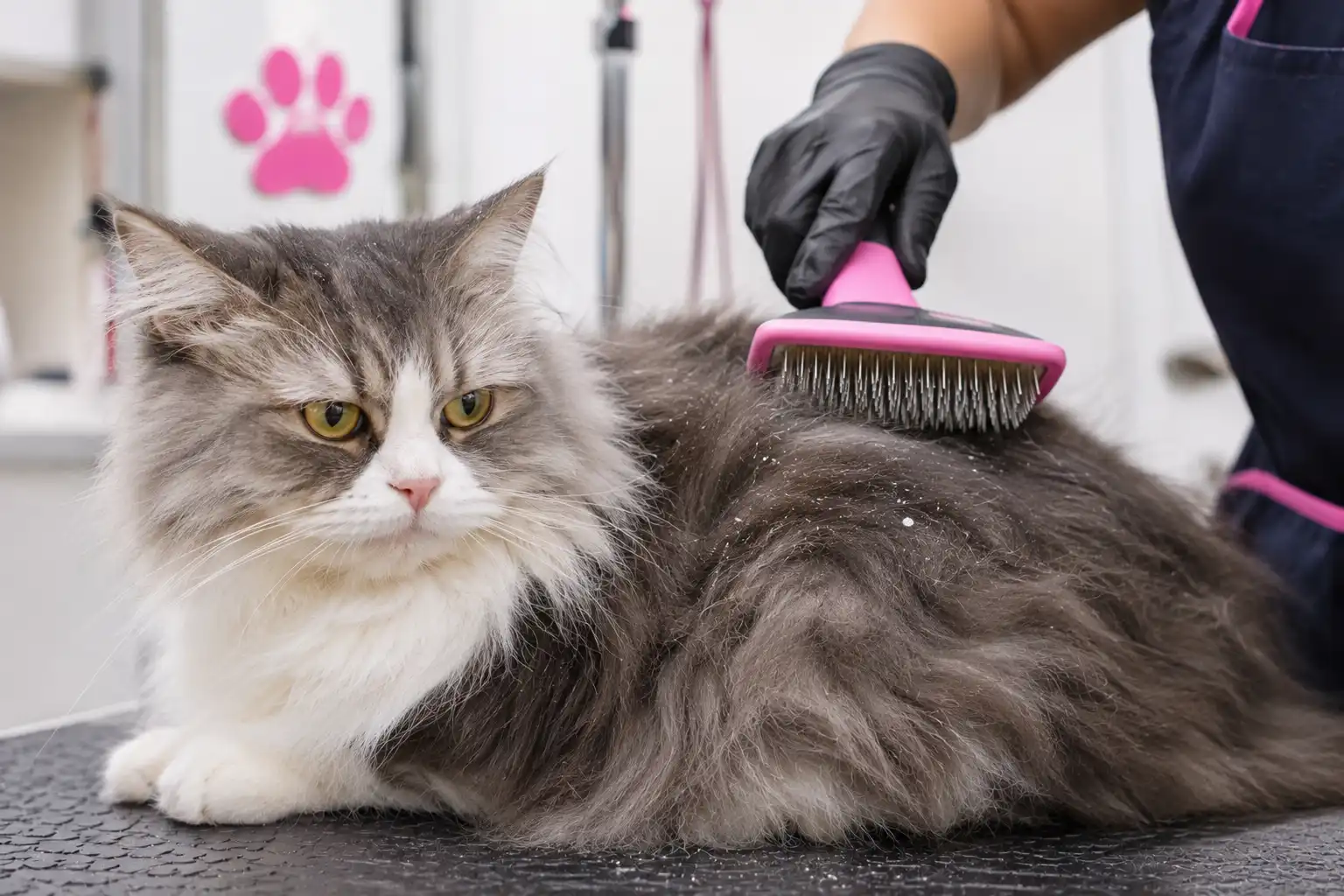
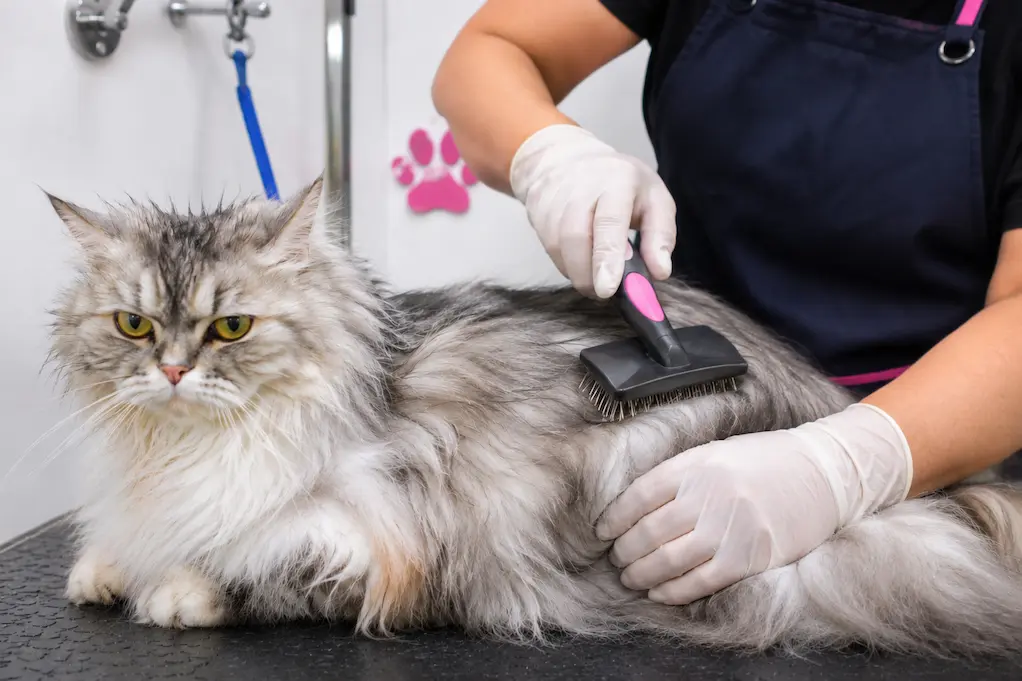
This is where a good grooming session quietly earns its keep. When we handle cat grooming in Abu Dhabi, we’re not just keeping the coat in top condition our hands are moving through every part of it, which means we spot and safely remove ticks early, often before you’d ever notice them yourself.
What Are Ticks and How Do They Affect Cats?
Ticks are small arachnids that latch onto animals and feed on their blood. Once attached, they can remain for days, swelling in size as they feed. For cats, ticks can lead to:
- Skin irritation and itching around the bite area.
- Anemia, especially in kittens or older cats with weaker immune systems.
- Tick-borne diseases like haemobartonellosis and babesiosis.
- Tick paralysis, a rare but dangerous condition caused by toxins in a tick’s saliva.
This is why understanding the risks and preventing infestations is essential for your cat’s health.
Signs Your Cat May Have Ticks
Spotting ticks isn’t always easy since they hide under fur. However, there are warning signals you shouldn’t ignore. Some of the most common Signs Your Cat Needs a Grooming Session include excessive scratching, small lumps under the skin, or sudden changes in behavior such as fatigue. Grooming sessions allow for close inspection, making it easier to detect ticks early.
How to Remove Ticks from Cats Safely
If you find a tick on your cat, follow these steps:
- Use a tick-removal tool or fine-tipped tweezers.
- Grab the tick close to the skin and pull it out gently but firmly.
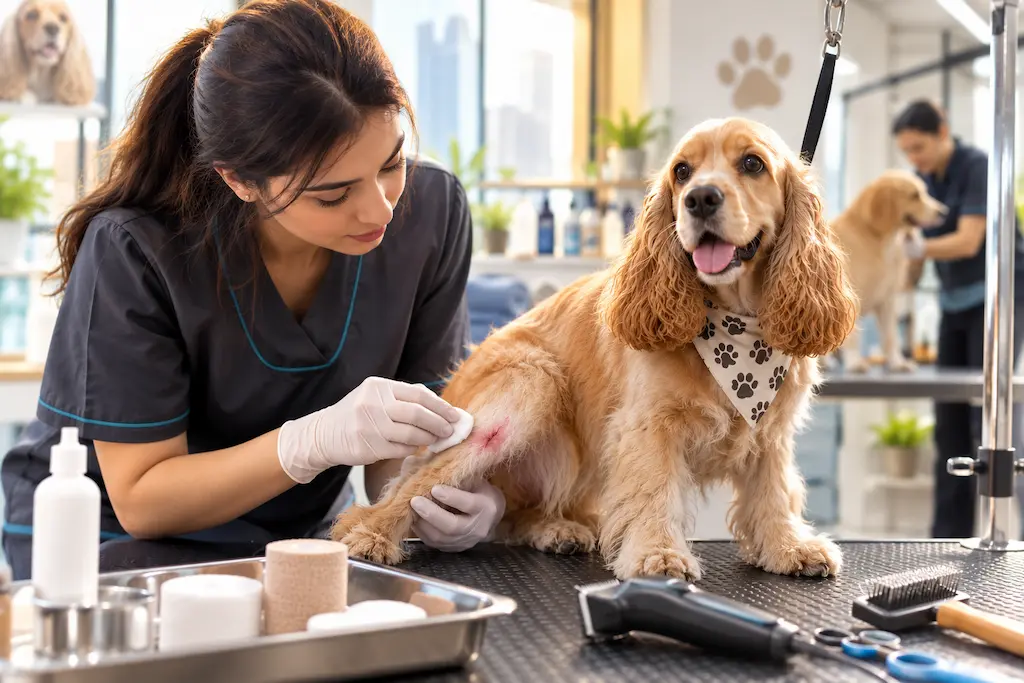
- Clean the bite area with antiseptic.
- Dispose of the tick in alcohol—never crush it with your fingers.
If you’re unsure or nervous about removal, professional Pet Grooming services Abu Dhabi services often include safe tick checks and removal during routine grooming sessions.
Ticks in Dogs: Are They a Risk Too?
Ticks are not just a cat problem they affect dogs as well. In fact, dogs are often more exposed since they tend to spend more time outdoors in parks, beaches, and gardens. Ticks can hide deep within a dog’s fur, causing the same health risks such as anemia, infections, and skin irritation.
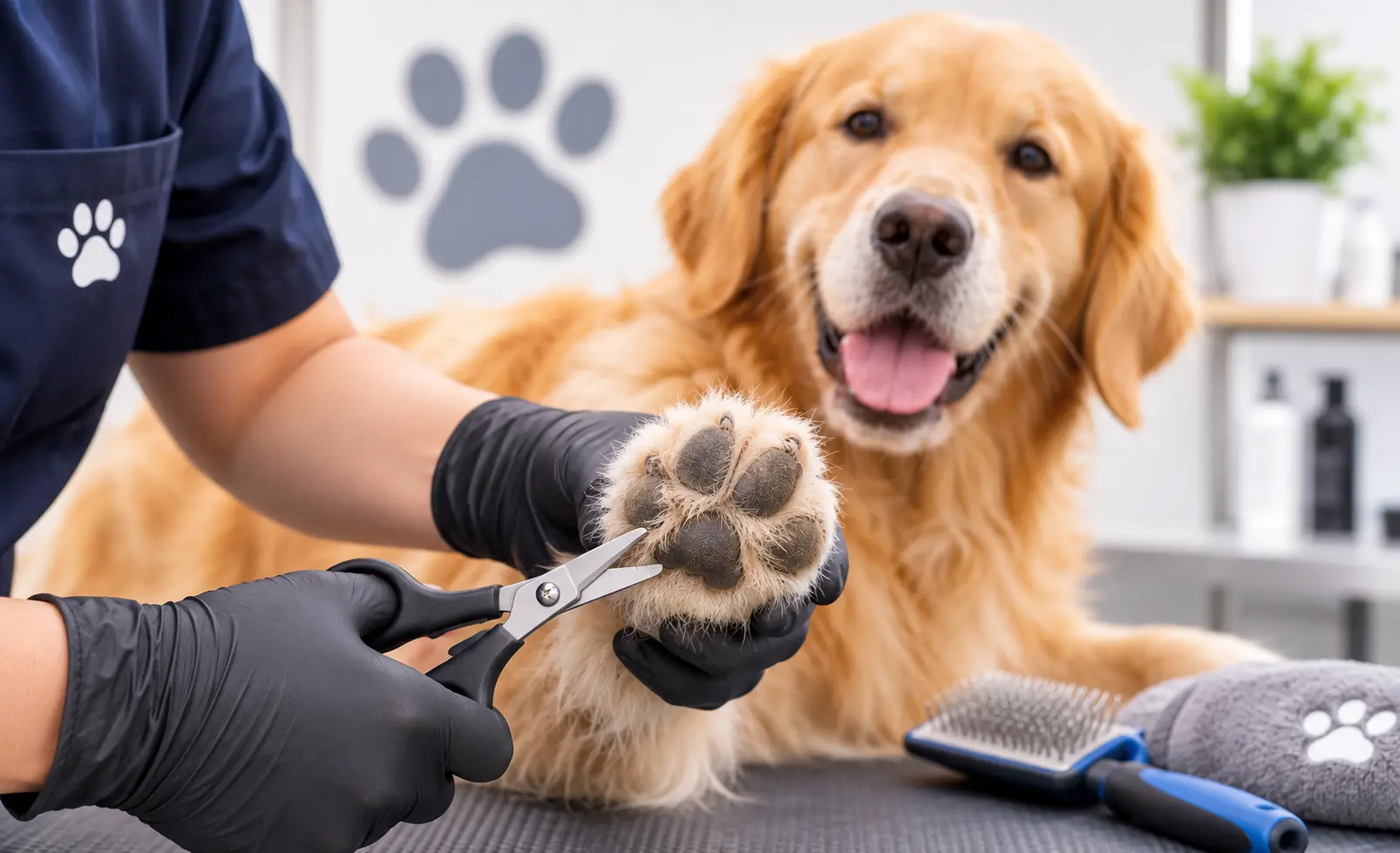
This is where professional dog grooming in Abu Dhabi plays a crucial role. Groomers carefully inspect your pet’s coat, identify hidden ticks, and provide preventive care treatments that reduce the chances of infestations. Regular grooming sessions not only keep dogs clean but also act as an early defense against parasites.
Preventing Ticks in Cats and Dogs
Prevention is always better than treatment when it comes to ticks. Here are effective ways to protect your pets:
- Regular Grooming: Routine brushing helps in early detection.
- Vet-Approved Preventive Products: Spot-on treatments and collars designed to repel ticks.
- Indoor Protection: Minimize outdoor exposure in high-risk seasons.
- Routine Checkups: Regular veterinary visits ensure your pets stay parasite-free.
Conclusion
Ticks may be tiny, but the health risks they pose to cats and dogs are significant. From skin irritation to serious diseases, these parasites can cause long-term harm if not managed properly. Regular grooming, early detection, and preventive care are the best defenses for your pets. Whether through Cat Grooming Abu Dhabi, Pet Grooming Abu Dhabi, or dog grooming in Abu Dhabi, professional grooming services ensure your furry companions stay healthy, comfortable, and free from parasites.
Keeping ticks under control not only protects your pets but also ensures a safer and happier home environment for the entire family.
Frequently Asked Questions
Can indoor cats get ticks?
Yes. It surprises a lot of owners, but a tick doesn’t need a big adventure to hitch a ride a shaded balcony, a garden visit, or even one carried in on a dog is enough. I’ve pulled ticks off plenty of cats whose owners were certain they “never go far.”
How do I know if my cat has a tick?
Look for excessive scratching, small firm lumps under the fur, or sudden tiredness. The tricky part is that ticks hide, so you often can’t see them without going through the coat carefully which is exactly what happens during a grooming session.
Can I remove a tick from my cat or dog myself?
You can, if you’re confident. Use a tick-removal tool or fine-tipped tweezers, grip close to the skin, and pull gently but firmly straight out. Clean the bite with antiseptic afterward. If you’re nervous about it, our cat grooming in Abu Dhabi and dog grooming in Abu Dhabi sessions include safe tick checks and removal.
Should I crush the tick after I remove it?
No never crush it with your fingers. Drop it in a small container of alcohol to kill it. Crushing can expose you to whatever the tick was carrying.
Are ticks actually dangerous, or just annoying?
They’re more than a nuisance. Beyond itching and skin irritation, ticks can cause anemia (especially in kittens, puppies, and older pets) and spread diseases like babesiosis. Rarely, they cause tick paralysis. That’s why early removal matters so much.