


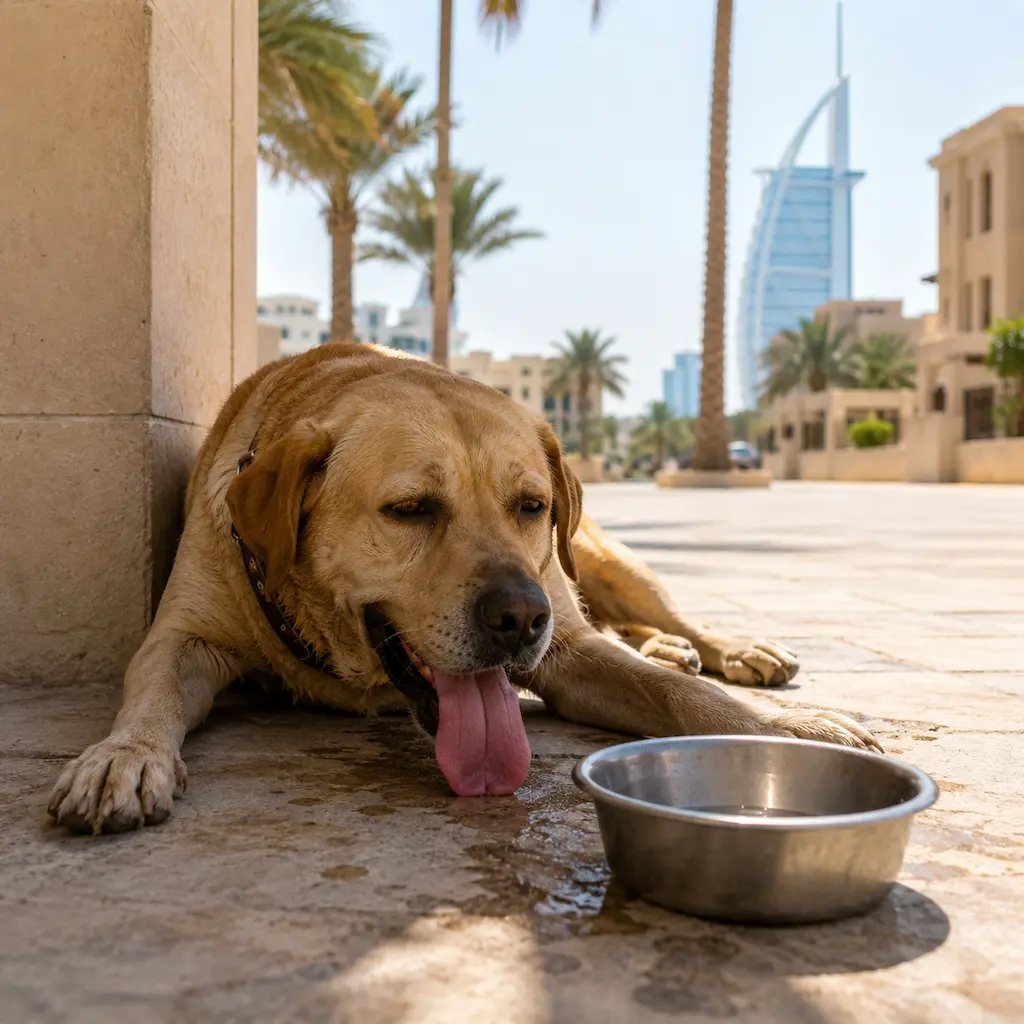
It was a normal summer evening in Abu Dhabi when a dog owner noticed a small but worrying change in their dog’s behavior. The dog that usually became excited for walks and playtime was now spending most of the day resting, avoiding activity, and showing little interest in its favorite routines. At first, it looked like simple tiredness, but the extreme UAE heat had started affecting the dog’s energy levels.
Many pet owners experience similar situations during the summer months. Dogs are more sensitive to high temperatures because they cannot cool their bodies the same way humans do. Understanding why lethargy happens, recognizing early warning signs, and maintaining proper Pet Grooming in Abu Dhabi can help protect your dog’s comfort and wellbeing during the hottest months of the year.
This guide explains the connection between UAE summer heat and dog lethargy, the signs of heat exhaustion, other possible causes of low energy, and practical ways to keep your dog healthy.
Understanding Heat Exhaustion in Dogs During UAE Summers
Heat exhaustion occurs when a dog’s body temperature rises beyond its normal range and the body struggles to cool itself effectively.
The UAE summer environment can be especially challenging for dogs because temperatures can rise above 40°C (104°F), while humidity can make cooling even more difficult. Unlike humans, dogs do not regulate body temperature through sweating across their entire body. Instead, they mainly depend on panting and limited sweating through their paw pads.
When these cooling methods are not enough, the dog’s body starts working harder to maintain a safe temperature. This extra effort can lead to tiredness, weakness, and noticeable changes in behavior.
Dogs that are more vulnerable to heat-related problems include:
- Dogs with thick or heavy coats
- Flat-faced breeds such as Bulldogs and Pugs
- Older dogs
- Puppies
- Dogs with heart, respiratory, or weight-related conditions
How Extreme Heat Affects a Dog’s Body
A dog’s body is designed to function within a comfortable temperature range. During extreme heat, the body immediately starts trying to remove excess heat.
Panting increases as the dog attempts to cool itself. The heart then works harder to circulate blood, while dehydration can reduce the body’s ability to function properly. As the temperature continues to rise, muscles lose energy, and the dog may become less active or appear unusually tired.
This is why a normally energetic dog may suddenly prefer lying down, avoid exercise, or seem weaker than usual during UAE summers.
Signs of Heat Exhaustion in Dogs
Lethargy is often one of the first signs that a dog is struggling with heat. However, it is usually accompanied by other symptoms that pet owners should not ignore.
Common warning signs include:
- Excessive panting that does not improve with rest
- Heavy drooling or thick saliva
- Weakness or difficulty standing
- Confusion or unusual behavior
- Rapid heartbeat
- Vomiting or diarrhea in severe cases
If your dog shows these symptoms, move them to a cooler area immediately, offer water if they are able to drink, and seek veterinary advice if the condition does not improve.
What Veterinary Experts Say About Heat-Related Illness in Dogs
Heat-related conditions in dogs are widely recognized by veterinary professionals as preventable but potentially dangerous problems.
The American Veterinary Medical Association explains that pets can develop heat stress when exposed to high temperatures, especially when they do not have enough shade, water, or ventilation.
Veterinary professionals also emphasize that heatstroke can become life-threatening when a dog’s body temperature remains elevated for too long. This is why early recognition of signs like excessive panting, weakness, and lethargy is important, especially during hot climates like the UAE.
Other Reasons Your Dog May Become Lethargic During Summer
Although heat exhaustion is a common reason for low energy, it is not always the only cause.
Dehydration and Reduced Energy
During hot weather, dogs lose more fluids through panting. If they do not drink enough water, dehydration can develop quickly.
A dehydrated dog may appear tired, have dry gums, reduced appetite, or less interest in normal activities. Keeping fresh water available throughout the day is one of the simplest ways to support your dog during summer.
Heat Stroke Compared With Heat Exhaustion
Heat exhaustion is an early stage of overheating, while heat stroke is a much more serious emergency.
With heat stroke, the dog’s body temperature rises to dangerous levels and can affect vital organs. Symptoms may include collapse, severe confusion, seizures, or unconsciousness.
Any suspected case of heat stroke requires immediate veterinary attention.
Changes in Appetite During Summer
Some dogs naturally eat less during very hot months. However, reduced food intake over time can affect their energy levels.
Maintaining a balanced diet and monitoring sudden appetite changes can help identify whether tiredness is related to nutrition or another health concern.
Existing Health Conditions
Hot weather can make certain health problems more difficult for dogs to manage. Conditions involving the heart, kidneys, or respiratory system may become more noticeable during summer.
If your dog’s lethargy continues even in a cool environment, a veterinary check-up is recommended.
How to Prevent Heat Exhaustion in Dogs
Keeping your dog safe during UAE summers requires simple but consistent care.
Make sure your dog always has access to clean drinking water and a cool resting area. During the hottest part of the day, it is better to keep outdoor activities limited and schedule walks during early mornings or evenings when temperatures are lower.
Never leave your dog inside a parked vehicle, even for a short period. Car temperatures can rise quickly and create a dangerous environment.
Cooling mats, shaded areas, and proper indoor ventilation can also help your dog stay comfortable during extreme weather.
How Grooming Supports Dogs During UAE Summers
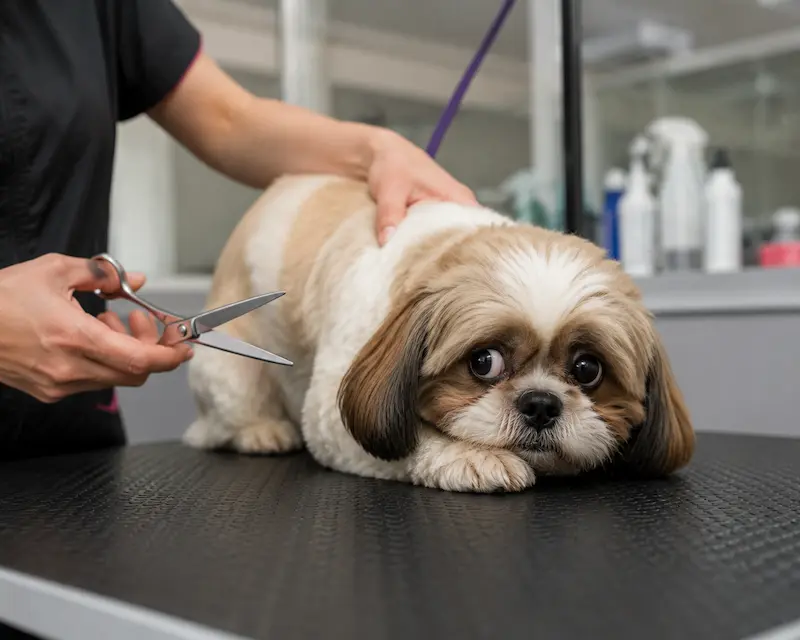
Many owners assume shaving a dog’s coat is the best way to keep them cool, but this is not always true. A dog’s coat plays an important role in protecting the skin and helping regulate temperature.
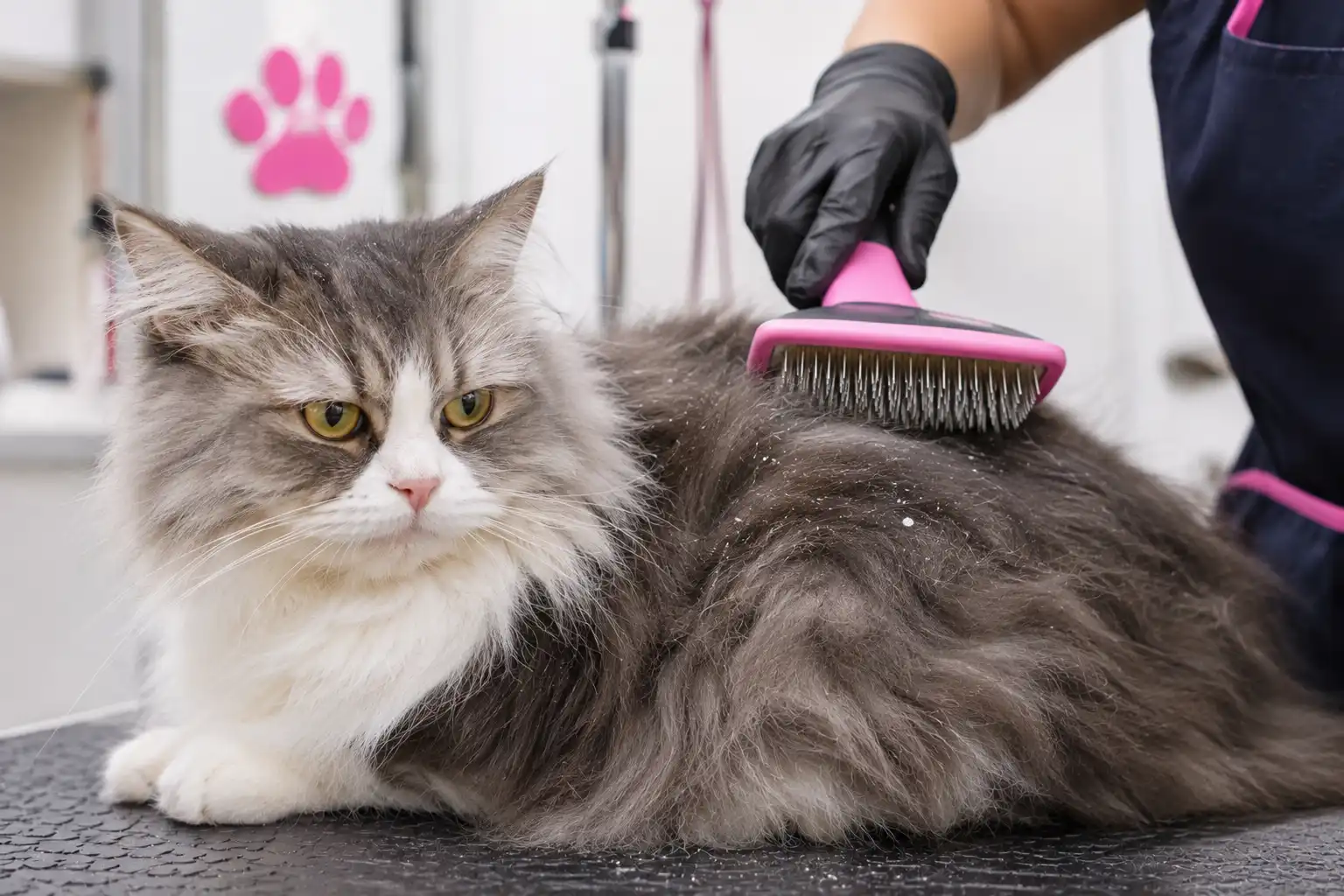
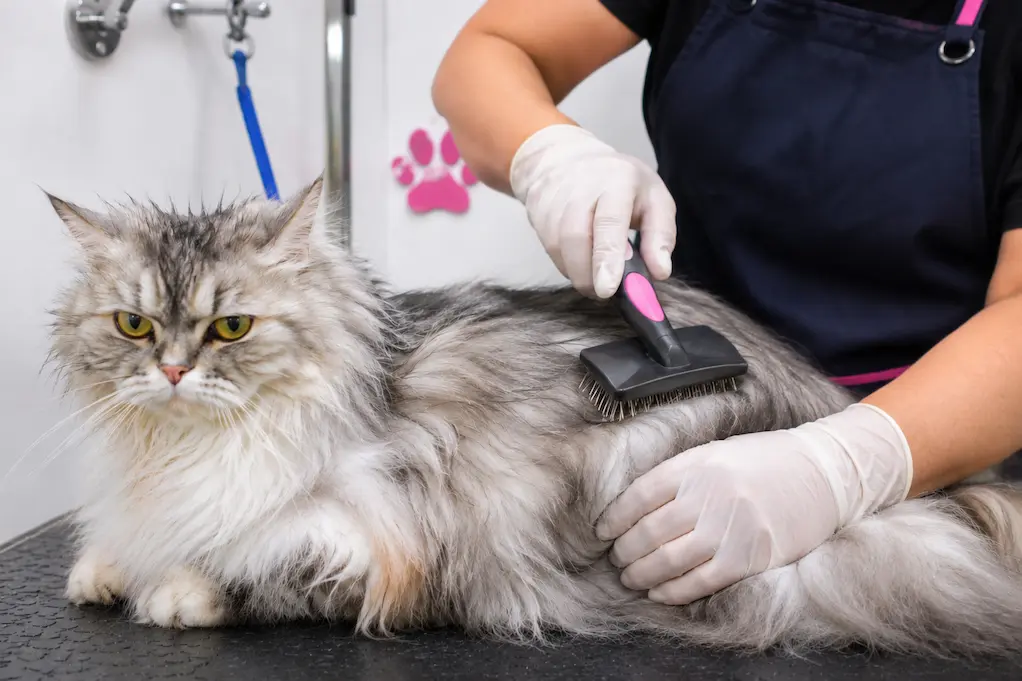
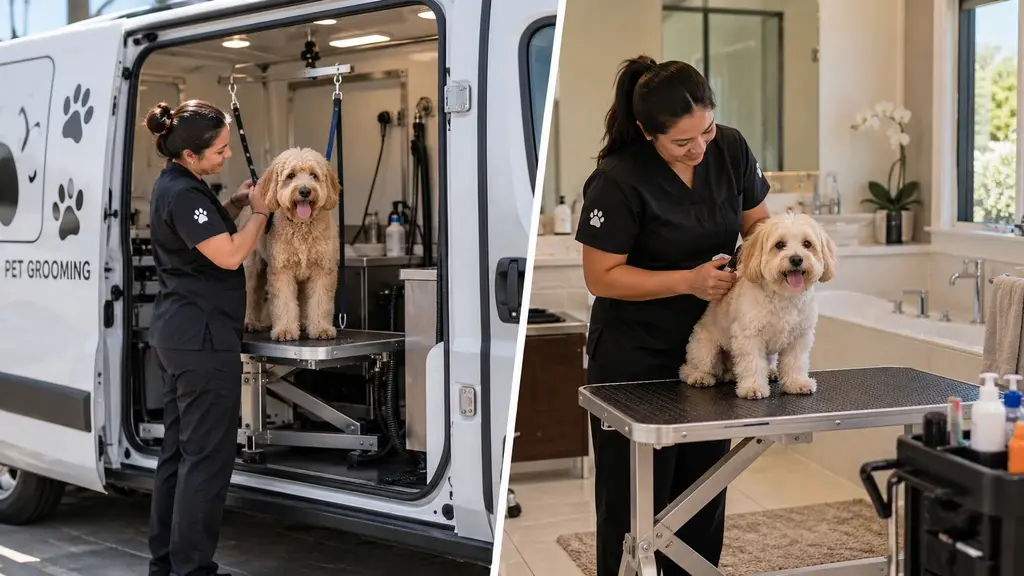
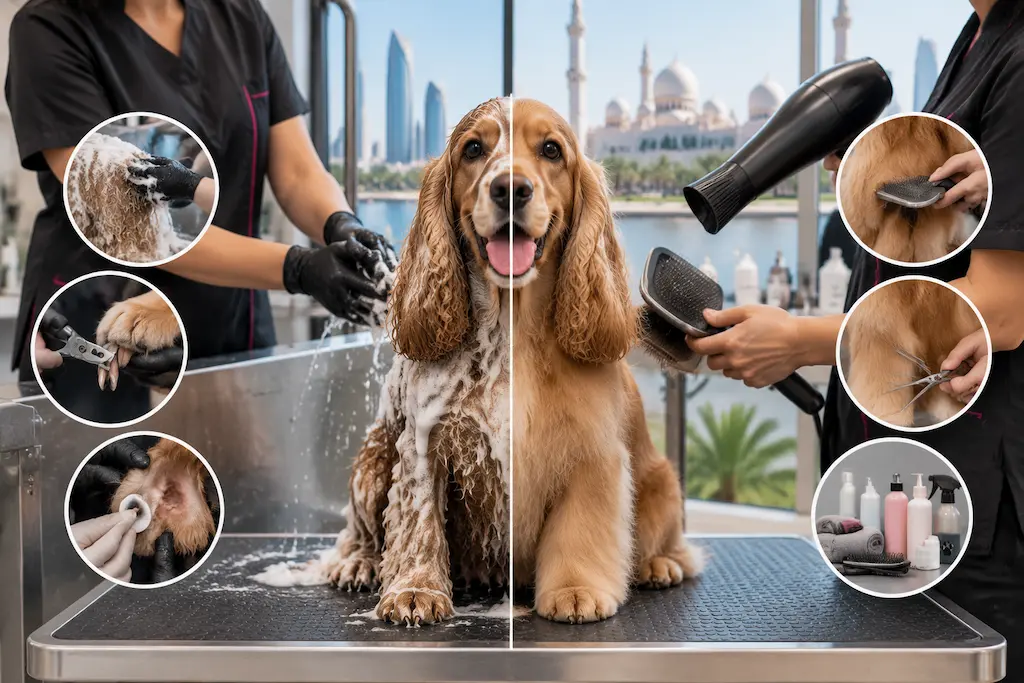
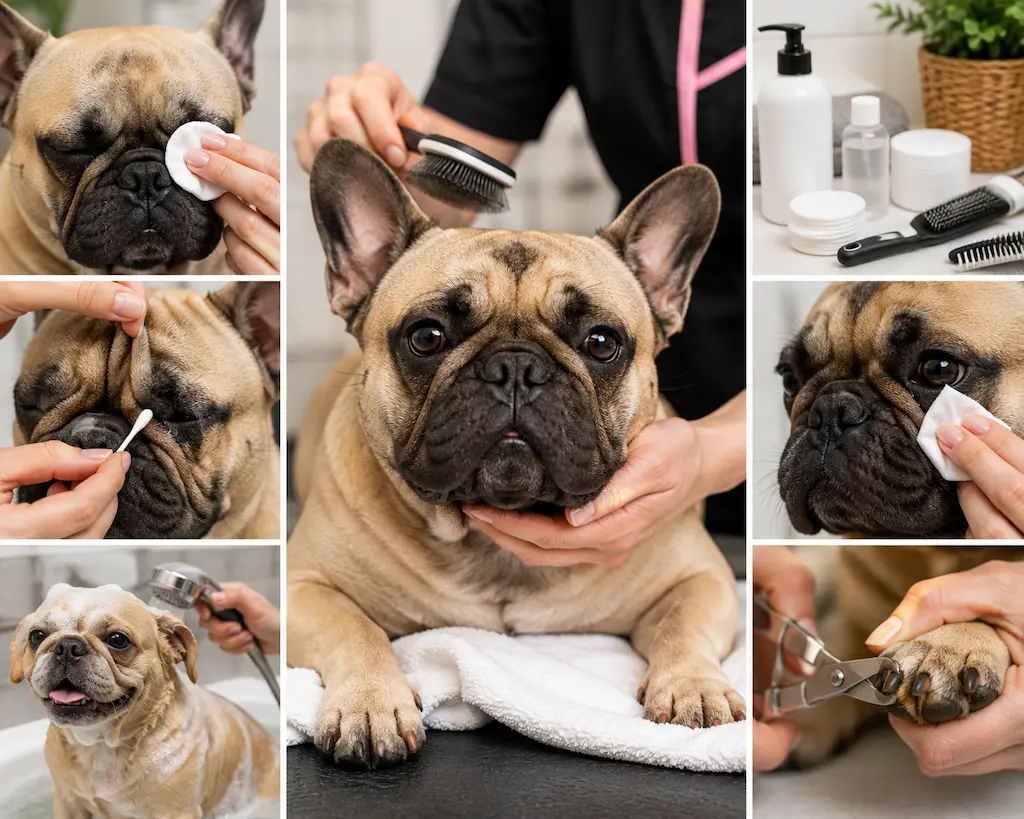
Regular grooming helps by removing loose fur, preventing painful mats, and keeping the coat healthier. This is especially important for long-haired breeds living in dusty and hot environments.
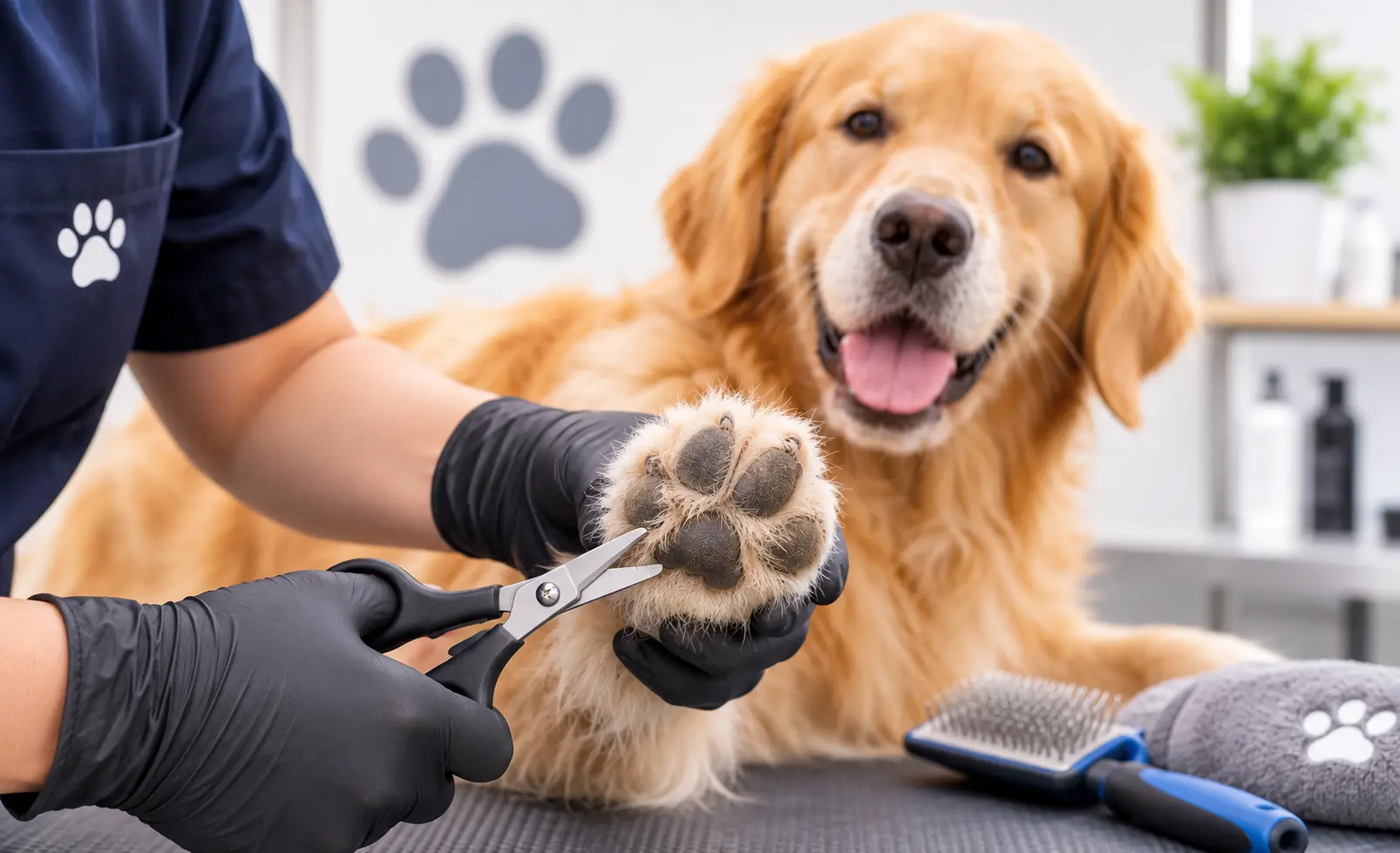
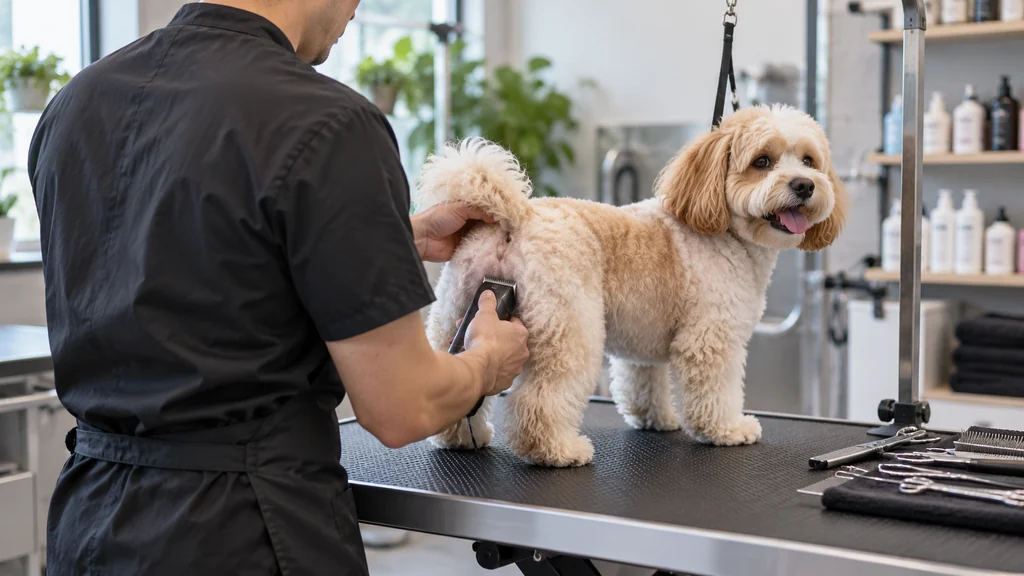
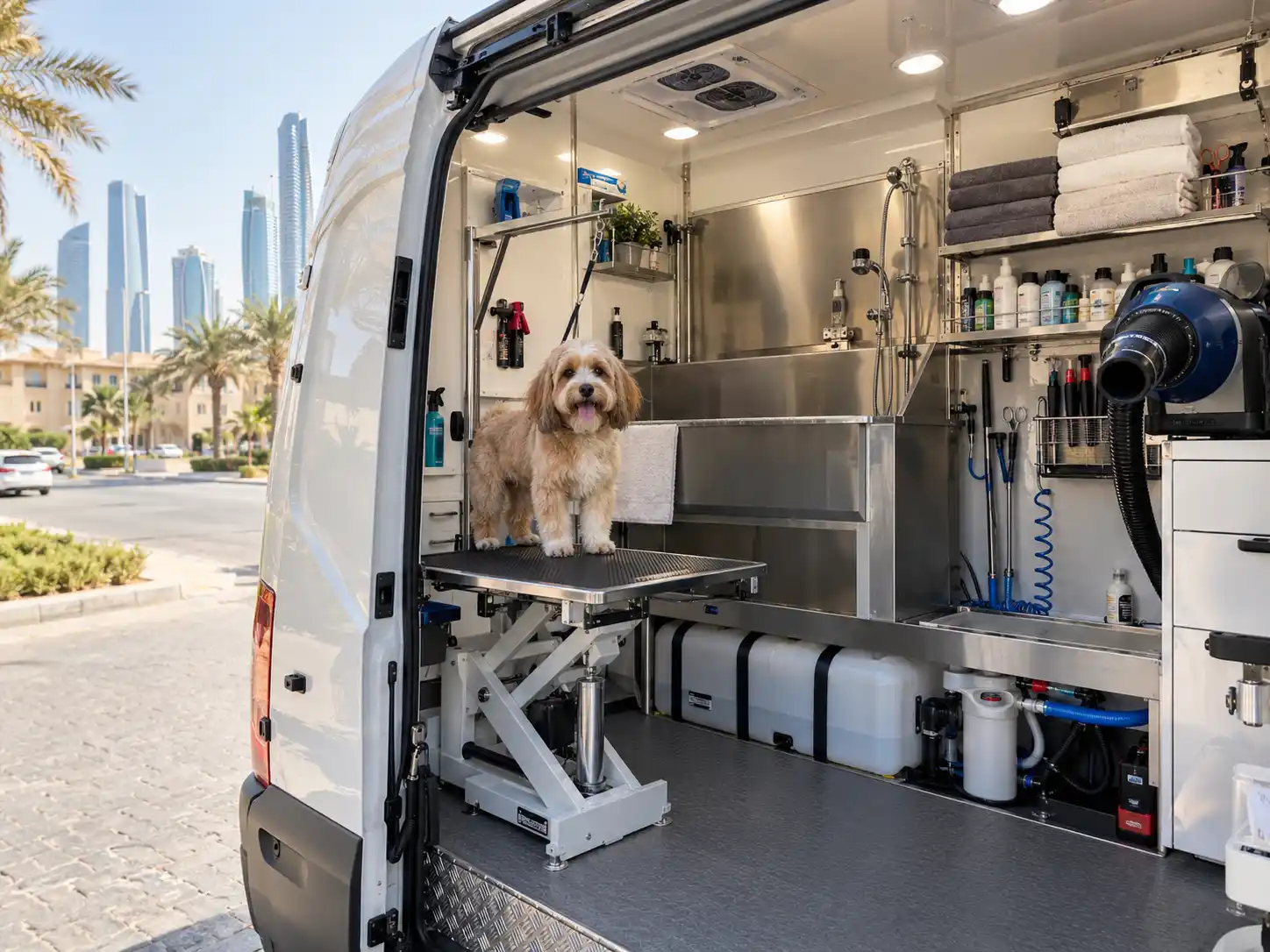
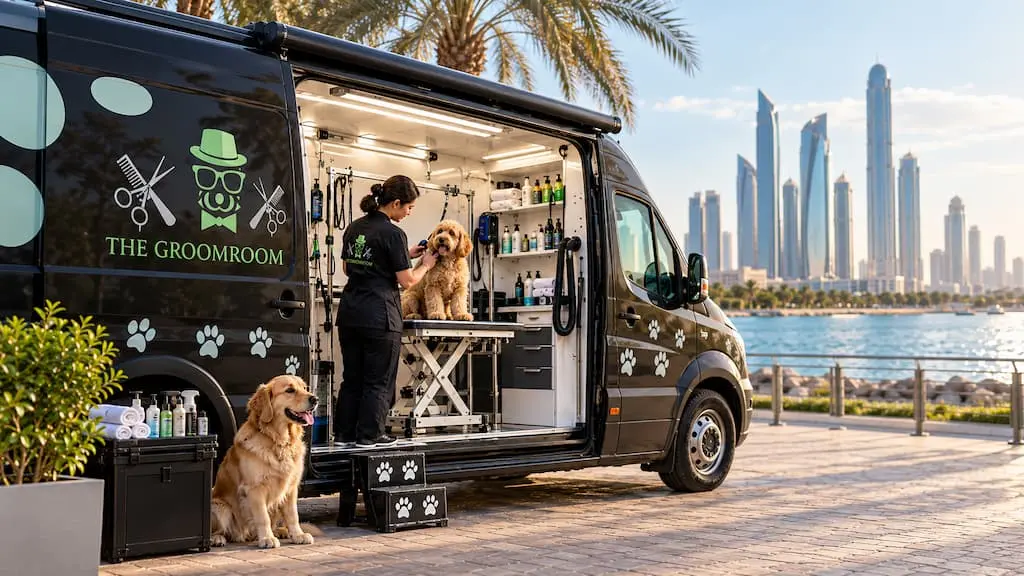
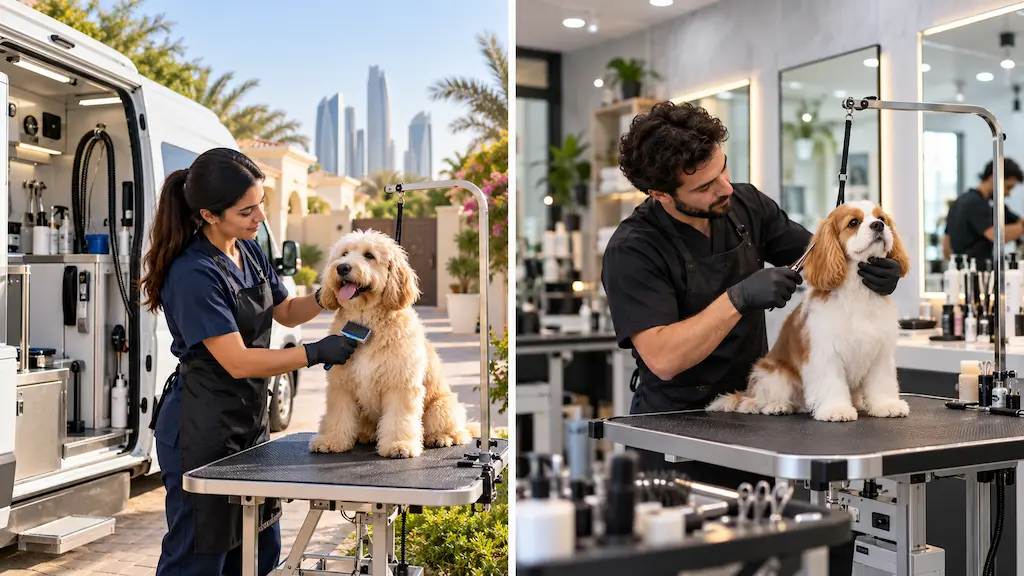
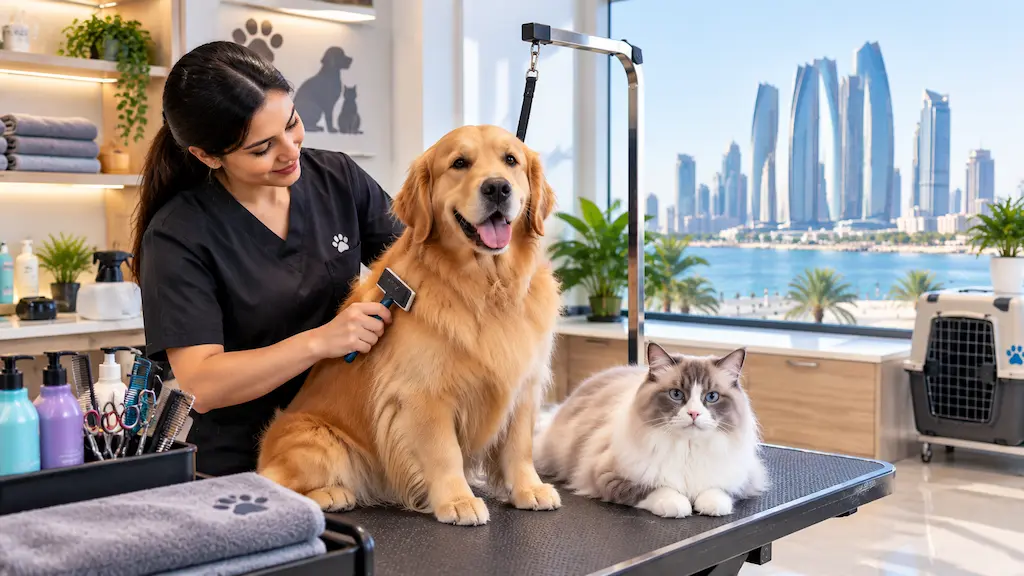
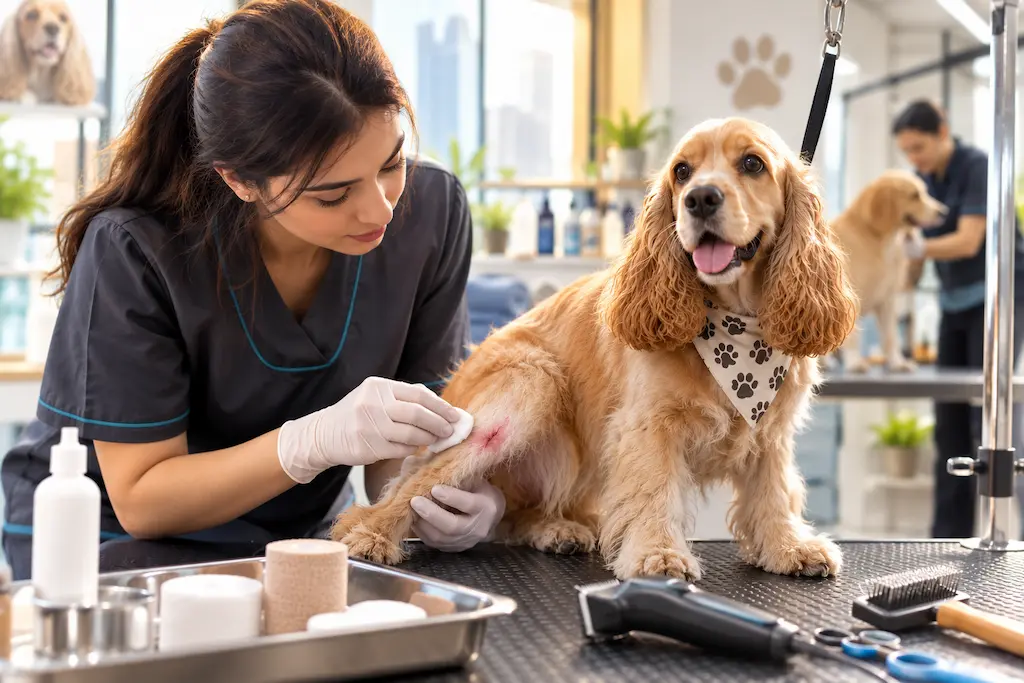
A professional dog grooming in Abu Dhabi can assess your dog’s coat condition and provide suitable grooming based on breed, coat type, and lifestyle.
Keeping Your Dog Active During Hot Weather
Summer does not mean your dog has to stop enjoying daily activities. It simply requires better planning.
Instead of midday walks, choose early mornings or evenings. Indoor activities such as puzzle toys, training games, and gentle play can provide mental stimulation without exposing your dog to extreme temperatures.
A comfortable routine helps maintain your dog’s physical and emotional wellbeing throughout the UAE summer.
Frequently Asked Questions
Why is my dog suddenly tired during UAE summer?
High temperatures can cause dogs to become tired because their bodies use extra energy to regulate heat. Dehydration, illness, and reduced activity can also contribute to lethargy.
How can I tell if my dog is suffering from heat exhaustion?
Signs may include excessive panting, weakness, drooling, confusion, and unusual tiredness. Immediate cooling and monitoring are important.
Does grooming help dogs stay cooler in summer?
Yes. Regular grooming removes excess loose fur and prevents mats that can make dogs uncomfortable, but shaving is not suitable for every breed.
How often should dogs be groomed during hot weather?
The ideal schedule depends on your dog’s coat type, breed, and lifestyle. Dogs with longer or thicker coats usually require more frequent grooming.
When should I take my dog to a vet for lethargy?
If your dog remains unusually tired after cooling down, refuses water, collapses, vomits, or shows other concerning symptoms, veterinary advice should be considered.
Conclusion
Dog lethargy during UAE summers should not be ignored. While heat exhaustion and dehydration are common causes, changes in behavior can also indicate underlying health concerns.
Providing fresh water, adjusting exercise schedules, creating a cool environment, and maintaining proper grooming habits can help your dog handle extreme temperatures more comfortably.
Following reliable summer pet care tips and scheduling professional grooming when needed can make a significant difference in your dog’s health and comfort.
With the right care and attention, your dog can stay active, happy, and safe even during the hottest months in the UAE.