







The walk started like any other evening along an Abu Dhabi residential street. A dog owner was enjoying a quiet routine with their dog when a jogger appeared in the distance. Within seconds, the dog’s body became stiff, the ears moved back, and the relaxed walk turned into barking, pulling, and lunging.
For many dog owners, this situation becomes frustrating and stressful. They start changing walking routes, avoiding crowded areas, or choosing unusual hours just to prevent uncomfortable encounters. However, stranger-directed aggression is not a sign that a dog is “bad” or impossible to manage. In most cases, it is a response caused by fear, anxiety, poor social experiences, or uncertainty.
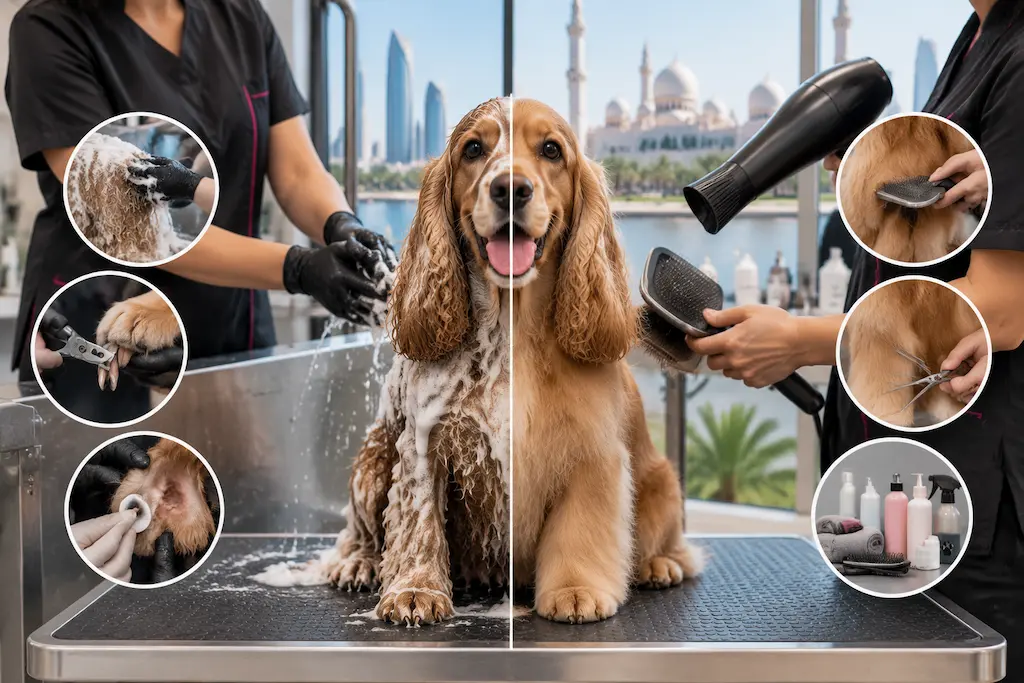
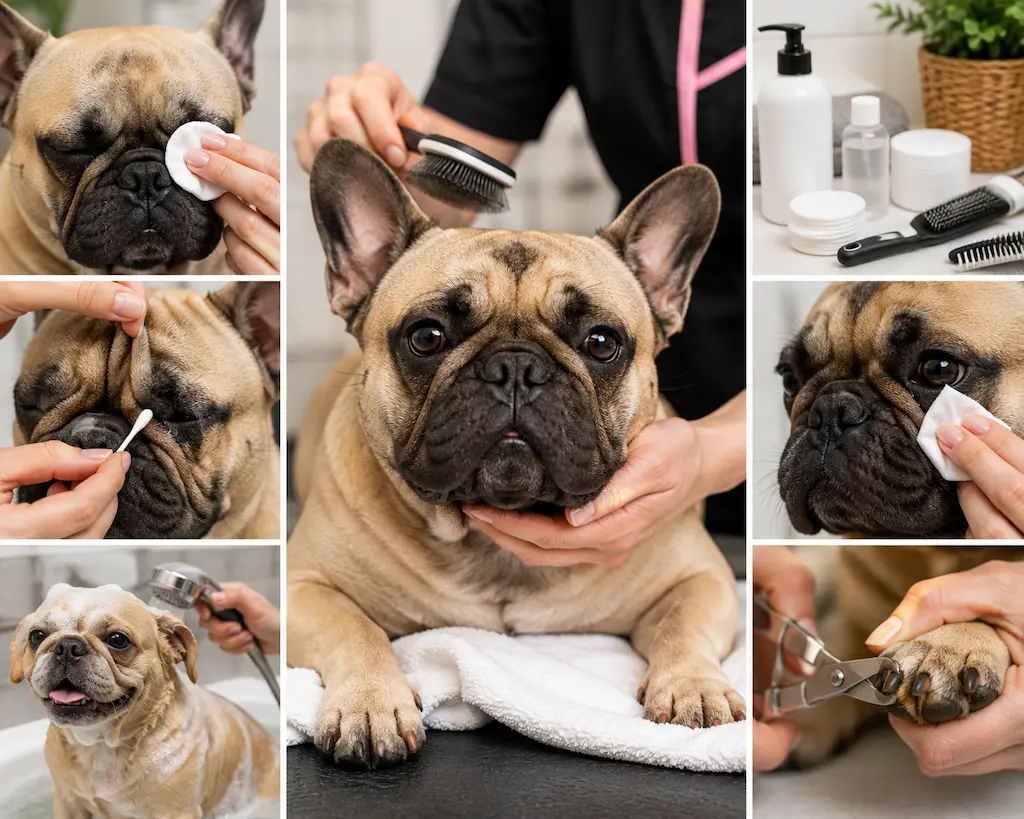
With patience, proper training, and supportive care such as pet grooming in Abu Dhabi, dogs can learn to feel more comfortable around unfamiliar people while maintaining a calm and balanced behaviour.
This guide explains why dogs become aggressive toward strangers, how to recognize warning signs, and what owners in Abu Dhabi can do to help their dogs become calmer.
How Do Dogs Show Aggression Towards Strangers?
Dog aggression does not always begin with biting. Most dogs communicate discomfort through smaller warning signals before their reaction becomes more intense.
A dog may show signs such as:
- Growling or snarling
- Excessive barking
- Stiff body posture
- Raised hackles
- Avoiding eye contact or giving side-eye
- Pulling strongly on the leash
- Lunging toward a person
- Snapping or attempting to bite
Understanding these early signals is important because intervention is much easier before the dog reaches a high level of stress.
Why Are Dogs Aggressive Towards Strangers?
Aggression is usually caused by an emotional response rather than simple disobedience. Understanding the reason behind the behaviour is the first step toward improving it.
Fear and Anxiety
Fear is one of the most common causes of stranger-directed aggression. A dog that has not experienced different people, places, and situations during early life may see unfamiliar humans as a threat. Sudden movements, loud voices, or someone approaching too quickly can trigger a defensive reaction.
This is especially common in rescue dogs or dogs with negative past experiences. Punishment often makes fear-based aggression worse because the dog learns that unfamiliar people bring even more stress.
Protective Behaviour
Some dogs naturally have strong guarding instincts. They may feel responsible for protecting their owner, home, or territory.
A dog may bark at someone approaching the house, react when strangers come near the car, or become uncomfortable when people enter its personal space.
While this behaviour may look like loyalty, excessive protection can become difficult to manage without proper training.
Lack of Socialisation
A dog’s early experiences strongly influence how it reacts to the world. The American Veterinary Society of Animal Behavior highlights the importance of early socialisation for puppies, especially during their early developmental period, because positive exposure to different people, environments, and situations helps build confidence.
Dogs that miss these experiences may become uncertain around strangers later in life.
Territorial Behaviour
Many dogs become more reactive when they believe someone is entering their space.
Common examples include:
- Barking at the door
- Reacting to visitors
- Guarding certain areas of the home
- Becoming defensive in familiar walking locations
Without guidance, this behaviour can become stronger over time.
Previous Trauma or Negative Experiences
A dog that has experienced neglect, abuse, abandonment, or frightening situations may associate unfamiliar people with danger.
These dogs often need a slower approach focused on rebuilding trust rather than forcing interaction.
How Can You Help a Dog Become Less Aggressive Towards Strangers?
Changing aggressive behaviour takes consistency and patience. The goal is not always to make every dog love strangers. A more realistic goal is helping your dog feel calm and neutral around unfamiliar people.
Use Desensitisation and Counter-Conditioning
These are two commonly used behavior modification techniques. Desensitization means exposing your dog to strangers at a distance where they remain calm. Over time, the distance can gradually decrease as the dog becomes more comfortable.
Counter-conditioning changes the dog’s emotional response by creating positive associations. For example, seeing a stranger can become a signal that something good happens, such as receiving a treat.
This process requires patience because forcing interaction too quickly can increase fear.
Teach Basic Commands
Commands such as:
- Sit
- Stay
- Look at me
- Leave it
can help redirect your dog’s attention during stressful situations.
A dog that understands what behaviour is expected is easier to manage during walks, visitors, and public outings.
Controlled Socialisation
Socialisation does not mean allowing every stranger to touch your dog.
Instead, introduce new experiences gradually:
- Calm walks in different environments
- Controlled meetings with trusted people
- Positive exposure to different sounds and situations
The focus should always be your dog’s comfort level.
Reward Calm Behaviour
Many owners focus only on correcting unwanted behaviour. However, rewarding calm reactions is often more effective.
If your dog notices a stranger but remains relaxed, reward that behaviour with praise, treats, or encouragement.
Over time, your dog learns that staying calm brings positive results.
Behavior Training Methods Used by Professionals
Modern dog behaviour specialists use structured approaches to help dogs manage fear and reactivity.
Behaviour Adjustment Training (BAT)
BAT focuses on allowing dogs to make calm choices around triggers.nInstead of forcing interaction, dogs are guided to notice a trigger, remain comfortable, and choose a calmer response.
Relaxation and “Off-Duty” Protocols
Some behavior approaches teach dogs that they do not always need to monitor or protect their surroundings. This helps dogs with overprotective tendencies learn when they can relax.
Why Stranger Aggression Matters for Abu Dhabi Dog Owners
Abu Dhabi is a growing pet-friendly city with more public spaces, walking areas, and communities where dogs interact with different people and animals.
A dog that reacts aggressively in public can create stressful situations for:
- Other dog owners
- Children
- Elderly people
- Visitors
- Other pets
Even if a dog has never bitten anyone, repeated lunging or threatening behaviour should be addressed early.
Responsible training helps create safer experiences for both dogs and the community.
Could a Health Problem Be Causing Your Dog’s Aggression?
Sometimes behaviour changes are linked to physical discomfort.
A dog that suddenly becomes aggressive may be experiencing:
- Dental pain
- Arthritis
- Ear problems
- Injuries
- Vision changes
- Age-related cognitive changes
If aggression appears suddenly in a previously calm dog, a veterinary examination is recommended before starting behavioural training.
Grooming Challenges With Aggressive Dogs
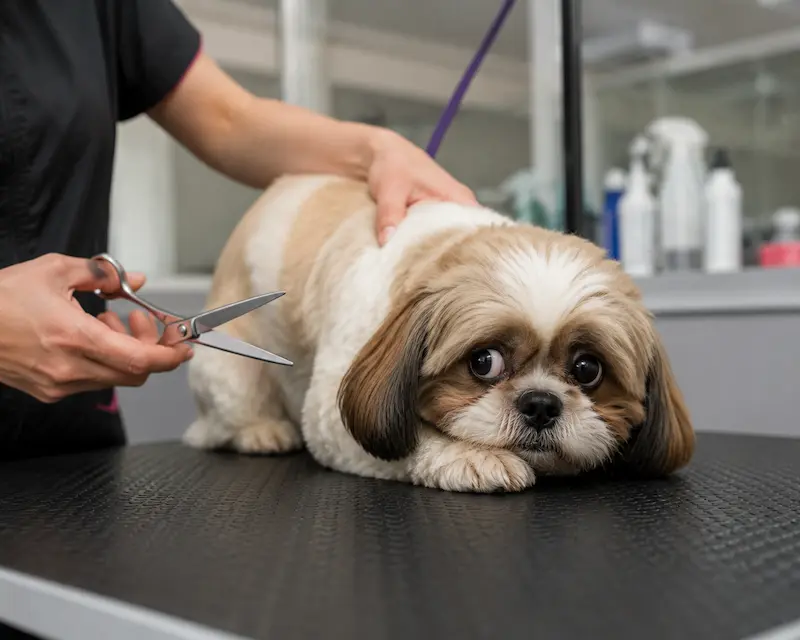
Some dogs become anxious during grooming because of unfamiliar environments, handling, sounds, and equipment.
A patient approach is essential. Experienced groomers understand that nervous dogs need slower introductions and careful handling.
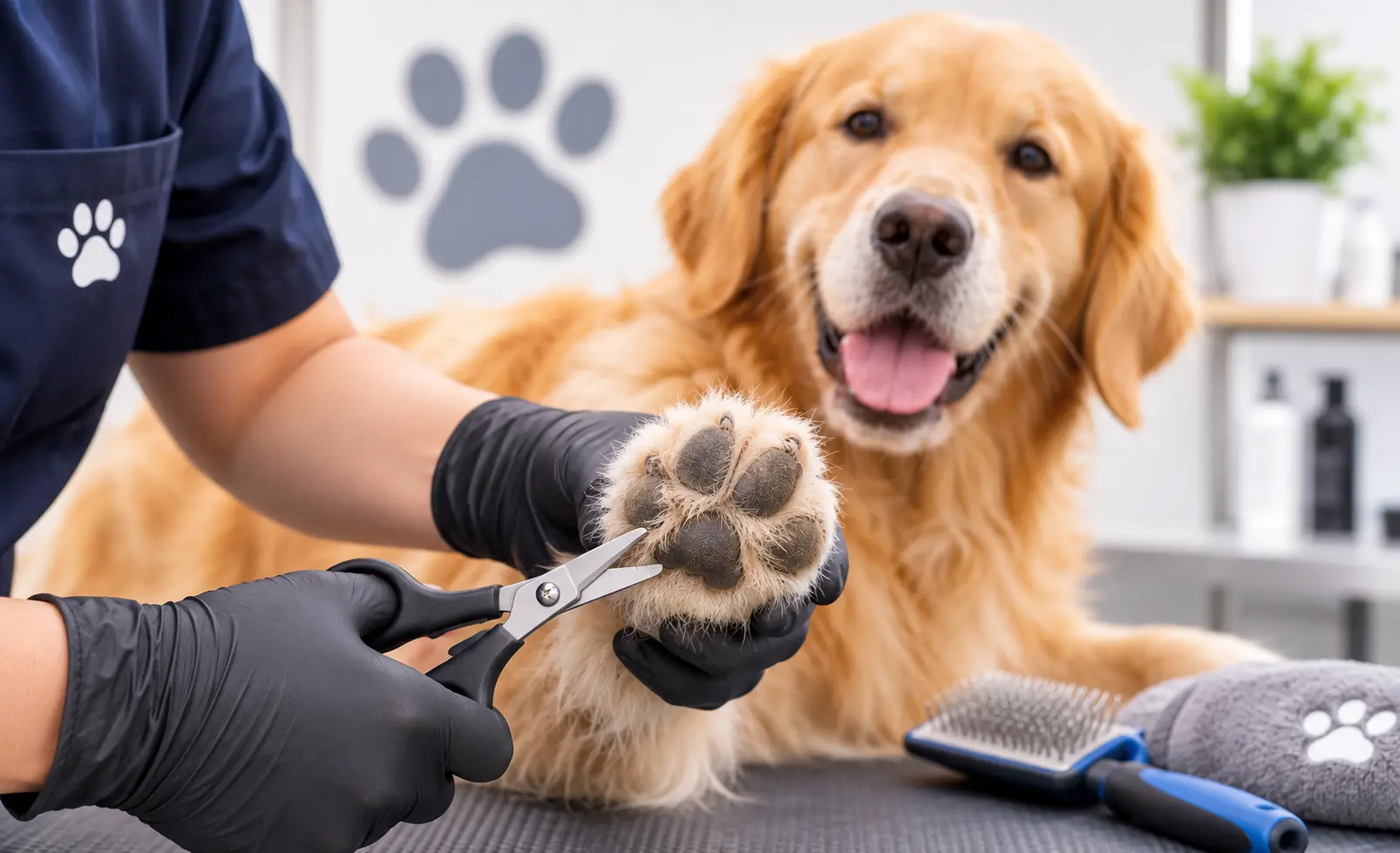
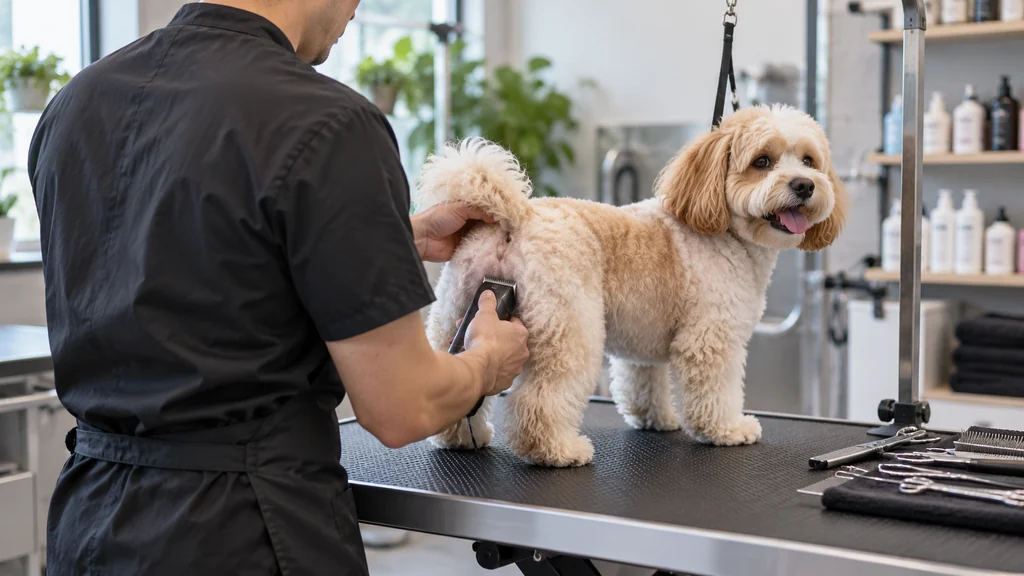
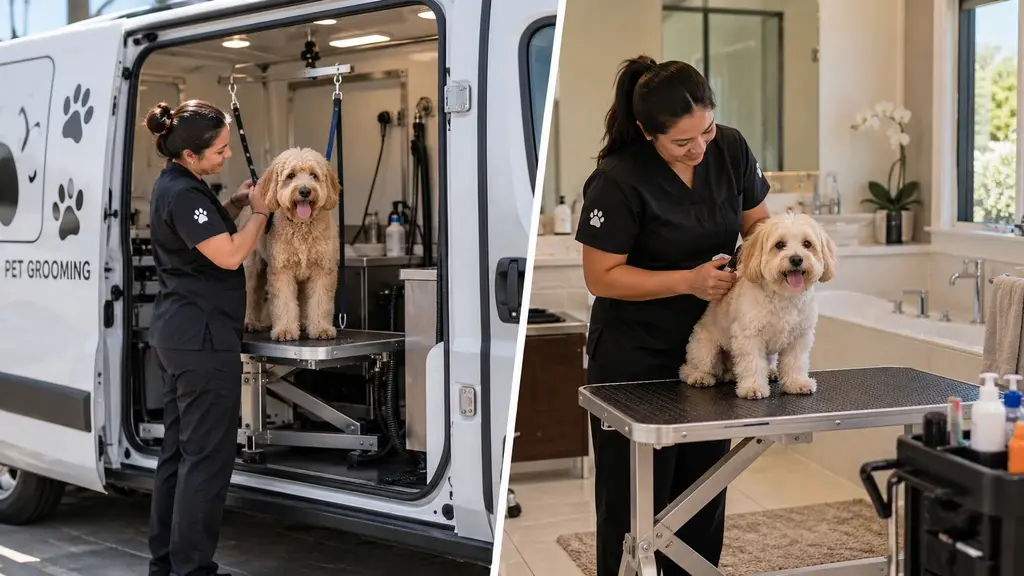
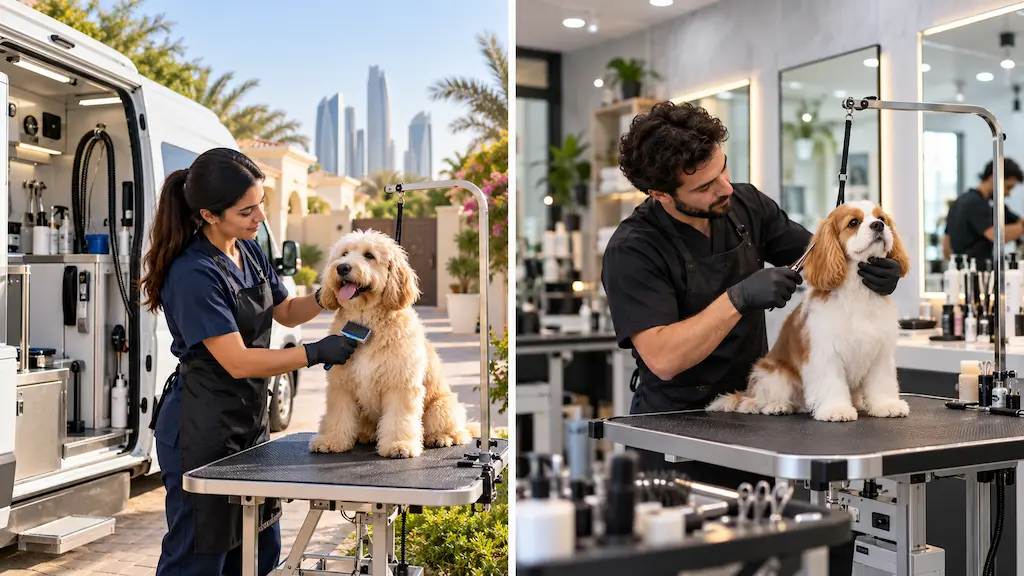
Professional dog grooming in Abu Dhabi can help provide a calmer grooming experience by using appropriate handling techniques and working according to the dog’s comfort level.
With repeated positive experiences, many dogs become more relaxed during grooming sessions.
Frequently Asked Questions
Why is my dog suddenly aggressive toward strangers?
Sudden aggression can be caused by fear, a negative experience, stress, or an underlying health issue. A veterinary check is recommended if the behaviour change happens unexpectedly.
Can an aggressive dog become friendly?
Many dogs can improve significantly with proper training. The goal is usually calm behaviour around strangers rather than forcing a dog to interact with everyone.
Is my dog aggressive or just scared?
Many dogs that appear aggressive are actually reacting from fear. Signs such as backing away, avoiding eye contact, and nervous body language often indicate fear-based behaviour.
Should I punish my dog for growling?
No. Growling is a warning signal. Punishing it may remove the warning while leaving the fear or discomfort behind, which can increase the risk of a stronger reaction.
At what age does stranger aggression appear?
It can appear at different ages, but many dogs begin showing stronger reactions between adolescence and adulthood as their confidence and behaviour patterns develop.
Conclusion
Aggression toward strangers is not simply a personality problem. It is often a communication signal showing that a dog feels uncomfortable, uncertain, or threatened.
With the right training approach, patience, and professional support, many dogs can learn to handle unfamiliar people more calmly.
For Abu Dhabi dog owners, combining behavioural guidance with proper care, including regular pet grooming in Abu Dhabi, helps support a healthier and more confident dog.
A calmer dog means safer walks, less stress, and a better relationship between you and your pet.