

Part of my job that owners never expect is that I’m often the first person to spot something on their dog. A dog comes in for a routine groom, I’m working around the muzzle, and there it is a small, cauliflower-shaped growth near the lip that wasn’t there last visit. Nine times out of ten the owner had no idea, and their first question is always the same worried one: “Is that contagious? Did he catch it here?”
It’s a fair thing to ask. Skin papillomas canine warts are common, and if you use grooming services it’s natural to wonder: can grooming spread dog skin papillomas? The honest answer is yes, it can but only when hygiene is sloppy, and that’s exactly what a proper salon is built to prevent. Let me explain what these growths are, how they actually spread, and what safe grooming looks like.
What are dog skin papillomas?
Dog skin papillomas canine warts are benign growths caused by the canine papillomavirus (CPV). As famous groomer explains, there are many types of the virus, and each tends to cause warts in a particular spot commonly around the mouth, eyes, or paws. They show up most often in puppies and dogs with developing or weakened immune systems.
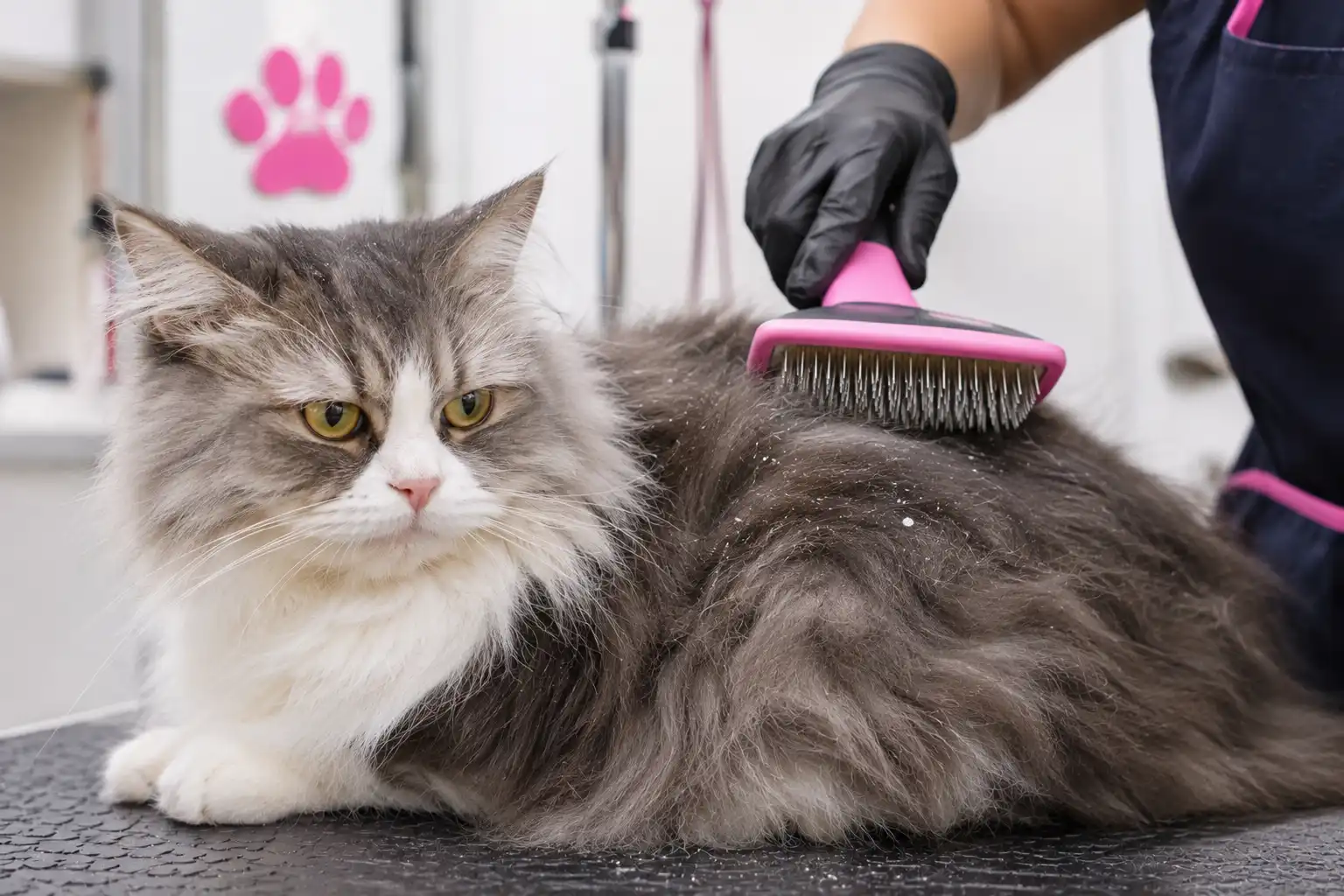
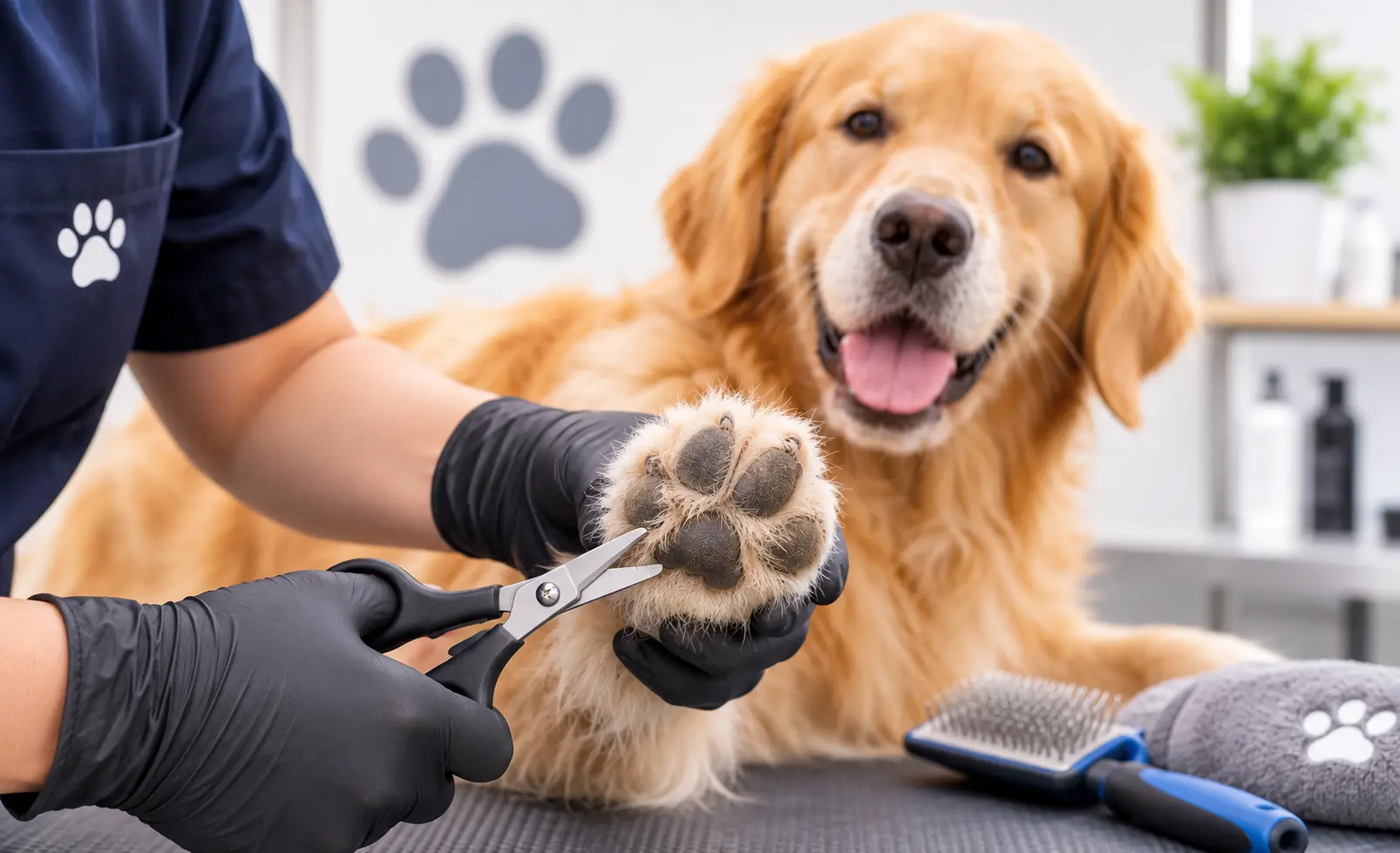
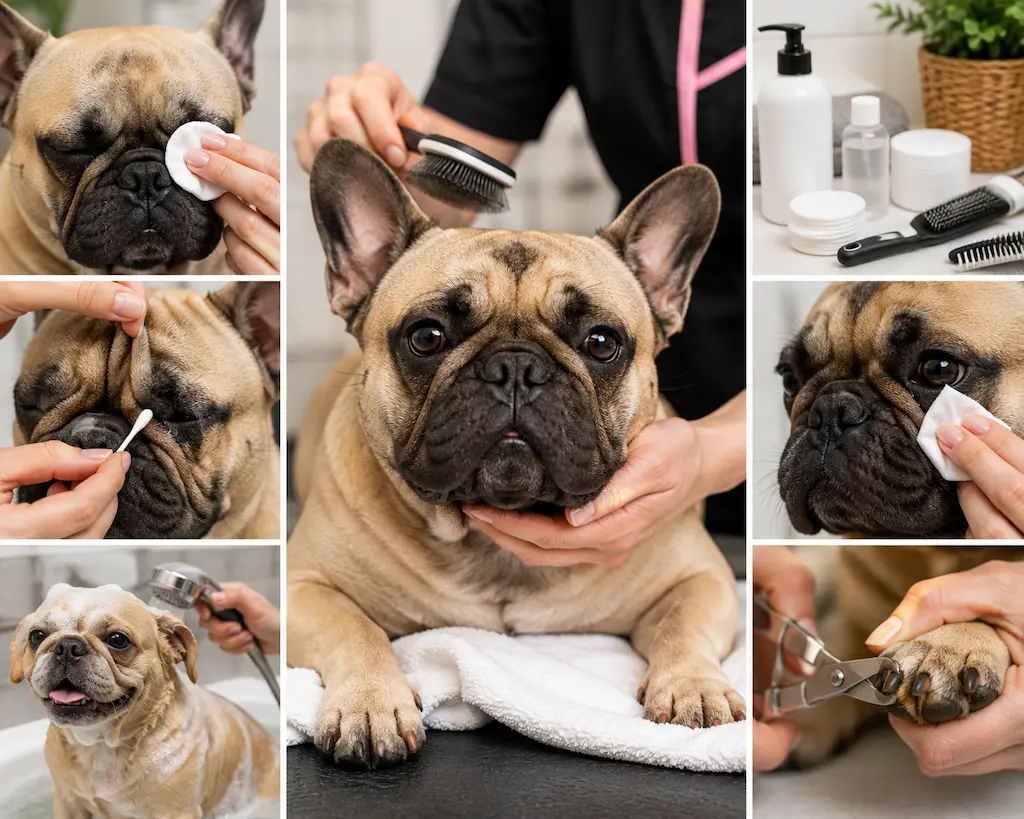
Careful, regular dog grooming is one of the best ways to catch these early a groomer’s hands are on your dog’s whole body, including the mouth and eye area where warts often appear.
Key facts about skin papillomas in dogs:
- Caused by a virus (CPV)
- Highly contagious between dogs
- Not transmissible to humans or cats the virus is species-specific
- Usually resolve on their own as the immune system clears them
- Appear as small, cauliflower-like growths
Can grooming spread dog skin papillomas?
Yes potentially, if hygiene protocols aren’t followed. Here’s the mechanism, and why it matters.
CPV spreads two ways: by direct contact with an infected dog’s warts, and indirectly through contaminated objects what vets call fomites. That includes shared water bowls, bedding, toys, and yes, grooming tools like clippers, brushes, and towels. The virus enters through tiny breaks or abrasions in the skin, and this is the part most owners don’t realise it can survive on surfaces for weeks.
That’s precisely why sanitation between dogs isn’t optional. A brush used on an infected dog and not disinfected can carry the virus to the next dog on the table. So the real question isn’t “is grooming risky?” it’s “does this salon disinfect properly?”
How a hygienic salon keeps your dog safe
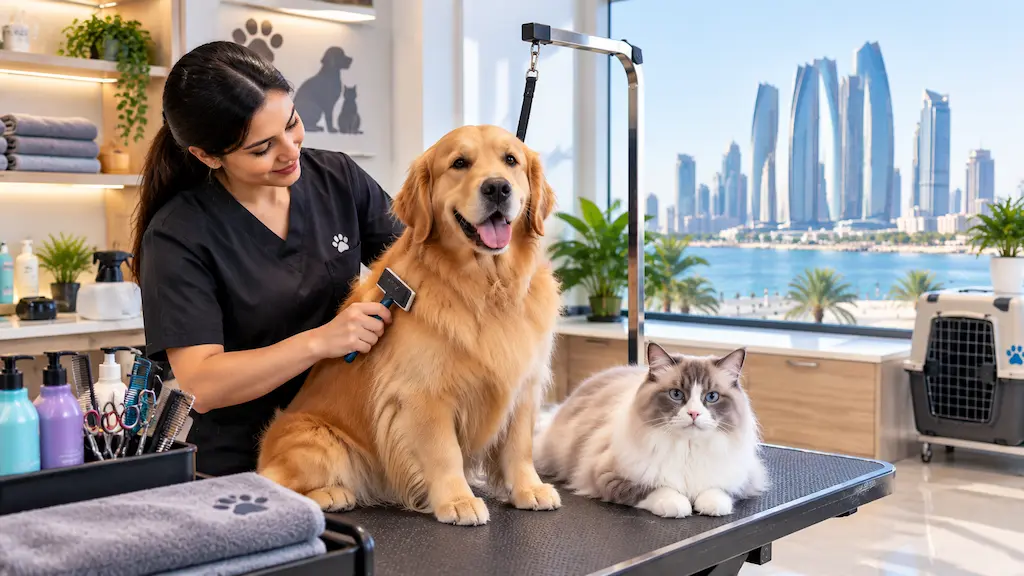
At Groom Room Abu Dhabi, preventing the spread of contagious conditions like papillomas is built into how we work. Our standard precautions:
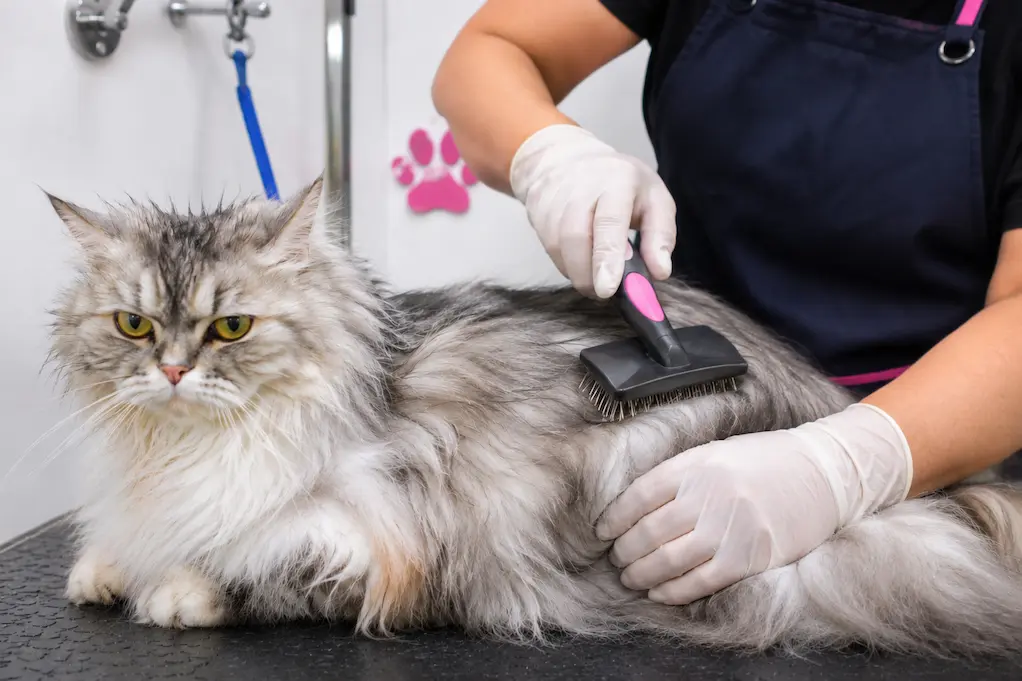
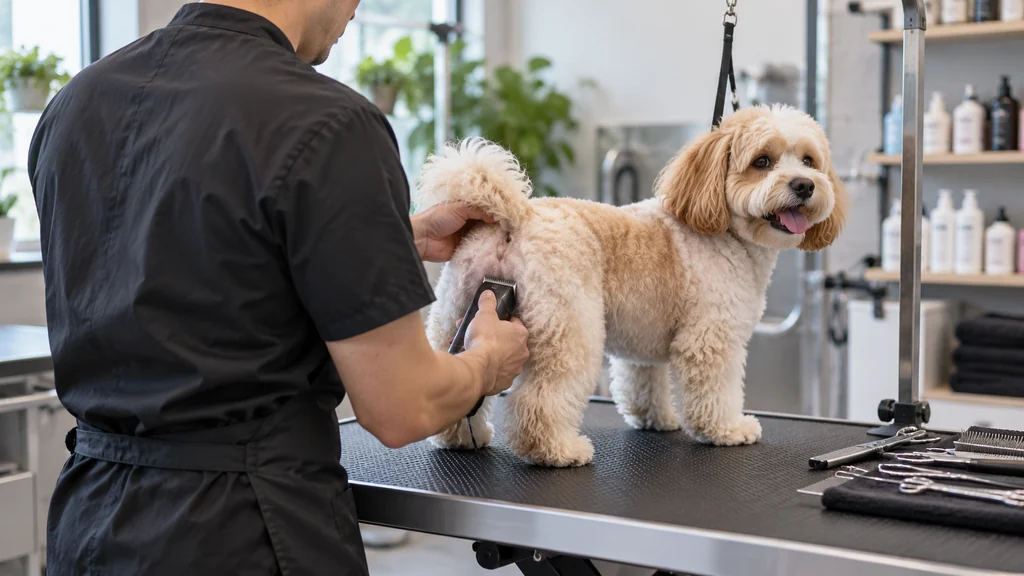
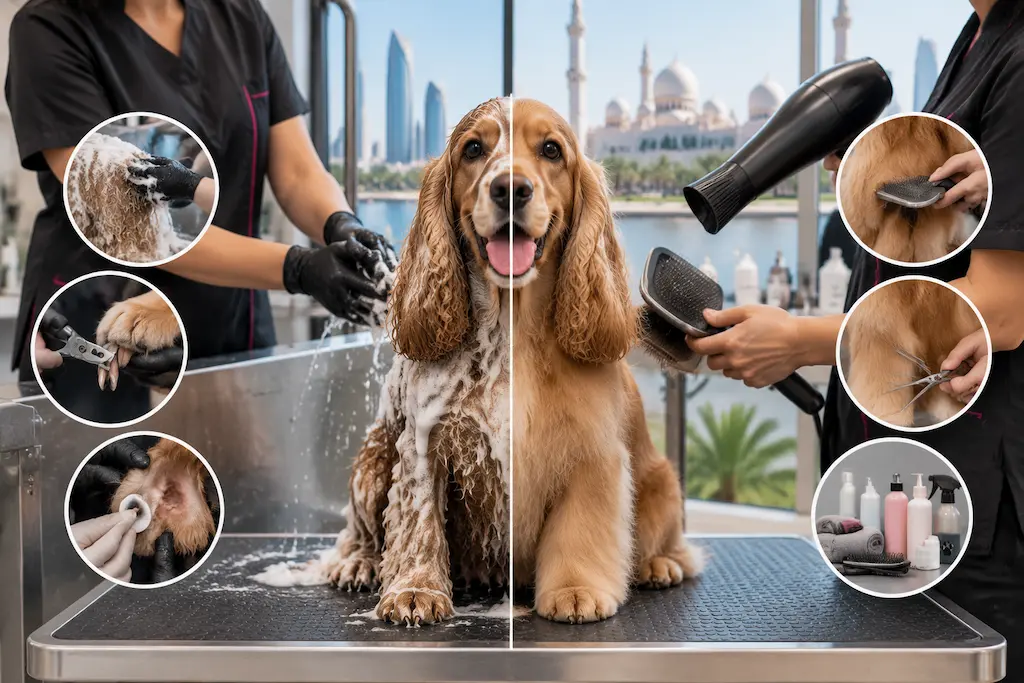
- Disinfection of all grooming tools after every use
- Separate grooming areas for dogs, cats, and birds
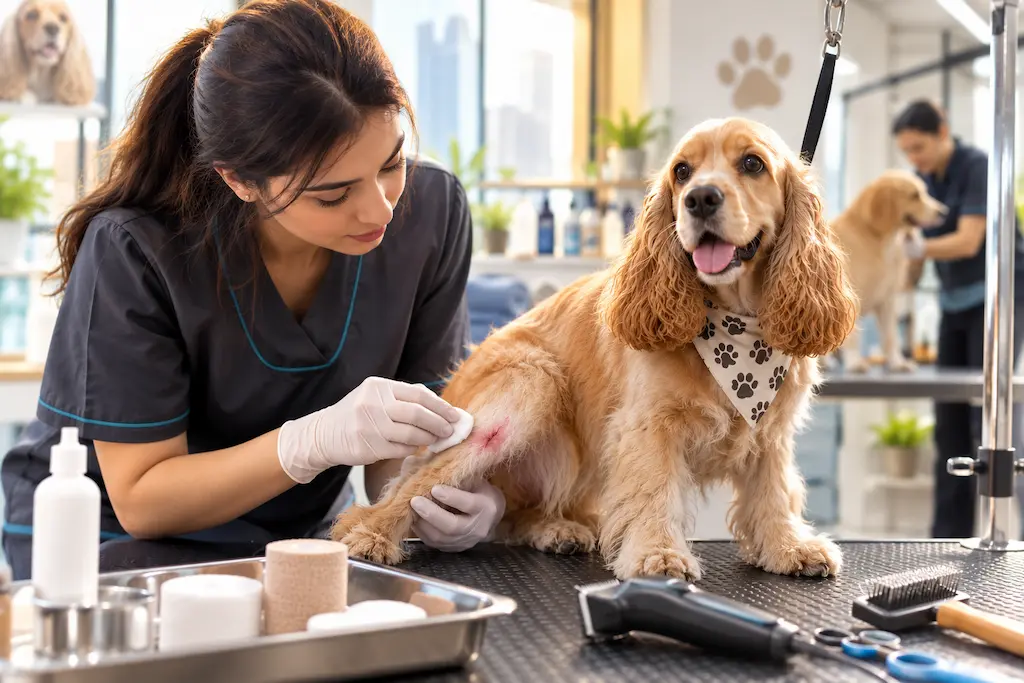
- Gloves and sanitiser used by grooming staff
- Immediate identification and careful handling of any pet showing visible papillomas
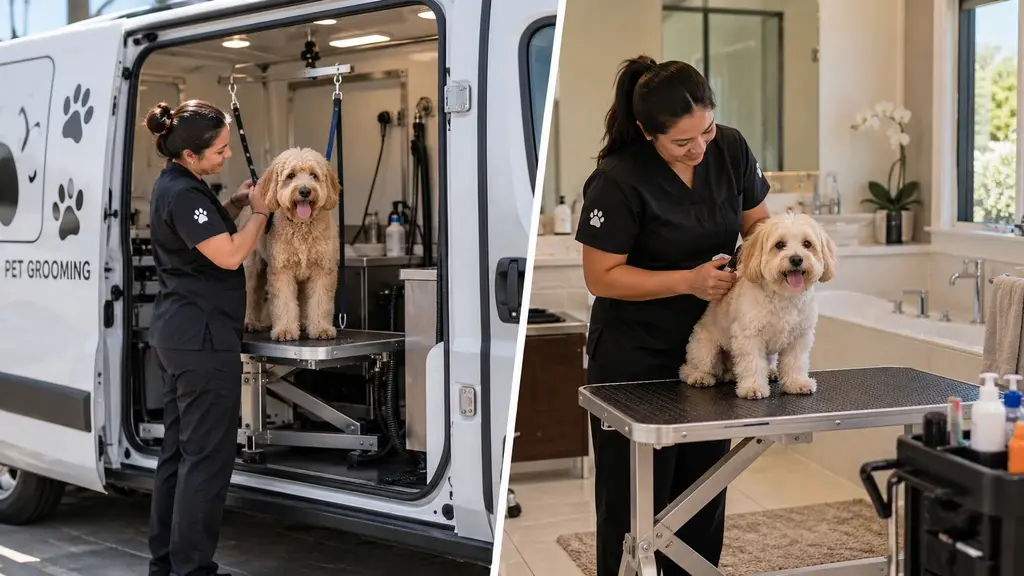
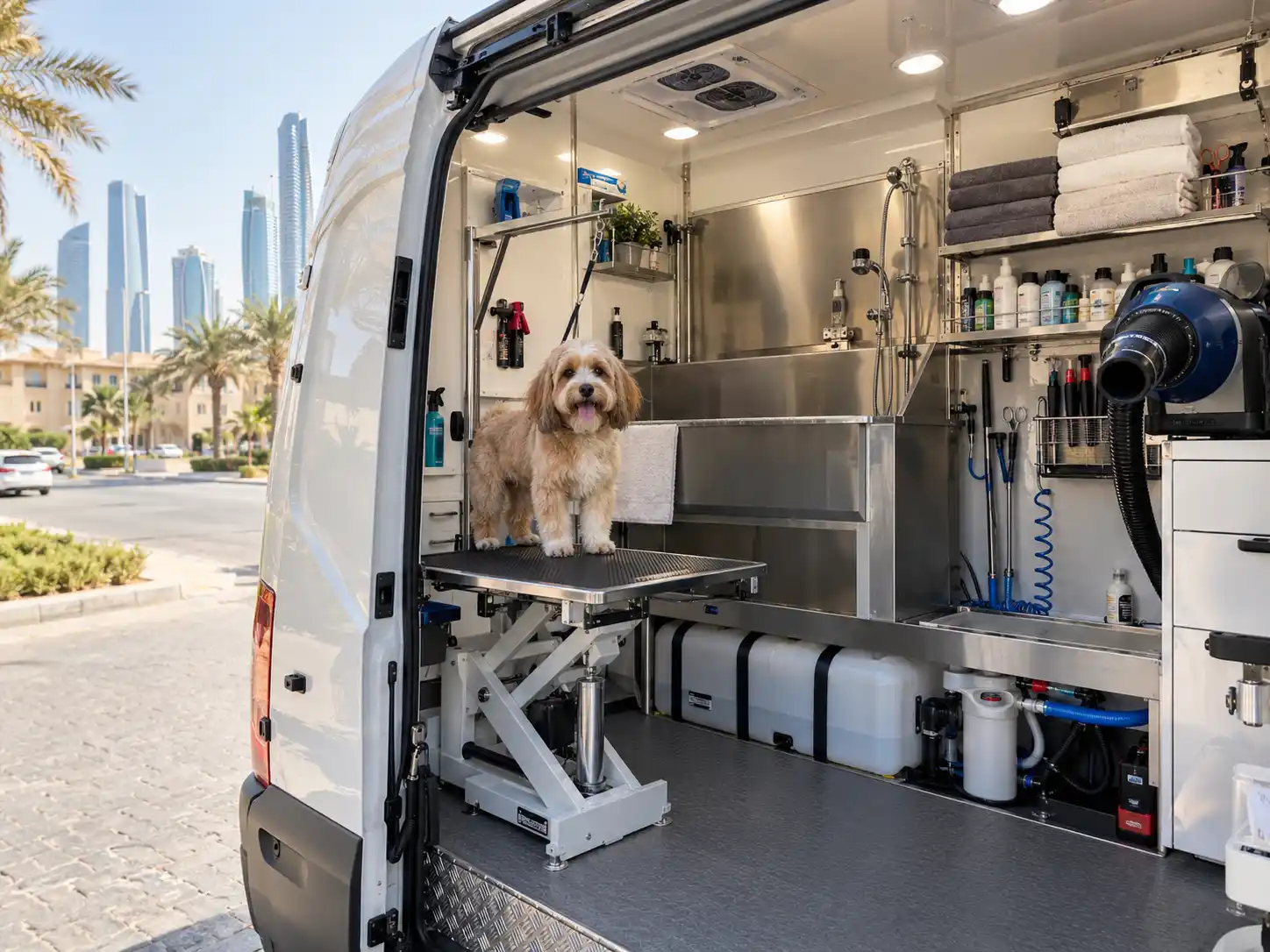
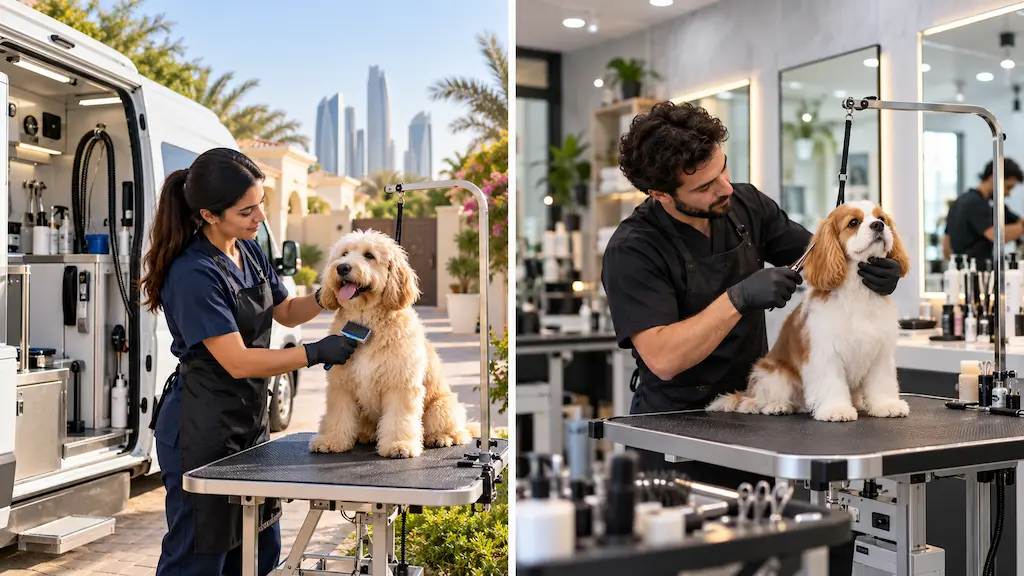
- Mobile grooming available for dogs with health concerns one dog, one home, zero contact with other animals
Follow standards like these and the transmission risk during a grooming session drops dramatically.
Should you groom a dog that has papillomas?
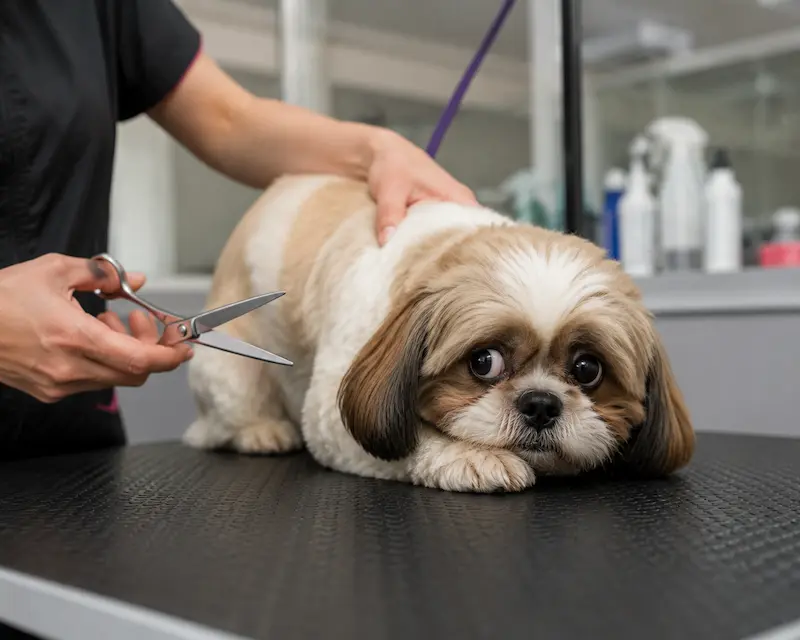
Check with your vet first. Light, gentle grooming is often fine, but aggressive grooming near a wart can cause irritation or bleeding which both hurts your dog and releases virus that can spread to surfaces and other pets. The rule I follow on the table: work gently, steer clear of the growths themselves, and never scrape or catch a wart with a blade or comb.
Tips for dog owners in Abu Dhabi
- Tell your groomer if your dog has, or recently had, papillomas every time.
- Skip communal spots like dog parks, daycare, and boarding until the warts have cleared, since these are prime transmission grounds.
- Support your dog’s immune system with good nutrition a strong immune response is what clears the virus, and helps rule out other skin issues (our guide on dog mange and other contagious skin conditions is a useful companion read).
- Choose an experienced, hygienic salon the disinfection routine is the whole ballgame here.
About Groom Room Abu Dhabi
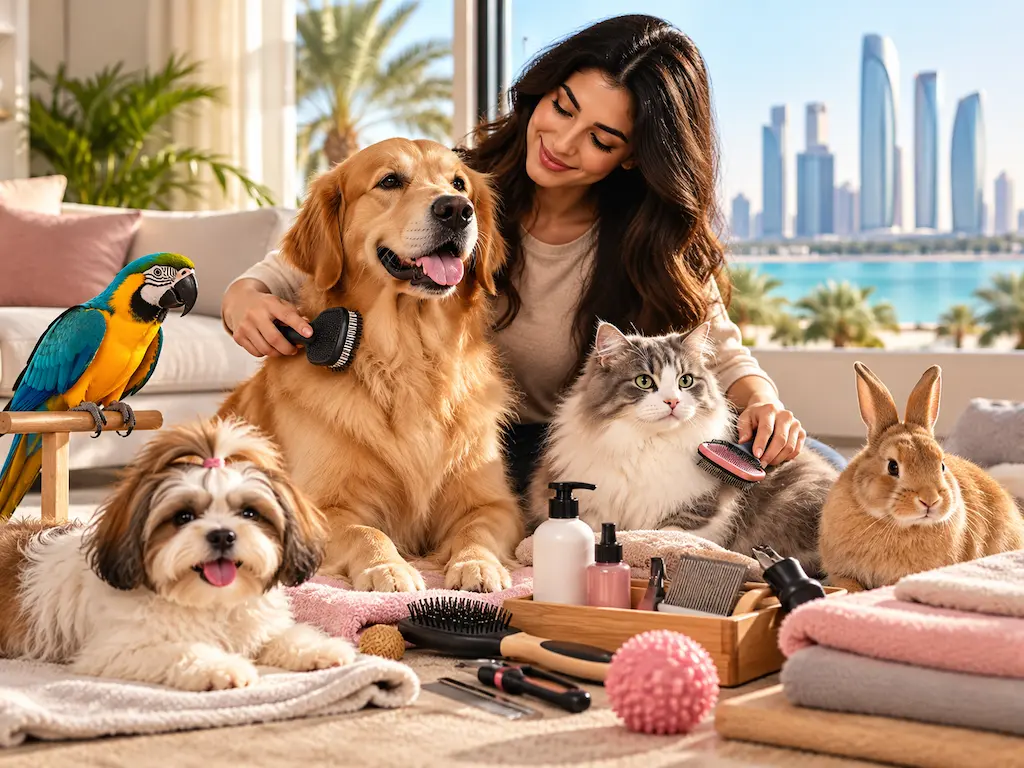
Groom Room offers professional, hygienic grooming for:
- Dog Grooming
- Cat Grooming
- Bird Grooming
- Mobile Grooming across Abu Dhabi
Our team is trained to handle pets with care including those with medical concerns like papillomas , in a clean, safe environment.
Frequently asked questions
Is dog skin papilloma contagious to other pets? It’s contagious between dogs, but not to humans or cats, the canine papillomavirus is species-specific. So your cat and your family are safe, but other dogs in the home or at the park are not.
Can I groom my dog at home if it has papillomas?
Yes, gently, but sanitise your tools thoroughly afterward and avoid touching or catching the warts directly. Keep the affected dog’s brushes, towels, and bowls separate from any other dog’s until the warts clear.
How long do dog papillomas last?
Most resolve on their own within a few weeks to a couple of months as the immune system clears the virus. If they’re still present after about three months, ask your vet a biopsy can confirm they’re truly papillomas.
How soon after exposure do warts appear?
Usually about four to six weeks. Because of that lag, a dog can carry the virus and look perfectly healthy for over a month, which is why good salon hygiene protects every dog, not just visibly affected ones.
Are mobile grooming services safer for dogs with skin conditions?
Yes. Mobile grooming means your dog is groomed alone at home with no contact with other animals ideal for a dog with papillomas or any contagious skin condition.
Should I be worried if I find a wart on my dog?
Usually not most are benign and clear up on their own. But have your vet confirm the diagnosis, since not every bump is a papilloma, and see them sooner if it bleeds, grows quickly, or bothers your dog.
Conclusion
Dog skin papillomas are common and, in most cases, entirely manageable. The key is prevention and hygiene. Grooming can spread the virus if a salon cuts corners but with the right grooming partner, one that disinfects rigorously and knows how to handle affected dogs, that risk is minimal. Always choose groomers who understand your pet’s medical needs and take cleanliness seriously.