
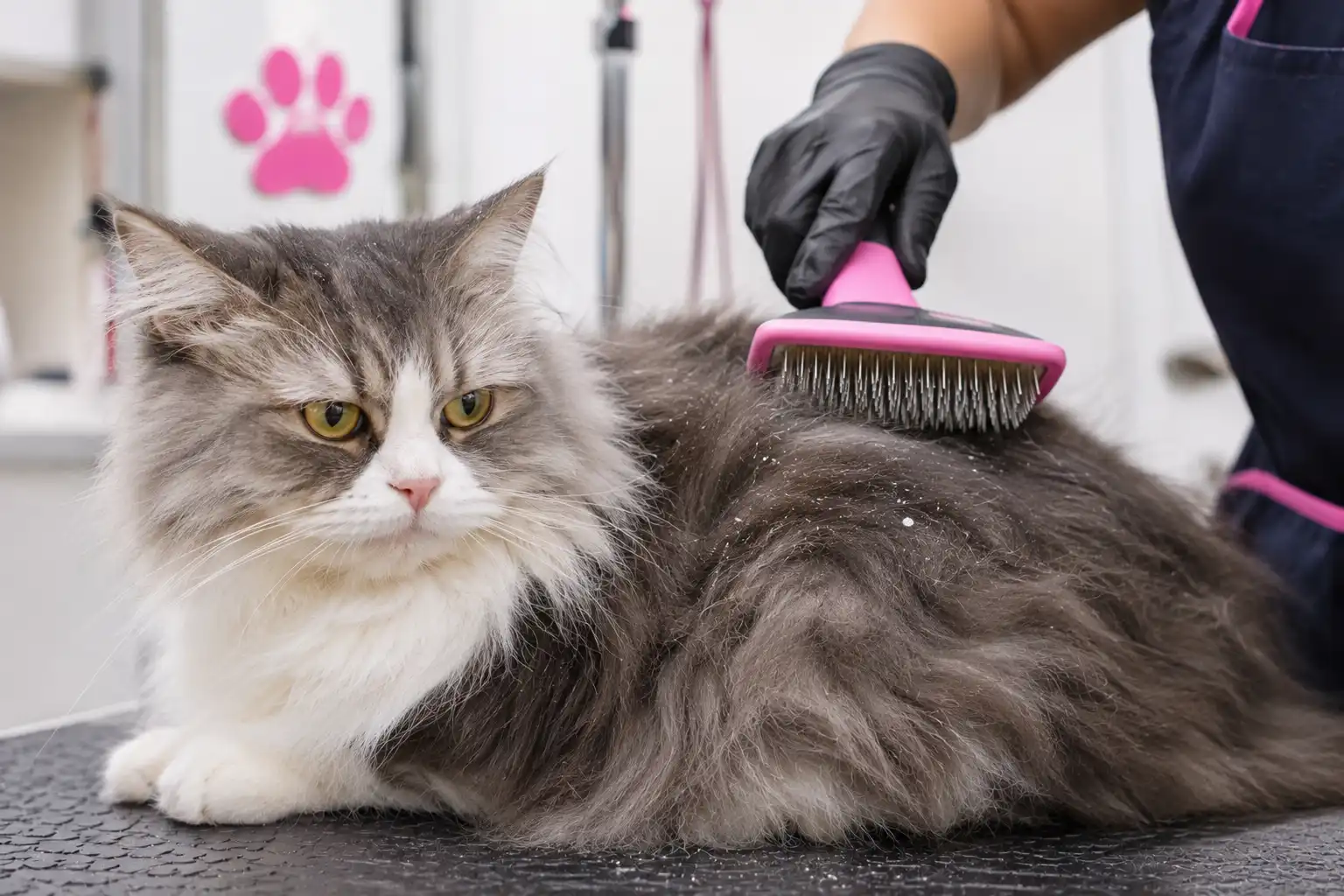
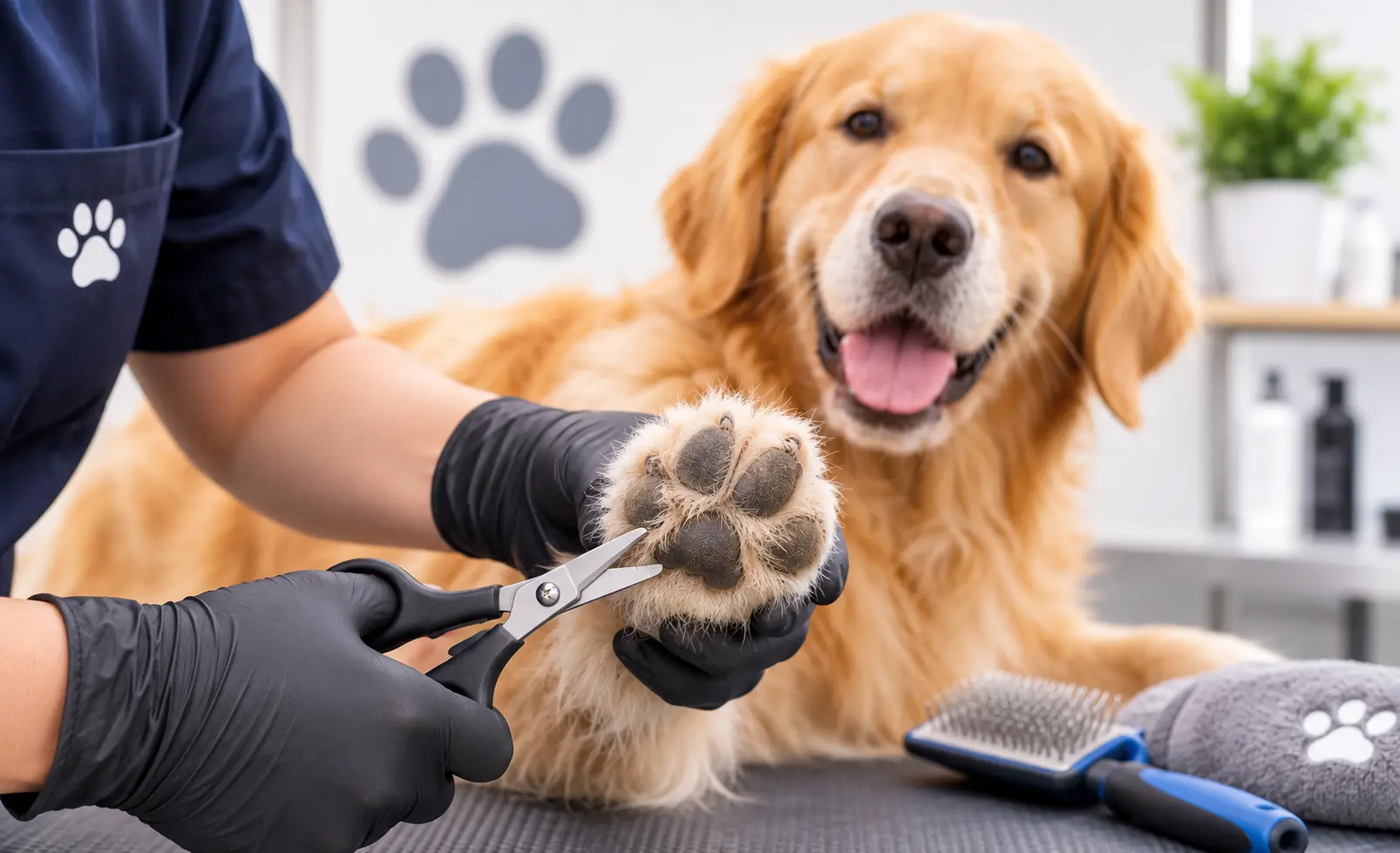
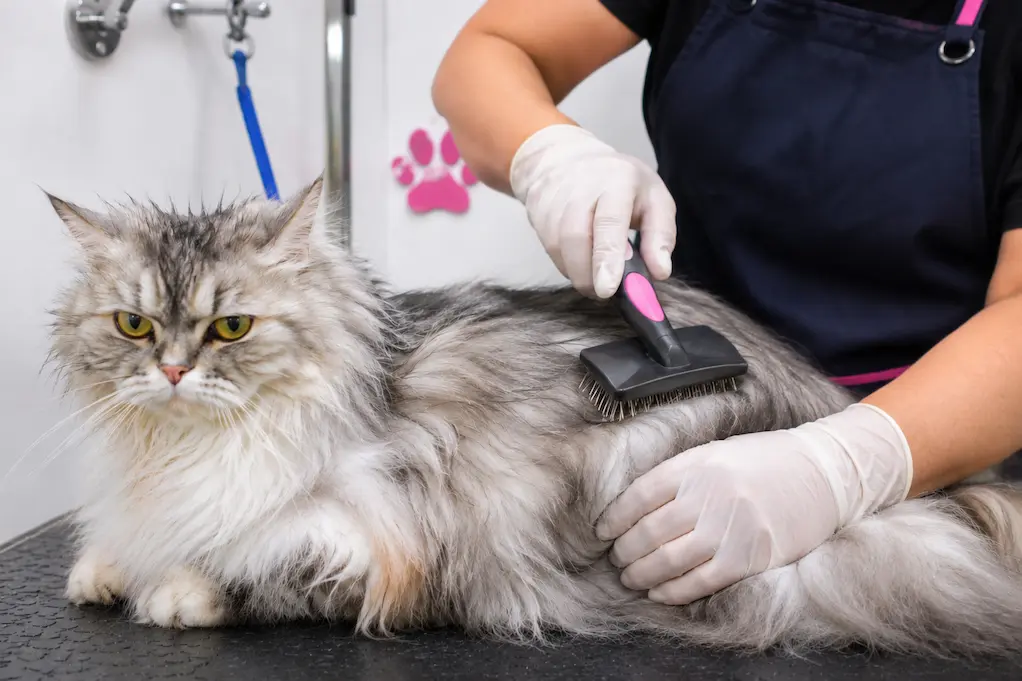
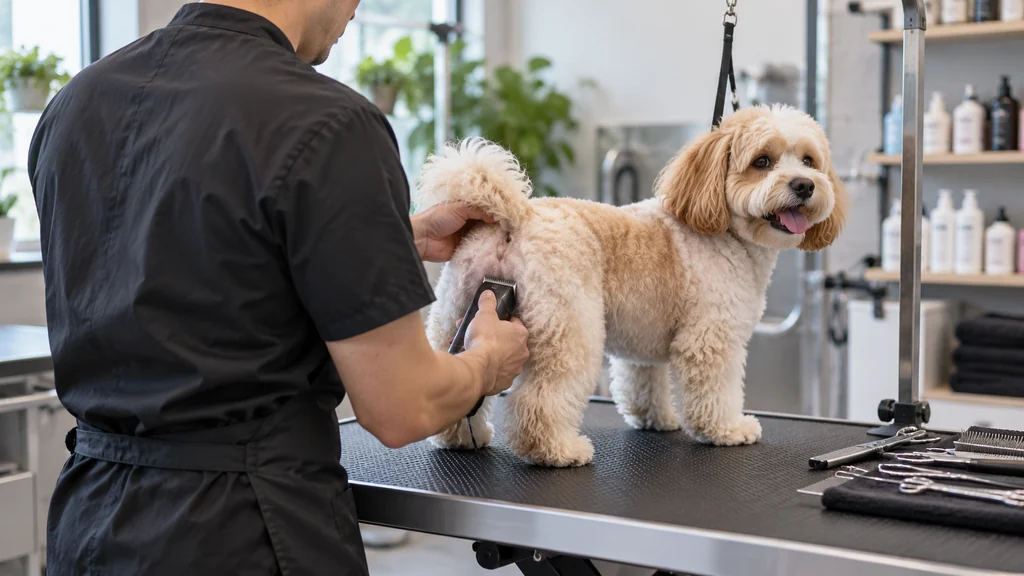






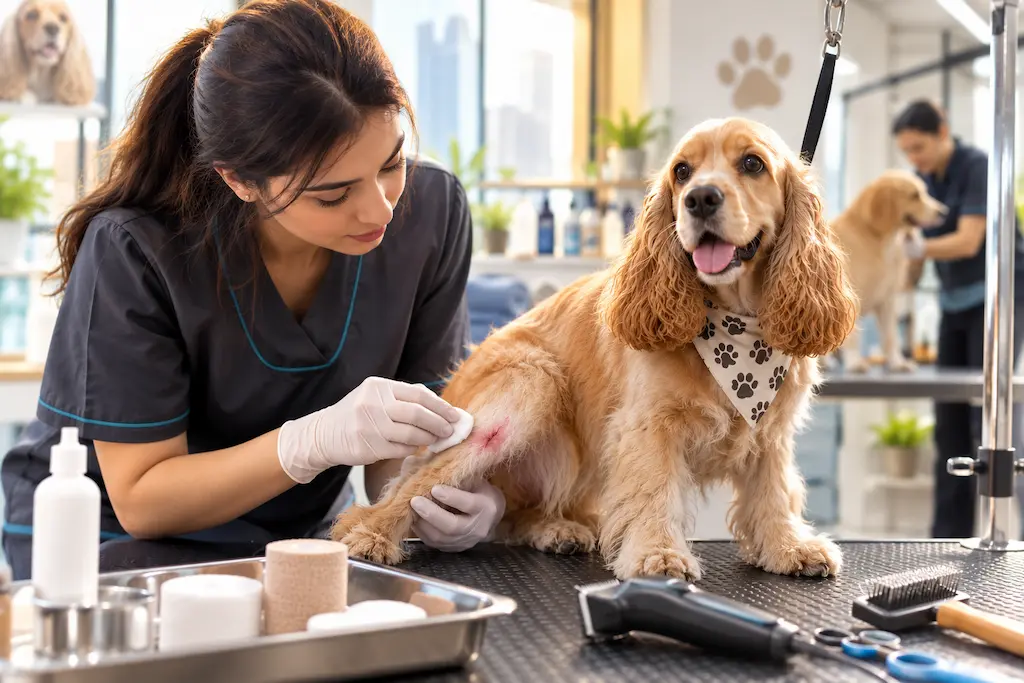
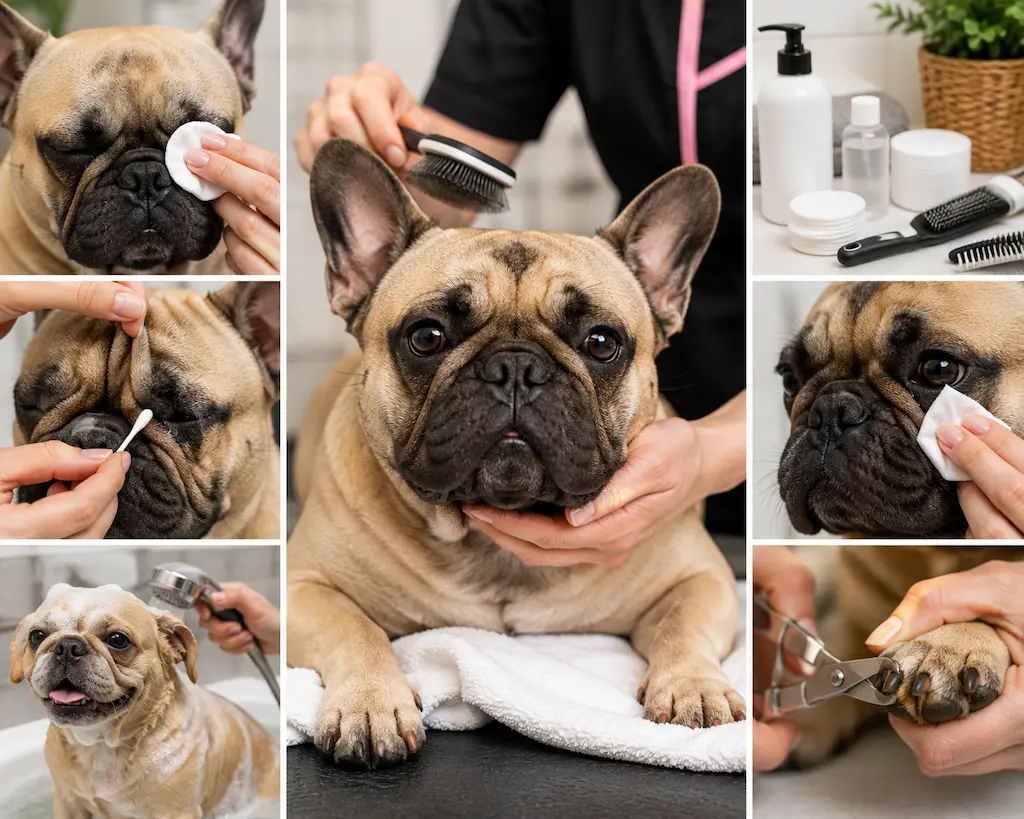
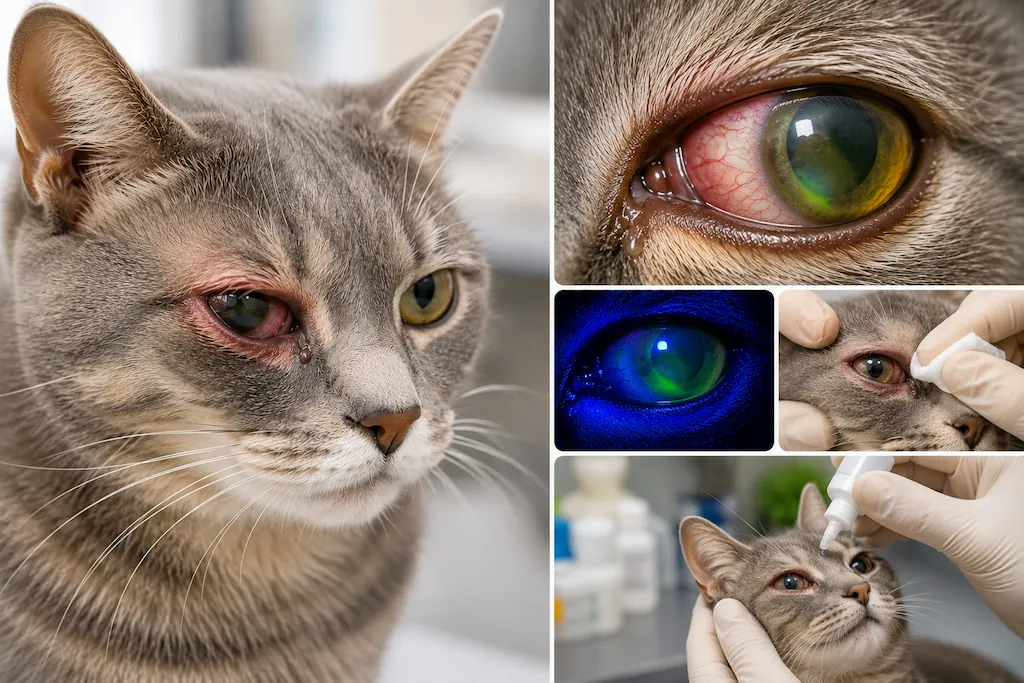
A big part of my week is grooming puppies and kittens on their very first visit wide-eyed little things, often here right around the age they’re getting their early vaccinations. And I always tell their owners the same thing: the grooming table and the vet’s table are two halves of the same job. Both are about building a healthy, well-cared-for pet from day one.
I’m a groomer, not a vet, so I’ll leave the exact vaccine schedule to your clinic. But I see every day what preventive care does for a pet and vaccinations are one of its cornerstones. Alongside regular pet grooming in Abu Dhabi, keeping shots up to date is simply part of responsible ownership. Here’s what every owner should understand.
What are vaccines, really?
Think of a vaccine as a training drill for your pet’s immune system. It introduces a harmless or weakened piece of a disease so the body learns to recognise it without your pet ever getting sick. Then, if the real threat ever shows up, the immune system already knows how to fight it off.
That “practice run” is the difference between a mild non-event and a serious, sometimes fatal, illness.
Core vs optional vaccines
Not all vaccines are equal. Core vaccines are recommended for every dog or cat because they guard against severe, common diseases. Non-core (optional) vaccines depend on your pet’s lifestyle and risk.
| Core vaccines | Common non-core vaccines | |
|---|---|---|
| Dogs | Rabies, distemper, parvovirus (and typically adenovirus/hepatitis) | Kennel cough (Bordetella), leptospirosis |
| Cats | Rabies, feline herpesvirus, calicivirus, panleukopenia | Feline leukaemia (FeLV) |
Your vet decides which non-core vaccines your pet actually needs a dog that boards or socializes often, for instance, may need kennel cough protection.
When should dogs and cats be vaccinated?
Timing is everything with immunity.
Puppies and kittens typically start at around 6–8 weeks, with a series of shots every 3–4 weeks until about 16 weeks. This early schedule matters because the immunity they inherit from their mother fades over time, leaving a window where they’re vulnerable.
Adult pets need boosters too usually every 1–3 years depending on the vaccine and your vet’s advice to keep immunity strong, especially if your pet meets other animals or changes environment
Why indoor pets need vaccines too
It’s tempting to assume an indoor cat or dog is safe but disease finds its way in.
- Hidden entry points: Infections travel in on visitors, other pets, contaminated items, and insects. Your pet doesn’t have to go outside to be exposed.
- Health and cost benefits: A vaccinated pet stays healthier, which means lower vet bills and far less stress than treating a preventable illness.
- Protecting the whole household: Staying current reduces the risk of an outbreak that could affect other pets and some diseases, like rabies, are a human risk too.
Frequently asked questions
Do indoor cats and dogs really need vaccines?
Yes. Diseases can enter your home on people, other pets, objects, and insects, so indoor pets still need core protection. Rabies vaccination is also legally required for pets in Abu Dhabi.
When should I start vaccinating my puppy or kitten?
Usually around 6–8 weeks, followed by boosters every 3–4 weeks until about 16 weeks. Your vet will set the exact schedule.
How often do adult pets need booster shots?
Typically every 1–3 years, depending on the specific vaccine and your vet’s recommendation.
Is pet vaccination mandatory in Abu Dhabi?
Rabies vaccination is a legal requirement, and since February 2026 all dogs and cats in Abu Dhabi must be microchipped and registered via TAMM, with annual renewal. Check the official portal or your vet for current details.
What’s the difference between core and non-core vaccines?
Core vaccines protect against serious, common diseases and are advised for every pet. Non-core vaccines are added based on your pet’s lifestyle and risk your vet decides which apply.
Conclusion
Vaccines shield our pets from a long list of dangerous diseases and starting early, keeping boosters current, and protecting even indoor pets is what keeps your whole household and community safer. Combined with regular grooming and routine vet check-ups, vaccination is a foundation of responsible pet care.
Talk to your vet about the right schedule for your pet and when it’s time for a groom, we’re here.