
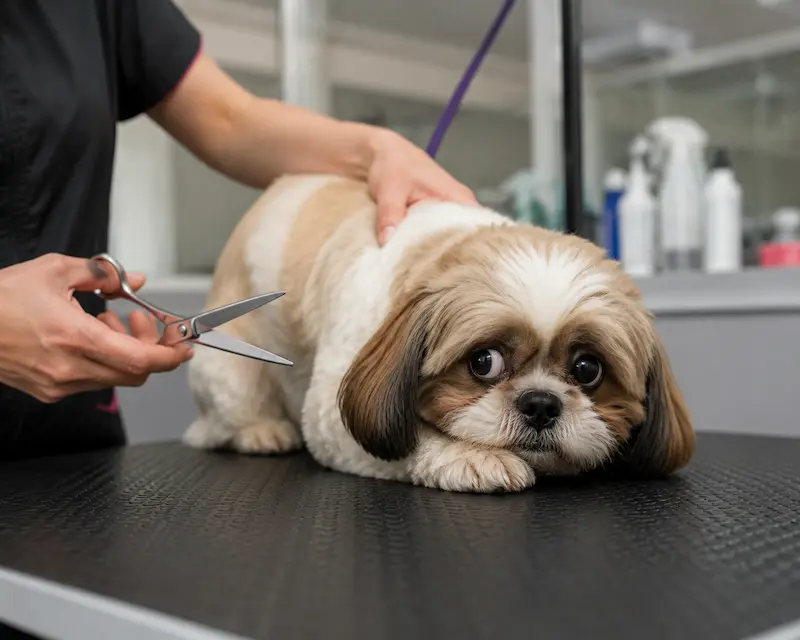

The first time Layla brought her two-year-old rescue terrier in for a trim, he wouldn’t stop wriggling. Every time the clippers came near his paws, he twisted, yelped, and tried to leap off the table. What should have been a 45-minute groom stretched into an hour and a half, with Layla anxiously watching from the waiting area, worried her dog was in pain rather than just scared. The problem wasn’t the clippers, and it wasn’t the groomer’s technique. It was that her dog had never been properly, gently secured, so every unfamiliar sensation felt like a threat he had to escape.
That’s a scene groomers across Abu Dhabi see almost daily. Grooming is an essential part of pet care, keeping your dog or cat clean, healthy, and comfortable, and expert pet grooming in Abu Dhabi plays a real role in their overall well-being. But keeping a nervous or hyperactive pet still during that process is often the hardest part of the job. This is where pet strapping comes in: a safe, controlled way to keep your furry friend secure and calm during grooming, so the session is quicker, safer, and far less stressful for everyone involved.
In this guide, we’ll walk through why pet strapping matters, the different types groomers use, and the best practices that keep it safe and comfortable.
Why Pet Strapping is Important
Pet strapping is designed to provide stability and control during grooming, preventing sudden movements that could lead to injuries. Here’s why it is crucial:
- Prevents Accidents: A well-secured pet is less likely to jump or slip, reducing the risk of injuries.
- Reduces Grooming Time: Strapping minimizes unnecessary movements, making grooming quicker and more efficient.
- Enhances Pet Comfort: Proper strapping techniques ensure that your pet feels secure and calm throughout the process.
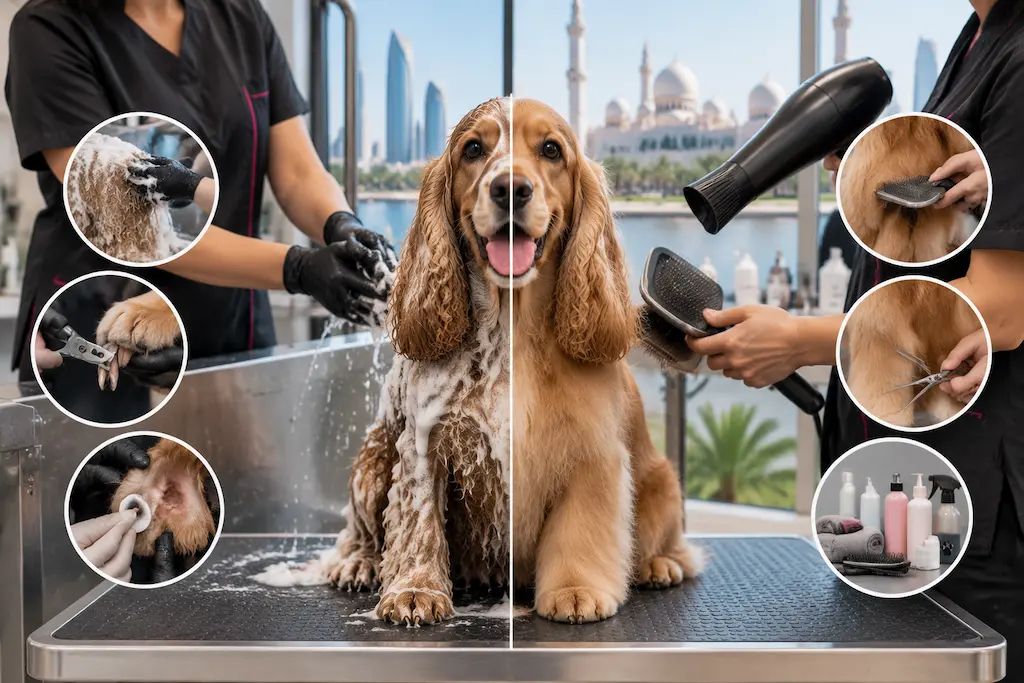
- Improves Grooming Quality: With minimal movements, groomers can achieve better precision when trimming, brushing, and bathing.
Types of Pet Strapping
There are various types of pet strapping tools available, each suited for different grooming needs:
1. Grooming Loops
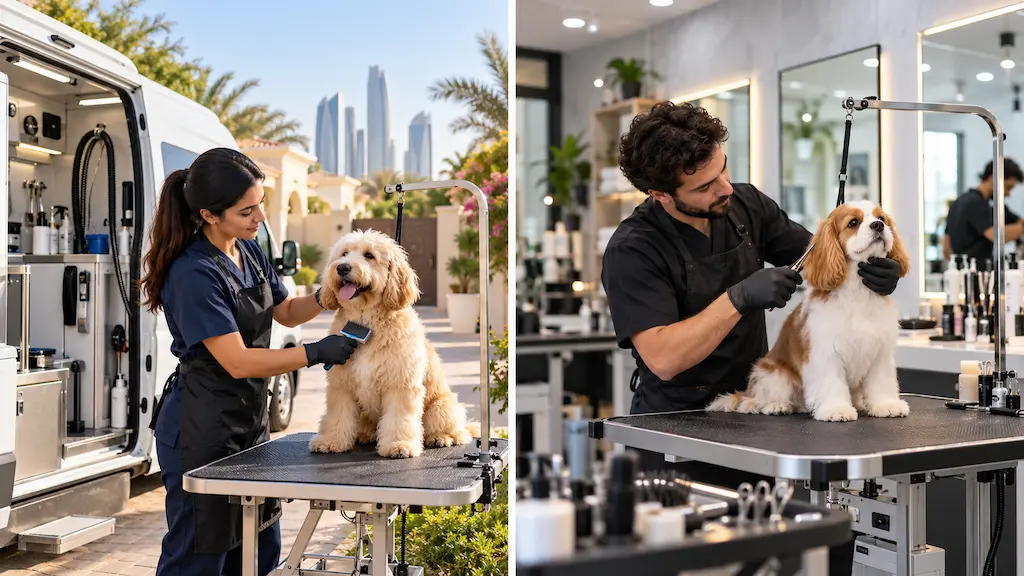
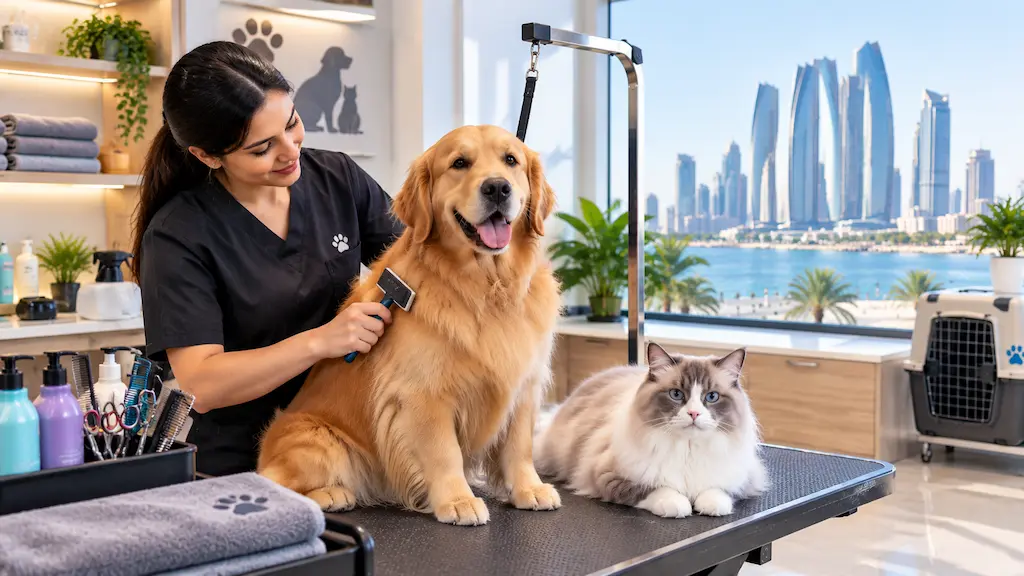
Grooming loops are adjustable straps that gently hold your pet in place, usually attached to a grooming table arm. They are ideal for professional grooming and at-home use.
2. Hammock Restraints
For pets that need extra stability, a grooming hammock allows them to be suspended gently, keeping their legs still while providing comfort.
3. Harnesses
A harness-style restraint evenly distributes pressure across the pet’s body, preventing strain on the neck and ensuring a secure hold.
4. Slip Leads
These are simple yet effective straps that help control pets while grooming, especially during nail trimming or bathing.
5. Adjustable Grooming Arms
A grooming arm with a secure strap keeps pets in an upright position, preventing excessive movement and promoting stability.
Best Practices for Safe Pet Strapping
Using pet strapping correctly is key to ensuring a safe and comfortable grooming experience. Follow these best practices:
- Choose the Right Strap: Select a strap appropriate for your pet’s size, breed, and temperament.
- Adjust for Comfort: The strap should be snug but not too tight. Ensure it allows your pet to breathe comfortably while keeping them secure.
- Supervise at All Times: Never leave a strapped pet unattended to avoid potential risks.
- Use Positive Reinforcement: Reward your pet with treats and praises to create a positive grooming experience.
- Check for Signs of Discomfort: If your pet shows signs of stress or distress, adjust the strap or try a different method.
- Keep Sessions Short: Long grooming sessions can be tiring; keep them brief and enjoyable for your pet.
Frequently Asked Questions
Is pet strapping safe for all pets?
Yes, when used correctly. Strapping is designed to keep pets secure, not restricted, and groomers adjust the type and tightness based on your pet’s size, breed, and temperament. Pets who are especially anxious or have health conditions may need a gentler approach, which a professional groomer can judge on the spot.
Will strapping hurt or scare my pet?
No, not when fitted properly. A correctly adjusted strap should feel snug, not tight, and shouldn’t restrict breathing or movement. Most pets settle quickly once they realize it’s simply holding them steady, especially with positive reinforcement during the session.
Can I use pet strapping at home, or should I leave it to professionals?
Basic tools like grooming loops or slip leads can be used at home with care, but hammock restraints, harness-style restraints, and grooming arms are best handled by an experienced groomer who knows how to fit and monitor them safely.
What if my pet still won’t stay calm even with strapping?
Some pets need more than a strap to feel comfortable. Short sessions, breaks, treats, and a familiar environment all help. If anxiety persists, professional groomers are trained to work with nervous or hyperactive pets using calmer, more patient handling techniques.
Does strapping work for both dogs and cats?
Yes. The type used often differs. Dogs are commonly secured with grooming loops or harnesses, while cats may do better with a hammock restraint or gentler hold, given how differently the two species respond to restraint.
Conclusion
Pet strapping isn’t about restraint for its own sake. It’s a safety tool that makes grooming faster, more precise, and far less stressful for your pet. Choosing the right type of strap, adjusting it properly, and staying attentive throughout the session are what separate a calm grooming experience from an anxious one.
That said, technique and experience matter just as much as the equipment. A trained groomer knows how to read your pet’s body language, adjust on the fly, and know when to pause. If you’d rather leave the strapping, handling, and grooming to professionals, The Groom Room offers expert dog grooming and cat grooming in Abu Dhabi with equipment and techniques suited to even the most nervous or hyperactive pets.