


In over a decade of grooming cats professionally, offering pet grooming in Abu Dhabi, I’ve fielded this question more times than I can count, usually from an owner who’s just discovered a mess and wants to know if there’s a “trick” to it. There is, and it’s backed by more than just experience. Research published in the Journal of Feline Medicine and Surgery identifies house soiling as one of the most commonly reported feline behavior problems, and incomplete odor removal from a prior accident is one of the leading reasons cats return to the same spot. Veterinary behaviorists consistently point to the same root cause I see in client homes: standard cleaners lift the visible mess but leave behind uric acid crystals and scent compounds that a cat’s nose can still detect long after the stain looks gone to a person.
That’s the reason I always tell clients that cleanup order and method matter as much as speed. If you’re a cat owner, accidents on the carpet are bound to happen, whether due to an upset stomach, a litter box mishap, or even after a cat grooming session. Cleaning cat poop quickly and correctly, using the right sequence of steps, is what actually prevents both a lingering odor and a repeat incident. Here’s the process I walk my own clients through.
Here’s a step-by-step guide to cleaning it up quickly, thoroughly, and without leaving a lingering smell behind.
Step 1: Act Quickly
The sooner you address the stain, the easier it will be to remove. Fresh stains are less likely to set in and cause long-term odors.
- Put on disposable gloves to maintain hygiene.
- Gently scoop up solid waste with a paper towel or plastic bag.
- Be careful not to press the poop further into the carpet fibers.
Step 2: Remove Residual Waste
Even after picking up the solid portion, there may be some residue left behind.
- Use a dull knife, spoon, or scraper to lift away any remaining waste.
- Avoid rubbing, as this can push the stain deeper into the carpet.
Step 3: Apply a Cleaning Solution
A good cleaning solution helps break down stains and eliminates bacteria.
- Mix equal parts white vinegar and warm water for a natural cleaning option.
- Alternatively, use a pet-safe carpet cleaner.
- Apply the solution generously over the affected area and let it sit for 5 to 10 minutes.
Step 4: Blot and Rinse
Once the cleaning solution has worked its magic:
- Blot the area with a clean cloth or paper towel to absorb excess moisture.
- Rinse the area with cold water and continue blotting until the stain is no longer visible.
Step 5: Deodorize the Carpet
Even after cleaning, odors may linger.
- Sprinkle baking soda over the area and leave it for several hours or overnight.
- Vacuum thoroughly to remove the baking soda, leaving your carpet fresh.
Step 6: Use an Enzyme-Based Cleaner
For persistent stains and odors, enzyme-based cleaners are the best option. These cleaners break down organic matter at a molecular level, which matters for one specific reason: cats have an extremely sensitive sense of smell, and if any trace odor remains, even one undetectable to you, they’re more likely to treat that spot as an acceptable bathroom again. Enzyme cleaners remove the scent marker, not just the visible stain.
Why This Actually Works: The Science Behind the Smell
Regular soap and most all-purpose cleaners only mask odor or lift visible residue. They don’t break down the uric acid crystals and proteins left behind in waste, which is exactly what keeps drawing a cat back to the same spot. Veterinary behaviorists commonly point to incomplete odor removal as one of the top reasons a single accident turns into a repeated habit. That’s the whole logic behind Step 6: it’s not an optional extra, it’s the step that actually prevents a repeat incident.
This also explains why a carpet can look and even smell clean to a person, yet still get “reused” by the cat days later. If you’ve cleaned a spot thoroughly using vinegar or a standard cleaner and your cat keeps returning to it, that’s usually a sign an enzyme treatment is still needed, not that your cat is being difficult.
Preventing Future Accidents
To reduce the chances of future accidents, consider these tips:
- Maintain a Clean Litter Box: Make sure the litter box is always clean and placed in a quiet, accessible area. Cats are famously particular, and a dirty or poorly placed box is one of the most common triggers for accidents outside it.
- Monitor Your Cat’s Health: Digestive issues or stress can lead to accidents. If mishaps become frequent, consult a vet, since a sudden change in litter box habits can also be an early sign of a medical issue worth checking.
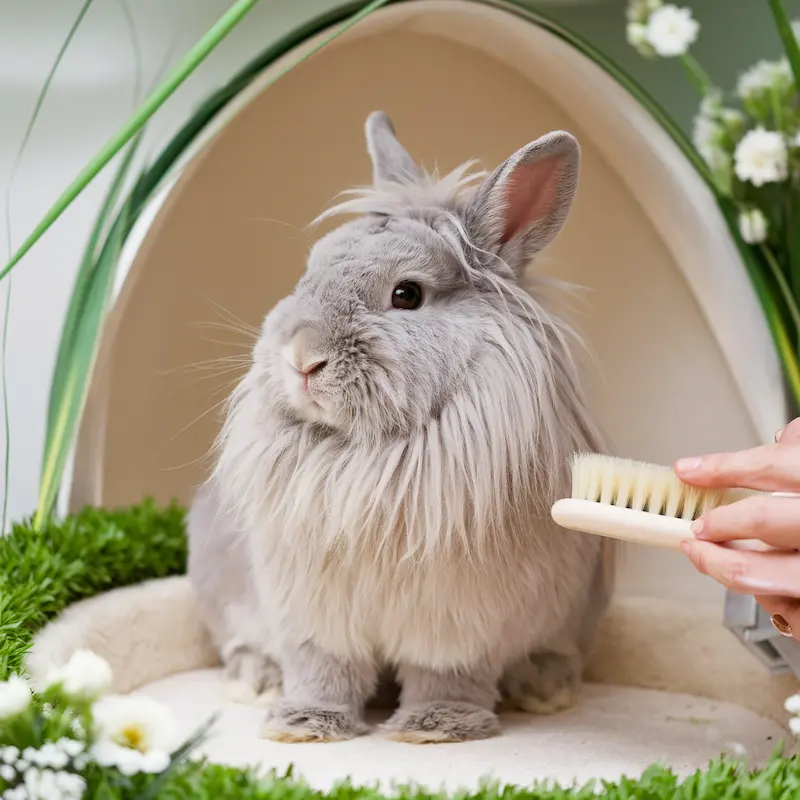
- Grooming Matters: Long-haired cats may need regular grooming to prevent fecal matter from sticking to their fur, which can otherwise get tracked across furniture and carpet long after the original mess is cleaned up.
Professional Grooming Services: The Groom Room
Keeping your cat well-groomed can prevent hygiene-related accidents before they start. If you’re in Abu Dhabi, Groom Room offers expert pet grooming services, ensuring your cat stays clean and healthy. Their services include:
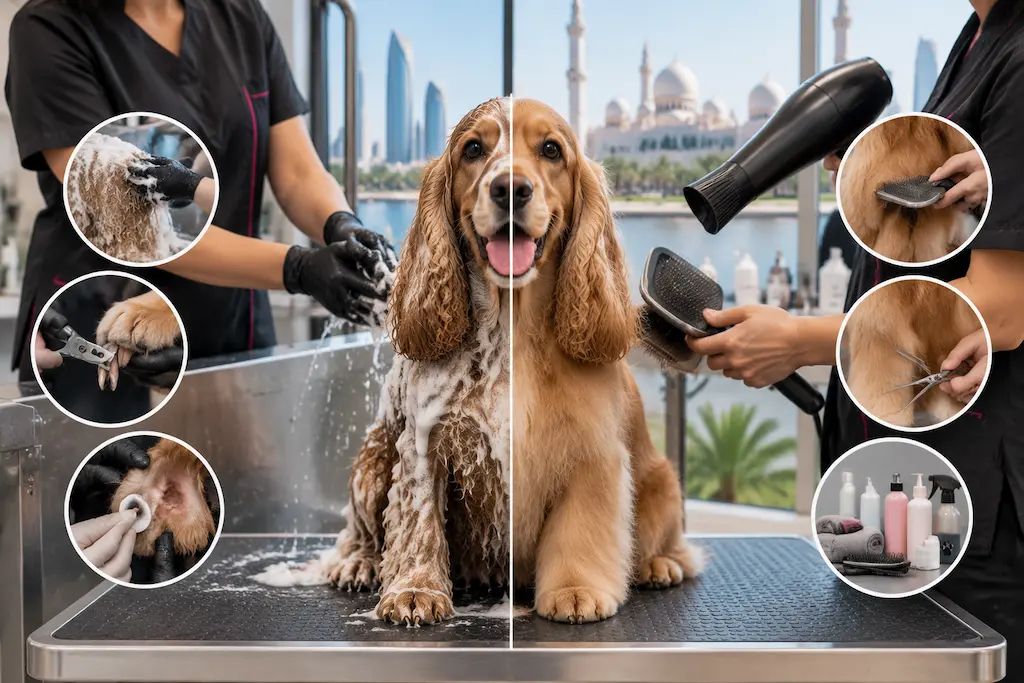
- Bathing & Shampooing: Using safe, pet-friendly products to keep your cat’s fur clean.
- Brushing & Deshedding: Reducing matting and loose fur.
- Nail Trimming & Ear Cleaning: Maintaining overall hygiene and preventing infections.
- Mobile Grooming: A convenient, stress-free grooming experience at your doorstep.
Frequently Asked Question
What’s the fastest way to remove a fresh cat poop stain from carpet?
Scoop up the solid waste immediately with gloves and a paper towel, then treat the area with a vinegar-and-water mix or pet-safe cleaner before it has time to set in.
Why does my cat keep going back to the same spot on the carpet?
Standard cleaners often leave behind trace odor compounds that a cat’s nose can still detect. An enzyme-based cleaner breaks down those compounds fully, which is usually the fix for repeat accidents in the same location.
Is vinegar safe to use on carpet for pet stains?
Yes, a mix of equal parts white vinegar and warm water is a safe, natural option for most carpets, though it’s worth testing on a small hidden area first if you’re unsure about colorfastness.
Could frequent accidents mean my cat is sick, not just being difficult?
Possibly. Sudden or repeated accidents outside the litter box can signal digestive issues, urinary problems, or stress. If it becomes a pattern, a vet visit is the right next step.
Can grooming really help prevent carpet accidents?
Indirectly, yes. Long-haired cats can carry waste residue on their fur after using the litter box, which then transfers to carpets and furniture. Regular grooming reduces that risk.
Conclusion
Cat accidents on carpet are inconvenient, but they’re rarely a crisis if you handle them in the right order: act fast, lift the residue, treat with the right solution, and finish with an enzyme cleaner so the smell (and the temptation to return to that spot) is actually gone, not just covered up.
Pair that cleanup routine with a clean litter box, an eye on your cat’s health, and regular grooming, and most accidents become rare, one-off events rather than a recurring headache. And if grooming is the missing piece, Groom Room’s team in Abu Dhabi is a solid place to start.