
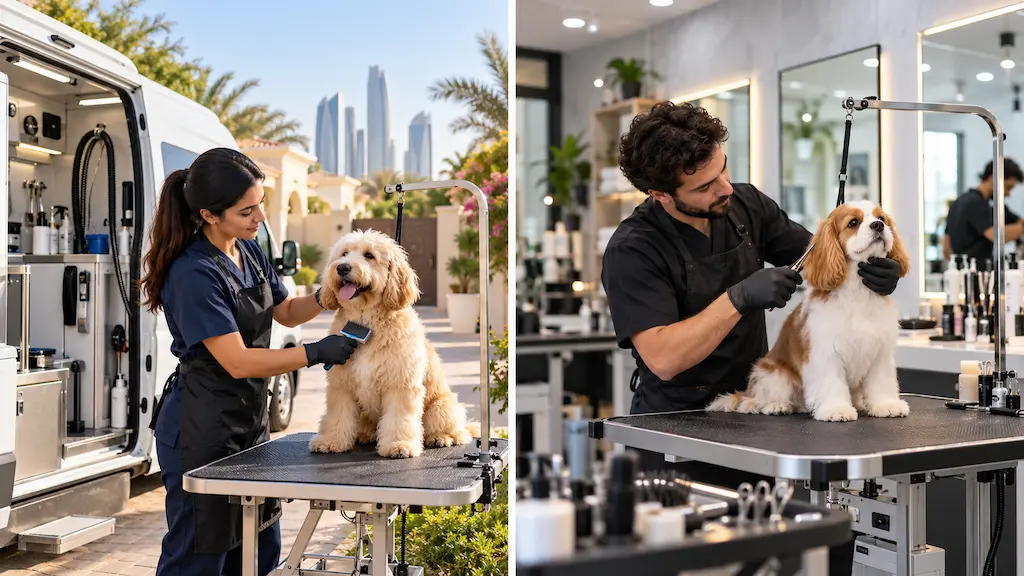
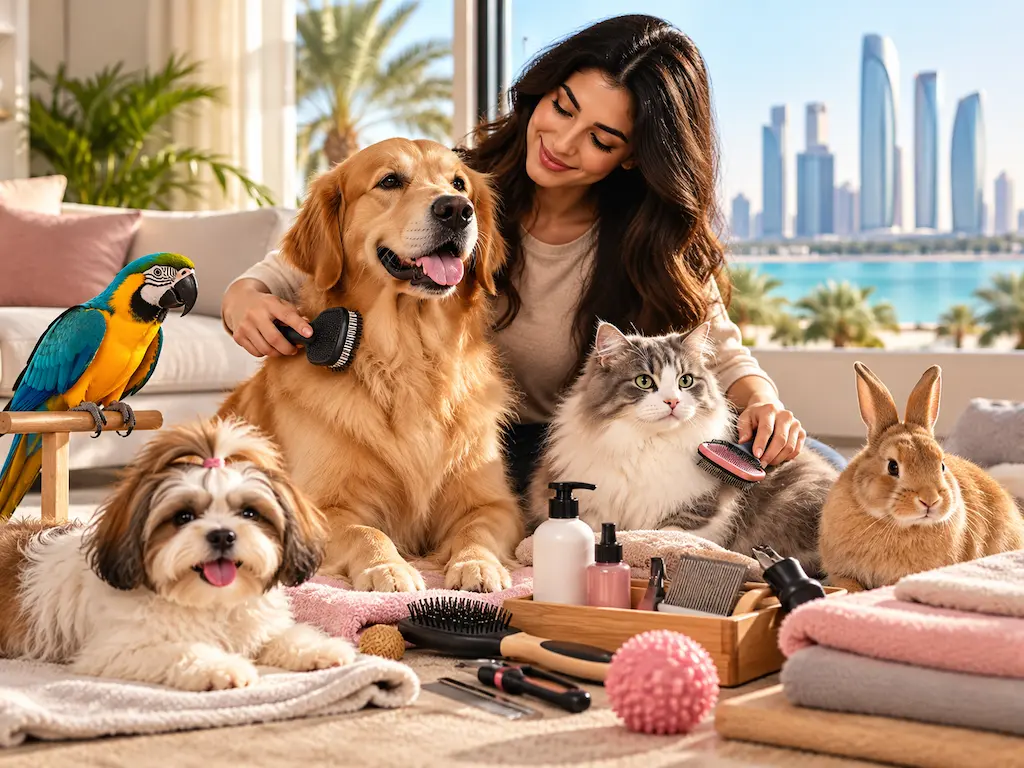
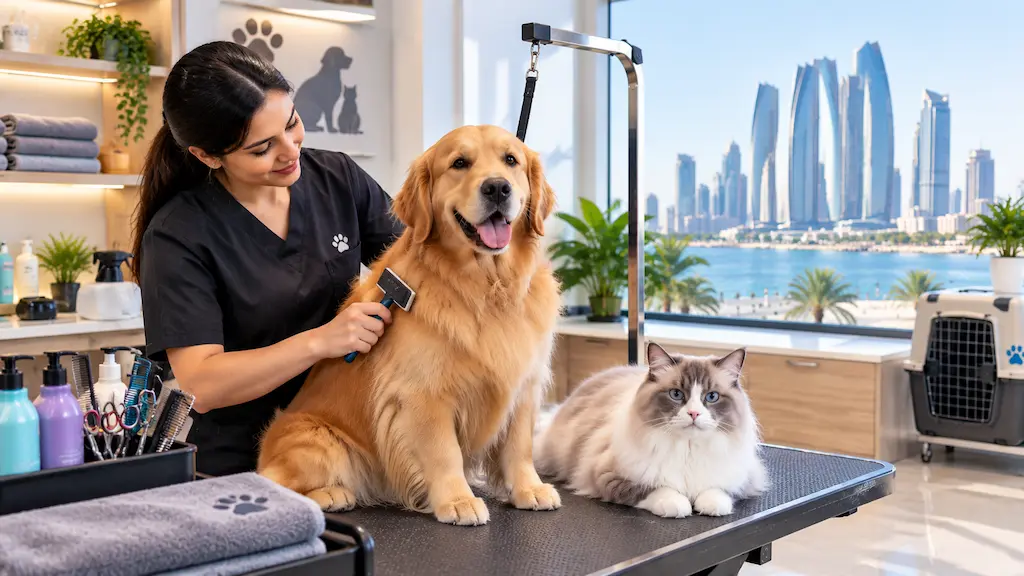
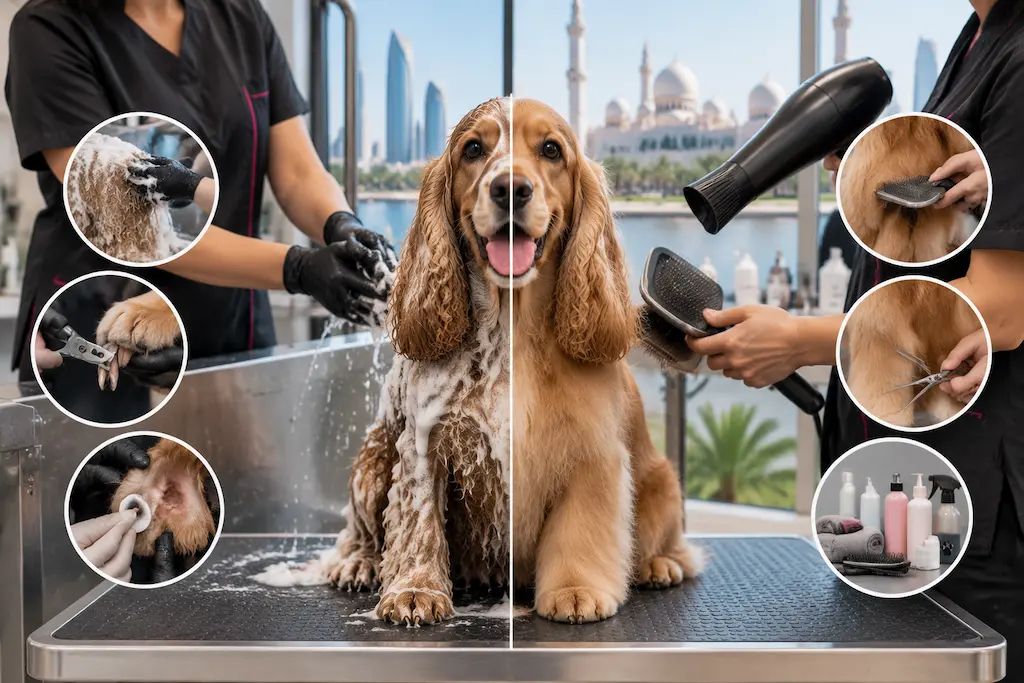
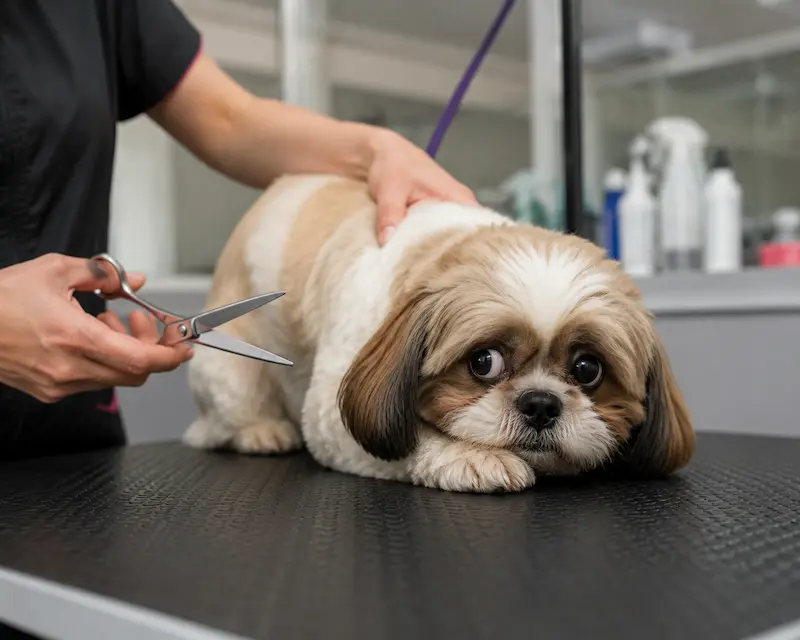

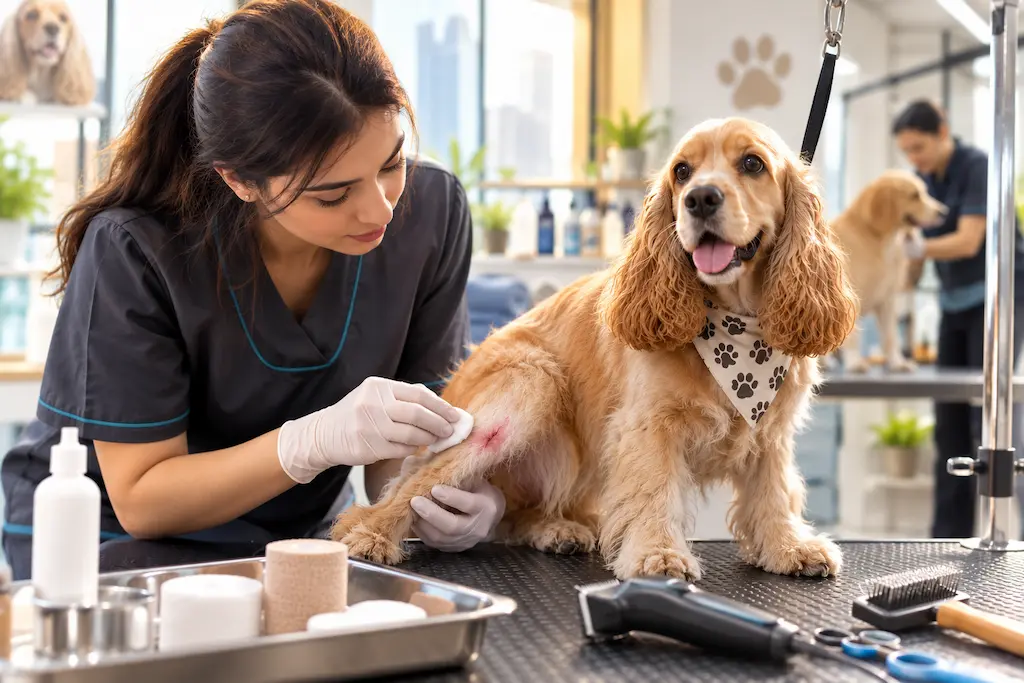
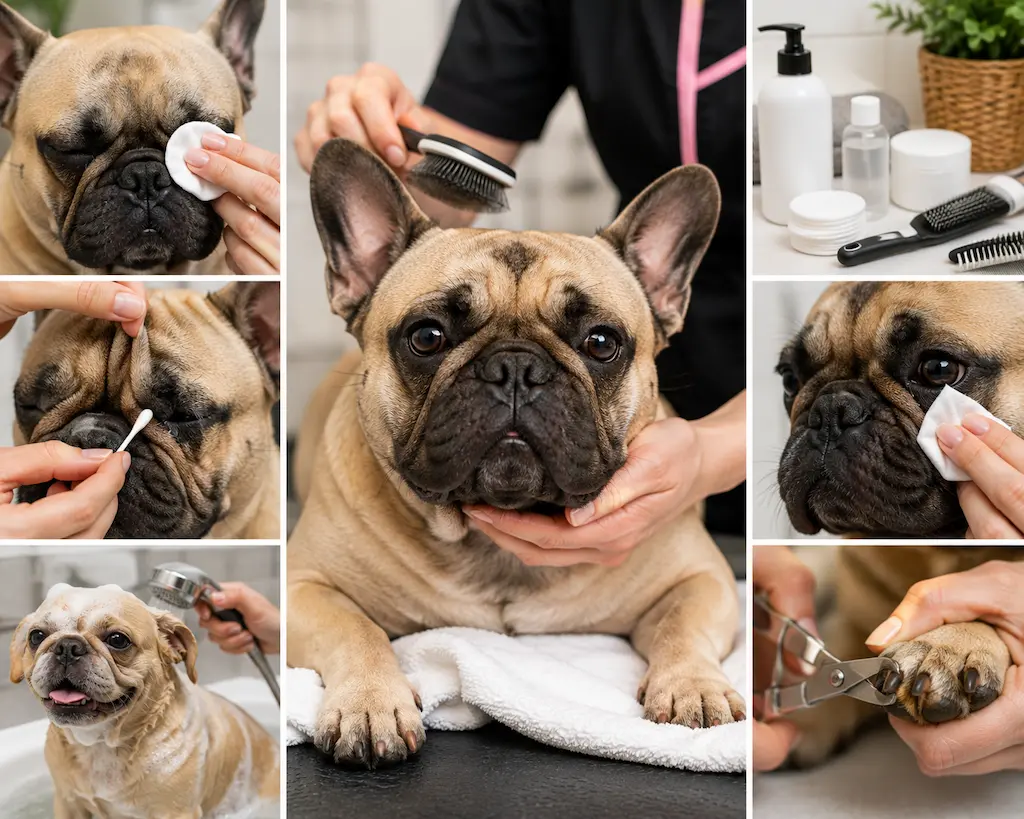
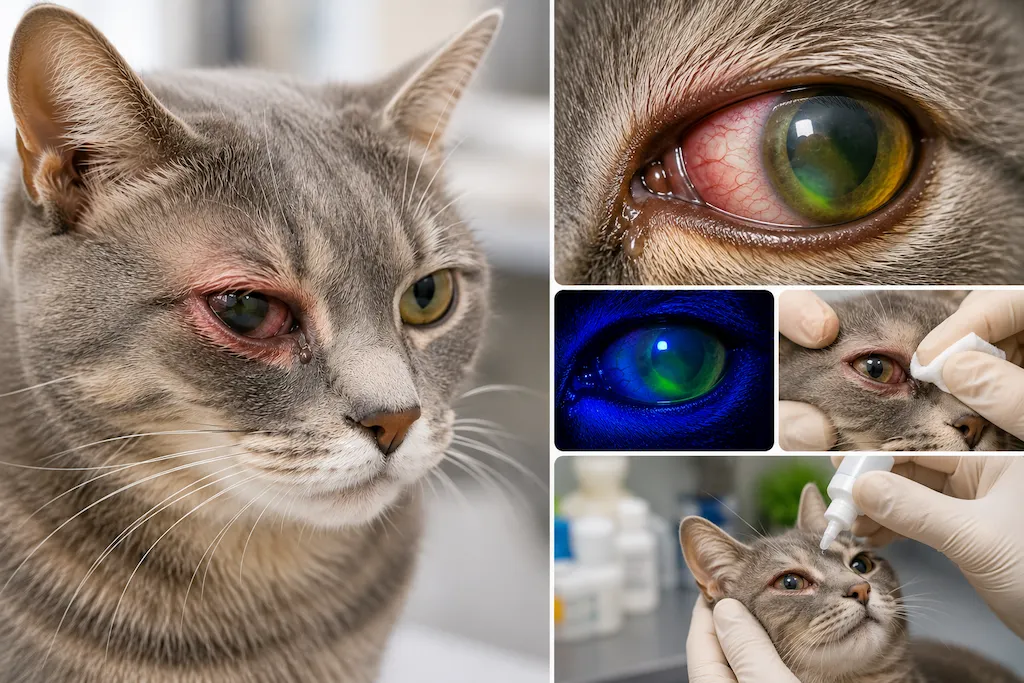
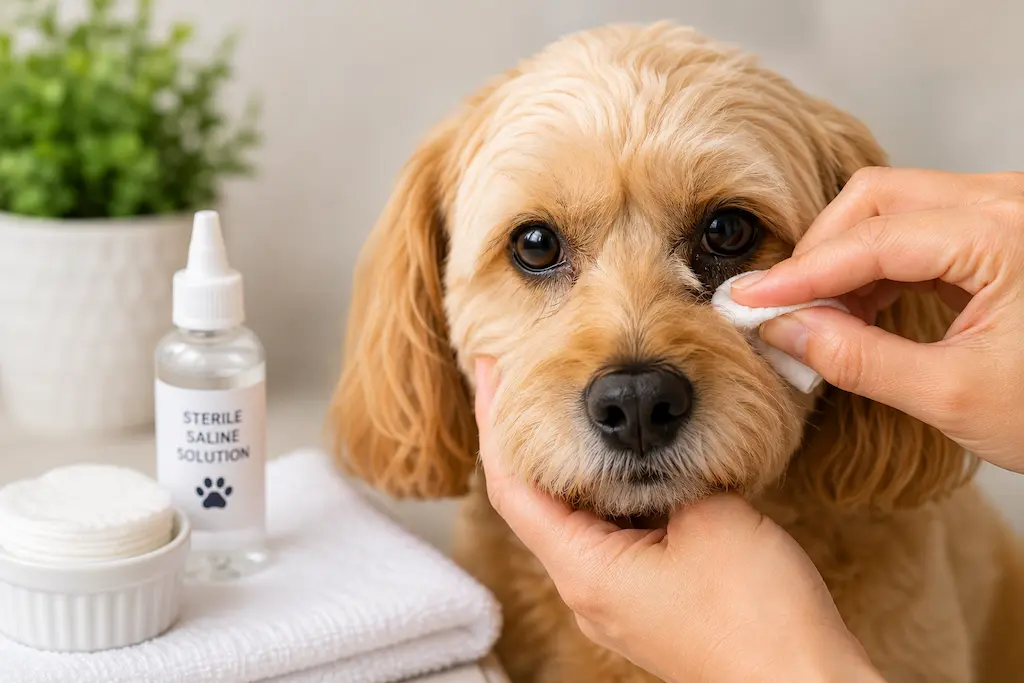

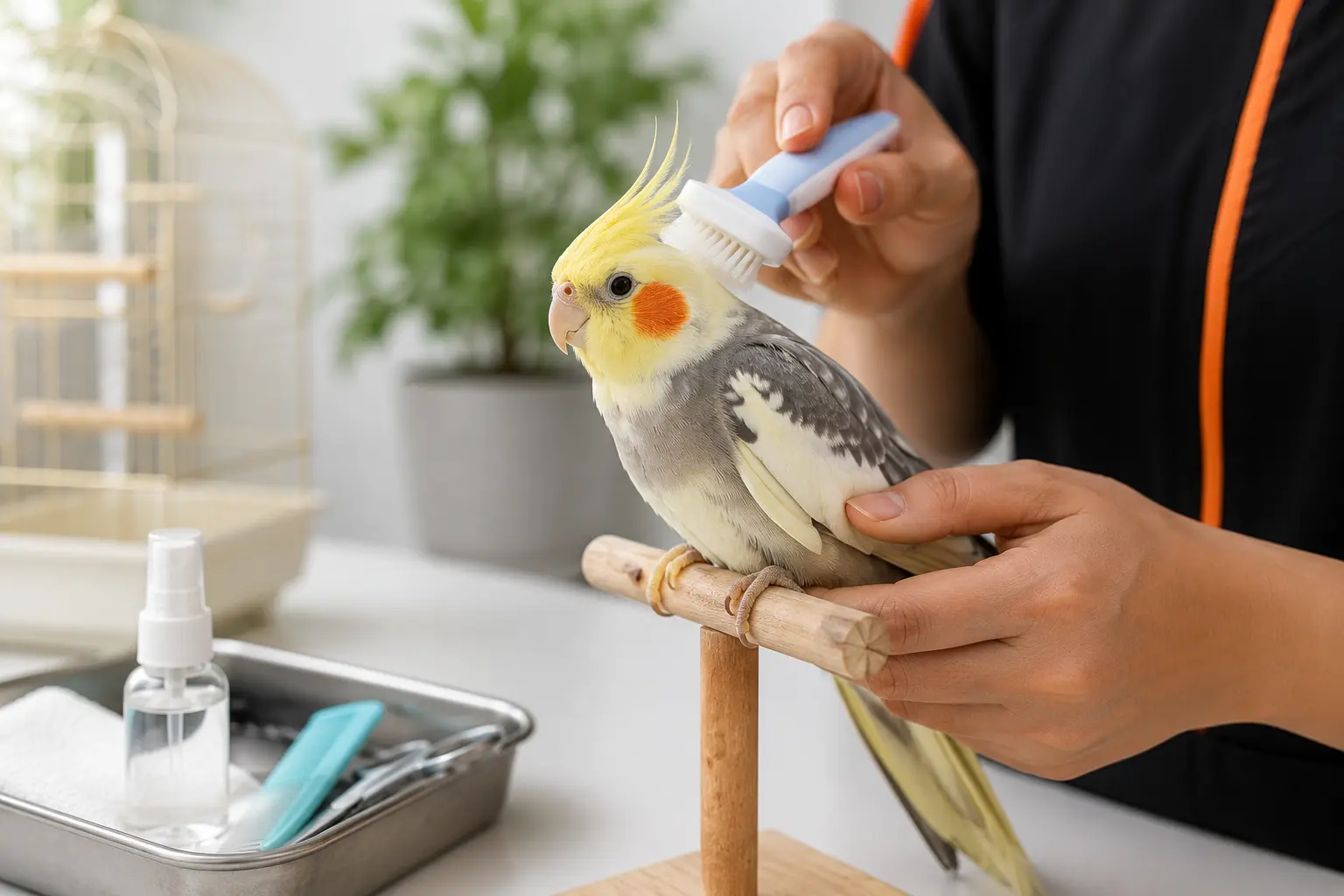
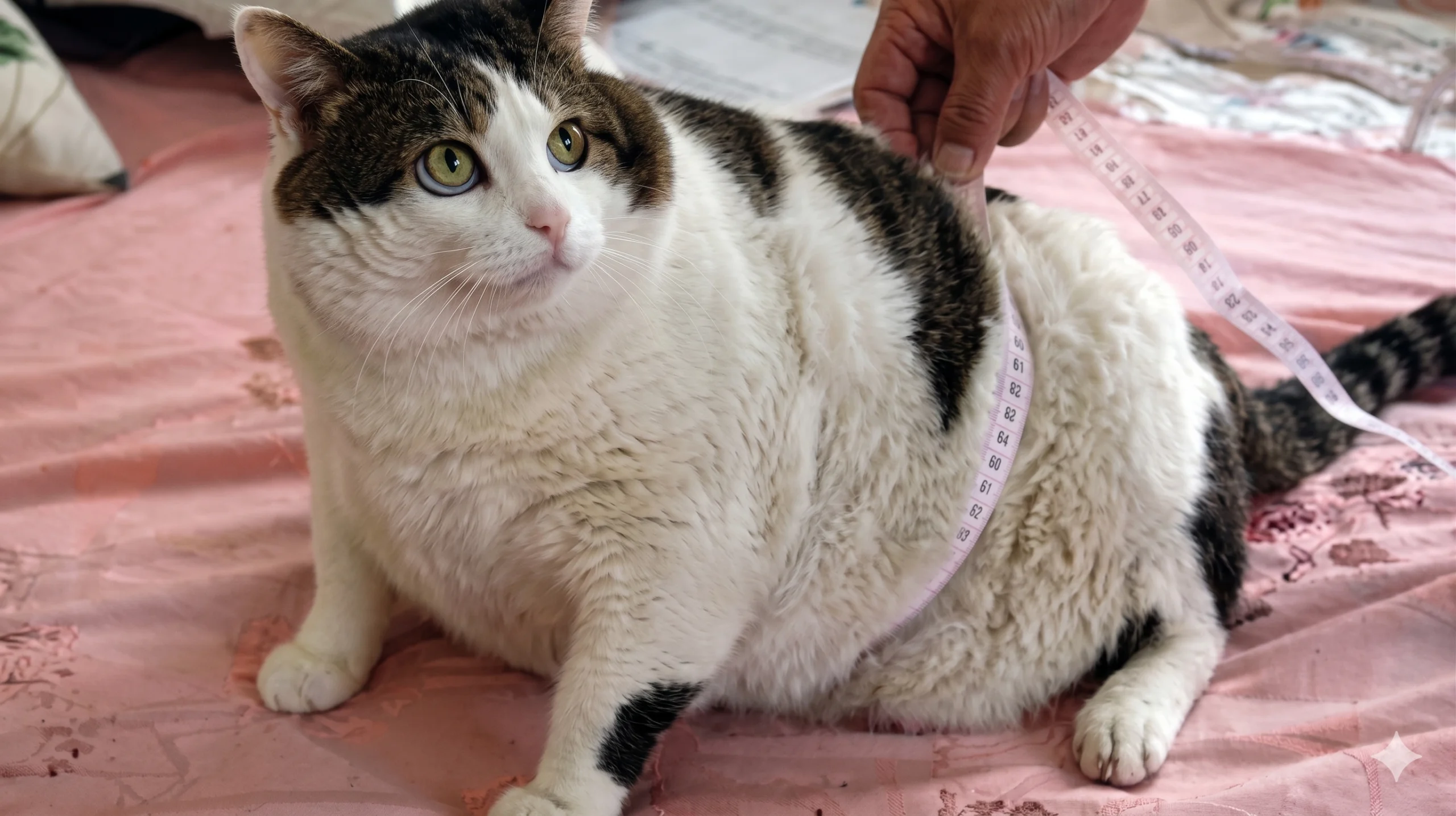
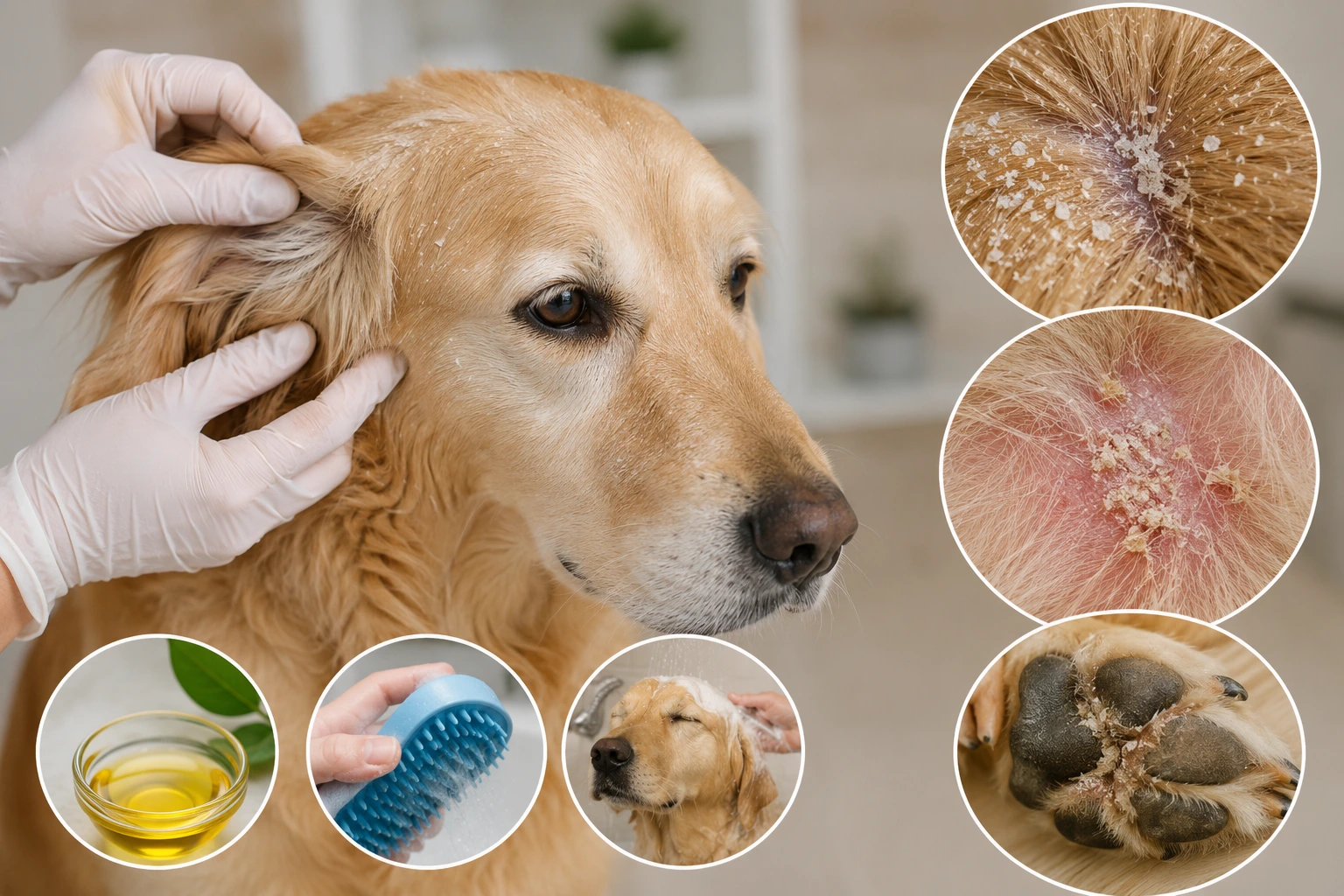

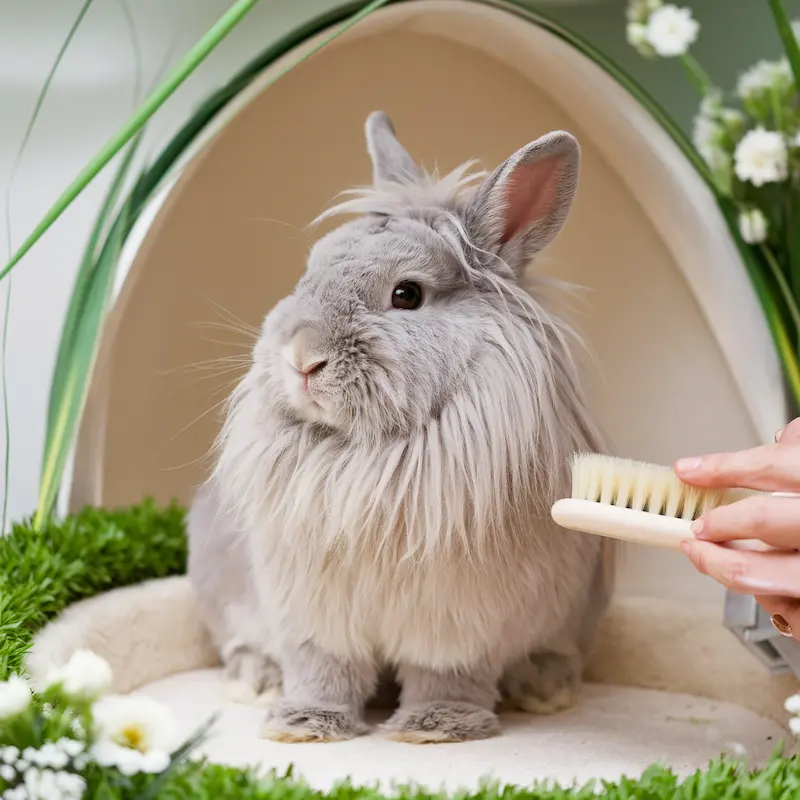

I’ve spent years at pet grooming in Abu Dhabi , and I can tell within the first few minutes of an appointment which pets are thriving at home and which ones are stressed, under-stimulated, or overdue for a routine check. The physical signs show up in the coat, the temperament, and how a pet responds to handling.
That observation lines up with published research. Studies in veterinary behavior journals consistently link environmental enrichment, predictable routines, and appropriate exercise to lower cortisol levels and reduced destructive behavior in both dogs and cats. Animal behaviorists also point to what’s known as the “Eureka Effect,” a measurable positive emotional response that occurs when an animal solves a problem, such as working a puzzle feeder or finding a hidden treat.
The 12 tips below combine that research with what I see firsthand in my own grooming practice, where a pet’s happiness and health are directly visible in their coat, posture, and behavior during handling.
1. Stick to a Solid Routine
Pets thrive on predictability. Meals, walks, playtime, and bedtime should happen at roughly the same time every day. A consistent routine helps a pet feel safer, less stressed, and more confident, something I notice immediately in how calmly a pet sits through a grooming session when their home routine is stable.
If your pet loves car rides or morning walks, keep those rituals alive even when your own schedule shifts.
2. Protect Their Downtime
It’s tempting to constantly engage with your pet, especially when you’re home more often. But pets aren’t wired for nonstop interaction. Dogs and cats need quiet time to rest, recharge, and stay emotionally balanced.
Set up a cozy quiet zone where your pet can settle without interruption: a comfortable bed, low noise, and minimal foot traffic.
3. Give Them Chew Treats the Smart Way
Chewing isn’t just fun, it’s important for mental stimulation and stress relief. A frozen peanut butter Kong for a dog, or a crinkly catnip toy for a cat, both serve a real purpose.
Just don’t overdo it. Keep treat calories under 10% of your pet’s daily intake, and dial back regular meals slightly if they’re getting extra snacks.
4. Prioritize Daily Exercise
A tired pet is a genuinely happier pet. Exercise burns off physical energy and keeps anxiety, boredom, and destructive behaviors in check.
If a dog park trip isn’t possible, a few short bursts of activity still make a real difference:
- Play tug-of-war in the living room
- Set up a mini fetch course down the hallway
- Chase each other around the backyard
5. Challenge Their Brain
Physical exercise matters, but mental exercise is just as important. You can mentally stimulate your pet by:
- Teaching a new trick, like “spin,” “sit pretty,” or “paw”
- Hiding treats around the house for them to find
- Using puzzle feeders during mealtime
Problem-solving triggers the Eureka Effect I mentioned earlier, giving your pet a genuine rush of positive emotion similar to what we feel finishing a tough puzzle.
6. Turn Down the Noise
Pets hear far better than we do. Loud TVs, constant podcasts, or booming music can be genuinely overwhelming for them. I’ve seen this firsthand: pets are noticeably calmer during grooming sessions when the environment is quiet, and studies support swapping in calming classical music to reduce anxiety in both dogs and cats.
7. Fuel Them With Healthy Food
A balanced, high-quality diet is non-negotiable. No matter how much a pet begs, table scraps like pizza or burgers aren’t worth it.
Stick to their regular food, keep treats healthy and minimal, and always provide clean, fresh water. A pet’s mood, coat condition, energy levels, and lifespan are all directly tied to what goes into their bowl, and coat condition in particular is one of the clearest signs I check for during every grooming appointment.
8. Make Vet Visits a Priority
Even a seemingly healthy pet benefits from regular checkups. A good vet can catch early signs of dental issues, joint problems, or internal health concerns before they become serious or expensive.
Aim for at least one full wellness exam per year, and twice a year for senior pets. A strong relationship with your vet also makes future visits less stressful for your pet.
9. Encourage Safe Socialization
Dogs and cats are social animals that benefit from positive interaction with other pets and people, when it’s introduced carefully.
- Start with short, controlled meetups
- Watch for positive body language: loose tails, playful bows, relaxed ears
- Step in immediately if you notice signs of fear or aggression
Done right, socialization builds confidence and reduces fear over time.
10. Set Up a Safe Spot
Every pet benefits from a private space they can retreat to. Set up a designated safe spot, such as a crate, a quiet room, or a favorite bed, where your pet knows they’re completely off-limits to disturbance.
Teach kids and guests that when a dog or cat retreats to their safe zone, they should be left alone until they’re ready to rejoin.
11. Involve Your Kids the Right Way
Getting kids involved in pet care builds responsibility and empathy, and it makes your pet feel more secure in the household. Start with simple, supervised tasks:
- Refilling water bowls
- Reading books to your dog or cat
- Helping brush your pet’s fur, with supervision
Teach kids to read your pet’s body language so every interaction stays safe and positive.
12. DIY Some Enrichment Toys
You don’t need expensive toys to keep a pet engaged. A few simple ideas using items you already have:
- Hide kibble in a cardboard box and let your pet tear it open
- Fill an old water bottle with small treats, with the cap removed
- Knot an old T-shirt into a tug toy
DIY enrichment satisfies a pet’s natural hunting, chewing, and problem-solving instincts, and it keeps your shoes safe from destruction in the process.
FAQ
What’s the single most effective way to improve my pet’s mood?
A consistent daily routine has the broadest impact. Predictable feeding, walking, and rest times reduce stress more reliably than any single toy or treat.
How much exercise does my pet actually need each day?
It varies by breed and age, but even short, frequent bursts of activity, ten to fifteen minutes a few times a day, meaningfully reduce anxiety and destructive behavior.
Can loud environments really stress out my pet?
Yes. Dogs and cats have significantly more sensitive hearing than humans, and constant background noise from TVs or music can contribute to ongoing low-level stress.
How often should my pet see a vet if they seem healthy?
At least once a year for adult pets, and twice a year for seniors, since many issues like dental disease or joint problems develop silently before visible symptoms appear.
Does grooming actually affect my pet’s happiness?
Yes. Regular grooming isn’t just cosmetic, it directly affects skin health, comfort, and how a pet tolerates handling, and it’s often where early signs of stress or health issues become visible first.
Final Thoughts
Keeping a pet happy isn’t complicated. It comes down to meeting their basic needs consistently: a stable routine, appropriate exercise, mental stimulation, good nutrition, and regular veterinary and grooming care.
Start with one or two tips from this list and build from there. In my experience working with pets every day, the difference between a pet that’s simply getting by and one that’s genuinely thriving usually comes down to exactly these fundamentals, applied consistently rather than perfectly.