
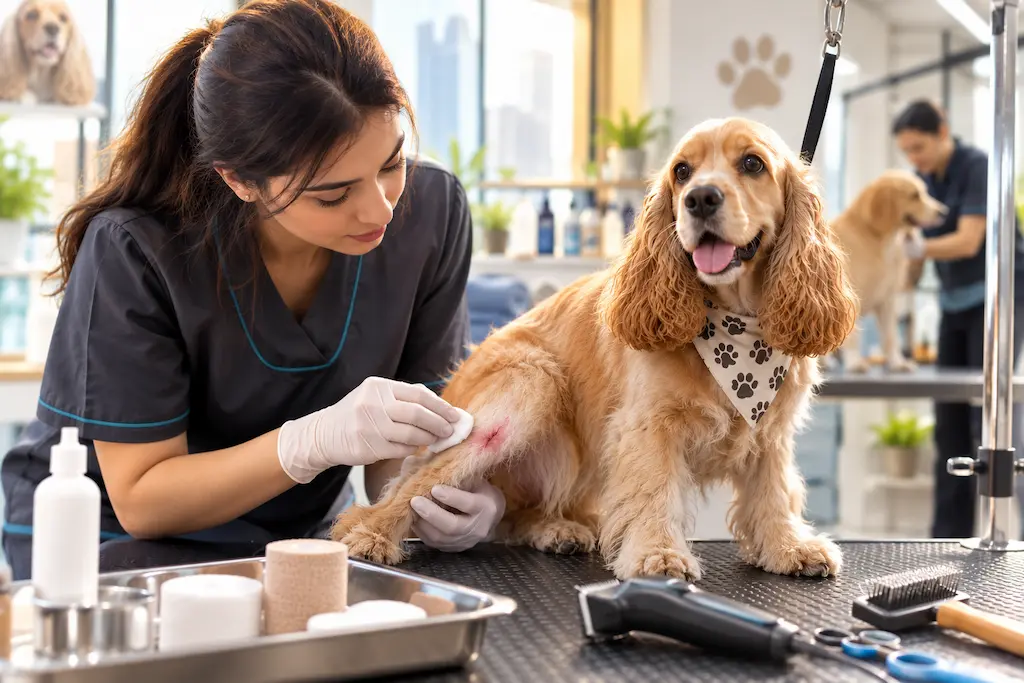
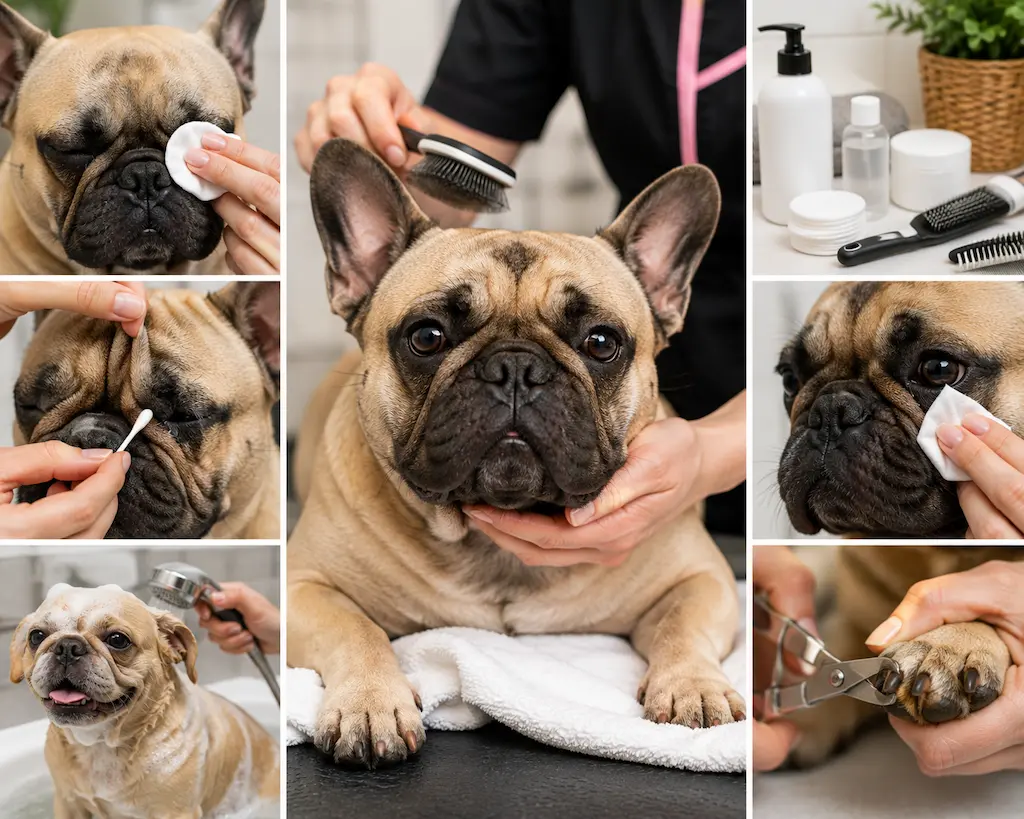
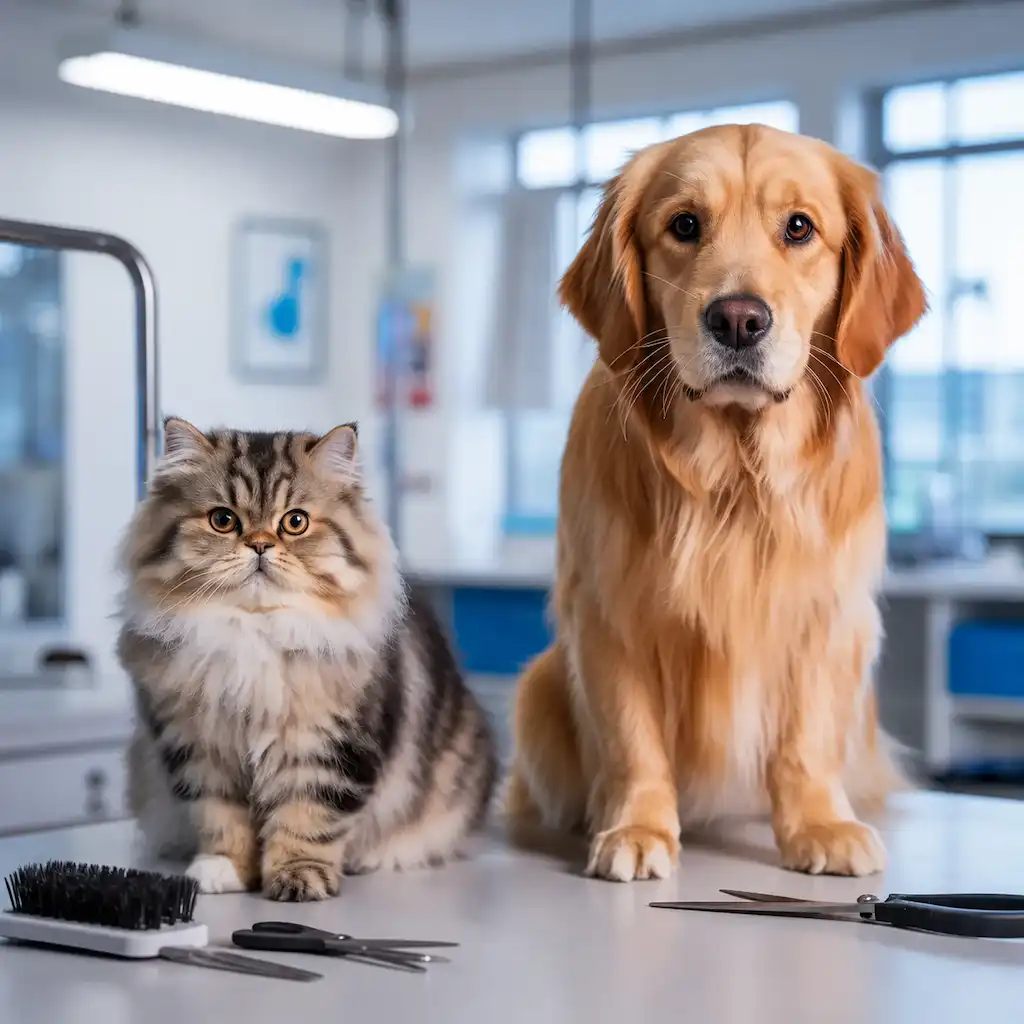
One of the most memorable moments in a grooming salon isn’t always a dramatic makeover sometimes it’s the quiet relief a dog shows after a simple eye cleaning. We’ve had dogs arrive for their regular grooming appointment that seemed perfectly healthy until they blinked repeatedly while we gently examined the fur around their eyes. A closer look revealed dried discharge pulling on the surrounding hair every time they blinked. Once the buildup was softened and carefully cleaned away, they immediately looked more comfortable.
Experiences like this remind professional groomers that eye care is about much more than appearance. The skin around a dog’s eyes is delicate, and using the wrong products or rubbing too hard can cause unnecessary irritation. On the other hand, leaving dried discharge in place can trap dirt, create discomfort, and make it harder to notice early signs of an eye problem.
As part of routine pet grooming in Abu Dhabi, we always recommend gentle, consistent eye care rather than waiting until tear stains or crusty buildup become severe. In this guide, we’ll show you how to clean around your dog’s eyes safely, what mistakes to avoid, and when it’s time to seek professional grooming or veterinary advice.
Why Do Dogs Get Eye Discharge?
One question we hear from pet owners all the time is, “Why do my dog’s eyes get dirty so quickly?” In many cases, a small amount of clear or light-colored discharge is completely normal. Tears help keep the eyes lubricated and flush away dust, pollen, and tiny particles that collect throughout the day.
Some dogs naturally produce more eye discharge than others. Breeds with prominent eyes, flat faces, or long facial hair are especially prone to tear buildup because hair can trap moisture around the eyes or direct tears onto the surrounding fur.
Common causes of eye discharge include:
- Normal tear production.
- Dust, sand, or environmental debris.
- Hair irritating the eyes.
- Mild allergies.
- Tear staining in light-colored dogs.
During grooming, we don’t just wipe away the discharge, we also look for anything unusual. If the buildup is excessive, has a strong odor, or changes in color, it may be more than a grooming issue and should be evaluated by a veterinarian.
If your dog regularly develops dried eye boogers, learning how to safely remove dog eye discharge between grooming appointments can help keep the eye area clean and comfortable without causing irritation.
How to Clean Around Your Dog’s Eyes Without Causing Irritation
When grooming around the eyes, patience is more important than speed. The goal isn’t to scrub the area spotless, it’s to remove buildup gently without irritating the skin or making your dog anxious. A calm dog is much easier to groom safely than one that’s uncomfortable or trying to pull away.
Professional groomers typically follow these simple steps:
- Wash your hands before touching your dog’s face.
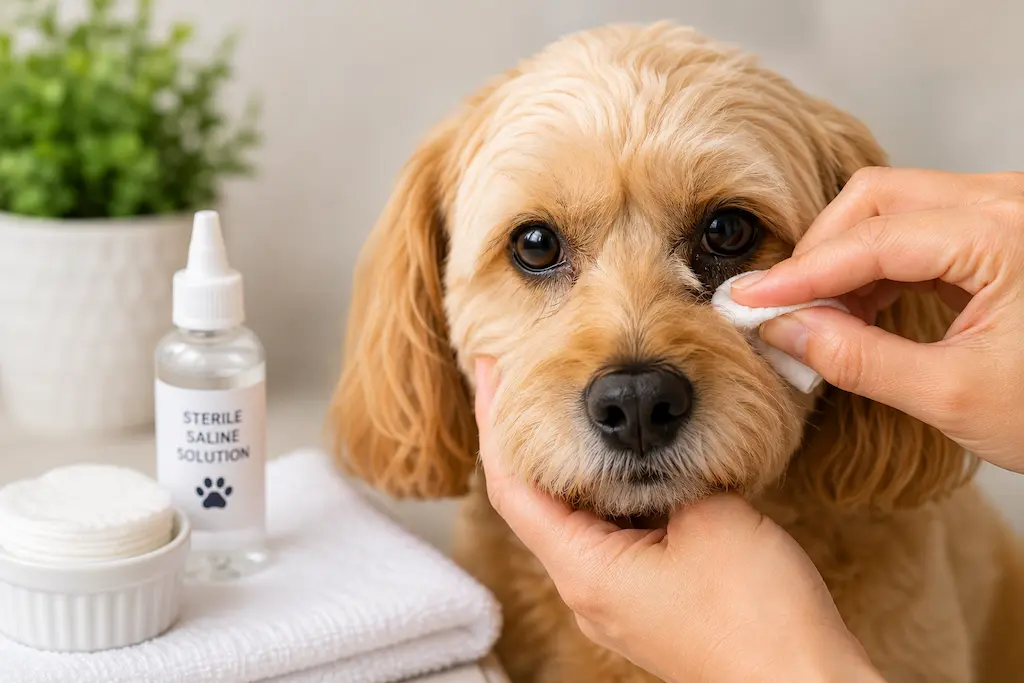
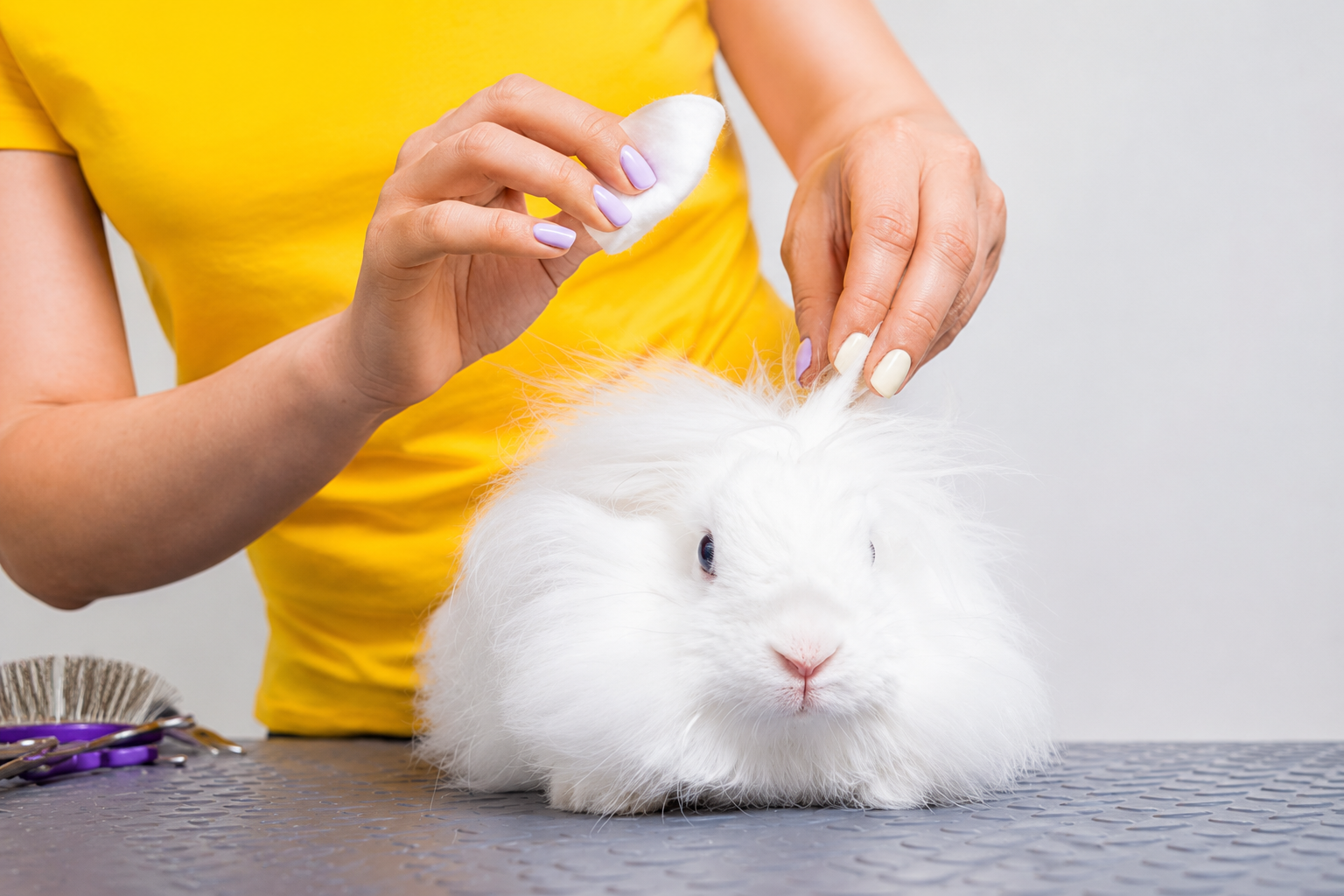
- Dampen a soft cotton pad or lint-free cloth with sterile saline or lukewarm water.
- Gently soften any dried discharge for a few seconds instead of pulling it away immediately.
- Wipe from the inner corner of the eye outward, using light pressure.
- Use a fresh cotton pad for the other eye to avoid transferring bacteria.
- Dry the surrounding fur gently if it remains damp.
If the discharge doesn’t come away easily, don’t force it. Let the moisture soften the crust before wiping again. Pulling hardened debris can tug on the hair and sensitive skin, making the experience uncomfortable for your dog.
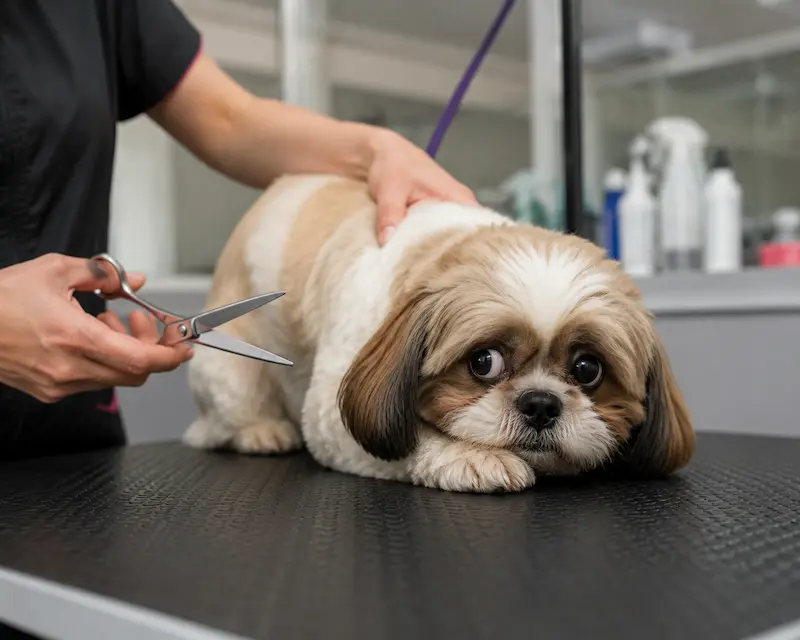
In the salon, we also trim excess hair around the eyes when needed. Keeping the fur neat helps reduce tear buildup and prevents loose hairs from rubbing against the eyes, making daily cleaning much easier for pet owners.
Common Mistakes That Can Irritate Your Dog’s Eyes
Many eye problems we see during grooming aren’t caused by the discharge itself, they’re caused by well-intentioned cleaning with the wrong technique or products. Because the skin around the eyes is extremely delicate, even small mistakes can lead to redness, irritation, or discomfort.
Avoid these common mistakes:
- Using alcohol, hydrogen peroxide, or scented wipes: These products can sting and irritate the sensitive eye area.
- Rubbing too hard: Gentle wiping is enough. Scrubbing can inflame the skin and make your dog resist future cleaning.
- Using the same cloth for both eyes: If one eye has an infection, bacteria can easily spread to the other.
- Pulling off dried discharge: Always soften crusty buildup first instead of peeling it away.
- Ignoring long facial hair: Hair growing into or around the eyes can trap moisture and increase irritation.
A good rule we follow in grooming is simple: if cleaning seems to be causing pain or your dog keeps squinting, stop and inspect the eye rather than continuing. Eye care should leave your dog feeling more comfortable not more irritated.
When Is Eye Discharge a Sign of a Bigger Problem?
Not every eye discharge can be managed with routine cleaning. One of the most important parts of professional grooming is recognizing when a dog needs veterinary attention instead of another wipe with a damp cotton pad.
Arrange a veterinary examination if you notice:
- Thick yellow, green, or bloody discharge.
- Red or swollen eyes.
- Constant squinting or keeping one eye closed.
- Frequent pawing or rubbing at the face.
- A cloudy-looking eye.
- A sudden increase in tearing or discharge.
- A bad smell coming from the eye area.
During grooming appointments, if we notice any of these warning signs, we avoid applying unnecessary products and advise owners to see their veterinarian before continuing cosmetic grooming around the eyes.
Remember, regular cleaning helps remove normal buildup, but it won’t treat infections, corneal injuries, blocked tear ducts, or other medical conditions. Early treatment can prevent discomfort and protect your dog’s vision.
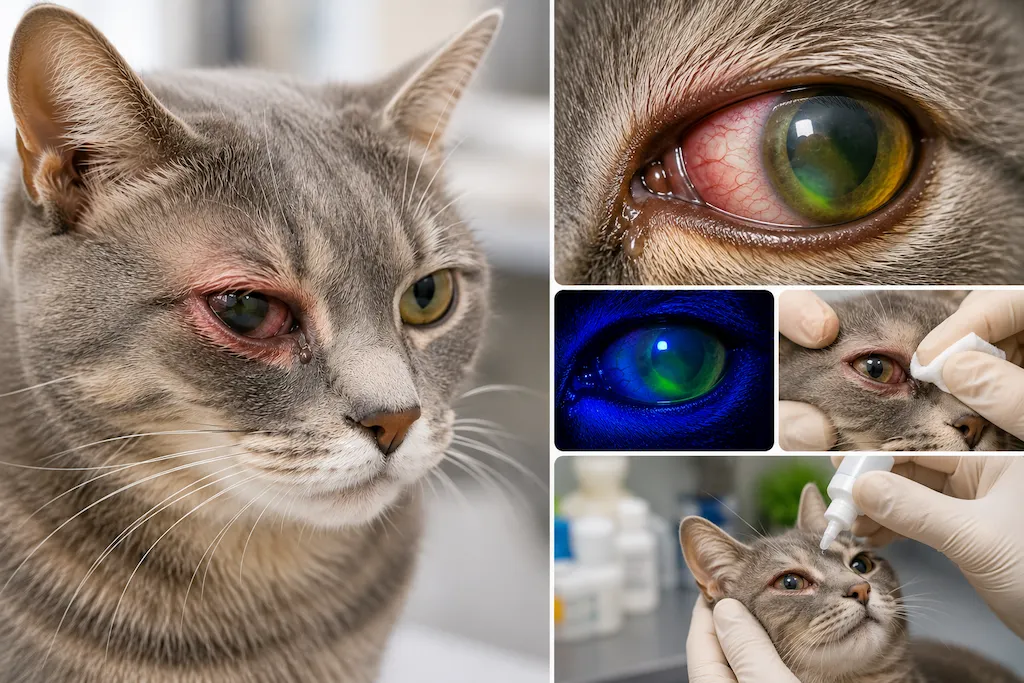
Cats can develop similar issues with tear buildup and discharge. If you also have a feline companion, our guide on Cat Eye Gunk explains how to clean a cat’s eyes safely while recognizing when professional care is needed.
How Often Should You Clean Around Your Dog’s Eyes?
There’s no single schedule that works for every dog. The right routine depends on your dog’s breed, coat type, facial structure, and how much eye discharge they naturally produce.
As a general guide:
- Daily: Dogs that are prone to tear stains, have long facial hair, or naturally watery eyes.
- 2–3 times a week: Most dogs with occasional eye discharge.
- As needed: Dogs that rarely develop buildup but still benefit from regular checks.
From a groomer’s perspective, we recommend making eye care part of your normal grooming routine rather than waiting until the discharge becomes noticeable. It only takes a minute to inspect the area during brushing or after a walk, and catching dried buildup early is much easier than removing hardened crust later.
Routine grooming appointments also help keep the hair around the eyes neatly trimmed, reducing irritation and making at-home cleaning quicker and safer. A consistent routine not only keeps your dog looking clean but also supports long-term eye health by allowing you to spot changes before they become serious.
Frequently Asked Questions
Can I use baby wipes to clean around my dog’s eyes?
It’s best not to. Even gentle baby wipes may contain fragrances or ingredients that can irritate the sensitive skin around your dog’s eyes. Use sterile saline or a soft cloth dampened with lukewarm water instead.
What is the safest thing to use to clean my dog’s eyes?
A clean cotton pad or lint-free cloth moistened with sterile saline solution or lukewarm water is usually the safest option for removing normal eye discharge.
Is it normal for my dog to have eye boogers every day?
A small amount of clear or light-colored discharge can be normal, especially after sleeping. However, if the discharge becomes excessive, changes color, develops an odor, or is accompanied by redness, it should be checked by a veterinarian.
Can I remove dried eye discharge with my fingers?
No. Pulling dried discharge with your fingers can tug on the surrounding hair and delicate skin. Always soften the buildup first before gently wiping it away.
When should I take my dog to the vet?
Seek veterinary care if your dog has yellow or green discharge, swollen or red eyes, persistent squinting, cloudiness, excessive tearing, or signs of pain.
Conclusion
Cleaning around your dog’s eyes is a simple grooming habit that can make a big difference to their comfort and overall eye health. The key is to work gently, use safe materials, and never force dried discharge away from the skin. Regular cleaning removes everyday buildup while giving you the chance to notice early signs of irritation or infection.
From years of grooming experience, we’ve found that the dogs with the healthiest eyes aren’t necessarily the ones cleaned every day, they’re the ones whose owners follow a gentle, consistent routine and know when a problem needs professional attention. By combining proper at-home care with regular grooming, you can help keep your dog’s eyes clean, comfortable, and free from unnecessary irritation.