


Rabbits are immaculate, self-sufficient animals but that doesn’t mean your bunny can handle grooming all on their own. In fact, without regular human-assisted grooming, even the healthiest rabbit can develop serious health problems, from dangerous gut obstructions to painful matted fur.
Whether you’re a first-time rabbit owner or a seasoned bunny parent, this complete guide to rabbit grooming will walk you through every step from daily brushing and nail trims to professional care so your furry friend always looks and feels their very best.
Why Rabbit Grooming Is Non-Negotiable for Your Pet’s Health
Most people assume grooming is purely cosmetic. When it comes to rabbits, that couldn’t be further from the truth. Rabbit grooming is preventive healthcare.
Rabbits are fastidious self-groomers they’ll lick and clean themselves much like cats. The critical difference? Unlike cats, rabbits cannot vomit. When they ingest loose fur during self-grooming, it accumulates in their digestive tract. This leads to hairballs that can block the stomach exit entirely, a condition that can turn fatal if left untreated. Regular grooming significantly reduces the amount of fur your rabbit ingests, making it one of the single most important things you can do for their long-term health.
How Often Should You Groom a Rabbit?
Grooming frequency depends on your rabbit’s coat type and the time of year.
Short-haired breeds (Rex, Mini Rex, Dutch) should be brushed at least once per week. During heavy shedding seasons, this increases to every other day.
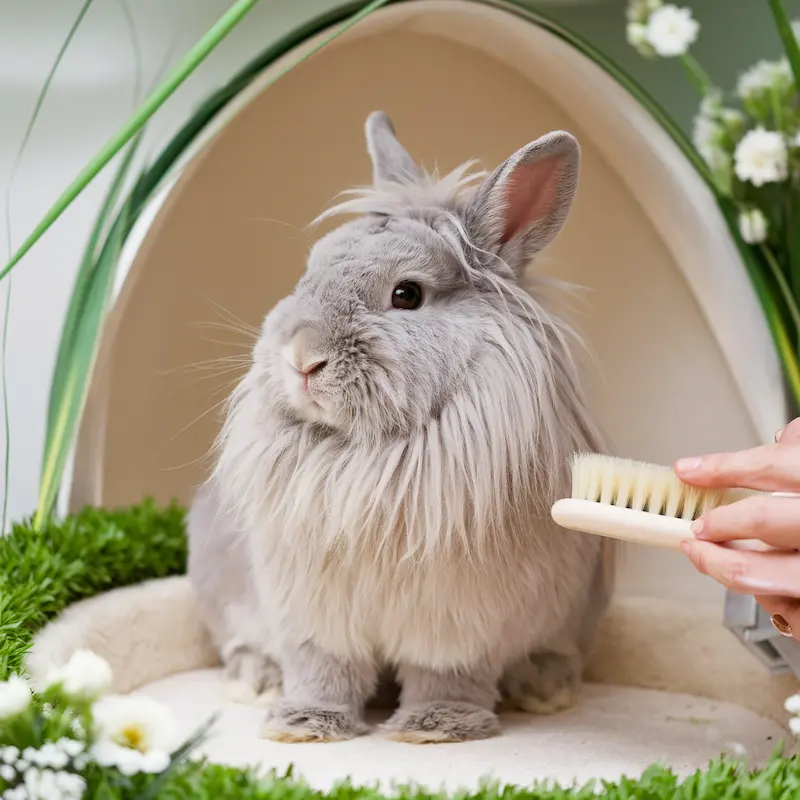
Long-haired and woolly breeds (Angora, Lionhead, Jersey Wooly, Flemish Giant) require daily brushing to prevent their coats from tangling into painful mats. Skipping even a few days with an Angora rabbit can result in dense knots that require professional detangling or even shaving.
Quick Grooming Frequency Guide by Breed
| Breed Type | Brushing Frequency | Nail Trim | Ear Check |
|---|---|---|---|
| Short-haired (Rex, Dutch, Mini Rex) | Weekly | Every 4–6 weeks | Monthly |
| Medium-haired (Holland Lop, Mini Lop) | 2–3x per week | Every 4–6 weeks | Monthly |
| Long-haired (Angora, Lionhead, Jersey Wooly) | Daily | Every 4 weeks | Bi-weekly |
| Giant breeds (Flemish Giant, Continental Giant) | 2–3x per week | Every 3–4 weeks | Monthly |
The Right Tools for Rabbit Grooming
Using the wrong tools on a rabbit’s delicate skin can cause painful brush burn or even small lacerations. Here’s what to reach for:
- Slicker brush
- Fine-toothed flea comb
- Rubber pimple mitt / grooming glove
- Wide-tooth comb
- Mat splitter or mat rake
Step-by-Step: How to Groom a Rabbit at Home
1. Choose a Calm, Secure Surface
Place your rabbit on a non-slip surface such as a rubber mat or thick towel at a comfortable working height. Never groom on a slippery table rabbits can panic, kick, and injure their spines in a fall.
2. Start Gently-Let Your Rabbit Settle
Spend a minute simply petting your rabbit before picking up any tools. Let them sniff the brush. Calm rabbits are safer rabbits.
3. Brush in the Direction of Fur Growth
Always brush in the direction the fur naturally lies from head toward the tail. Use long, smooth strokes with minimal pressure. For long-haired breeds, hold the fur at the root with your free hand to prevent pulling on the skin.
4. Check While You Groom
As you work through the coat, run your fingers along the skin to feel for any unusual lumps, bumps, scabs, or parasites. Check around the base of the ears, under the chin, and along the belly.
5. Address Any Mats Carefully
Small, fresh mats can often be teased apart with your fingers or a wide-tooth comb. Work from the outside of the mat inward. Do not pull. For large or tight mats particularly those near the skin seek professional help immediately.
6. Finish With a Health Check
Before wrapping up, check eyes (clear of discharge?), ears (no excessive wax or odour?), teeth (aligned properly?), and the underside (no soiling or skin irritation?).
Rabbit Nail Trimming
Rabbit nails grow quickly and can curl painfully into the paw pad if neglected. They also present a real hazard — long nails catch on fabrics and flooring, and a panicking rabbit can snap a toe trying to free themselves.
How often: Every 4 to 6 weeks for most breeds.
What you need: A guillotine-style nail clipper designed for cats or birds. Standard dog nail clippers are too large and can crack the nail.
Ear Cleaning: What Rabbit Owners Often Miss
Ear hygiene is one of the most overlooked aspects of bunny grooming, yet it’s critically important, especially for lop-eared breeds.
Healthy rabbit ears should be clean, odour-free, and free of excess wax. A small amount of light-coloured wax is completely normal. Concerning signs include dark or blackish debris (ear mites), strong odour, excessive scratching, or tilting of the head.
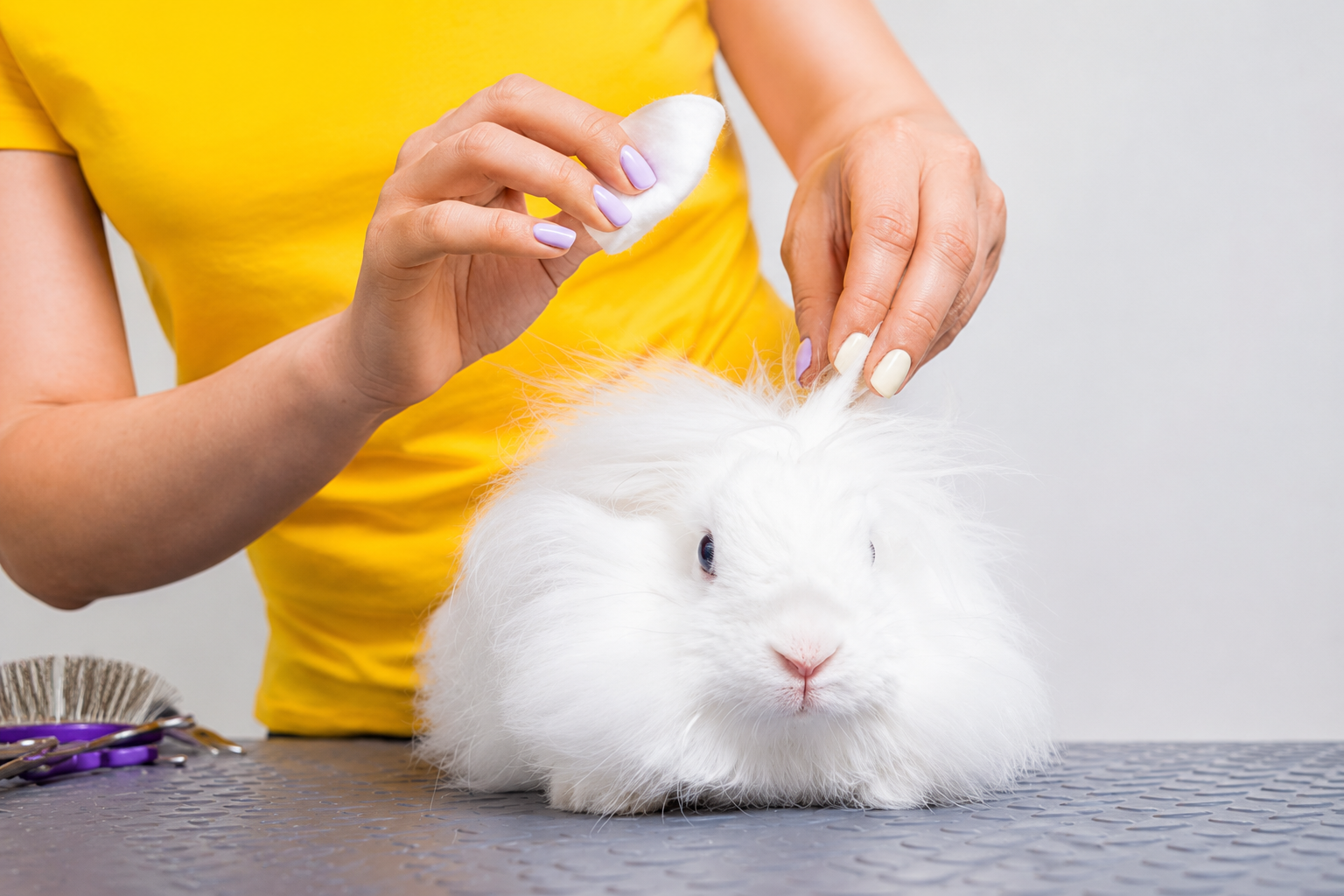
Cleaning method: Moisten a cotton ball lightly with a rabbit-safe ear cleaner or plain warm water. Gently wipe the accessible outer portion of the ear only. Never insert anything into the ear canal. Lop rabbits with folded ears tend to trap more moisture and debris and should be checked bi-weekly.
Eye Care: Keeping Those Eyes Bright
Rabbit eyes can accumulate dried secretions, fur, or hay dust around the corners, particularly in long-haired breeds where fur falls across the face.
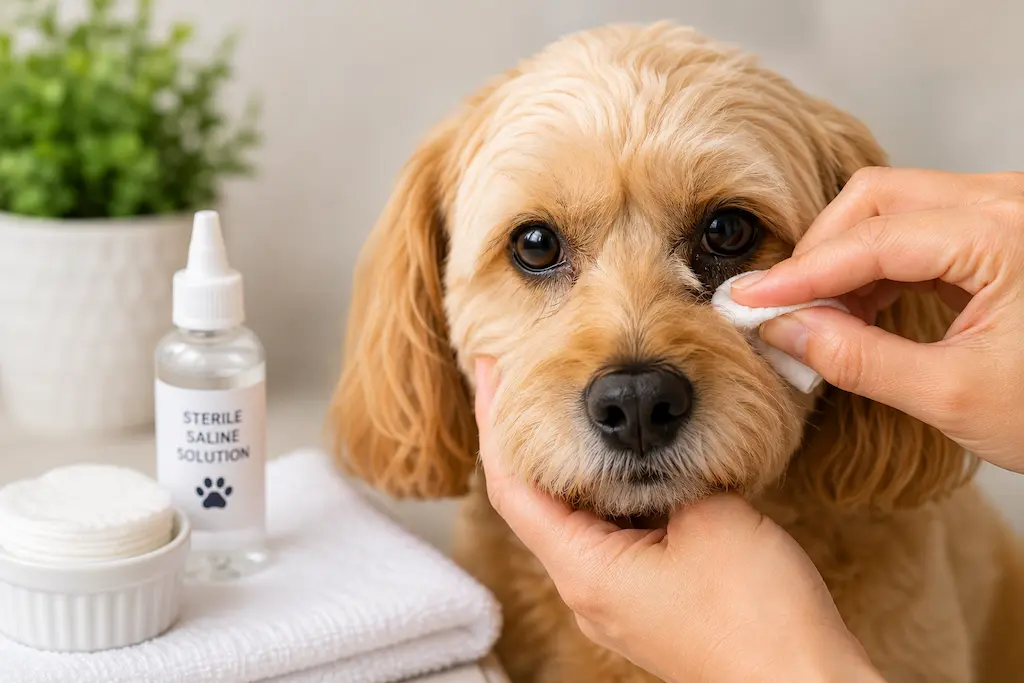
Use a moistened cotton ball to gently wipe the eye area from the inner corner outward. For long-haired rabbits, carefully comb back any fur that falls over the eyes a small mascara brush or fine flea comb works well for this.
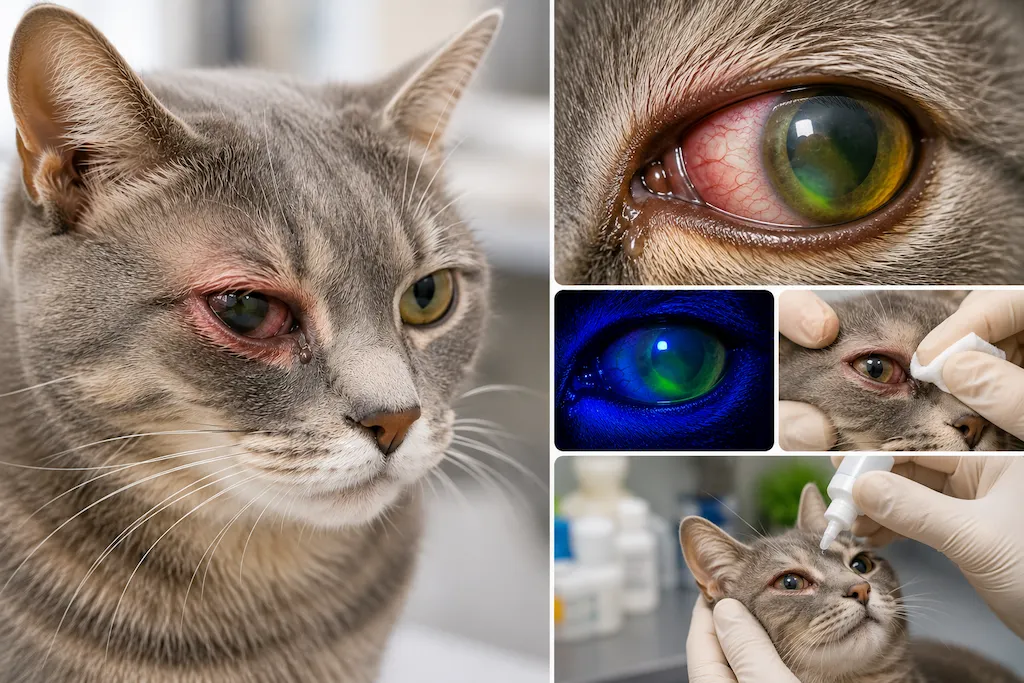
Persistent eye discharge, cloudiness, redness, or swelling are signs to consult a vet rather than self-treat.
Bathing Your Rabbit: Proceed With Extreme Caution
Rabbits should almost never be given a full bath. They are excellent self-cleaners and do not need bathing under normal circumstances. More critically, full immersion in water is extremely stressful for rabbits and can send them into shock.
The only time spot-cleaning is appropriate is when a rabbit has a soiled backend (often called “poopy bottom”) that they cannot clean themselves a situation more common in elderly, overweight, or arthritic rabbits.
Spot-cleaning method: Fill a shallow container with just enough warm water to reach the soiled area only. Using a gentle rabbit-safe or kitten shampoo, carefully clean the affected area. Rinse thoroughly. Dry the rabbit completely with a warm towel and if needed a hairdryer set to the lowest warm setting, held at a distance. A wet rabbit left in cool air can develop hypothermia rapidly.
Never: Submerge your rabbit, use cold water, or use shampoos formulated for dogs or humans.
Breed-Specific Grooming: Long-Haired Rabbits Need Extra Attention
Angora Rabbits
Angoras produce one of the longest, densest coats in the rabbit world. Daily brushing is non-negotiable. Many Angora owners also maintain regular trims-keeping the coat at a manageable 2-3 inch length — to prevent the fur from matting and collecting debris. Professional grooming every 6–8 weeks is strongly recommended for this breed.
Lionhead Rabbits
The dramatic mane around a Lionhead’s head and shoulders is prone to rapid tangling. Daily combing of the mane is essential, and the area around the eyes needs particular attention as the mane fur can droop forward and cause irritation.
Jersey Wooly
Compact but densely coated, Jersey Woolies require brushing 3–4 times per week minimum. Their wool-like coats attract hay and bedding debris that can form tight knots surprisingly quickly.
Signs Your Rabbit Needs Grooming Right Now
Don’t wait for a scheduled session if you notice any of the following:
- Visible mats or clumps in the coat
- Nails curling or snagging on carpet or fabrics
- Strong odour from the ear area or rear end
- Excessive scratching or head shaking
- Bald patches with flaking skin
- Soiled fur around the tail and backend that the rabbit isn’t cleaning
- Discharge around the eyes or nose
- Overgrown fur covering the eyes
Professional Rabbit Grooming: When to Call the Experts
DIY grooming is entirely achievable for many rabbit owners. But there are situations where professional expertise makes a real difference:
Call a professional groomer when:
- Your rabbit has severe or numerous mats that cannot be safely teased apart at home
- You’re dealing with an Angora or heavily woolled breed that needs regular trimming
- Your rabbit becomes extremely stressed or aggressive during grooming
- You’re unsure how to clean the scent glands
- Your rabbit has mobility issues or is elderly and difficult to safely position
- You want nail trims done quickly and precisely without risk
If you’re in Abu Dhabi, Groom Room offers professional rabbit grooming services with experienced groomers who handle rabbits with the gentle, knowledgeable care these sensitive animals require.
At-Home Grooming vs. Professional Grooming: Which Is Right for You?
| Situation | DIY at Home | Professional Grooming |
|---|---|---|
| Short-haired breed, calm rabbit | Ideal | Optional |
| Long-haired breed (Angora, Lionhead) | Manageable with training | Highly recommended |
| Mat removal | Small/fresh mats only | For dense or multiple mats |
| Nail trimming | With practice | Anytime |
| Scent gland cleaning | Possible but tricky | Preferred |
| Anxious or aggressive rabbit | High stress risk | Safer |
| Post-surgery or elderly rabbit | Too risky | Essential |
For convenience without the stress of transporting your rabbit, consider mobile grooming services that come directly to your home. Groom Room’s mobile grooming option in Abu Dhabi is designed precisely for this bringing professional care to your doorstep so your rabbit stays in a familiar environment throughout.
Grooming Your Rabbit in UAE’s Hot Climate: What You Need to Know
Rabbit owners in the UAE face a unique set of challenges. The extreme summer heat between May and September, combined with air-conditioned indoor environments, creates significant temperature fluctuations that affect your rabbit’s coat and shedding cycles.
Additionally, humidity and dust in the Gulf region can cause coat dullness and skin dryness. Regular brushing helps distribute natural oils through the coat and keeps skin healthy despite the challenging climate. Professional groomers in Abu Dhabi familiar with local conditions like the team at Groom Room understand these regional nuances and adjust their care accordingly.
Frequently Asked Questions
Q: How often should I groom my rabbit?
Short-haired breeds need weekly brushing; long-haired breeds need daily attention. During heavy shedding seasons, all breeds need more frequent grooming regardless of coat type.
Q: Can I bathe my rabbit?
Full baths should be avoided entirely. Spot-clean soiled areas only using warm water and a gentle kitten shampoo, and dry your rabbit thoroughly and immediately afterward.
Q: My rabbit hates being groomed what should I do?
Start with very short sessions, offer treats before and after, and use a soft rubber mitt (which many rabbits find pleasant) rather than a brush initially. If your rabbit remains highly stressed, a professional groomer experienced with rabbits may be a better option.
Q: How do I know if my rabbit has mites?
Look for bald patches, excessive scratching, and dandruff-like flakes when you part the fur. If you suspect mites, visit a vet promptly — mites are highly treatable but spread quickly.
Q: Is it safe to trim my rabbit’s fur with scissors?
Only if you are very experienced. Rabbit skin is extremely thin and tears easily. If in doubt, take your rabbit to a professional groomer for any trimming needs.