





Introduction: Why Wing Clipping Impacts Behavior
Wing clipping is a common practice among bird owners to limit flight and prevent accidents. While it does not cause pain when done correctly, it can significantly affect how a bird behaves and interacts with its environment. Understanding bird behavior after wing clipping is vital for ensuring your pet adjusts comfortably.
In the UAE, where pet ownership is growing, more families are keeping exotic birds in apartments and villas. Grooming support services, including pet grooming abu dhabi, often provide wing clipping as part of regular care, helping owners manage safety without compromising their bird’s well-being.
What Happens During Wing Clipping?
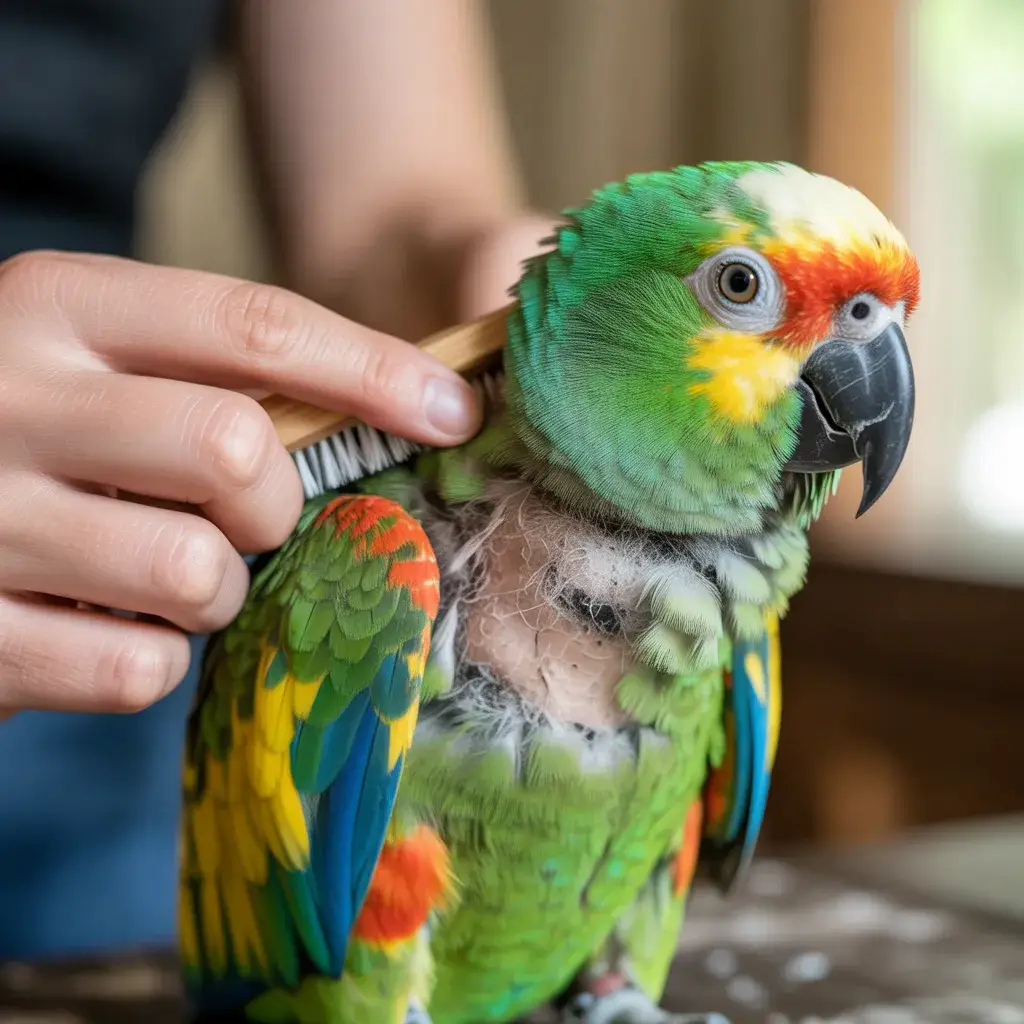
Wing clipping involves trimming the primary flight feathers, which reduces a bird’s ability to fly long distances or reach dangerous heights. It should always be done by a trained professional, as improper clipping can cause pain, imbalance, or even injury.
Key Points About Safe Wing Clipping:
- Only certain feathers are trimmed.
- The procedure is painless if performed correctly.
- It does not permanently damage feathers (they regrow during molting).
Common Bird Behavior After Wing Clipping
Birds may react differently depending on their species, age, and personality. Below are common behavior changes:
1. Reduced Confidence
Some birds feel vulnerable when they realize they cannot fly. This may lead to clinginess or reluctance to explore.
2. Temporary Aggression
A bird that feels insecure may display defensive behaviors such as biting or squawking. This usually improves as they adjust.
3. Increased Bonding with Owners
Since the bird relies more on the owner for mobility and comfort, it may develop stronger attachment behaviors like perching on shoulders more often.
4. Calmer Demeanor
For highly active species, reduced flight ability sometimes results in calmer behavior, making training easier.
5. Exploration on Foot
Clipped birds often explore more by walking or climbing, which requires ensuring a safe environment free from hazards.
Real-Life UAE Example
A parrot owner in Dubai noticed that after clipping, their African Grey became quieter and more dependent on human interaction. Over two weeks, with gentle encouragement, the bird regained confidence and resumed playful behaviors—showing that patience and positive reinforcement help smooth the transition.
Pros and Cons of Wing Clipping
Pros:
- Prevents accidents with ceiling fans, windows, or open doors.
- Reduces risk of escape in UAE urban settings.
- Makes handling and training easier.
Cons:
- May reduce exercise opportunities.
- Can temporarily cause stress or frustration.
- Must be repeated as feathers regrow.
The decision should balance safety with the bird’s natural instincts, always guided by professional advice.
Supporting Birds Emotionally After Clipping
Helping your bird adapt is key to minimizing stress:
- Provide Enrichment: Toys, foraging games, and climbing structures keep them active.
- Offer Gentle Handling: Reassure your bird with calm interactions.
- Create Safe Spaces: Ensure perches are accessible without the need for flight.
- Encourage Exercise: Birds can still enjoy wing flapping and climbing for fitness.
Professional Grooming and Guidance in the UAE
Bird owners benefit from professional grooming services to ensure safe procedures and proper aftercare. Facilities offering bird grooming services in abu dhabi provide not just wing clipping but also nail and beak trimming, ensuring holistic care.
These services are particularly valuable for exotic birds in the UAE, where proper grooming helps maintain both safety and long-term health.
Tips for Owners to Ease the Transition
- Be Patient: Adjustments may take days or weeks.
- Reward Calm Behavior: Use treats to reinforce positive reactions.
- Avoid Sudden Changes: Keep routines consistent to reduce stress.
- Monitor for Stress Signs: Watch for feather plucking, loss of appetite, or withdrawal.
- Consult Experts: Regular vet check-ups help ensure the bird is adapting well.
Conclusion: Building Trust Through Care
Wing clipping is a choice many bird owners in the UAE make for safety, but it’s essential to recognize how it impacts your bird’s emotions and behavior. Observing changes in bird behavior after wing clipping helps you respond with patience and empathy.
Whether your bird becomes more dependent, quieter, or temporarily defensive, the key is consistent care and reassurance. Over time, most birds adapt well and continue to thrive in their home environment.
And beyond grooming and training, remember this golden rule of pet ownership: always aim to keep your bird safe and happy, creating a balance between safety, comfort, and natural instincts.