
If you’ve ever caught your dog eating its own vomit, you’re not alone. It’s one of those things you might see once and immediately want to forget, but your dog might repeat the behavior as if it’s no big deal.
Many pet owners are surprised, even disturbed, by it, but the truth is that this isn’t an uncommon issue. What matters is recognizing that it’s happening and understanding why so you can take steps to manage or prevent it.
This guide is designed to inform you why your dog might vomit in the first place, why they eat it afterward, what you should do if it happens, and how to break the habit altogether. Let’s start by understanding the first piece of the puzzle: why dogs vomit.
Why Dogs Vomit: Understanding the Triggers
Vomiting in dogs can be caused by a wide range of factors, from something minor, like eating too fast, to something more serious, like an infection.
Sometimes, your dog might have simply eaten too much grass, gotten into the trash, or had a reaction to a new treat or brand of food. In these cases, the vomiting is usually isolated and not a cause for long-term concern.
However, vomiting can also signal deeper medical issues. Infections, pancreatitis, kidney or liver disease, parasites, or toxins can trigger dog vomiting. If vomiting is frequent or accompanied by other symptoms like lethargy, diarrhea, or loss of appetite, a vet visit is essential.
Now, it’s important to differentiate vomiting from regurgitation.
Vomiting is an active process involving heaving and abdominal effort, while regurgitation is more passive and often involves undigested food coming back up without warning. Regurgitation may point to issues in the esophagus or upper digestive tract, while vomiting could signify systemic illness.
Recognizing which one you’re dealing with helps you and your vet reach the root cause faster.
Why Dogs Eat Their Vomit: Instinct or Habit?
So now that you know why your dog might vomit, it’s time to understand why they would eat it afterward. The answer often lies in a mix of evolutionary instincts, behavioral patterns, and, sometimes, simple curiosity.
In the wild, mother dogs would regurgitate food for their puppies to wean them off milk. This natural behavior taught puppies that vomit or regurgitated food to be edible. Even though your dog lives in a comfortable home and eats kibble from a bowl, that instinctual behavior can remain.
Sometimes, dogs eat vomit simply because it smells like food, especially if the vomiting is triggered shortly after eating. Their sense of smell is far more powerful than ours, and they may not find the scent of vomit nearly as repulsive as we do.
It can also be a matter of habit or boredom. If a dog has done it once and wasn’t stopped, they may continue doing it simply because they can. In some cases, it becomes a self-rewarding behavior, especially if the vomit still contains undigested food.
Why This Behavior Should Be Discouraged
While the behavior may have natural roots, that doesn’t mean it’s healthy or harmless.
Eating vomit can expose your dog to harmful bacteria, particularly if the vomiting was due to an infection or spoiled food. It can also cause additional digestive upset or even lead to a cycle of repeated vomiting.
There’s also the hygiene aspect to consider. If the vomit isn’t cleaned up right away and your dog eats it, it could leave behind smells or stains on your carpet and increase the risk of spreading pathogens, especially in multi-pet households.
And perhaps most importantly, allowing your dog to eat vomit without intervening might reinforce the behavior. This could lead to difficulties in managing your pet’s eating habits and could mask more serious underlying health concerns.
What To Do When You Catch Your Dog Eating Vomit
If you see your dog eating vomit, the first thing to do is stay calm. Shouting or punishing your dog will only confuse them and likely won’t stop the behavior. Instead, remove your dog from the area immediately and clean up the vomit to remove the temptation.
Once your dog is away from the vomit, observe them briefly. Was this an isolated incident, or is your dog showing signs of illness? If vomiting occurs more than once within 24 hours, or if other symptoms like drooling, pacing, or lethargy appear, it’s best to consult your vet.
Eating vomit doesn’t cause immediate harm in most cases, but it’s better to be safe and monitor your dog’s behavior and digestion in the following hours.
How to Break the Habit in Dogs
Practice Immediate Cleanup
The most effective way to discourage vomit-eating is to clean it up as soon as it happens. This removes access to the vomit and prevents reinforcement of the habit. Use a pet-safe disinfectant and paper towels, and keep your dog distracted or confined during cleanup.
Train the “Leave It” Command
Teaching your dog to respond to “leave it” can be a lifesaver in many situations, including this one. With consistent training and positive reinforcement, your dog will learn to ignore vomit or anything else they shouldn’t eat on command.
Supervise Meal Times
Consider using a slow feeder bowl if your dog vomits due to eating too quickly or too much. Break meals into smaller portions and avoid vigorous play immediately after eating. This can reduce vomiting frequency and lessen the opportunity for the behavior to repeat.
Address Underlying Stress
Stress and anxiety can contribute to behavioral issues like vomit eating. Ensure your dog gets enough physical exercise, mental stimulation, and rest. Consider puzzle toys or calming aids if anxiety seems to be a factor.
Consult a Veterinarian
Talk to your vet if the behavior is frequent and training alone isn’t working. An underlying medical or nutritional issue may contribute to the behavior, such as digestive enzyme imbalances or nutrient deficiencies.
How to Tell If Your Dog Has Eaten Vomit
You’re not always around to catch your dog in the act, but certain clues can help you figure it out:
- Bad Breath: The sudden onset of foul-smelling breath could indicate they’ve eaten something unpleasant.
- Stained Fur: Vomit residue around the mouth or on the chest fur may mean they had a snack you didn’t see.
- Lingering Odor: You might smell vomit in your home even though you can’t find the mess because your dog cleaned it up.
- Disrupted Digestion: Loose stools or gurgling stomach sounds could indicate your dog ingested vomit, especially if they weren’t sick.
- Avoidance Behavior: Dogs who know they’ve done something “wrong” may act anxious or avoidant afterward, and you should be able to identify these changing behaviors.
- Paw Licking: Excessive licking of paws or fur can sometimes follow ingestion of something acidic like vomit.
Does Grooming Help Break the Habit?
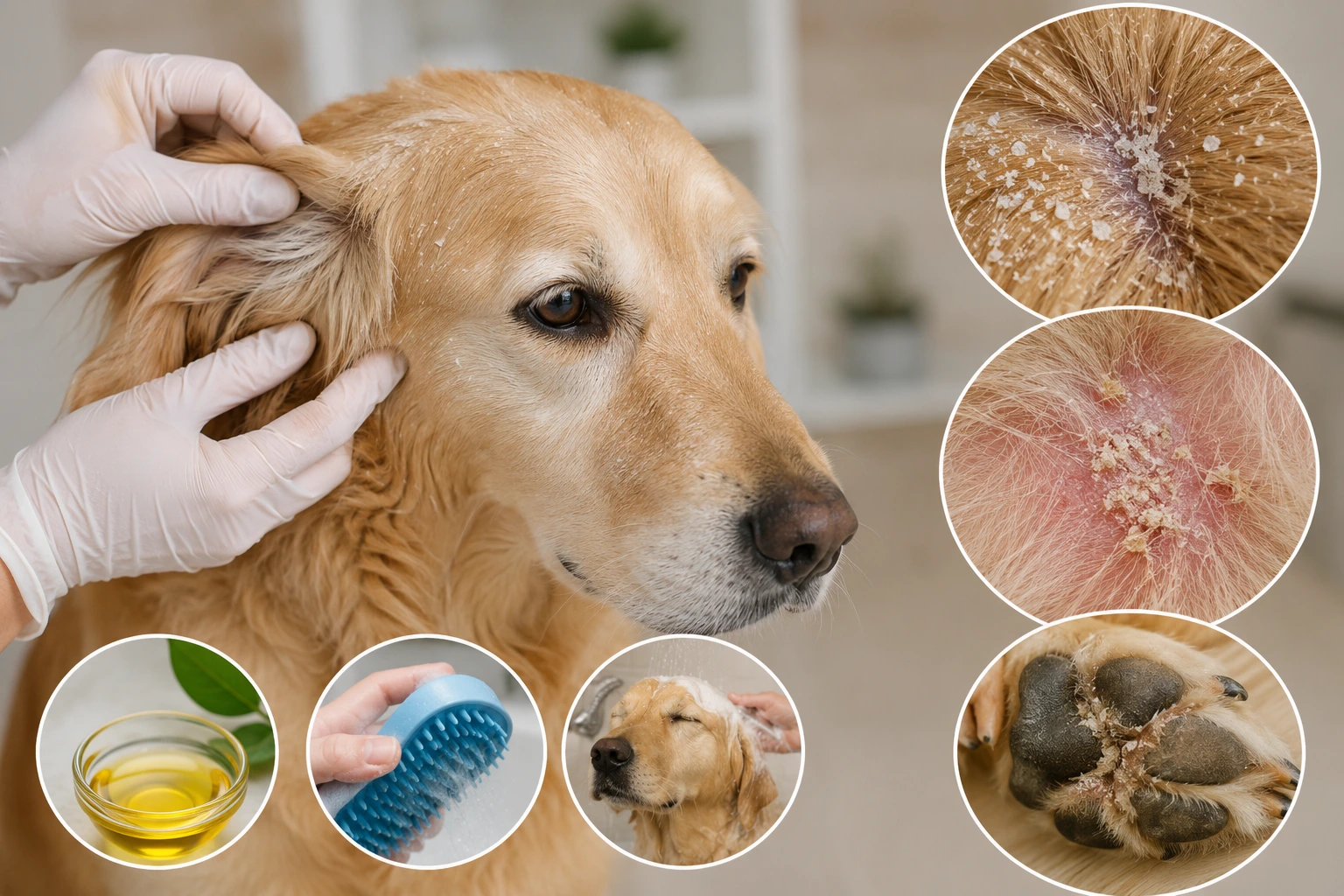
You might not think grooming has anything to do with vomit-eating, but it can support behavior management. Clean dogs are less likely to carry the scent of vomit on their fur, which means they’re less likely to be reminded of the behavior.
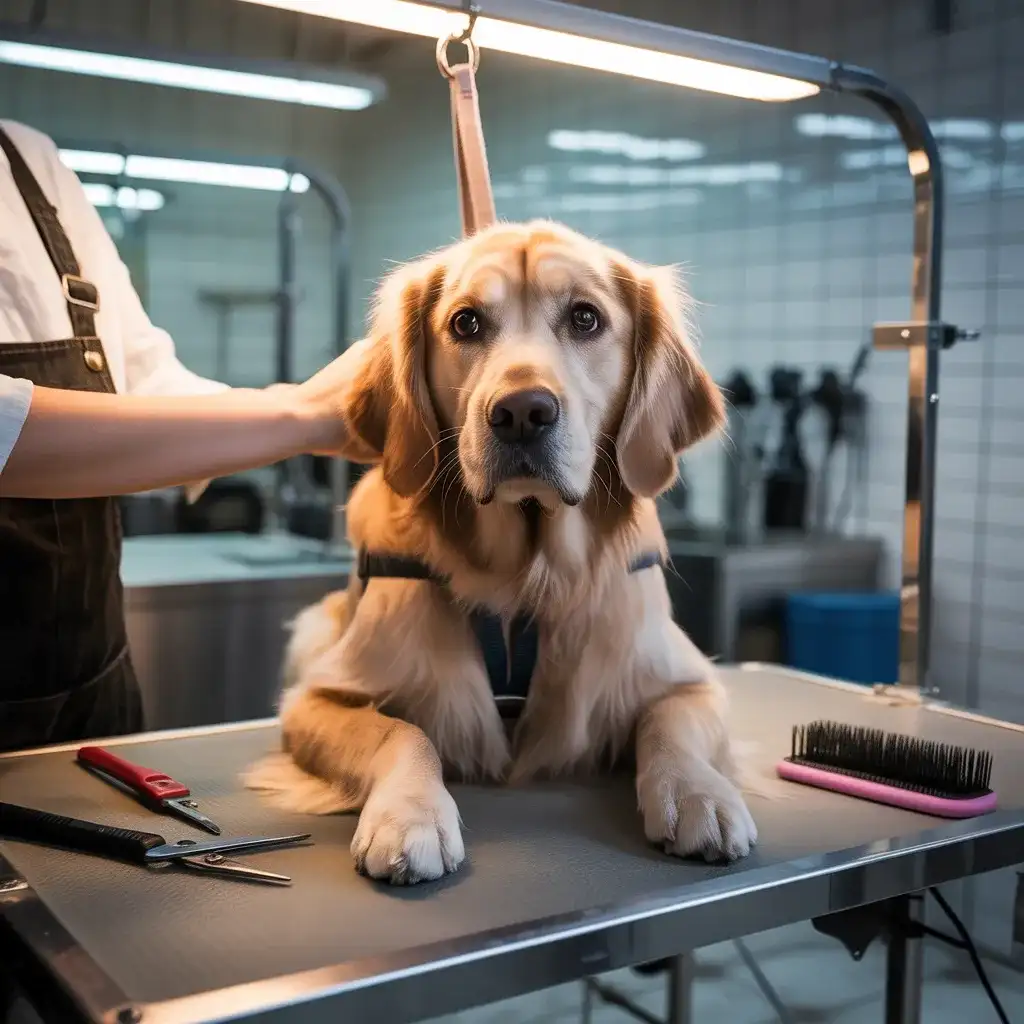
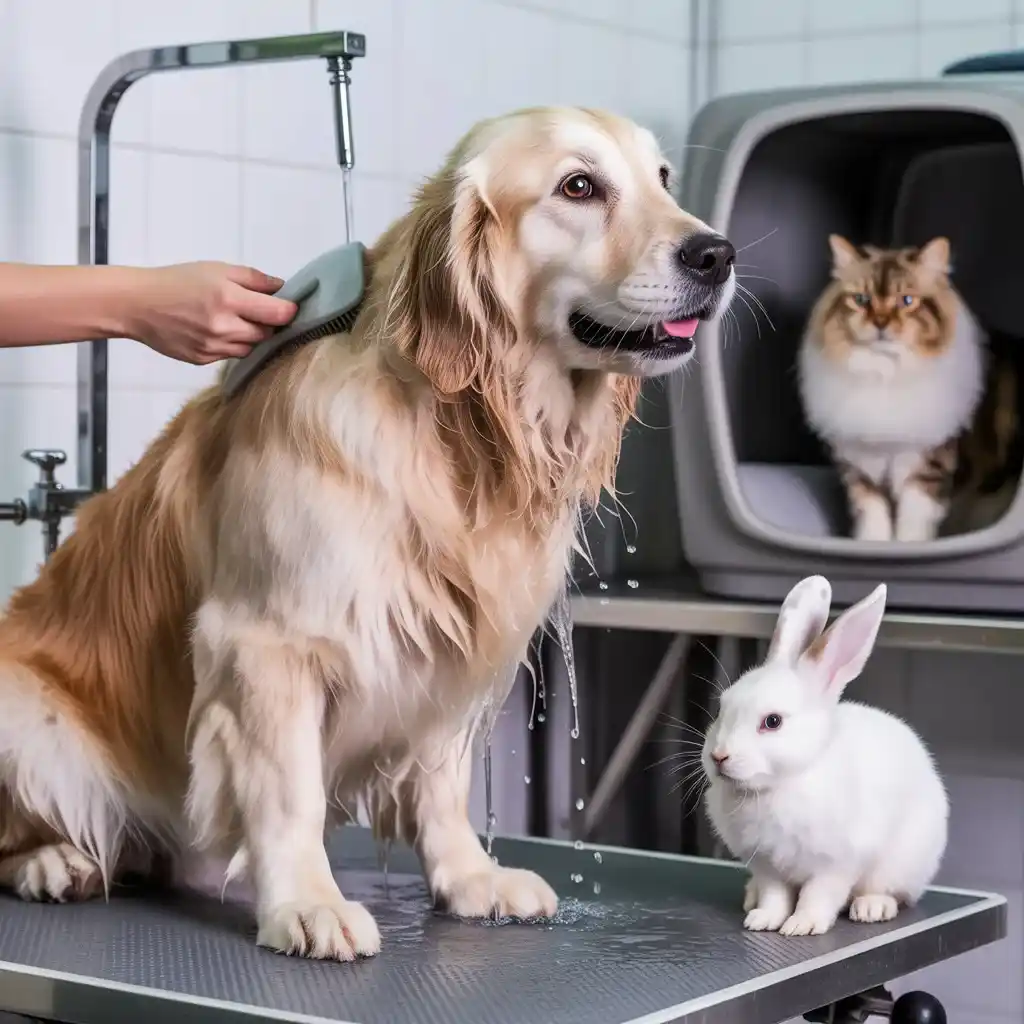
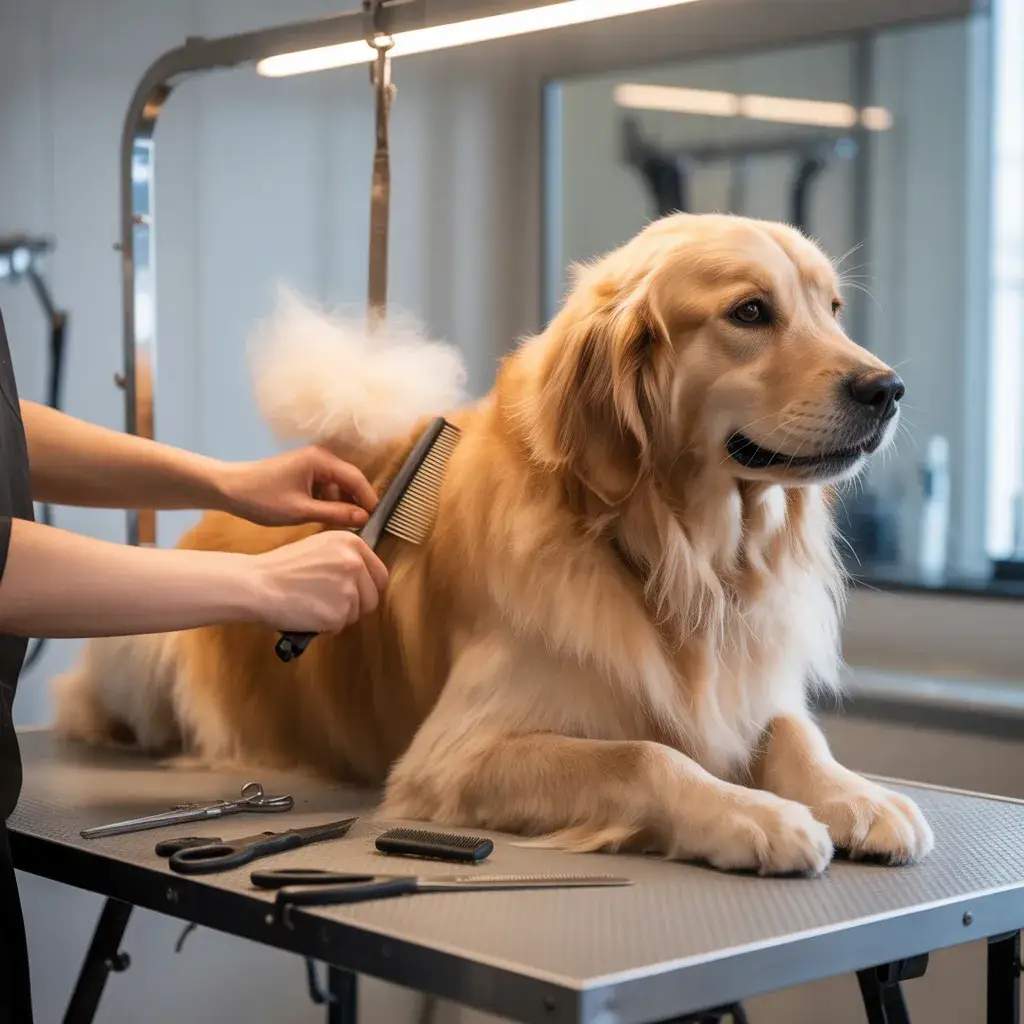
Regular dog grooming in Abu Dhabi also serves as moments of close interaction, allowing you to spot signs of recent vomit-eating, like residue or bad breath. If your dog tends to vomit on themselves and later licks it off, bathing helps eliminate this source of the problem.
Keeping their coat clean reduces the possibility of your dog forming a secondary habit of grooming themselves excessively after vomiting.
Moreover, grooming sessions can be calming and reinforce positive behavior. This indirectly helps reduce stress-related behaviors like vomiting and compulsive eating.
Conclusion
While it may be instinctual for dogs to eat their vomit, that doesn’t mean it’s a habit you should accept. Understanding the root causes of vomiting, recognizing why your dog might eat it, and knowing what to do now all go a long way toward solving the issue.
With immediate action, consistent training, and good hygiene, including grooming, you can help your dog leave this gross habit behind.
Book Your Dog’s Next Grooming Session Today!
If you want to keep your dog clean, healthy, and well-behaved, The Groom Room is here to help. Our expert pet grooming in Abu Dhabi not only leaves your pup looking great but also plays a role in reinforcing better hygiene habits.
Book your appointment today, and let’s tackle those habits cleanly!