



As a long-time pet owner and someone who has spent years caring for dogs and cats, I’ve witnessed how a simple grooming session can sometimes go wrong. Even with the best intentions, grooming injuries can happen, ranging from minor nicks to more serious issues. Over the years, my hands-on experience, combined with advice from Pet Grooming in Abu Dhabi, has taught me how to handle these situations safely and effectively.
In this guide, I’ll share insights on common pet grooming injuries and practical tips on how to treat them.
Understanding Pet Grooming Injuries
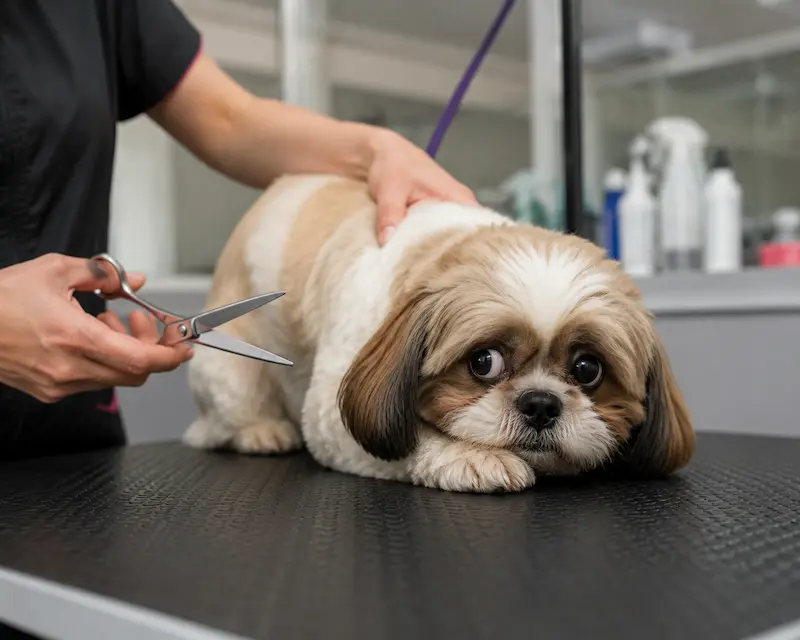
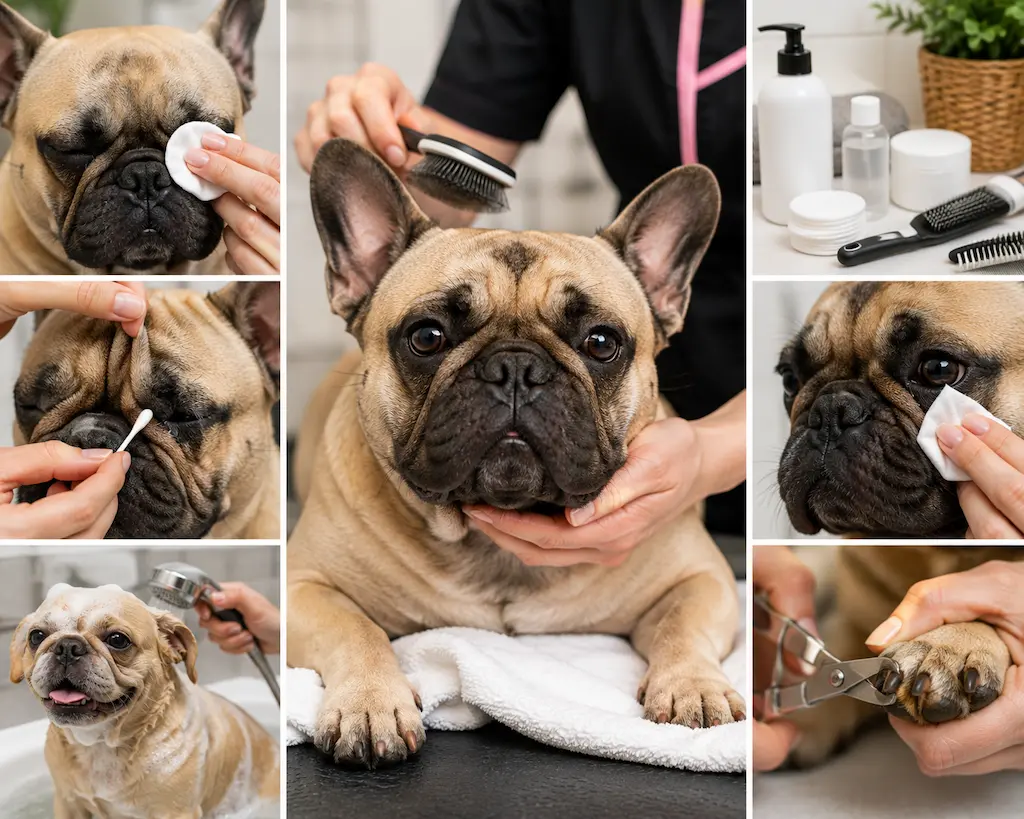
Pet grooming involves brushing, trimming, bathing, and nail clipping. While these activities are essential for your pet’s health, they also carry some risks. In my experience, the most frequent injuries occur due to:
- Improper handling: Pets can squirm, leading to accidental cuts.
- Using the wrong tools: Blunt scissors, clippers, or poorly maintained grooming equipment can cause injuries.
- Stress and anxiety: A stressed pet is more likely to move suddenly, increasing the risk of scratches or bites.
Being aware of these risks and preparing for them can make grooming safer for both you and your pet.
Common Types of Grooming Injuries
1. Cuts and Nicks
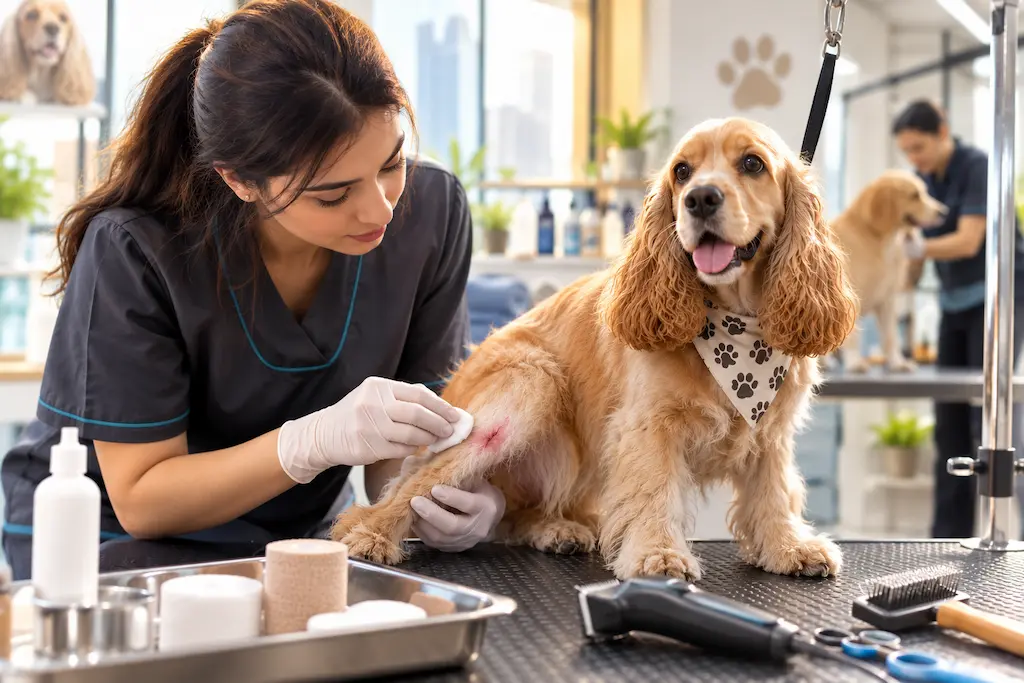
One of the most common injuries I’ve seen is small cuts while trimming hair or nails. Even a tiny nick can cause bleeding and discomfort.
How to Treat:
- Clean the wound gently with warm water and a mild antiseptic.
- Apply a pet-safe styptic powder or cornstarch to stop the bleeding.
- Ensure the wound stays protected and watch closely for any unusual changes or persistent irritation.
- If the cut is deep, seek veterinary attention immediately.
2. Burns from Clippers
Clippers can overheat and burn your pet’s skin if used for too long in one area. I had this happen when I rushed a grooming session.
How to Treat:
- Immediately run cool water over the burned area.
- Apply a thin layer of aloe vera gel or a pet-safe burn ointment.
- Allow your pet to rest and prevent them from licking the burn.
- Avoid using the clippers until they are properly cooled and maintained.
3. Nail Injuries
Cutting nails too short can cause bleeding and pain, something every pet parent dreads. From personal experience, it’s best to go slowly and trim small amounts.
How to Treat:
- Use a pet-safe styptic agent or a pinch of cornstarch to quickly stop the nail from bleeding.
- Keep your pet calm and avoid further stress.
- Reward your pet afterward to create a positive grooming experience.
- Consult your vet if bleeding persists.
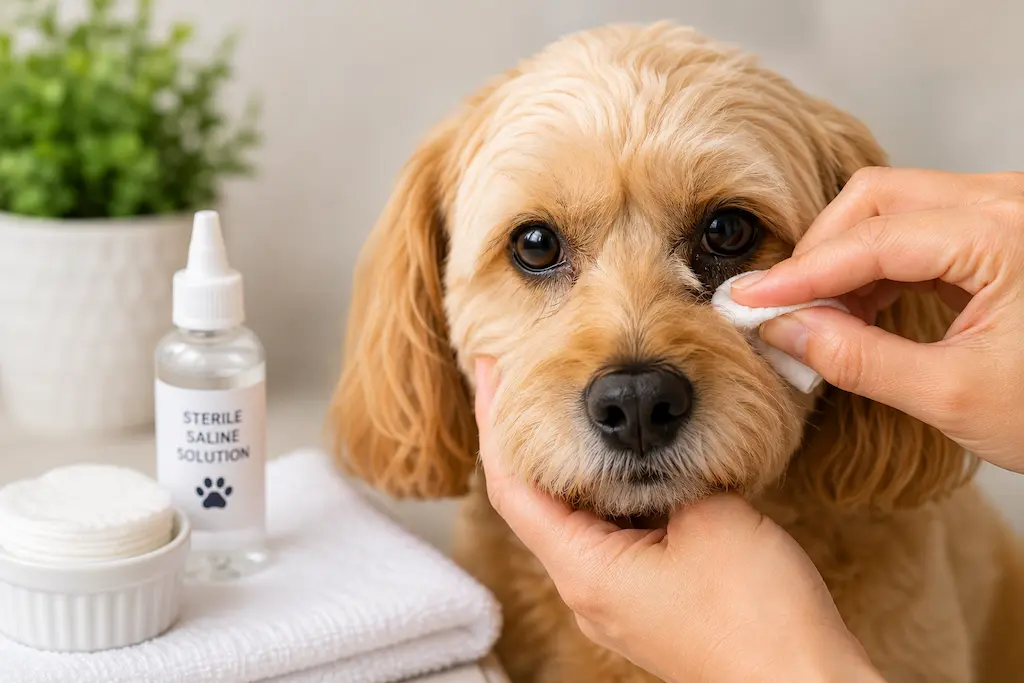
4. Eye Irritation
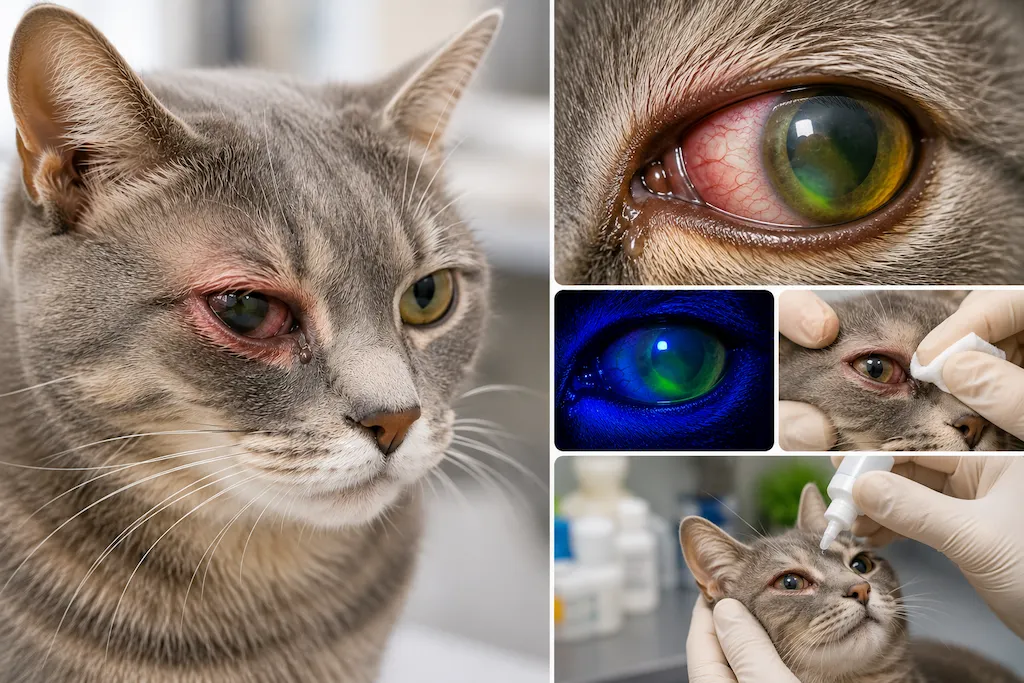
Sometimes shampoo or stray hair can get into your pet’s eyes, irritating them. I remember my cat once having redness after a thorough session of cat grooming in Abu Dhabi.
How to Treat:
- Flush the eye gently with lukewarm water or a veterinarian-approved eye rinse.
- Avoid using soaps or shampoos near the eyes in the future.
- If irritation continues, visit the vet to prevent infection.
Preventing Grooming Injuries
Over the years, I’ve learned that prevention is always better than treatment. Here are my top tips:
- Use quality grooming tools: Sharp, well-maintained scissors and clippers reduce the risk of cuts.
- Groom in a calm environment: A quiet, familiar space helps pets stay relaxed.
- Know your pet’s limits: Some pets need multiple short grooming sessions rather than one long session.
- Stay informed: Watch tutorials or consult professionals to learn proper grooming techniques.
When to Seek Veterinary Help
Even minor injuries can become serious if not treated promptly. Always consult a veterinarian if you notice:
- Persistent bleeding.
- Swelling or infection.
- Signs of pain, lethargy, or behavioral changes
Trusting your vet’s expertise ensures your pet’s safety and comfort.
Conclusion
Pet grooming injuries are common, but they don’t have to be alarming. With careful preparation, proper tools, and calm handling, most injuries can be prevented or treated at home if you avoid grooming mistakes that can cause more stress than comfort. My personal experience has taught me that patience, attention to detail, and a proactive approach make grooming a positive experience for pets and owners alike. By following these tips, you can keep your furry friends healthy, happy, and looking their best.