
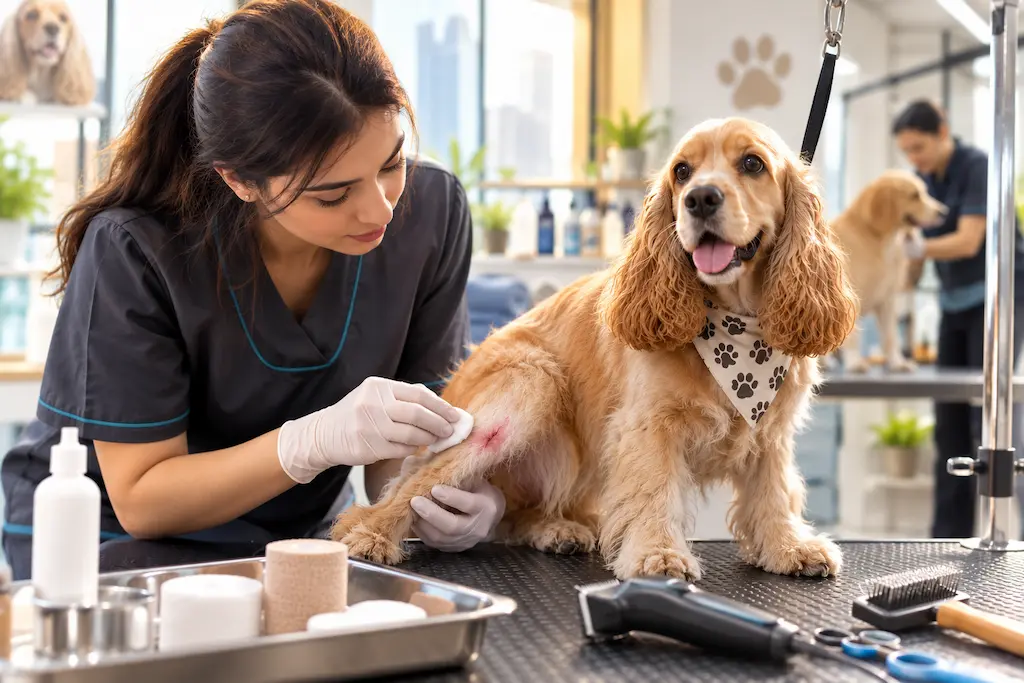
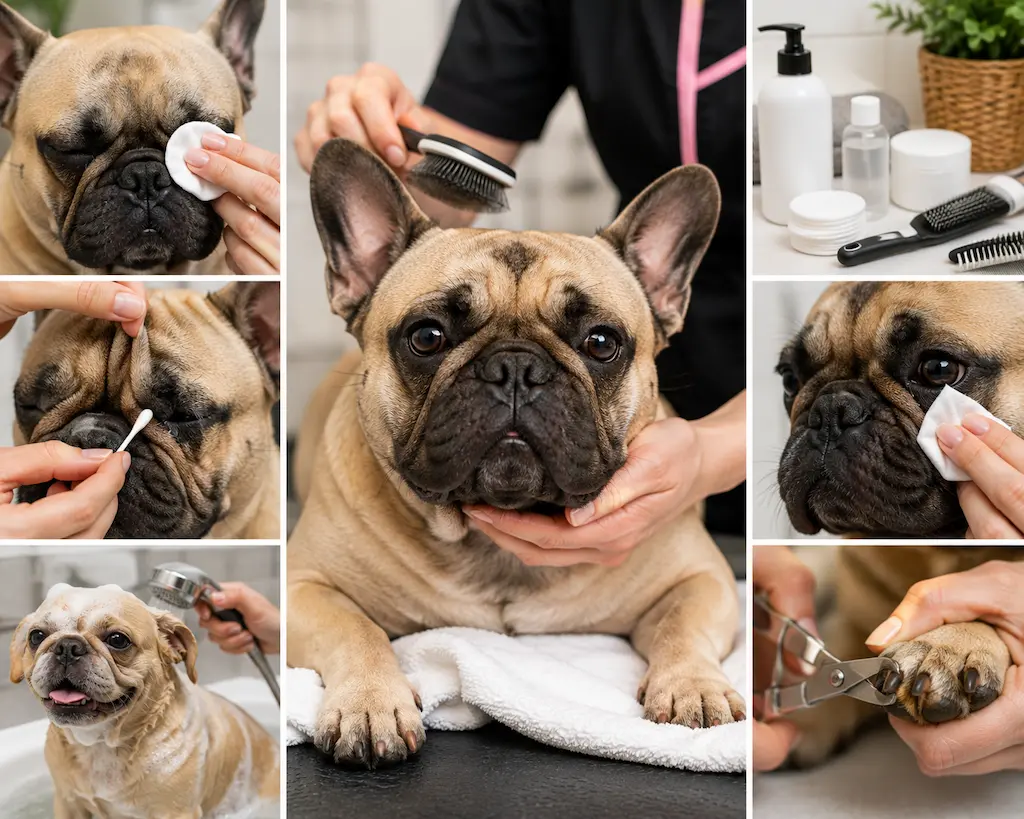
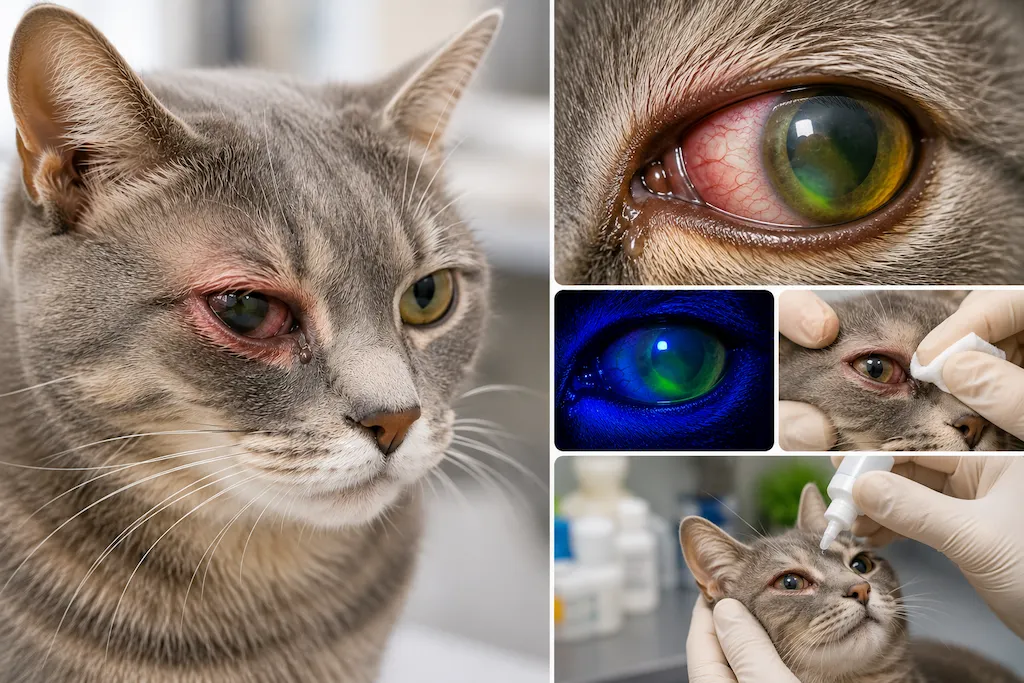
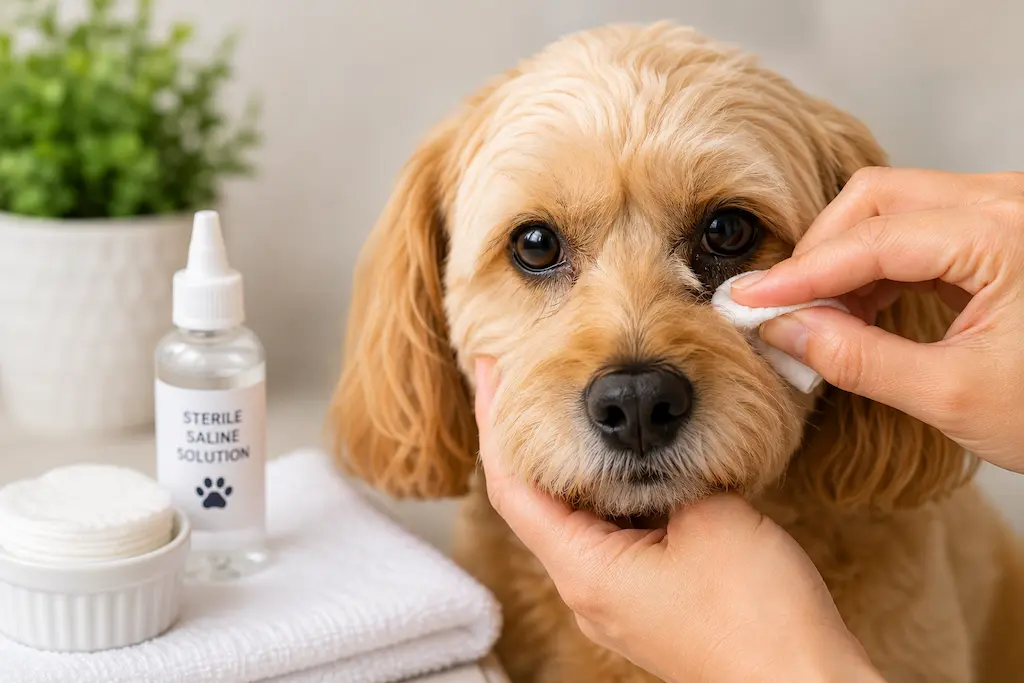

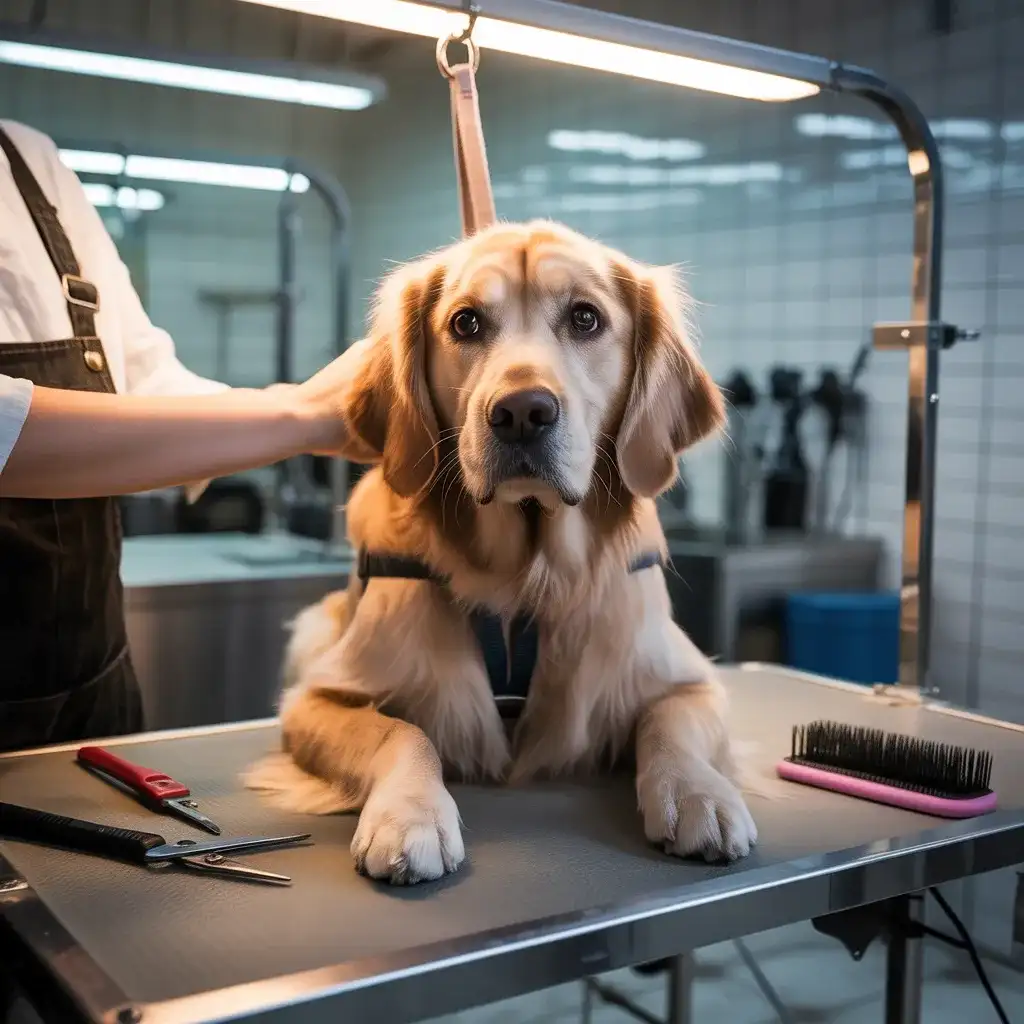
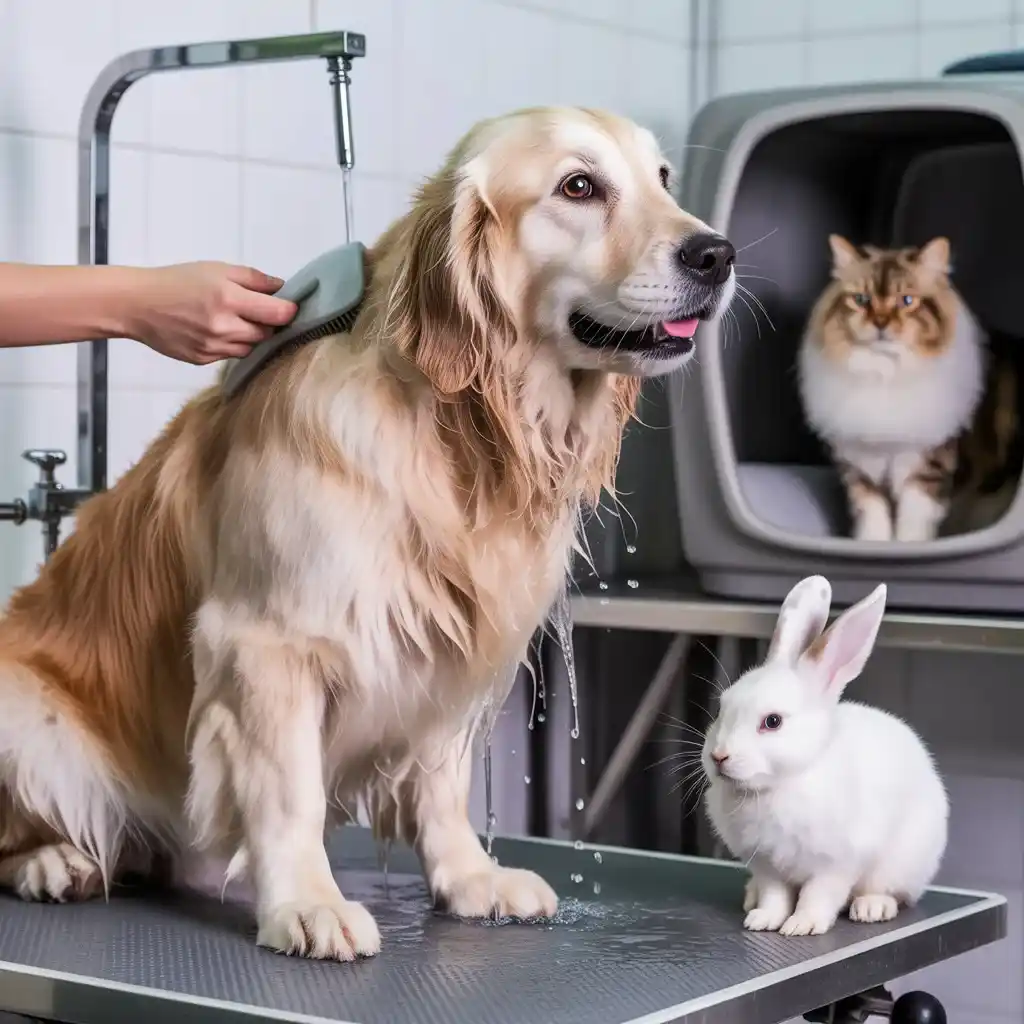
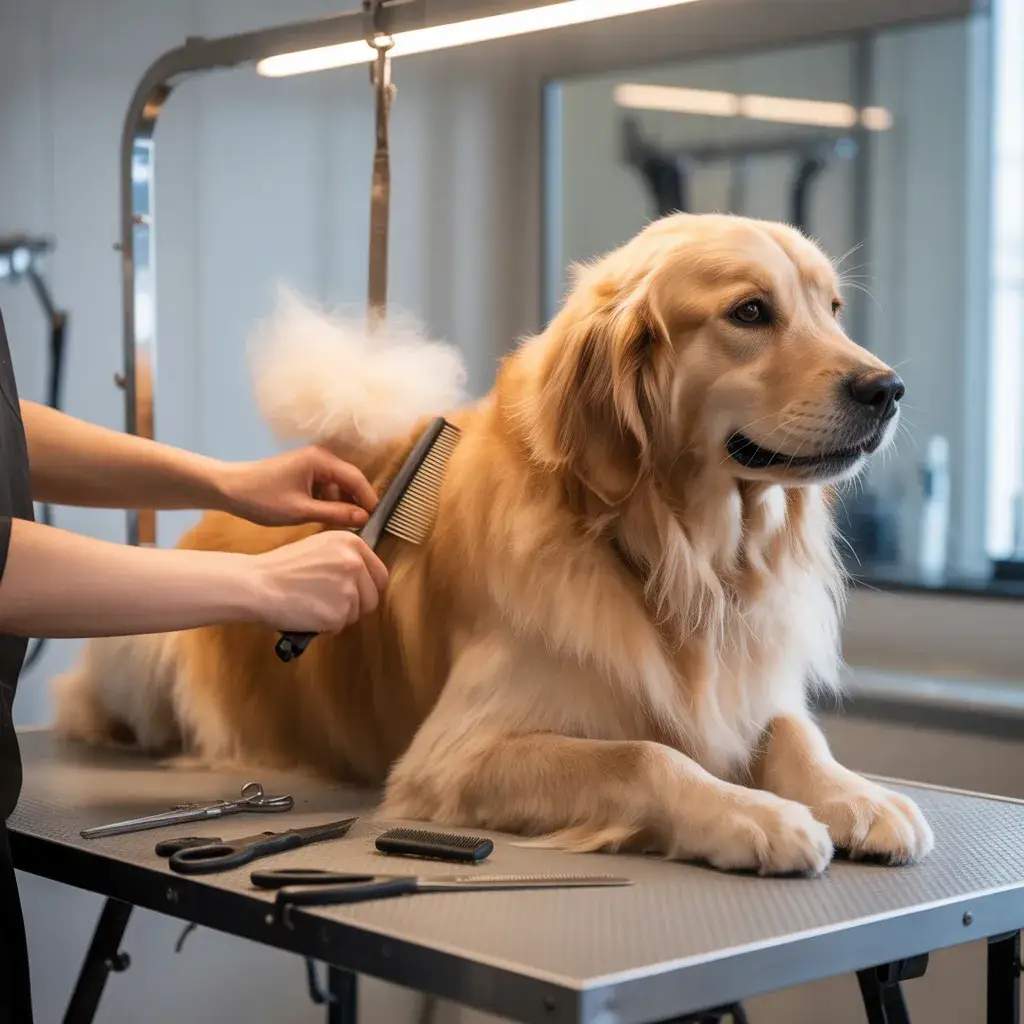

If you have ever tried to brush your dog or take them in for a bath and ended up dealing with shaking, hiding, or snapping, you are not alone. Many dog owners go through this, and it can be confusing and even a little heartbreaking to see your pet so upset. The truth is, grooming anxiety is one of the most common behavioral concerns that comes up when people seek pet grooming in Abu Dhabi. Dogs are not being difficult on purpose. There are real, understandable reasons behind their fear, and once you know what is causing it, helping them becomes a lot easier.
Whether you handle grooming at home or take your dog to a professional, understanding what goes through their mind during a session is the first step. Dog grooming in Abu Dhabi has grown significantly over the years, and experienced groomers will tell you that anxious dogs are extremely common across all breeds and ages. The key is not to force the process but to understand it from your dog’s perspective.
What Does Grooming Fear Actually Look Like in Dogs?
Before diving into the causes, it helps to recognize the signs. Not every dog will growl or try to run. Some show fear in much quieter ways, and if you miss those early signs, things can escalate quickly.
Common signs of grooming anxiety in dogs include:
- Trembling or shaking even before grooming begins
- Panting excessively when it is not hot
- Trying to move away or escape during brushing or bathing
- Yawning repeatedly, which is a stress signal in dogs
- Tucking the tail between the legs
- Freezing up or going stiff when touched in certain areas
- Growling, whimpering, or snapping when grooming tools come out
- Refusing to enter the bathroom or grooming area
If your dog shows any of these during grooming sessions, there is a specific reason behind it. Let us look at the most common ones.
Top Reasons Why Dogs Are Scared of Grooming
1. They Were Never Properly Introduced to Grooming Early On
Puppies that are not introduced to grooming tools, bathing, and handling early often develop fear of grooming later in life. Early socialization is important for building comfort and trust.
- Lack of experience makes grooming stressful
- No early grooming exposure leads to fear
- Bathing and handling should start young
- Socialization helps dogs stay calm as adults
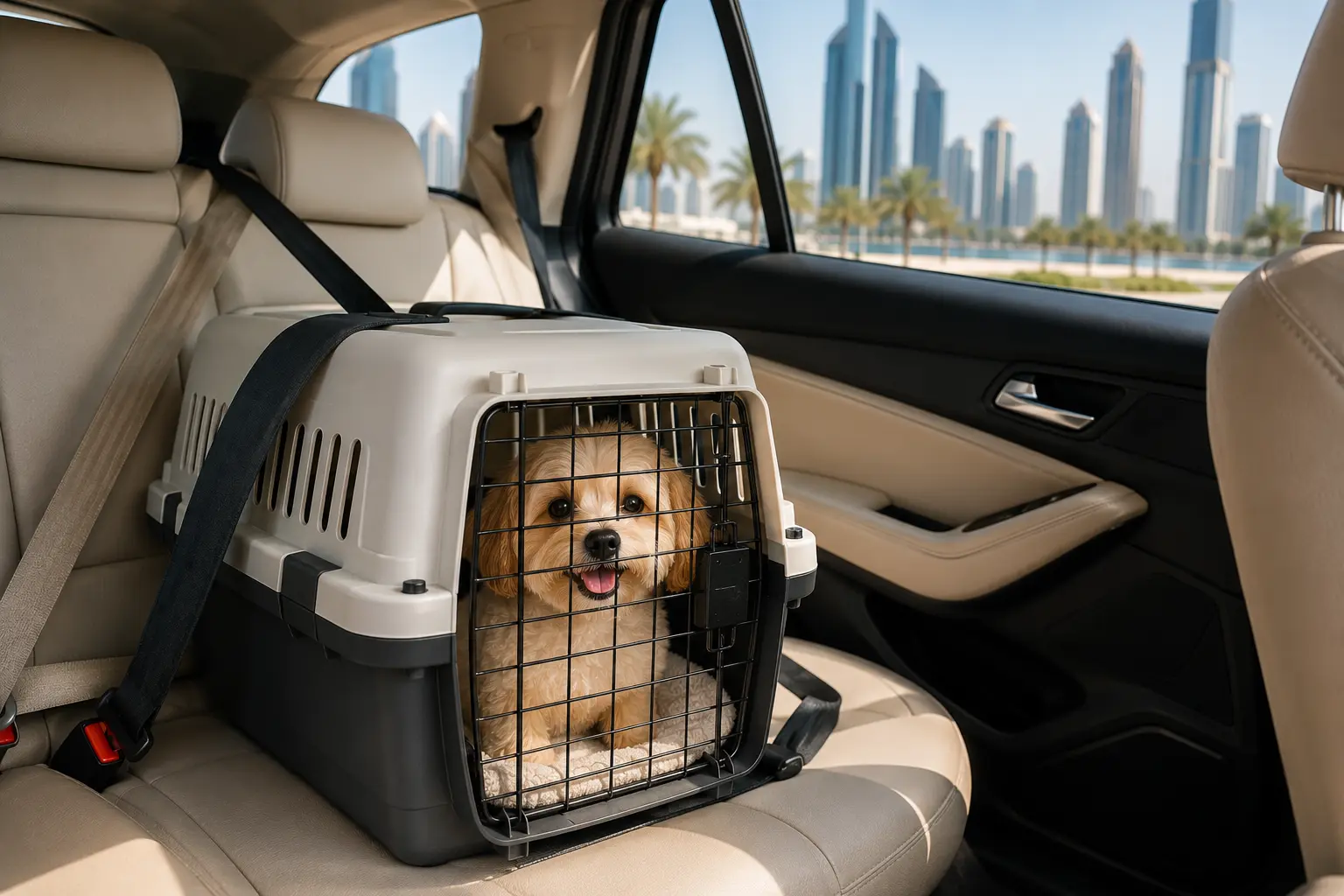
This is one reason why mobile pet grooming in Abu Dhabi has become such a helpful option for many pet owners. The groomer comes to your home, which is already a familiar and calm environment for your dog, making the experience feel far less threatening.
2. A Bad Past Experience Has Left a Lasting Impression
Dogs have strong memories when it comes to painful or scary experiences. A bad grooming session can make a dog fearful for a very long time, especially if the experience happened when the dog was young. Rescue dogs may also fear grooming because of unknown past experiences.
- Rescue dogs remembering previous trauma or fear
- Rough handling during grooming
- Accidental cuts from clippers or scissors
- Being held too tightly or restrained
- Loud grooming tools causing stress
- Groomers moving too fast around the dog
- Fear caused during early puppy stages
- Negative past experiences with baths or brushing
3. The Sensory Experience Is Overwhelming for Them
Some dogs become anxious during grooming because too many things happen at the same time. Loud sounds, strong smells, water, and unfamiliar handling can feel overwhelming, especially for sensitive dogs. They often need a calm and gradual grooming approach to feel safe.
- Stress caused by too much stimulation together
- Loud clipper and dryer noises causing fear
- Water sounds making dogs nervous
- Strong shampoo smells creating discomfort
- Being touched all over the body at once
- Unfamiliar groomers increasing anxiety
- New grooming environments feeling unsafe
- Sensitive dogs getting overwhelmed quickly
4. Physical Discomfort or Pain Is Being Triggered
Sometimes what looks like fear is actually a sign that the dog is in pain. Grooming can become stressful when certain areas of the body are already sensitive or uncomfortable. Pets often start avoiding grooming after repeated painful experiences.
- Vet checks helping identify hidden pain or skin problems before grooming
- Matted fur pulling painfully during brushing
- Ear cleaning causing pain from hidden infections
- Nail trimming hurting sore or injured paws
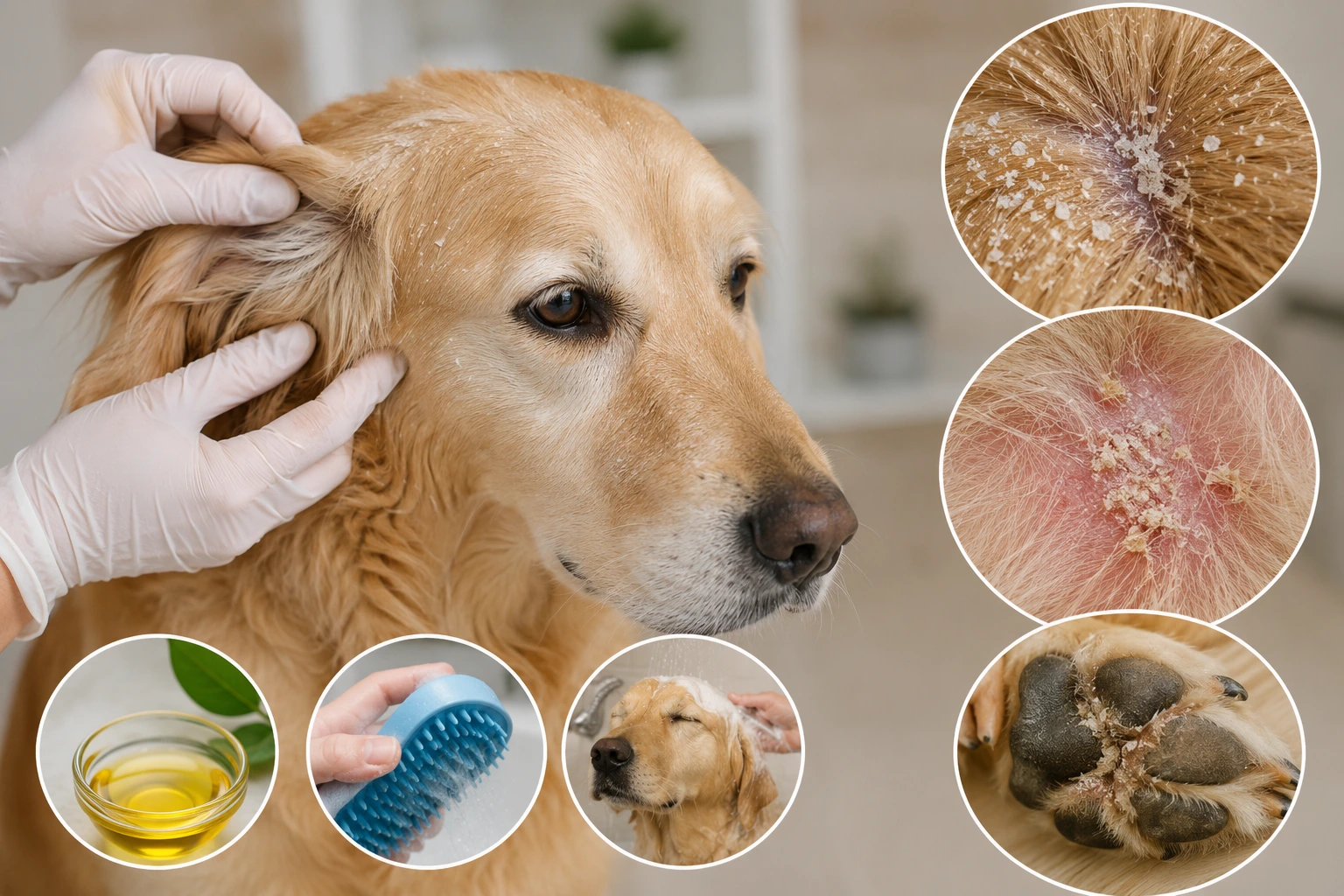
- Skin irritation making touch uncomfortable
- Dogs associating grooming with physical pain
- Fear developing after repeated painful sessions
- Sensitive areas causing resistance during grooming
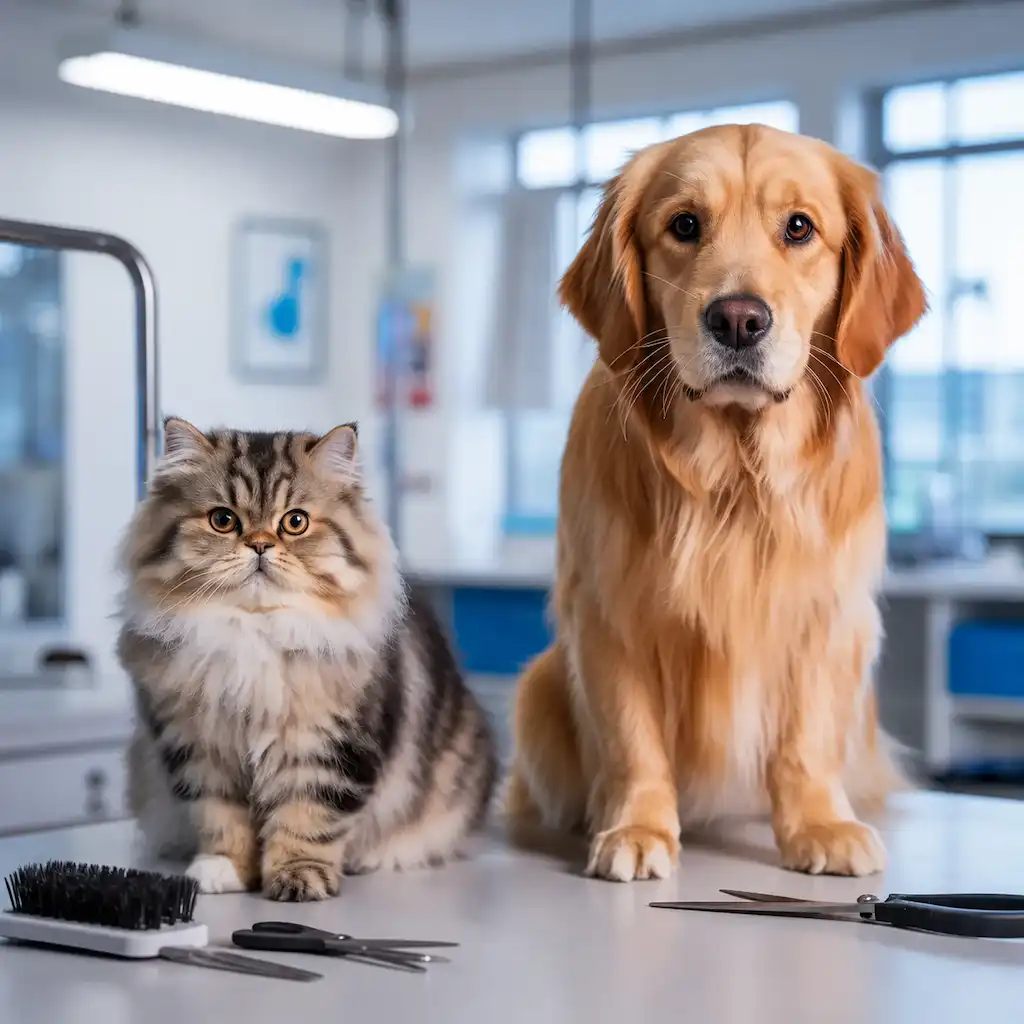
- Cats also showing grooming avoidance after discomfort
- Cat grooming in Abu Dhabi follows similar gentle approaches
What You Can Actually Do to Help Your Dog
Start Slow and Keep Sessions Short
- Start with comfort, not full grooming
- Let the dog sniff tools like brushes or clippers
- Reward with treats for calm behavior
- Begin with gentle touch before brushing
- Gradually increase from touch to a few strokes
- Keep sessions short and consistent
Handle Your Dog’s Paws, Ears, and Mouth Regularly at Home
Regular gentle handling at home helps your dog get used to grooming-type touch, making it feel normal instead of scary over time.
- Gently touch paws, toes, ears, face, and mouth
- Do it during calm moments like cuddle time
- Helps dog accept handling as normal behavior
- Reduces fear of grooming in the long run
Consider Choosing a Groomer Who Specializes in Anxious Dogs
Some groomers are trained to handle anxious dogs using fear-free methods, focusing on keeping grooming calm and stress-free. Choosing the right groomer can greatly improve your dog’s experience.
- Not all groomers handle anxious dogs the same way
- Fear-free groomers use calm, low-stress techniques
- Always ask about experience with anxious pets before booking
- Right groomer choice improves grooming experience
- Fear-free grooming is helpful for nervous dogs
Frequently Asked Questions
Is it normal for dogs to be scared of grooming?
Yes, it is very common. Grooming involves sounds, smells, handling, and restraint, all of which can feel stressful to a dog, especially if they were not introduced to the process early in life or have had a negative experience in the past.
At what age should I start grooming my dog to avoid fear?
Ideally, you should introduce your puppy to basic grooming between 8 and 16 weeks of age. This is a critical socialization window. Short, gentle, positive sessions during this period help build a foundation of comfort with grooming that tends to last throughout the dog’s life.
Can an adult dog learn to tolerate grooming if they were never trained as a puppy?
Absolutely. It takes more time and patience with adult dogs, but desensitization and counterconditioning techniques work at any age. The key is going slowly, never forcing, and consistently pairing grooming with positive experiences.
What should I do if my dog snaps or growls during grooming?
Stop the session calmly without punishing the dog. Growling and snapping are your dog’s way of communicating that they are overwhelmed. Punishing this can suppress those warning signals and lead to biting without warning. Instead, back off, let them calm down, and consider working with a professional trainer or a fear-free groomer.
Is mobile grooming better for anxious dogs?
For many anxious dogs, yes. Being groomed in a familiar home environment removes a lot of the stressors that come with a busy salon. The dog is already comfortable in that