








Grooming your cat is more than just a beauty routine; it’s essential for their health and comfort. But how often should you groom your cat or feline friend? The answer depends on several factors, including breed, coat length, age, and lifestyle. Combining veterinary guidance from pet grooming in Abu Dhabi and hands-on experience with cats, this guide will show you how to maintain a healthy grooming routine.
Why Grooming Your Cat is Necessary
Grooming is more than a cosmetic task; it’s an essential part of keeping your cat healthy and comfortable. Here are the key reasons why regular grooming is necessary:
- Healthy Coat: Removes loose hair and prevents tangles or matting.
- Prevents Hairballs: Reduces fur ingestion and digestive issues.
- Skin Health: Distributes natural oils and keeps skin moisturized.
- Early Health Check: Helps spot lumps, fleas, or skin problems early.
How Often Should You Groom Different Types of Cats
Short-Haired Cats
- Frequency: Once a week is usually enough.
- Short-haired breeds, like Siamese or American Shorthairs, naturally shed less and are generally low-maintenance.
- Regular brushing helps remove loose hair and reduce shedding on furniture.
Long-Haired Cats
- Frequency: Daily brushing is ideal.
- Breeds like Persians, Maine Coons, and Ragdolls are prone to tangles and mats, which can be painful and trap dirt.
- Use a wide-tooth comb for tangles and a slicker brush for loose hair.
Special Considerations
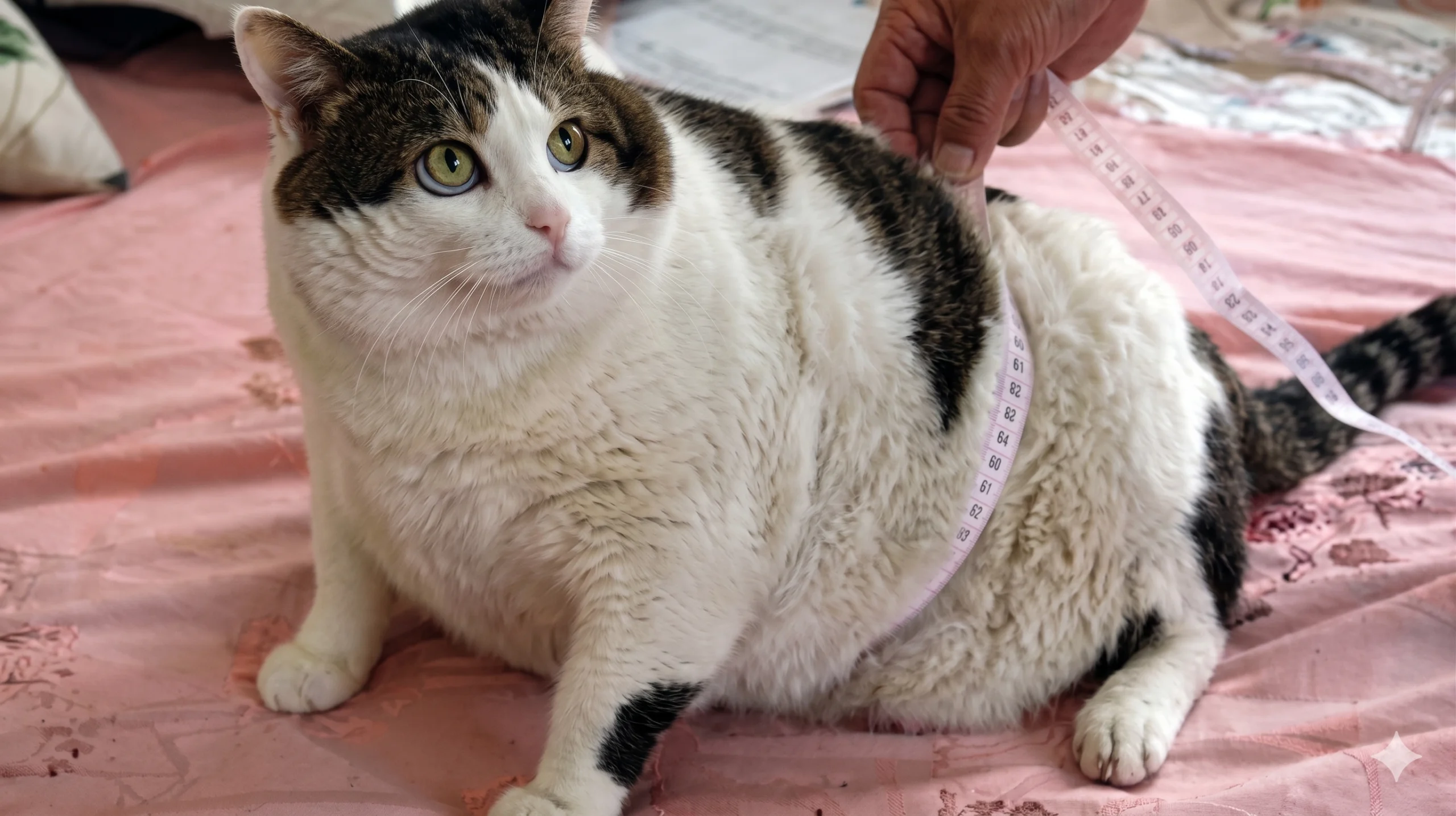
- Older or Overweight Cats: May need extra help, as they groom less efficiently.
- Indoor vs. Outdoor Cats: Outdoor cats may require more frequent grooming due to dirt and debris.
Essential Grooming Tools
Using the right tools makes grooming safer and more effective:
- Slicker brushes: For removing loose hair and preventing mats.
- Wide-tooth combs: Ideal for long-haired cats.
- Grooming gloves: Gentle and effective for sensitive cats.
- Nail trimmers: Keep claws at a safe length to prevent injury.
- Ear and eye wipes: Maintain hygiene and prevent infections.
Tips for Stress-Free Grooming
- Start young: Introduce grooming gently to kittens to build comfort
- Short sessions: 5 to 10 minutes is enough; longer sessions may stress your cat.
- Positive reinforcement: Use treats or gentle praise.
- Check for health issues: Grooming time is perfect for inspecting skin, ears, eyes, and teeth.
When to Seek Professional Grooming
For cats with thick or long fur, combining home care with professional cat grooming in Abu Dhabi is highly recommended.
- Long-haired cats with dense coats.
- Cats prone to matting or hairballs.
- Older or anxious cats who resist home grooming.
Professional groomers can handle baths, nail trimming, and specialized care safely.
Conclusion
There’s no one-size-fits-all answer to how often to groom a cat, but understanding your cat’s coat type, age, and lifestyle helps you tailor a routine. Short-haired cats usually need weekly grooming, while long-haired cats often require daily attention, so it’s helpful to follow the do’s and don’ts of cat grooming for best results. Regular grooming improves coat health, prevents matting, and helps you catch potential health issues early. With the right tools, techniques, and a gentle approach, grooming can become an enjoyable bonding experience for both you and your cat.
Frequently Asked Questions
Q: Does grooming make a cat feel more comfortable?
A: Yes, grooming relieves discomfort, reduces tangles, and helps cats feel relaxed and clean.
Q: What are the effects of skipping cat grooming?
A: Skipping grooming can lead to matting, hairballs, skin problems, and general discomfort.
Q: How should you respond if your cat is upset with you?
A: Give your cat space, speak softly, and use gentle gestures or treats to rebuild trust.