




Have you ever stepped out the door and returned to find your shoes chewed up or your couch cushions in disarray? Or maybe your neighbor mentions hearing your dog bark for hours after you leave.
These aren’t just signs of boredom; they could be your pet crying out for you. Many pet parents face this emotional dilemma, unsure how to help their furry companion cope.
You might notice your cat hiding when you’re gone or your dog waiting anxiously by the door for hours. It’s heartbreaking to think that our absence can trigger such strong reactions. And the guilt that follows can feel just as overwhelming.
You’re not alone if you’ve rearranged your schedule or turned down plans to avoid leaving your pet alone. All of these can be signs of separation anxiety.
What is Separation Anxiety in Pets?
Separation anxiety is a condition where pets experience extreme stress and anxiety when separated from their primary caregiver. It’s not simply about missing you; it’s a deep, emotional response that disrupts their routine and comfort.
Dogs are more commonly affected, but cats can suffer too.
This anxiety can begin suddenly, often after a change in routine, like returning to work after being home during holidays or lockdowns. Even a single traumatic experience, such as being rehomed or left in a boarding facility, can set off this issue.
Unfortunately, it’s far more common than most pet owners realize, often going undiagnosed or misattributed to bad behavior.
Common Signs of Separation Anxiety
If your pet is showing any of the following symptoms, separation anxiety could be the root cause:
- Excessive Barking: Constant howling or barking that starts soon after you leave the house.
- Destructive Behavior: Chewing furniture, scratching doors, or tearing pillows when alone.
- Potty Accidents: Urinating or defecating indoors even when housetrained.
- Pacing or Restlessness: Repetitive movements like pacing near the door or windows.
- Depression: Lack of interest in toys, food, or play while you’re away.
- Escape Attempts: Trying to break out of crates, windows, or doors to find you.
- Drooling or Panting: Signs of stress, especially in dogs, even in cool environments.
- Excessive Grooming: Cats may over-groom or pull out fur when stressed.
When It’s Not Separation Anxiety: Why Expert Advice Matters
While these signs can point to separation anxiety, they’re not always definitive. A dog urinating indoors could face a urinary tract infection, and a cat hiding might be in pain due to arthritis or digestive issues. That’s why it’s crucial not to jump to conclusions based on behavior alone.
Consulting with a vet or pet behaviorist is essential to rule out underlying medical causes. Sometimes, what appears to be anxiety could be a symptom of discomfort, cognitive decline, or even vision or hearing loss.
Misdiagnosing can lead to ineffective treatment or worsen the condition unintentionally.
How to Manage Separation Anxiety in Pets
Once a professional confirms separation anxiety, there are several proven ways to help your pet feel more secure and comfortable when alone:
1. Desensitization Training
This technique slowly and systematically reduces your pet’s sensitivity to being left alone.
You start by practicing very short departures, just stepping out for a minute, then gradually increasing the duration over days or weeks. The key is to avoid triggering full-blown anxiety while still helping your pet adjust.
Pair your exits with a neutral or positive experience, such as giving a treat or a toy.
2. Environmental Enrichment
Boredom can worsen separation anxiety, so keeping your pet mentally stimulated is important.
Use puzzle feeders, treat-dispensing toys, or interactive games that keep them engaged while you’re away. Rotating different toys each day can keep things fresh and exciting. You might also try leaving the radio or TV on low volume to provide background noise and a sense of presence.
3. Positive Associations
Changing the emotional meaning of your departure is crucial. Try offering your pet a high-value treat or favorite toy whenever you leave the house. Over time, they associate your leaving with something enjoyable rather than distressing.
You can even reserve a special toy or snack they only get when you’re gone. This technique helps shift their mindset from panic to anticipation healthily.
4. Calming Products
Natural calming aids can help reduce the intensity of your pet’s anxiety. These include pheromone diffusers (like Adaptil for dogs or Feliway for cats), calming collars, herbal supplements, or even thunder shirts that provide gentle pressure.
While these products don’t fix the root cause, they can take the edge off and improve your training efforts. They’re especially useful in mild cases or when used alongside behavioral therapy.
5. Professional Training
Sometimes, separation anxiety needs expert intervention. Certified animal behaviorists or dog trainers with experience in anxiety disorders can create a structured plan tailored to your pet’s specific triggers.
These professionals use advanced techniques like counterconditioning, desensitization, and behavior shaping to address the issue at its core. Regular check-ins and adjustments to the plan ensure that your pet continues to progress.
6. Medication (if Prescribed)
Medication may be necessary in moderate to severe cases to help your pet cope. Anti-anxiety medications can reduce stress levels enough to allow training and behavioral therapy to take root.
These drugs are typically prescribed after a thorough evaluation by a vet and are closely monitored. They are not a long-term substitute for behavioral work but rather a tool to support it. With the right dosage and supervision, medication can significantly improve your pet’s quality of life during recovery.
Preventing Separation Anxiety in the First Place
While some pets are naturally more prone to anxiety due to genetics or past trauma, early intervention and mindful habits can reduce the likelihood of separation anxiety developing in the first place.
1. Avoid Over-Attachment
While bonding with your pet is essential, creating too much dependence on your constant presence can be harmful. If your pet follows you everywhere or panics when you’re out of sight, it’s a red flag.
Make it a point to allow them some quiet time alone during the day, even when you’re home. Encourage independent play with interactive toys or chewables that don’t require your involvement.
This helps strike a healthy balance between love and independence.
2. Create a Consistent Routine
A predictable daily routine provides structure and a sense of safety for pets. Feeding, walking, and playtime should be consistent to build confidence in their environment.
When pets know what to expect, they’re less likely to react with anxiety during unexpected changes. Sudden shifts, like an unplanned late return or missed walk, can feel much more disruptive without a routine.
Even on weekends, try to keep your pet’s schedule relatively stable.
3. Socialization and Confidence Building
Exposing your pet to various environments, people, and animals from a young age can reduce general anxiety and build emotional flexibility. Confident pets who’ve had positive experiences in different situations are better equipped to handle moments of solitude.
Take them on safe adventures like a car ride, a pet-friendly store, or meeting new people at the park. Pair these new experiences with treats and praise to reinforce positivity. This helps your pet see the world as a safe place, not a source of constant stress.
4. Use Departure Cues Wisely
Pets are extremely observant and quickly associate specific cues, like picking up keys, putting on shoes, or grabbing your bag, with your departure. If these triggers always lead to you leaving, they can become anxiety-inducing even before you walk out the door.
Desensitize your pet by performing these actions randomly throughout the day without leaving. For example, pick up your keys, sit back down, or put on your shoes and go to the kitchen instead of the front door.
Common Questions From Pet Owners
Many pet parents have similar questions regarding tools, training methods, and lifestyle changes that might help. Below, we answer some of the most commonly asked questions to guide you in the right direction.
1. Does getting another pet help?
Not necessarily. While it might seem like a second pet could keep your anxious one company, it doesn’t always solve the underlying issue. If the first pet emotionally depends on you, a new companion may be ignored or even resented.
Additionally, bringing a second animal into the home requires time, adjustment, and compatibility, which can sometimes increase stress rather than reduce it. Discussing this option with a vet or behaviorist before making the leap is always best.
2. Is crate training helpful?
Crate training can be incredibly beneficial when done correctly. Some pets see the crate as a safe, comforting den where they can relax while you’re away.
However, the crate may feel like confinement or punishment for others, especially pets already showing signs of panic. The slow and positive introduction is crucial; never force them inside or use it as a timeout.
Observe your pet’s reaction and consult a professional to tailor crate use to their needs.
3. Should I try medication?
Medication can be a valuable part of a broader treatment plan in certain cases. It’s usually prescribed when anxiety is so intense that it prevents progress through behavioral training alone.
These medications don’t “fix” the problem but reduce distress enough for your pet to respond to conditioning techniques. It’s vital to follow your vet’s advice carefully, including proper dosage and monitoring for side effects. Never medicate your pet without professional guidance.
4. Can grooming visits trigger anxiety?
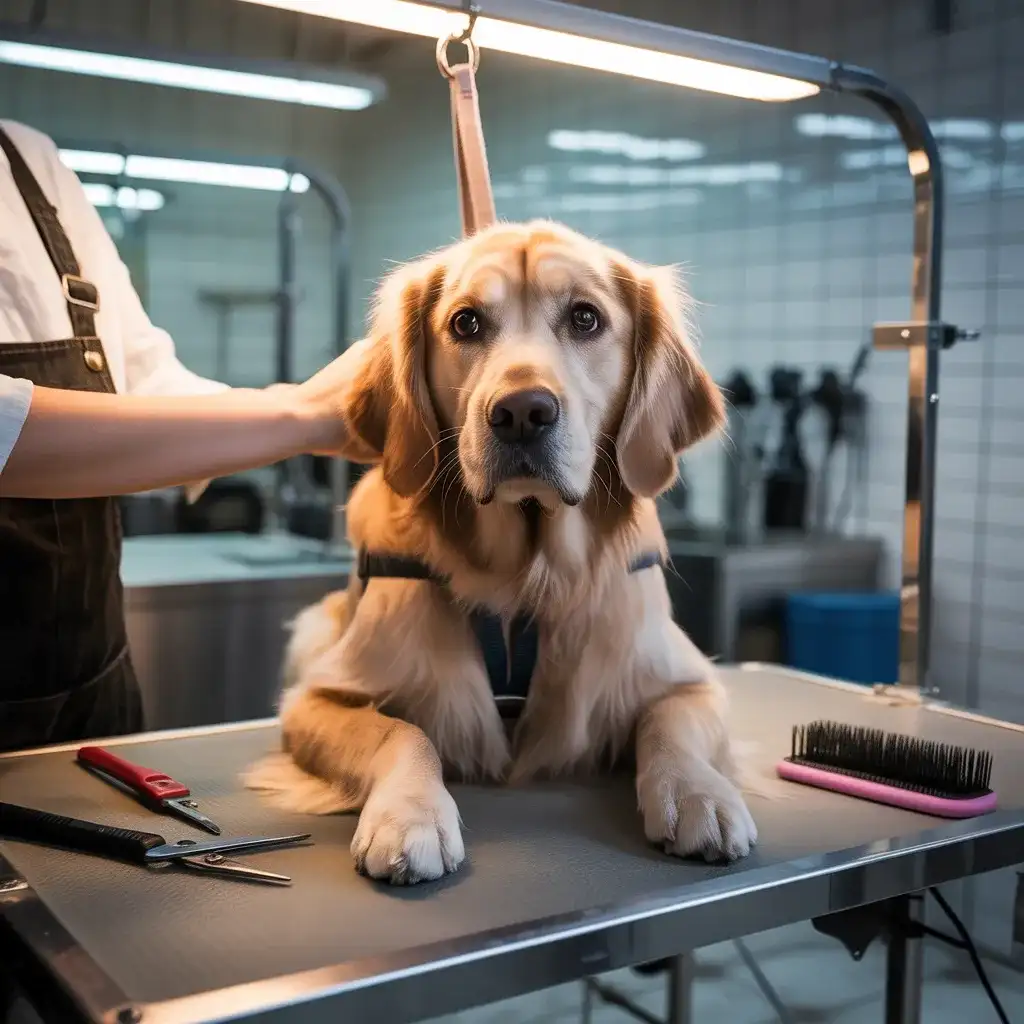
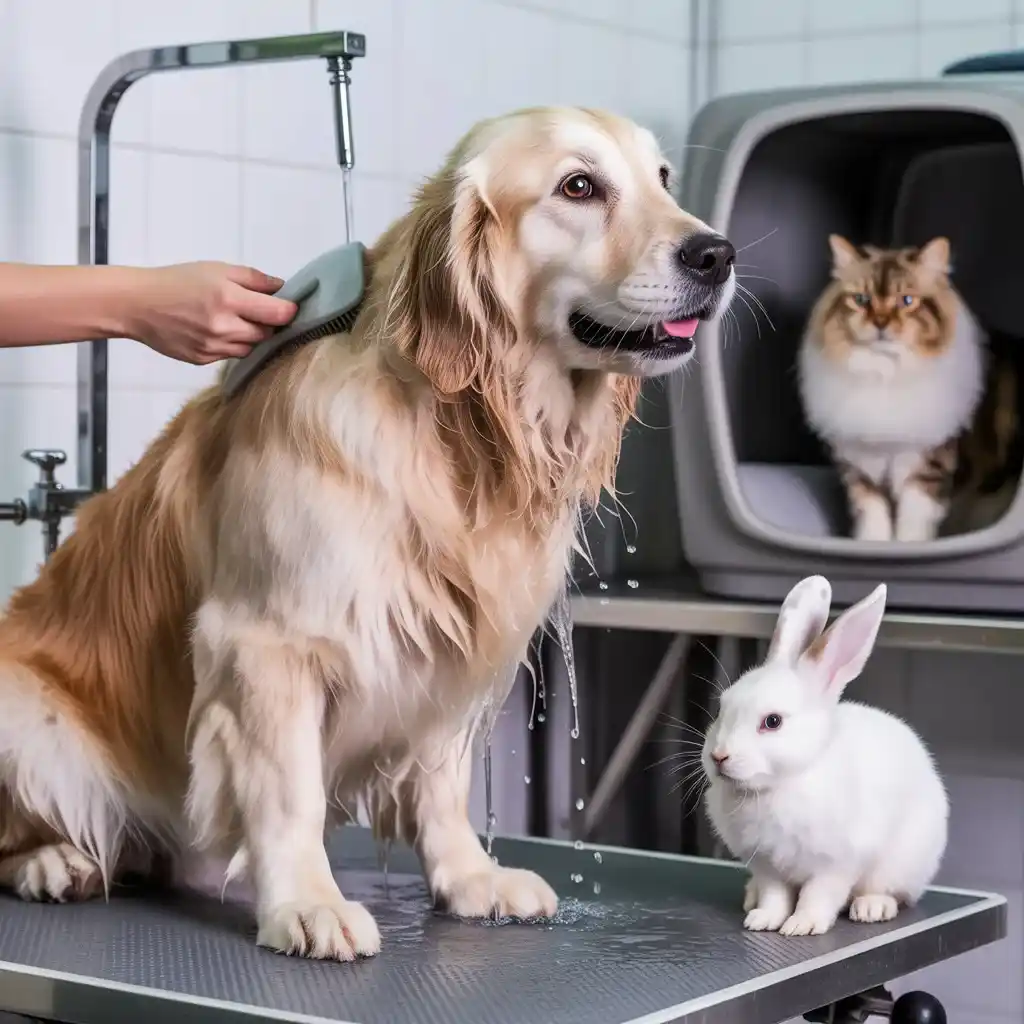
Absolutely. Even short grooming visits can feel like abandonment if not managed thoughtfully for pets prone to separation anxiety. Stressful grooming environments or past negative experiences can also amplify their fear.
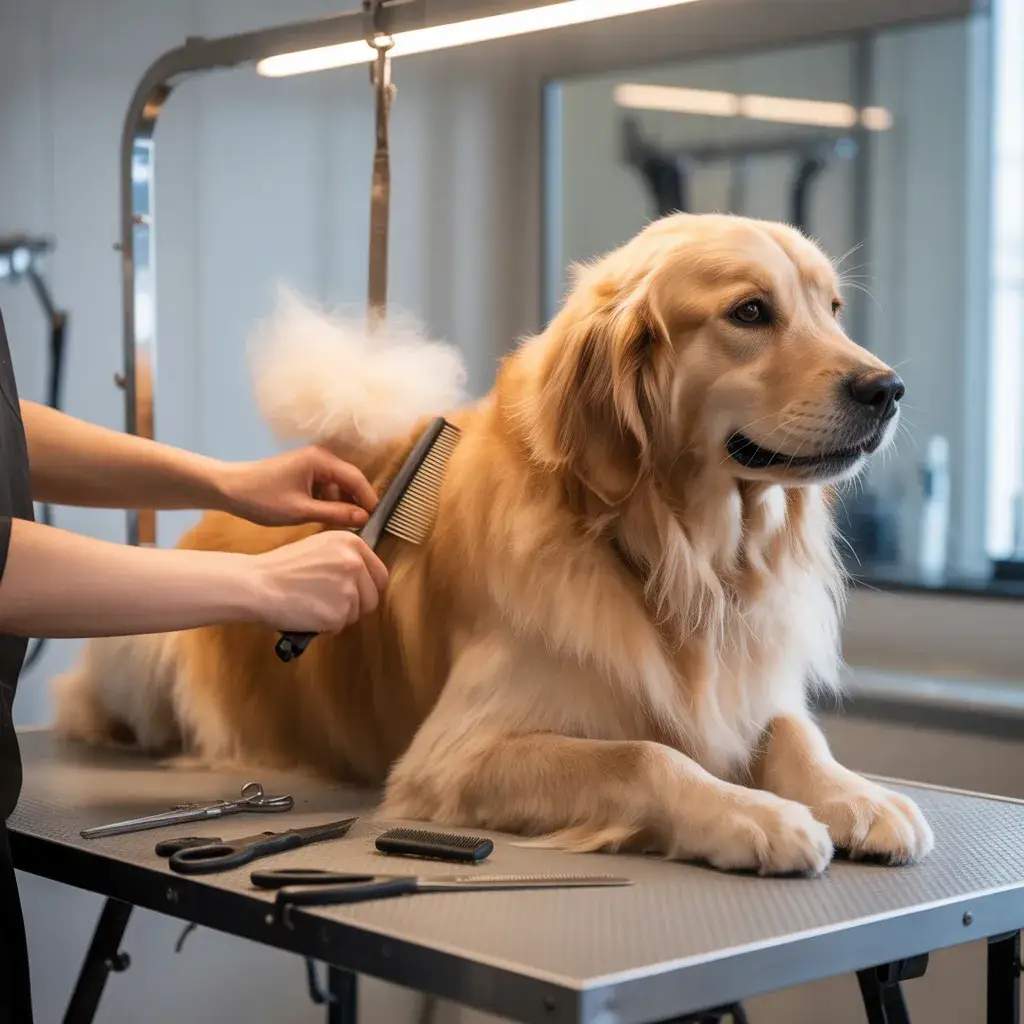
That’s why choosing a grooming salon with trained, empathetic staff who understand anxiety triggers is important. At specialized salons for pet grooming in Abu Dhabi, special care is taken to build trust, reduce stress, and make grooming a calm, safe experience for every pet.
5. What if I work long hours?
A busy schedule doesn’t have to mean a stressed-out pet. If you’re often away for extended periods, consider hiring a dog walker, scheduling a midday pet sitter, or enrolling your pet in daycare.
These services help break up the day and offer social interaction, which can ease the emotional burden of being alone. Also, consider using pet cameras or treat dispensers that let you check in and interact remotely.
Who Can Help?
You don’t have to tackle this alone. Veterinarians are your first stop as they can diagnose, rule out medical issues, and prescribe medication if needed. Certified animal behaviorists and dog trainers can develop personalized behavior modification plans.
Groomers and boarding professionals also play a role. When trained to spot signs of stress, they can alert you early. A caring grooming experience can help reduce stress and create positive routines, making your pet more comfortable with being handled or away from you.
Conclusion
Separation anxiety in pets isn’t just a behavioral problem but an emotional struggle that deserves understanding and compassionate action. Whether you’ve noticed the signs or are looking to prevent them from developing, taking the right steps early can protect your pet’s emotional well-being and peace of mind.
Visit Groom Room: Your Partner in Pet Wellbeing
At The Groom Room, a premium pet grooming in Abu Dhabi, our pet-friendly space, patient staff, and understanding approach help create positive associations for your furry friends. Whether it’s regular grooming or expert advice on managing pet anxiety, we’re here to support you and your pet every step of the way.
Book your appointment today and let your pet experience comfort, care, and calm.