






Ayesha loved sharing her home with her playful Labrador, Max, but keeping the house clean often felt like a never-ending task. No matter how frequently she vacuumed, pet hair collected on the sofa, muddy paw prints appeared near the entrance, and a faint doggy smell lingered after outdoor adventures. During a routine grooming appointment, she realized the problem wasn’t just her cleaning routine, it was that Max needed more consistent grooming to reduce shedding, dirt, and odors before they spread throughout the house.
Experiences like Ayesha’s are common among pet owners. As professionals providing pet grooming in Abu Dhabi, we’ve seen how a simple hygiene routine combining regular grooming with good household cleaning habits can make a remarkable difference. Keeping your pet clean not only creates a fresher home but also helps reduce allergens, bacteria, parasites, and skin problems, supporting the health of both your family and your furry companion. Whether you’re a first-time pet owner or have cared for pets for years, these practical hygiene tips will help you maintain a cleaner, healthier home.
Why Is Hygiene Important When You Have Pets?
Pets can bring in dirt, dander, fur, and even parasites from outside. Without proper hygiene practices, your home can become a hub for allergens, bacteria, and unpleasant odors. Good hygiene not only keeps your environment clean but also prevents potential health issues for you and your pets.
1. Clean Your Home Regularly
Keeping your home clean is the first step toward maintaining a healthy environment for both your family and your pets. Even well-groomed pets naturally shed fur, track in dust, and leave behind dander that can trigger allergies or unpleasant odors. For pet owners in Abu Dhabi, frequent cleaning becomes even more important because fine sand and dust can easily cling to your pet’s coat and paws after outdoor walks.
To keep your home fresh and hygienic:
Pay extra attention to high-traffic areas:
Entryways, living rooms, and your pet’s favorite resting spots tend to collect the most fur and dirt, so cleaning these spaces more frequently can make a noticeable difference.
Vacuum at least 2–3 times a week:
Use a vacuum cleaner with a HEPA filter to remove pet hair, dander, dust, and allergens from carpets, rugs, upholstery, and other soft furnishings.
Mop hard floors with pet-safe cleaners:
Regular mopping removes bacteria, dirt, and sand brought in from outside while keeping floors safe for both bare feet and sensitive paws.
Dust surfaces regularly:
Pet hair and dander often settle on shelves, baseboards, windowsills, and furniture. Wiping these areas with a microfiber cloth helps improve indoor air quality and reduces allergen buildup.
2. Wash Pet Bedding and Toys
Your pet’s bed, blankets, and favorite toys collect fur, dirt, saliva, and bacteria over time. Keeping these items clean helps reduce odors, allergens, and the spread of germs throughout your home.
- Wash bedding weekly using hot water and a mild, pet-safe detergent.
- Clean toys regularly, especially those your pet chews or carries around.
- Replace damaged bedding and toys when they become difficult to clean or show signs of wear.
3. Set a Routine for Pet Grooming
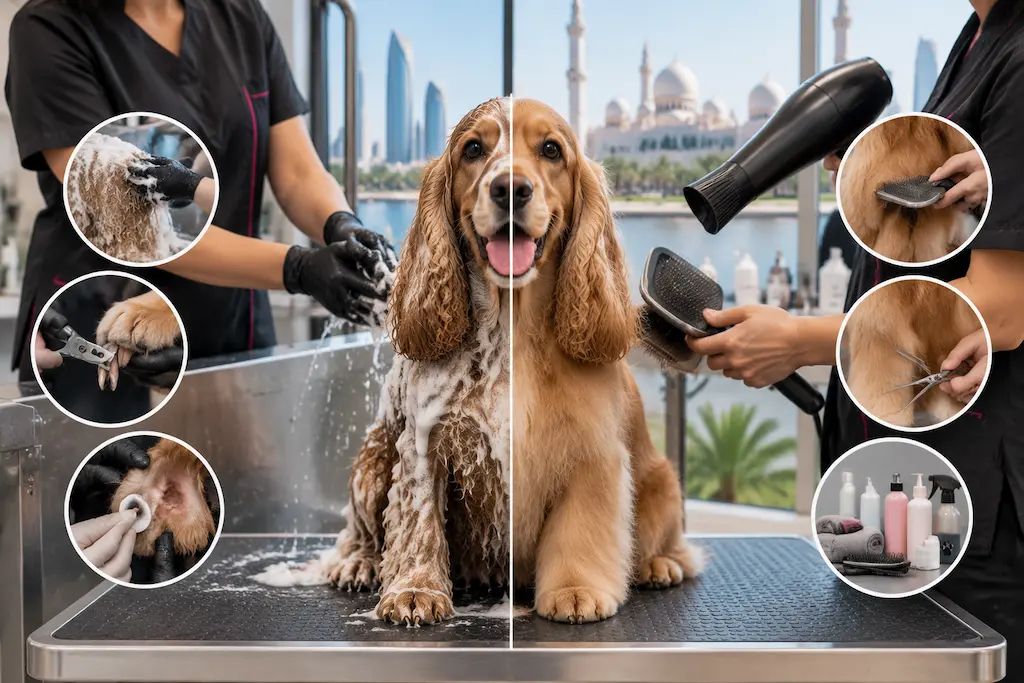
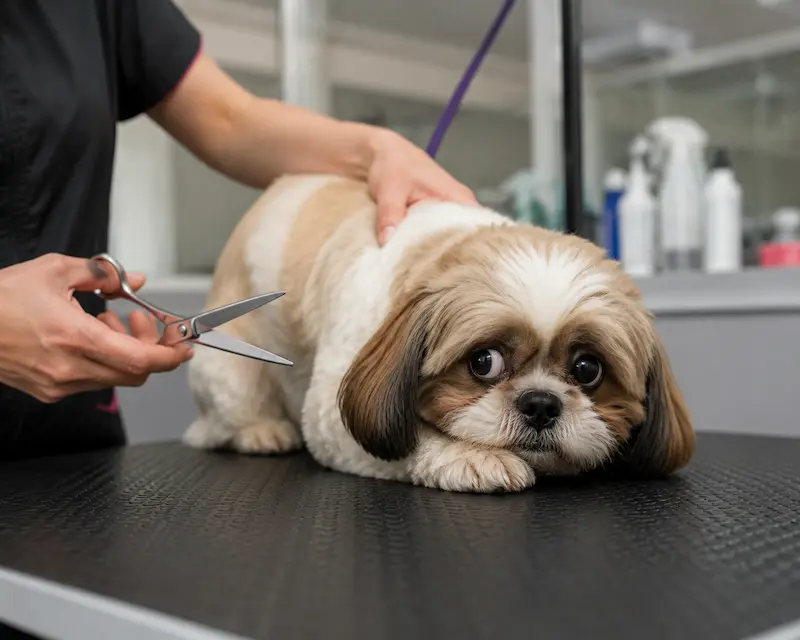
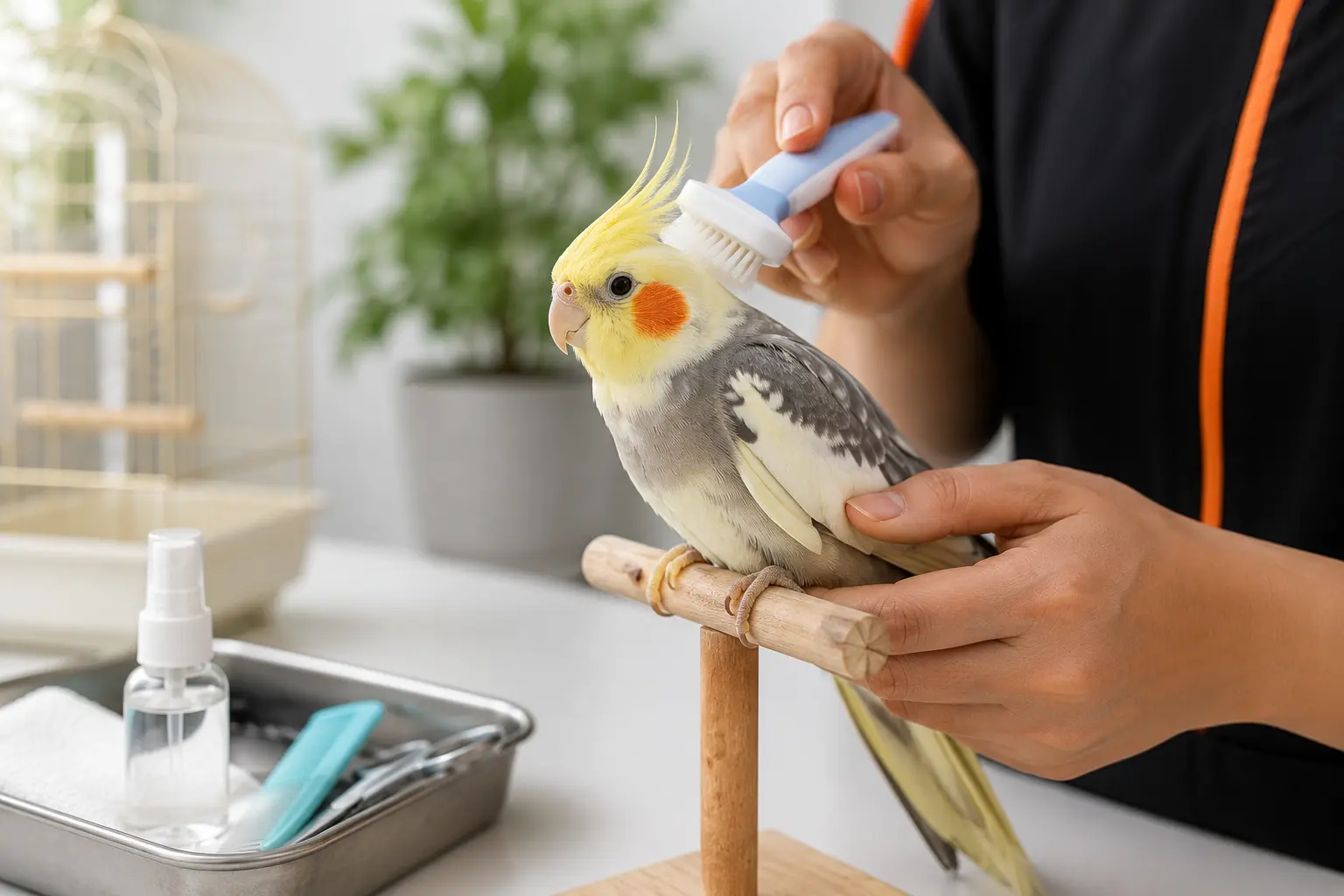
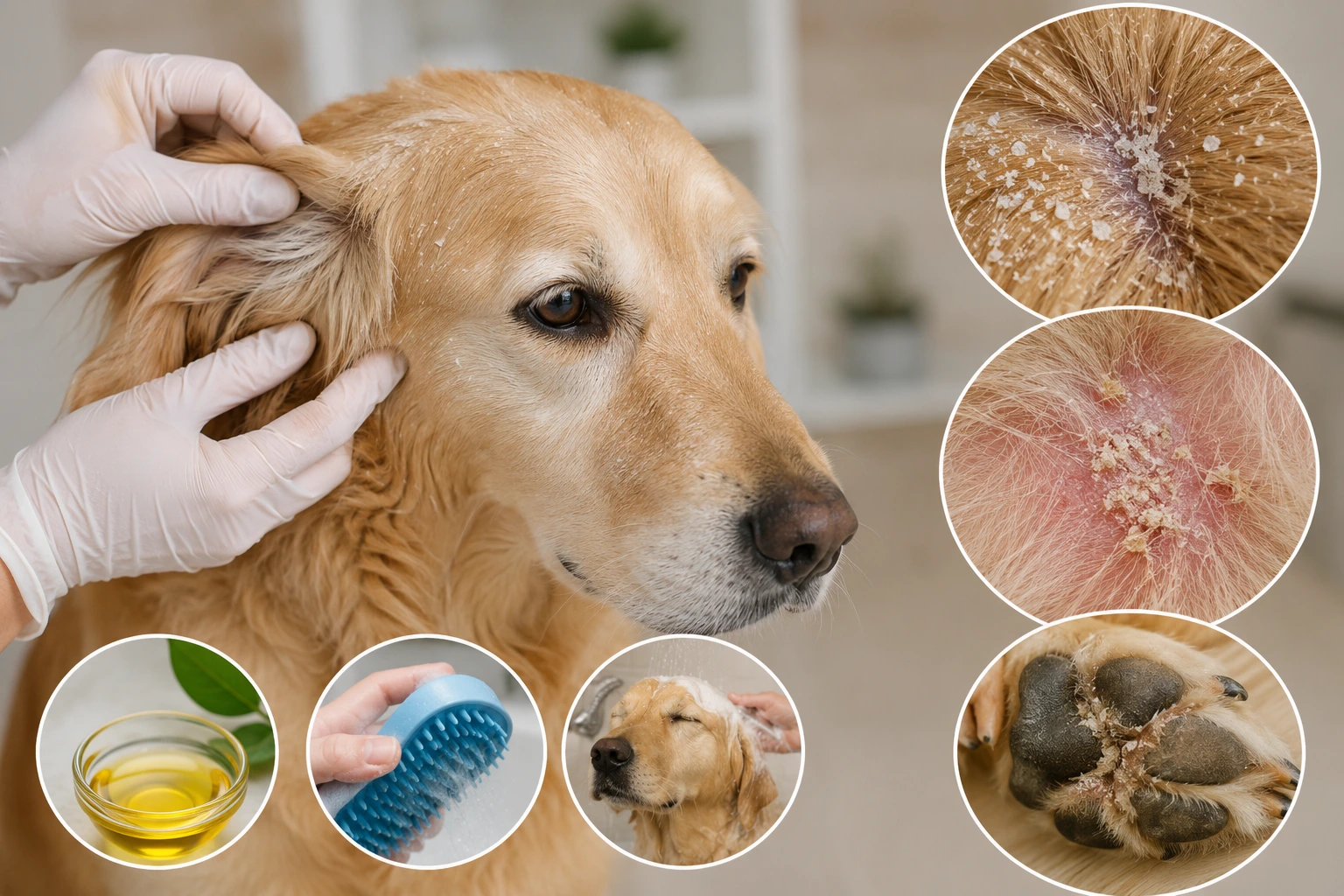
Regular grooming is one of the most effective ways to keep your home clean while supporting your pet’s overall health. It reduces shedding, controls odors, keeps the coat and skin healthy, and helps identify potential problems such as mats, parasites, or skin irritation before they become more serious.
Dog Grooming Tips
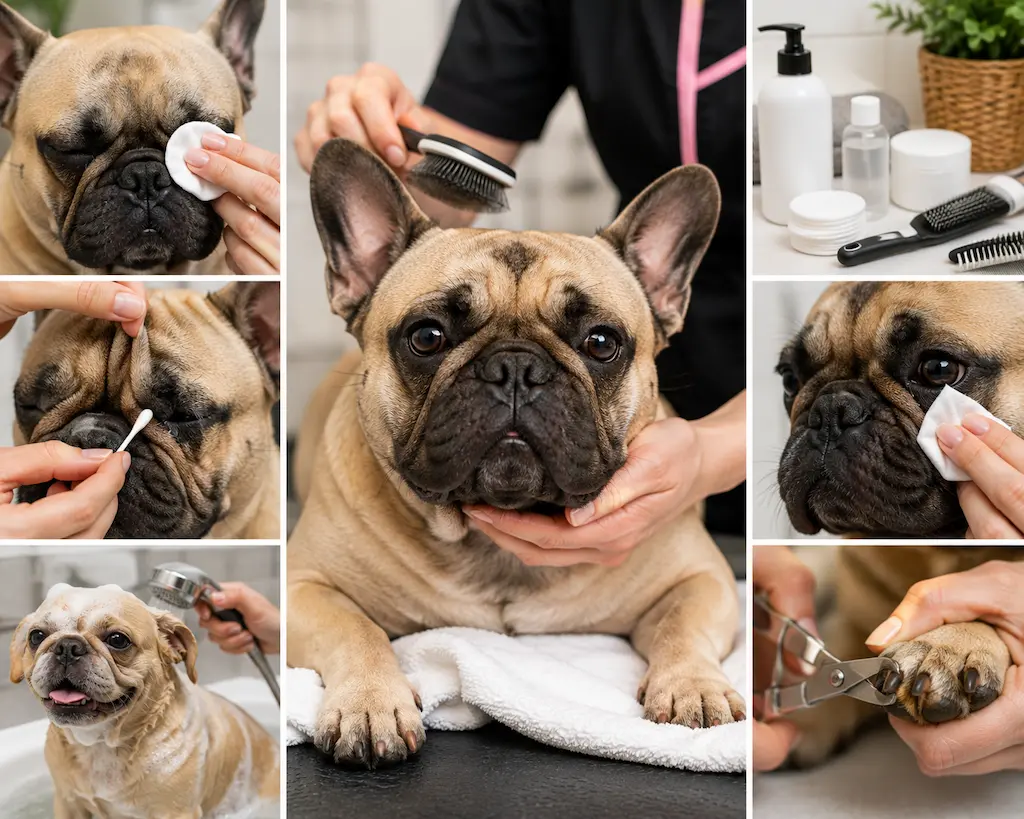
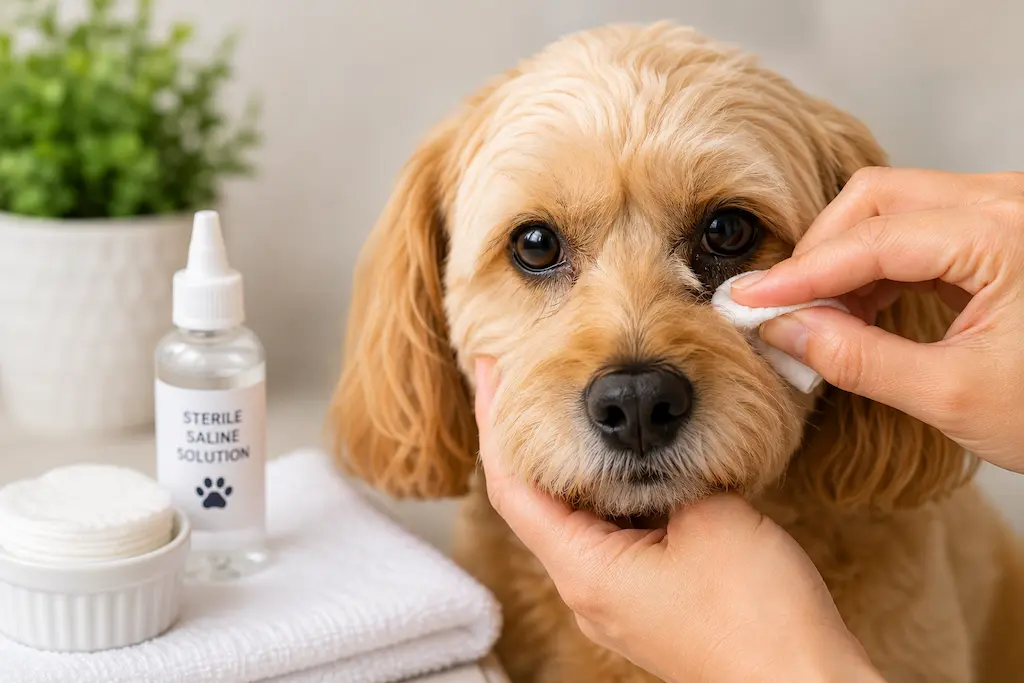
Brush several times a week to remove loose fur and prevent matting. Bathe every 4–6 weeks, or as recommended for your dog’s breed and lifestyle. Clean the ears and trim the nails regularly to prevent infections and discomfort our dog grooming services cover all of this as part of a full grooming session.
Cat Grooming Tips
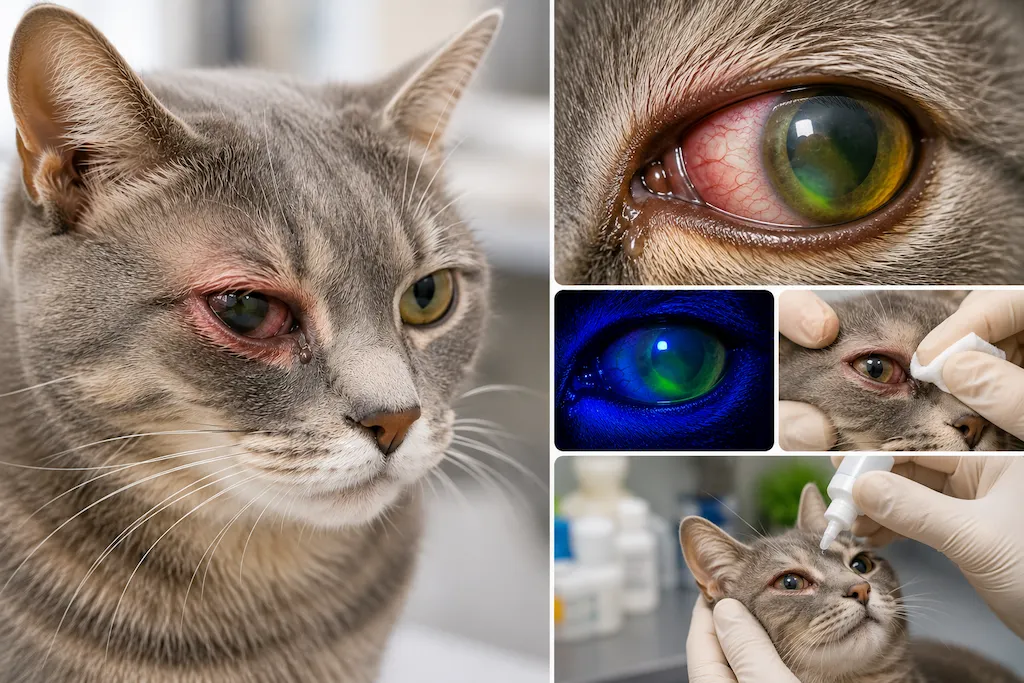
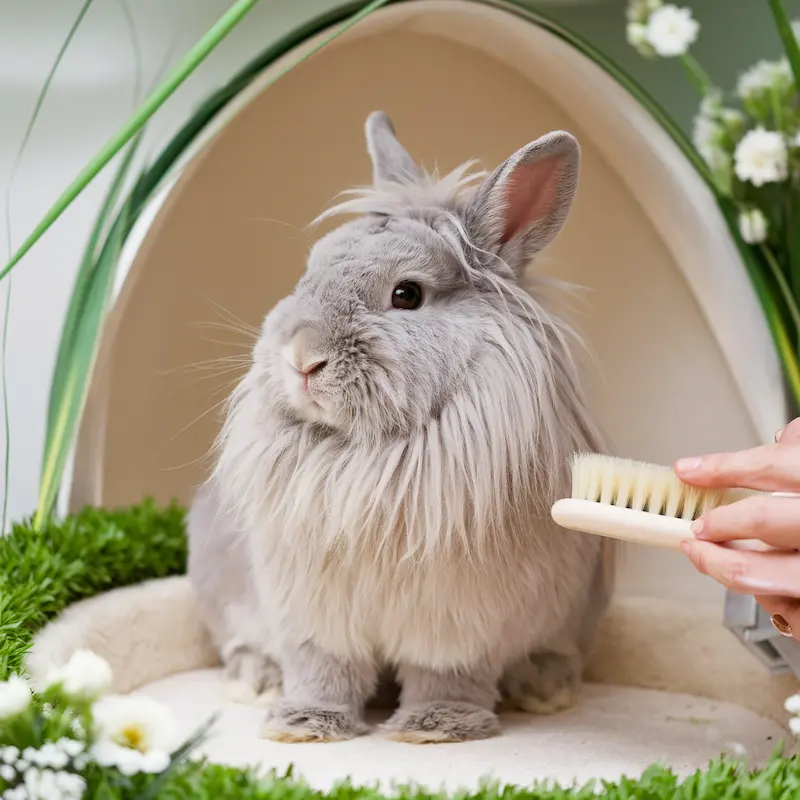
Brush frequently, especially if your cat has a long or thick coat. Gently clean the eyes and ears to remove dirt and reduce the risk of irritation. Schedule professional grooming when needed, particularly during heavy shedding seasons or if your cat struggles with self-grooming.
4. Maintain Clean Feeding Areas
Pet feeding stations can attract bacteria if not properly maintained.
- Wash food and water bowls daily with warm soapy water.
- Use stainless steel or ceramic bowls instead of plastic.
- Wipe down the surrounding floor area frequently.
5. Proper Pet Waste Management
Proper waste disposal helps prevent bacteria, unpleasant odors, and the spread of parasites, keeping both your home and your pet healthier.
- Dog Waste: Always pick up after your dog using biodegradable waste bags and dispose of it responsibly. Wash your hands thoroughly afterward to maintain good hygiene.
- Litter Boxes: Scoop waste daily and deep clean the litter box once a week using warm water and a mild, pet-safe cleaner.
6. Keep Your Pet Healthy
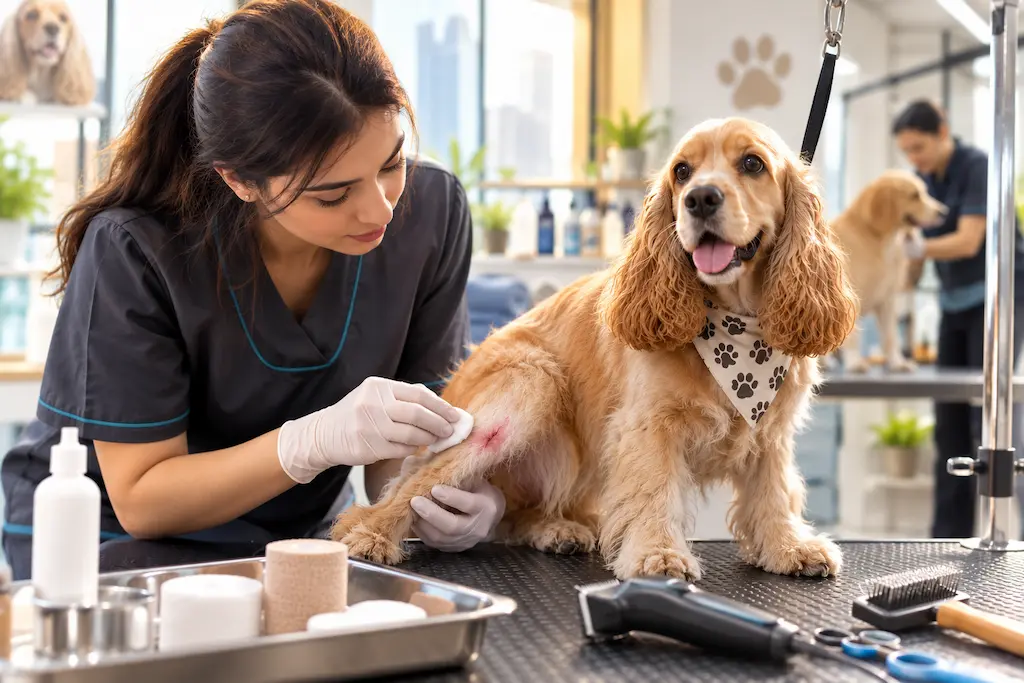
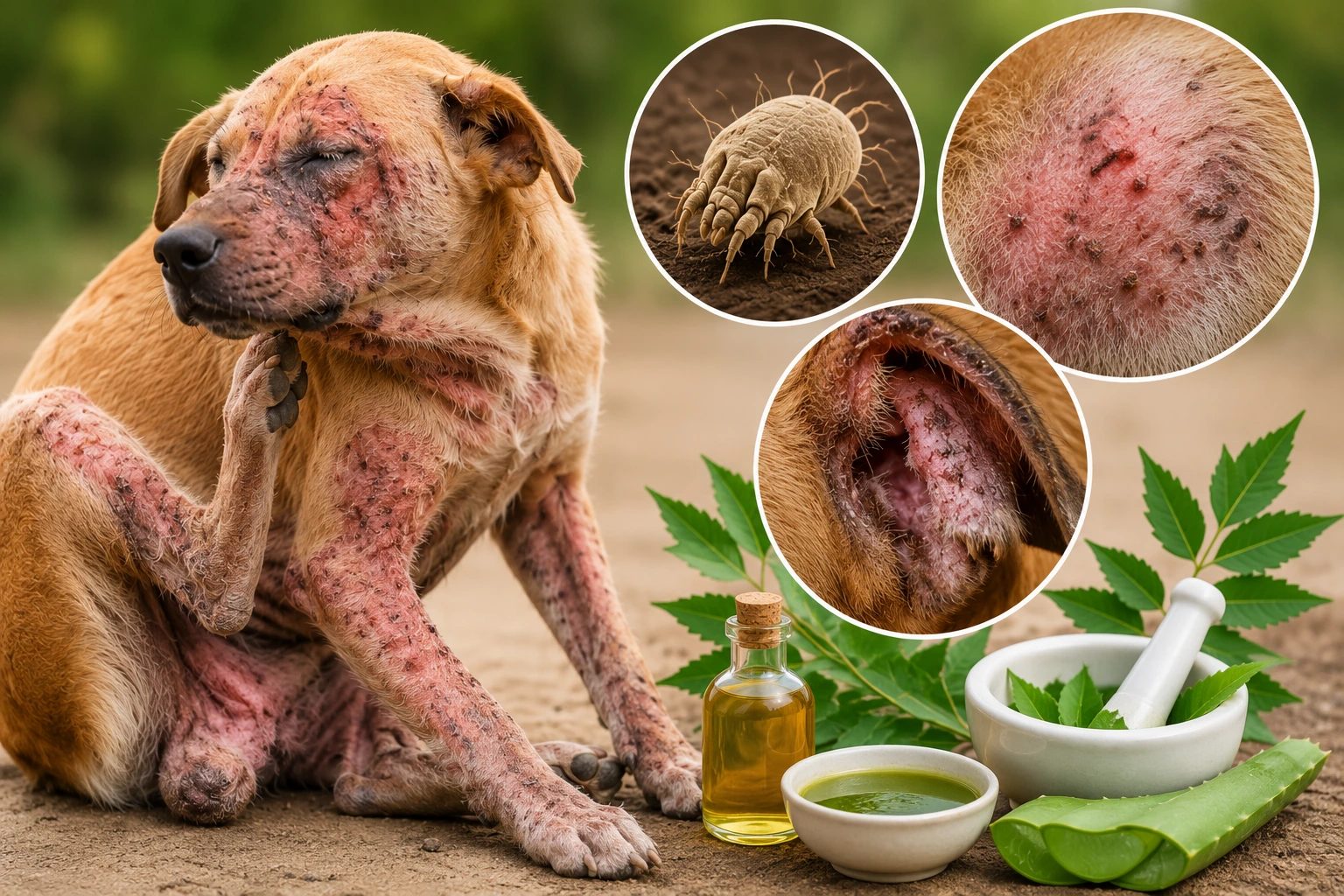
A healthy pet is easier to care for and less likely to spread illness or parasites around your home. Schedule regular veterinary checkups, keep vaccinations up to date, and follow a routine for flea, tick, and worm prevention to support your pet’s overall wellbeing.
7. Practice Good Personal Hygiene
Good hygiene habits help protect both you and your pet. Always wash your hands after handling your pet, cleaning litter boxes, or picking up waste, especially before eating or preparing food. Encourage children to follow the same routine.
8. Create Pet-Free Zones
Setting boundaries in certain areas of your home can help reduce pet hair, allergens, and dirt. Keeping pets out of spaces such as the kitchen or bedrooms makes it easier to maintain a cleaner and more hygienic living environment. If you’re also researching how to find the best pet grooming near you, a consistent home hygiene routine pairs well with a trusted grooming schedule.
Frequently Asked Questions
How often should I groom my pet?
The ideal grooming schedule depends on your pet’s breed, coat type, and lifestyle. Most dogs benefit from professional grooming every 4–8 weeks, while cats may only need occasional grooming unless they have a long coat or difficulty grooming themselves.
How can I reduce pet hair around my home?
Regular brushing, routine vacuuming with a HEPA-filter vacuum, washing pet bedding weekly, and maintaining a consistent grooming schedule are the most effective ways to reduce pet hair indoors.
How often should I wash my pet’s bedding?
Wash your pet’s bed, blankets, and other fabric items at least once a week using a mild, pet-safe detergent. If your pet sheds heavily or spends a lot of time outdoors, more frequent washing may be necessary.
Why is regular grooming important for my pet?
Regular grooming helps remove loose fur, reduces odors, prevents matting, supports healthy skin and coat, and allows potential health issues such as skin irritation or parasites to be noticed early.
Can keeping my pet clean improve my home’s hygiene?
Yes. A clean, well-groomed pet brings less dirt, dander, and loose fur into your home, making it easier to maintain a healthier and more hygienic living environment.
Conclusion
Maintaining a clean home with pets doesn’t have to be difficult. Small, consistent habits such as regular cleaning, proper waste management, routine grooming, and preventive healthcare can make a significant difference to both your pet’s wellbeing and your family’s health.
If your pet needs professional care, The Groom Room provides gentle, experienced grooming tailored to every breed and coat type. Combined with a good home hygiene routine, professional grooming helps keep your pet comfortable, healthy, and your home cleaner all year round.